What the Pit Bull Nanny Dog Story Rests On
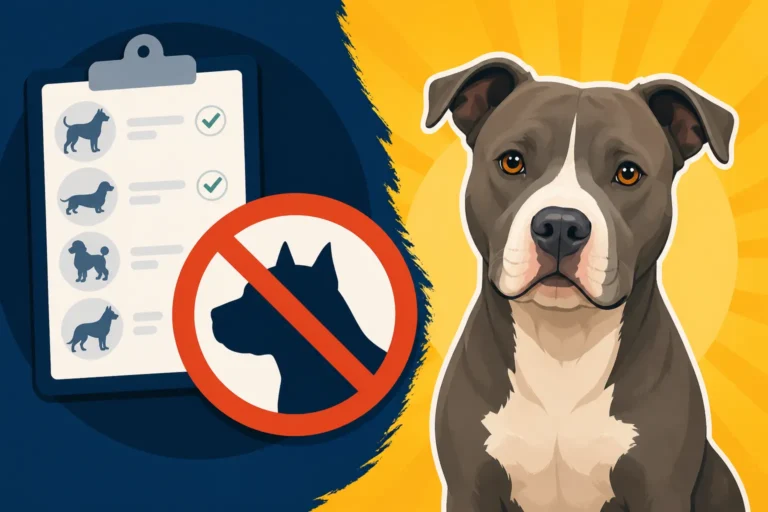
It’s disheartening how much misinformation swirls around our beloved Pit Bulls, and one of the most enduring, yet ultimately damaging, myths is that of the "nanny dog." This idea often leads new owners to have unrealistic expectations and can even put families at risk by fostering a false sense of security. This comprehensive guide aims to peel back the layers of this persistent story, exploring its origins, why it resonated so strongly, and why, for the safety and well-being of both children and dogs, we must understand why it's a dangerous oversimplification of responsible pet ownership.
Unpacking the "Nanny Dog" Myth: Origins and Appeal
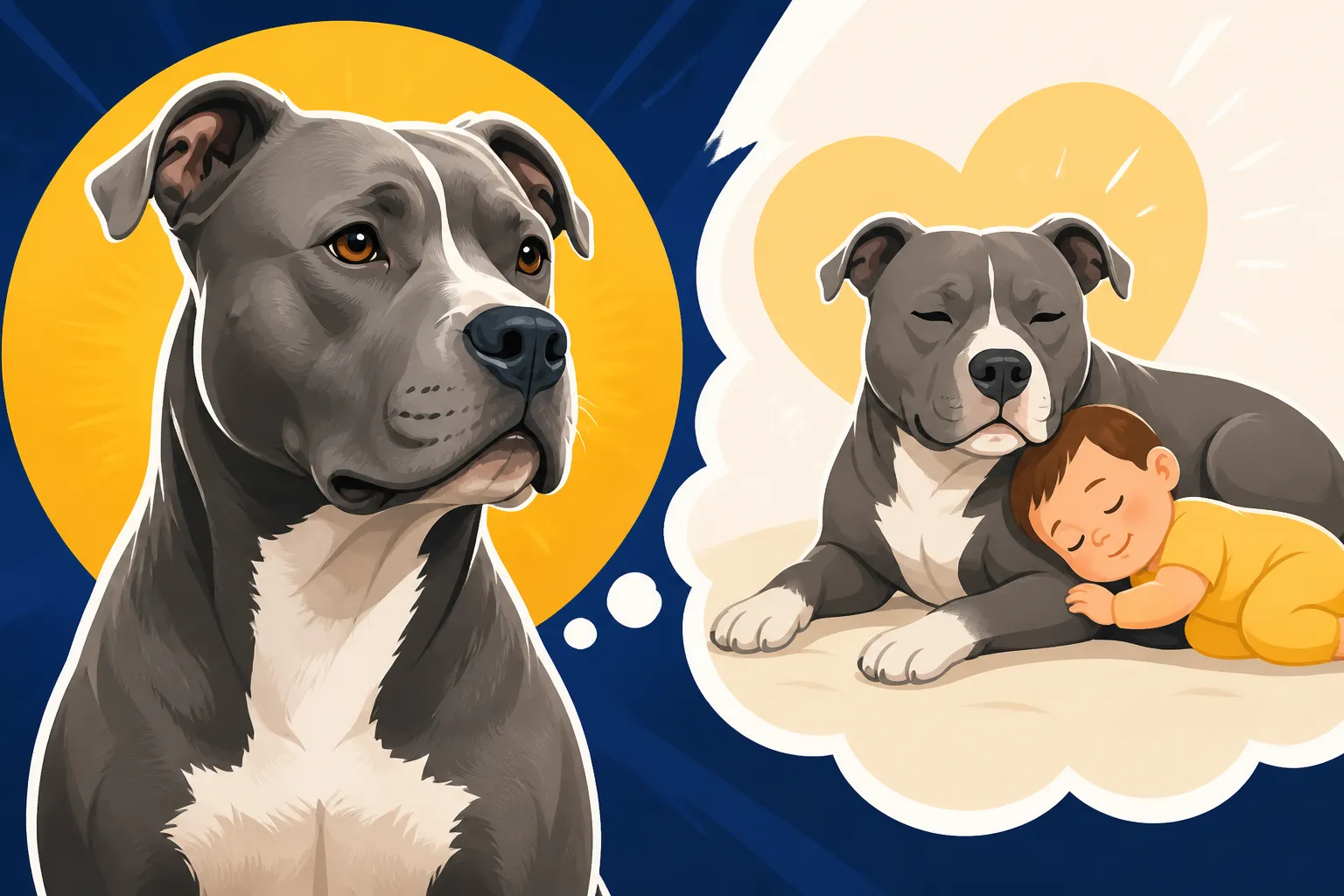
The image of a Pit Bull, often adorned with a flower crown or a sweet, docile expression, watching over a sleeping infant, is powerful. It’s an image that counters so much of the negative press and fear-mongering associated with the breed type. For many, it represents hope, a symbol that these dogs, often misunderstood and unfairly maligned, are inherently gentle and safe, especially with children. This myth isn't just a simple misunderstanding; it's a complex tapestry woven from historical anecdotes, wishful thinking, and a deep desire to defend a type of dog that has faced immense prejudice.
The phrase "nanny dog" suggests an innate, almost magical ability of Pit Bulls to protect and nurture children, essentially taking on a caregiver role. It implies a level of judgment and responsibility that no dog, regardless of breed, possesses. While many Pit Bulls are indeed gentle and loving companions, attributing a "nanny" instinct to them misunderstands canine behavior entirely and can lead to dangerous situations if owners truly believe it means their dog requires less supervision with children.
The Romanticized Image and Public Desire
There's no denying the emotional appeal of the "nanny dog" narrative. In a world where Pit Bulls are often stereotyped as inherently aggressive or dangerous, the idea of them as gentle guardians of children provides a powerful counter-narrative. This romanticized image taps into a deep human desire for connection and challenges the prevailing negative stereotypes head-on. It's a way for advocates and owners to push back against breed-specific legislation and societal fear, asserting that these dogs are not only safe but uniquely good with the most vulnerable members of our families.
This desire to reframe the Pit Bull’s public image is understandable. Owners of these dogs often experience firsthand the immense loyalty, affection, and goofy charm that these animals possess. They see their dogs as individuals, not as the scary monsters portrayed in some media. The "nanny dog" myth becomes a rallying cry, a simplified message that, while well-intentioned, unfortunately oversimplifies the complexities of dog behavior and child safety. It's a testament to the love owners have for their dogs, hoping to convince others of their inherent goodness, but it's a narrative that ultimately does more harm than good by setting unrealistic expectations.
How the Myth Gained Traction
The myth's traction comes from a few places. Firstly, historical photos from the early to mid-20th century occasionally depict Pit Bull-type dogs with children. These images, often used in advertising or family albums, show a bygone era when dogs were more integrated into daily family life, sometimes with less direct supervision than we now understand is necessary. These photographs are powerful visual evidence for those looking to support the "nanny dog" claim. They seem to show a historical precedent for the idea.
Secondly, the myth benefits from a loose interpretation of the breed's historical role. While Pit Bulls were indeed prized as family companions in earlier eras, sharing homes and lives with people from all walks of life, this role never officially included "nannying" children. The term itself is a modern construct. However, the anecdotal evidence of individual dogs being incredibly tolerant and loving with children has been extrapolated to become a breed-wide characteristic, an innate trait rather than the result of good socialization, training, and careful supervision that any good family dog requires. The myth spreads through word of mouth, social media sharing, and a general lack of critical examination of historical claims, perpetuated by those eager to defend the breed.
Historical Context: Pit Bulls in Early America
To truly understand where the "nanny dog" myth went awry, we need to look at the historical reality of Pit Bull-type dogs. The ancestors of modern Pit Bulls arrived in America with immigrants from the British Isles. These were strong, courageous, and tenacious dogs, bred primarily for bull-baiting and bear-baiting in England, and later, unfortunately, for dog fighting. However, it's crucial to remember that these dogs were also valued for their companionship and utility in a rapidly developing nation. Their working drives and physical prowess made them excellent farm dogs, guardians, and hunting partners.
They became integrated into the fabric of American life, often depicted as symbols of American strength and loyalty. Far from being exclusively fighting dogs, many were working animals on farms, helping with livestock, guarding property, and serving as general-purpose farm dogs. This dual role—part working dog, part family companion—is where the historical narrative often gets blurred. They were indeed family dogs, beloved by many, but their original purposes were far removed from childcare. Understanding The Bull and Terrier Origin of the Pit Bull helps clarify this complex ancestry.
From Fighting Pits to Family Farms
The origins of the Pit Bull type lie in the crossbreeding of Old English Bulldogs and terriers. The Bulldogs brought strength, tenacity, and gameness, while the terriers contributed agility and fire. The result was a dog of incredible athletic ability and determination. After the banning of bull-baiting and bear-baiting in England in 1835, these dogs, unfortunately, found a new, darker purpose in illegal dog fighting. This history is uncomfortable, but it's important to acknowledge when discussing their temperament and public perception.
However, many of these same dogs also made their way to America, where their formidable qualities were put to more constructive uses. On family farms, their strength and protective instincts were highly valued. They helped farmers with tasks like driving livestock, hunting vermin, and acting as vigilant guardians. These were dogs that lived alongside families, often sleeping in barns or even in the home, becoming integral parts of the household. Their physical capabilities and loyal nature made them excellent general-purpose farm dogs, a far cry from the specialized role of a "nanny." They were trusted companions, but trust was earned through training and supervision, not an inherent childcare disposition.
Early Advertising and Cultural Depictions
In the early 20th century, Pit Bull-type dogs were indeed popular symbols in American culture. They were seen as patriotic, brave, and loyal. Their images appeared frequently in advertisements for everything from military recruitment to food brands. RCA's Nipper, the dog listening to "His Master's Voice," was a Pit Bull mix. Buster Brown, a popular comic strip character, had a Pit Bull named Tige. These portrayals cemented the Pit Bull's place in the American consciousness as a lovable, trustworthy, and all-American dog.
These cultural depictions often showed the dogs interacting with children in a wholesome, if unsupervised, manner. It was an era when ideas about pet ownership and child safety were vastly different from today's standards. While these images demonstrate the breed's historical popularity and acceptance as family companions, they don't necessarily prove a "nanny" instinct. Instead, they reflect a cultural context where dogs were simply present in family life. The idea that these specific images denote a unique childcare role is an interpretation applied retrospectively, often to counter modern negative stereotypes. The romanticization of these old photos contributes significantly to the modern myth.
Why the Pit Bull Nanny Dog Story Is a Myth
Let’s be clear: the Pit Bull "nanny dog" story is, in essence, a myth. While individual Pit Bulls can be incredibly gentle, patient, and loving with children, there is no historical or scientific evidence to suggest that they were ever specifically bred or designated for the role of child minders. No reputable breed standard, historical text, or canine behaviorist supports the idea of any dog breed having an innate "nanny" function. The word "nanny" implies a level of independent judgment, responsibility, and protective care that goes beyond the capabilities of even the most well-trained and gentle dog.
The phrase likely gained traction and became a popular talking point to combat the increasingly negative perception of Pit Bulls. It’s a powerful narrative used to soften the image of a much-maligned group of dogs. However, relying on this myth is problematic because it can lead to complacency. Believing that a dog is a "nanny" might lead owners to relax vigilance, potentially exposing children to risks that careful supervision could prevent. It's a disservice to the dogs, setting an impossibly high and untrue standard, and it's a danger to children. Why the Pit Bull Nanny Dog Story Is a Myth dives deeper into the specific reasons this narrative doesn't hold up.
Understanding True Pit Bull Temperament
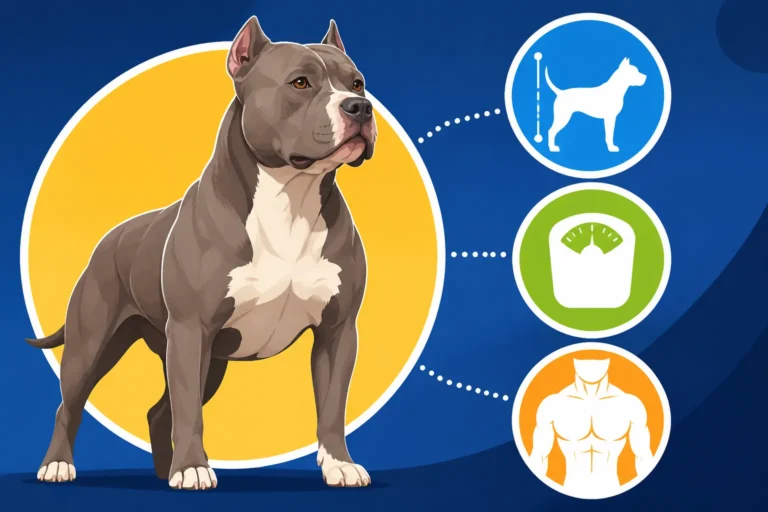
Discussing Pit Bull temperament is always a nuanced conversation, precisely because "Pit Bull" isn't a single breed recognized by major kennel clubs like the American Kennel Club (AKC) as a unified entity. Instead, it’s a blanket term often encompassing the American Pit Bull Terrier (recognized by the UKC), the American Staffordshire Terrier (AKC), and sometimes the Staffordshire Bull Terrier, among others, and countless mixes. These dogs share a common ancestry and often physical traits, but their temperaments, while generally loyal and affectionate with their human families, can vary greatly. What we can say universally about Pit Bull-type dogs is that they are generally intelligent, highly trainable, and possess a strong desire to please their people.
However, their history also imbued them with certain traits, such as tenacity, a high pain tolerance, and for some lines, a propensity towards dog-on-dog aggression, often termed "dog selectivity." It’s crucial to understand that dog selectivity is not the same as aggression towards humans. In fact, aggression towards humans was historically an undesirable trait in fighting dogs, as handlers needed to safely interact with them. A true Pit Bull temperament is complex, reflecting both their historical roles and their individual genetic makeup and upbringing.
What Breed Temperament Testing Actually Shows
When we talk about scientific assessment of temperament, one of the most widely cited resources is the American Temperament Test Society (ATTS). This test evaluates a dog's reaction to various stimuli, including visual, auditory, and tactile elements, as well as its response to a stranger. The dog’s confidence, shyness, aggressiveness, and protectiveness are noted. Interestingly, Pit Bull-type dogs, including American Pit Bull Terriers and American Staffordshire Terriers, consistently perform well on these tests, often with pass rates comparable to or even higher than many breeds considered traditionally "friendly" or "safe."
These results strongly indicate that Pit Bull-type dogs, as a group, are not inherently unstable or aggressive towards humans. What Pit Bull ATTS Testing Does Not Measure is important context here: while these tests show a general disposition, they don't predict individual behavior, nor do they test for dog-on-dog reactivity. A good pass rate on the ATTS simply reinforces that, under normal circumstances and with proper socialization, a Pit Bull is no more likely to react negatively to a person than many other breeds. It speaks to their general stability and willingness to engage positively with people.
Individual Variation Within the Type
It’s absolutely vital to remember that a "Pit Bull" is a type, not a single, uniform breed, and like all dogs, each one is an individual. You cannot simply lump all dogs with similar physical characteristics into one behavioral category. Genetics certainly play a role in predispositions, but upbringing, early socialization, training, and life experiences shape a dog's personality and behavior profoundly. A Pit Bull from a responsible breeder with health and temperament testing, raised in a loving and structured home, will likely have a very different demeanor than one from a backyard breeder, neglected, or poorly socialized.
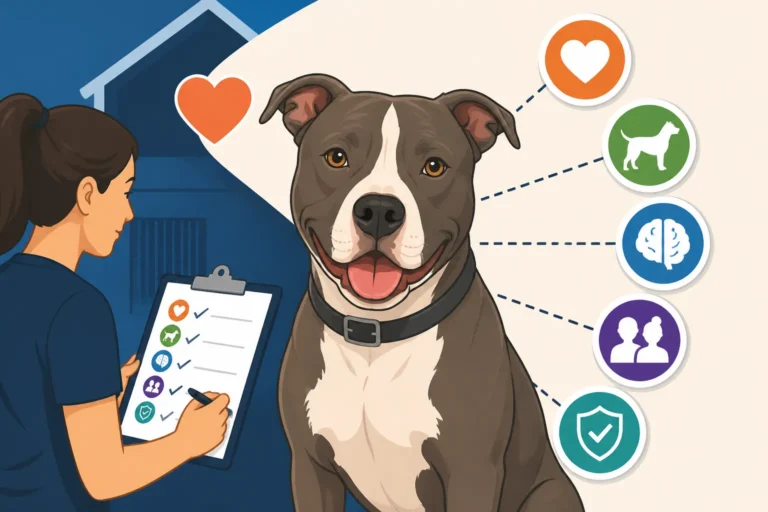
This individual variation means that while breed-level temperament tests give us averages, they tell us very little about the dog curled up on your couch. Just as some Golden Retrievers might be shy or fearful despite their breed's reputation, some Pit Bulls might be more reserved or reactive despite the ATTS scores. It’s unfair and unsafe to project generalized breed traits onto every single dog. When considering any dog for a family, especially one with children, assessing the individual dog's temperament, history, and behavior is paramount. This is also why reputable rescues and shelters spend time evaluating each dog. Chewy offers a wide range of training supplies and educational resources that can help new owners navigate the individual needs of their particular dog.
Pit Bull Dog Selectivity Explained
One trait that often sets Pit Bull-type dogs apart from many other breeds, and which is crucial for owners to understand, is what's commonly referred to as "dog selectivity" or "dog-on-dog aggression." This is a tendency, present in some individuals, to be intolerant of or aggressive towards other dogs, especially as they mature. It’s important to stress that this is distinct from aggression towards humans. Many Pit Bulls that are excellent with people, including children, may not be suitable for dog parks or multi-dog households without careful management. Pit Bull Dog Selectivity Explained clarifies that this trait is rooted in their history as fighting dogs, where gameness against other canines was selected for.
This isn't an indictment of their character; it's a genetic predisposition that manifests in varying degrees. Some Pit Bulls may be perfectly fine with other dogs, particularly those they've grown up with, while others may develop a strong intolerance as they reach social maturity (typically between 1-3 years of age). Responsible Pit Bull owners understand this potential and take proactive steps, such as careful introductions, strict supervision in multi-dog homes, or avoiding dog parks altogether. This awareness is a cornerstone of responsible ownership and ensures the safety of all animals involved.
Why No Dog Should Be a "Nanny" to a Child
The very concept of a "nanny dog" is inherently flawed and potentially dangerous, regardless of breed. Dogs are wonderful companions, loyal friends, and cherished family members, but they are not human. They operate on instinct, learned behaviors, and canine communication, not human logic, foresight, or moral judgment. Expecting any dog to take on the role of a child’s unsupervised caretaker is to fundamentally misunderstand canine nature and place an unfair, and ultimately unsafe, burden on the animal.
Children and dogs should always be supervised when interacting. This isn't about distrusting the dog; it's about acknowledging that both children and dogs can be unpredictable. Children, especially toddlers, don't always understand appropriate boundaries or how to read canine body language. Dogs, even the most tolerant ones, have limits, and they communicate stress or discomfort in ways that can be easily missed by an untrained eye. Relying on a "nanny dog" myth fosters a dangerous complacency that bypasses the critical need for constant, vigilant adult supervision. This is why Why No Pit Bull Should Be Left With a Child is such a critical piece of advice for any household.
The Universal Need for Supervision
Every single interaction between a child and a dog, regardless of the dog's breed, size, or temperament, must be supervised by a responsible adult. This isn't a judgment on the dog or the child; it's a non-negotiable safety protocol. Young children, particularly those under school age, lack the cognitive ability to understand a dog's warning signs or to behave consistently and appropriately around animals. They might pull ears, grab tails, crawl on a sleeping dog, or try to take a toy or food, all of which can provoke a defensive reaction from even the most saintly dog.
Even well-socialized and tolerant dogs can snap if they are startled, in pain, or pushed past their tolerance threshold. The adult supervisor's role is to ensure respectful interactions from both sides: teaching the child how to approach and touch a dog gently, and intervening if the dog shows signs of stress or discomfort. This constant vigilance protects both the child from potential injury and the dog from being put in a situation where it feels it has no other option but to defend itself. Responsible pet ownership is about active management, not passive trust in a myth.
Reading Canine Body Language for Safety
A crucial aspect of safely managing interactions between children and dogs, which the "nanny dog" myth completely ignores, is the ability to read canine body language. Dogs communicate constantly through their posture, facial expressions, tail movements, and vocalizations. Understanding these signals allows an adult to intervene before a situation escalates. Subtle signs of stress or discomfort include lip licking, yawning (when not tired), turning the head away, freezing, whale eye (showing the whites of the eyes), tense body posture, a tucked tail, or a low growl.
Unfortunately, many of these signals are either missed or misinterpreted by humans, especially children. What might look like a "cute" yawn could actually be a sign of anxiety. A dog becoming still could be a freeze response before a snap. An adult who understands these signals can gently redirect the child, remove the dog, or create space, thus preventing an unwanted interaction. This proactive approach, rooted in knowledge and vigilance, is the true foundation of safety, not the false promise of a "nanny dog."
Responsible Interactions Between Dogs and Children
Building positive and safe interactions between dogs and children is about education, respect, and constant supervision. It begins with teaching children how to behave around dogs: "Be a tree" (stand still and quiet) if a dog jumps, "Be a rock" (curl up and cover your face) if a dog knocks them down, and always asking an adult before approaching or petting a dog. Children should be taught to approach calmly, allow the dog to sniff their hand, and only pet gently on the shoulders or chest, avoiding the head and tail.
For the dog, it means providing plenty of safe spaces where they can retreat, undisturbed, from children. Crate training, positive reinforcement training, and gradual, supervised introductions are key. Never force interactions. If a dog walks away, let it. Always ensure children understand that the dog's crate, bed, or food bowl is a sacred space. A Pit Bull in a House With Children offers practical advice on creating a harmonious home. The goal is mutual respect, facilitated by an informed and vigilant adult, ensuring the well-being of both the dog and the child.
The Dangers of Relying on the Nanny Dog Myth
While born from good intentions—the desire to protect and promote Pit Bulls—the "nanny dog" myth carries significant, often unseen, dangers. It’s not just a harmless fable; it’s a narrative that can lead to preventable incidents, undermine responsible pet ownership principles, and ultimately set both dogs and families up for failure. When people blindly accept this myth, they often bypass critical safety measures that would be standard practice with any other dog. This misguided trust is the very foundation of the risk.
The core problem is that the myth fosters a false sense of security. It suggests that Pit Bulls are somehow exempt from the universal truths of canine behavior: that any dog can bite under certain circumstances, that dogs need to be trained and managed, and that children and dogs always need supervision. This dangerous complacency can have tragic consequences, turning a dog that might otherwise have been a loving family member into a liability, and a child into a victim.
Misplaced Trust and Potential for Incident
The most immediate and severe danger of the "nanny dog" myth is the misplaced trust it encourages. When owners believe their Pit Bull is an inherent "nanny," they may relax their vigilance, leaving children unsupervised with the dog or allowing interactions that would be deemed unsafe with any other breed. This is a recipe for disaster. No dog, not even the gentlest, has the judgment or understanding to be solely responsible for a child's safety. Dogs communicate stress, discomfort, or fear through subtle signals that young children cannot comprehend and that even many adults miss.
If these signals go unheeded, a dog's only recourse might be to bite, often as a last resort when all other warnings have been ignored. The incident is then framed as an unprovoked attack, when in reality, the dog was likely pushed past its breaking point. This scenario is heartbreaking for everyone involved: the child suffers injury, the dog may be euthanized, and the family is left with immense grief and guilt. Such incidents only serve to further perpetuate negative stereotypes about Pit Bulls, creating a vicious cycle of misunderstanding and prejudice, instead of advocating for safe and responsible pet ownership.
Undermining Responsible Dog Ownership
The "nanny dog" myth significantly undermines the principles of responsible dog ownership. Responsible ownership emphasizes lifelong training, thorough socialization, consistent management, and proactive safety measures. It's about understanding a dog's needs, respecting its boundaries, and actively managing its environment to prevent problems. The "nanny dog" myth, however, implies that Pit Bulls come pre-programmed for child safety, thus reducing the perceived need for these critical responsibilities.
Why train your dog diligently if it's already a "nanny"? Why supervise interactions if the dog inherently knows how to protect children? This kind of thinking can lead to a lax approach to training, socialization, and supervision, not just with children, but in general. It removes the onus from the owner to actively educate themselves and manage their dog, fostering complacency rather than proactive engagement. This disservice impacts not only the individual dog and family but also the wider Pit Bull community, as incidents stemming from this misplaced trust fuel negative public perception and breed-specific legislation. Responsible owners dedicate themselves to understanding their dog's unique needs, often consulting resources found at retailers like Chewy for appropriate training aids and enrichment items.
Setting Unrealistic Expectations for Pit Bulls
Beyond the safety risks, the "nanny dog" myth sets incredibly unrealistic expectations for Pit Bulls. No dog should be held to a superhuman standard of patience and infallibility. Pit Bulls, like all dogs, have good days and bad days. They can be tired, hungry, in pain, startled, or simply not in the mood for interaction. Expecting them to be endlessly tolerant, especially with the unpredictable behavior of young children, is unfair and sets them up for failure.
This myth also obscures the true strengths of Pit Bulls. They are intelligent, eager to please, loyal, and athletic dogs who thrive on companionship, training, and activity. They are wonderful family dogs when properly socialized, trained, and managed. By fixating on a mythical "nanny" role, we overlook the genuine qualities that make them fantastic companions and the true responsibilities that come with owning such a powerful and sensitive animal. The emphasis should be on celebrating their real virtues and teaching owners how to safely and responsibly integrate them into family life, rather than propagating a harmful fantasy.
Moving Beyond the Myth: Responsible Pit Bull Ownership
Dispelling the "nanny dog" myth isn't about disparaging Pit Bulls; it's about advocating for responsible, informed ownership that prioritizes safety and promotes these dogs for what they truly are: loyal, intelligent, and affectionate companions who, like all dogs, require proper training, socialization, and supervision. Moving beyond the myth means embracing education, understanding canine behavior, and committing to proactive management strategies. It's about empowering owners with knowledge rather than relying on comforting, but dangerous, fables.
The goal is to foster an environment where Pit Bulls can thrive safely and where their positive attributes can be recognized without the need for exaggerated claims. This involves robust training programs, early and ongoing socialization, transparent communication about breed traits (like dog selectivity), and unwavering supervision when children are present. It's about becoming an ambassador for the breed type through exemplary ownership, showing the world what a well-raised and well-managed Pit Bull truly is.
Prioritizing Training and Socialization
For any Pit Bull, regardless of its background, training and socialization are not optional; they are paramount. Early socialization, starting in puppyhood, exposes the dog to a wide variety of sights, sounds, people, and experiences in a positive and controlled manner. This helps them develop into confident, well-adjusted adults. Structured obedience training provides a clear communication channel between dog and owner, establishing boundaries and teaching essential commands that are crucial for managing a strong, powerful dog. What to Teach a Pit Bull Puppy and When is a good starting point for new owners.
Beyond basic obedience, impulse control exercises are particularly important for Pit Bulls, given their physical strength and enthusiasm. Teaching a "leave it" command, a solid recall, and polite greetings can prevent many potential problems. Training should be positive reinforcement-based, building trust and a strong bond. It's a lifelong commitment, not a one-time event. Continual training and reinforcement help ensure a Pit Bull remains a well-mannered and safe member of society, allowing them to be viewed positively in public and challenging negative stereotypes.
Advocacy Through Education and Action
True advocacy for Pit Bulls lies in education and responsible action, not in perpetuating myths. Owners have a unique opportunity to change public perception by being exemplary dog guardians. This means understanding and acknowledging the historical context of Pit Bulls, including potential predispositions like dog selectivity, and then actively managing them. It means educating friends, family, and strangers about responsible dog ownership and breed nuances, rather than simply repeating the "nanny dog" narrative.
Participating in programs like the Canine Good Citizen (CGC) test can be incredibly beneficial. A CGC certification demonstrates that a Pit Bull is well-trained, well-mannered, and under control in public settings. Canine Good Citizen and Why It Matters for a Pit Bull can help bridge the gap between perception and reality. Supporting breed-neutral legislation, advocating for fair housing and insurance policies, and volunteering at local shelters to help with Pit Bull training and adoption are all powerful ways to create lasting, positive change. Real advocacy is about demonstrating, not fabricating.
The Importance of Breed-Neutral Legislation
Finally, moving beyond the "nanny dog" myth means advocating for and supporting breed-neutral legislation. Breed-specific legislation (BSL), which targets certain breeds like Pit Bulls, is often enacted based on fear, misinformation, and misidentification rather than scientific evidence or effective public safety policy. Such laws penalize responsible owners, fill shelters with adoptable dogs, and fail to address the root causes of dog bites, which are typically related to irresponsible ownership, lack of training, and poor socialization, regardless of breed.
Instead, effective dog laws should focus on owner accountability, requiring all dog owners to properly license, vaccinate, train, and contain their dogs, regardless of breed. Dangerous dog laws should target individual dogs based on their behavior, not their appearance, and provide due process for owners. This approach is more effective in promoting public safety and fairer to all dogs and their owners. Understanding Where Pit Bull Legislation Still Applies is critical for owners navigating legal landscapes. By focusing on behavior and responsibility, we create a society that is safer for both people and dogs, moving past the prejudice fueled by myths and stereotypes.
Disclaimer
This article is for general informational purposes only and does not constitute professional advice. Laws, prices and regulations vary by location and change over time. Consult a qualified professional for guidance on your specific situation.