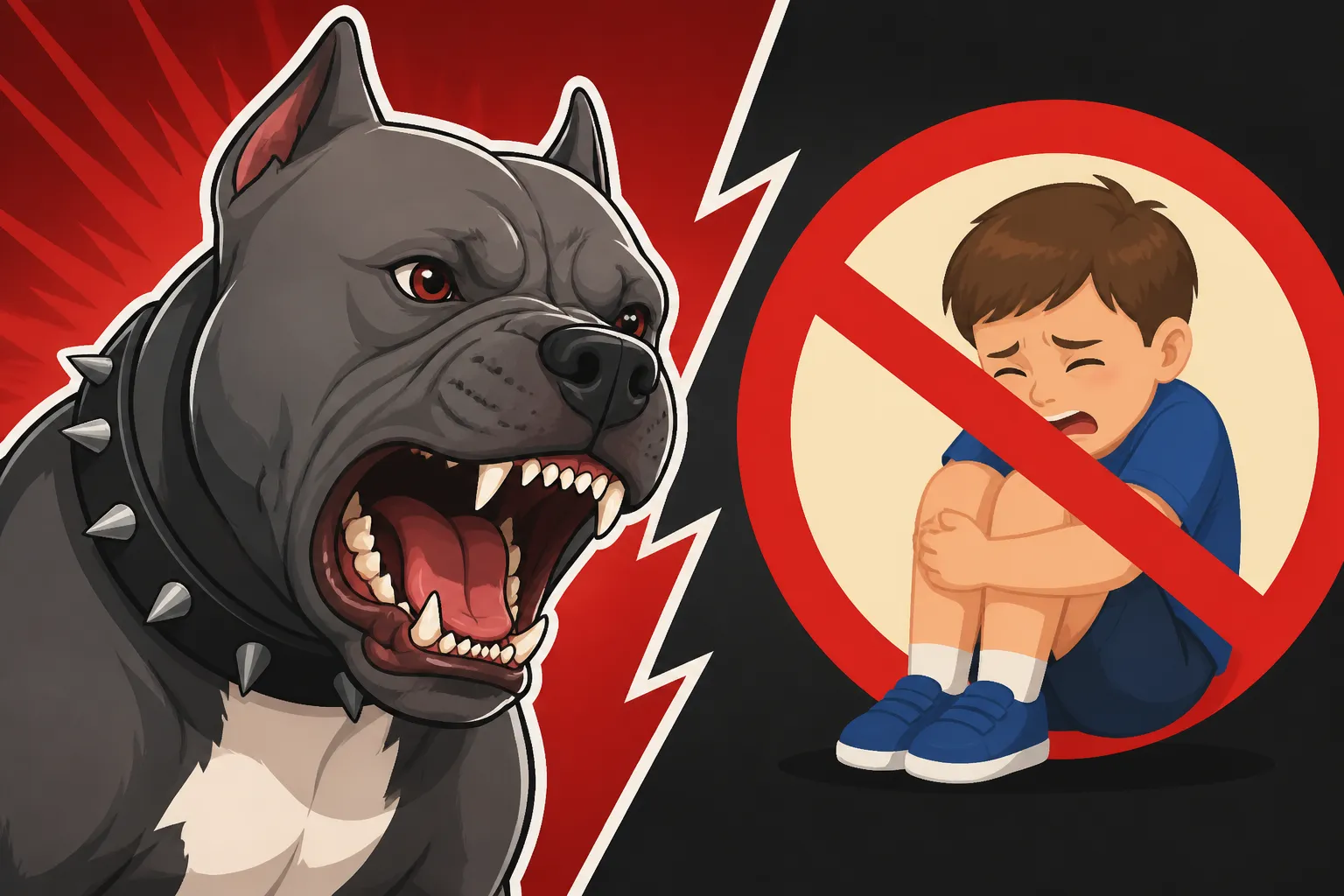
Why No Pit Bull Should Be Left With a Child
It’s a natural human inclination to want to believe the best in our beloved pets, especially when it comes to their interactions with the smallest members of our families. We hear stories, see heartwarming photos, and might even have fond memories of a family dog ourselves. But when it comes to Pit Bulls and children, relying solely on hope or anecdotal evidence can be a dangerous oversight. This guide will delve deeply into why every single dog, no matter how cherished or seemingly gentle, needs careful, constant supervision when around kids, especially a powerful breed like a Pit Bull, ensuring a safer home for everyone.
The Persistent "Nanny Dog" Myth and Canine Reality
One of the most enduring, yet tragically misleading, narratives surrounding Pit Bulls is the idea of the "nanny dog." This notion paints them as inherently gentle protectors, uniquely suited to watching over children. While the sentiment behind wanting such a loyal guardian is understandable, it’s a myth that carries significant risks when taken literally. No dog, not even the most placid Golden Retriever or the most well-trained Poodle, is a substitute for adult supervision.
Debunking the Nanny Dog Legend
The term "nanny dog" gained traction largely through nostalgic imagery from early 20th-century advertising and media, often depicting Pit Bull-type dogs alongside children. These were carefully staged photographs, not records of unsupervised care. In reality, the concept of a "nanny dog" is a dangerous misinterpretation of canine behavior. Dogs are animals with instincts, communication methods, and potential triggers that are fundamentally different from humans. They don't understand the nuances of child development or the fragile nature of a toddler. To delegate the care or supervision of a child to any dog, regardless of breed, is to place both the child and the dog in an incredibly vulnerable position. The potential for miscommunication or a natural canine reaction to become a serious incident is simply too high to ignore. For a deeper dive into this historical inaccuracy, you might find Why the Pit Bull Nanny Dog Story Is a Myth enlightening.
The Unpredictable Nature of All Dogs
Every dog, truly every single one, has limits, fears, and a threshold for tolerance. These can fluctuate based on their mood, health, environment, and even simple things like how much sleep they've had. A dog that is usually patient might snap if it's in pain, startled, or feeling trapped. Children, bless their hearts, are often unpredictable themselves. They can move quickly, make loud noises, grab without warning, and lack the understanding of dog body language that might signal discomfort. When you combine the natural unpredictability of a child with the inherent instincts and potential limits of a dog, even a very good one, you create a scenario where accidents can happen swiftly and without much warning. While Pit Bulls often possess a high pain tolerance and a strong drive to please, their sheer physical power means that even an accidental or warning bite can have devastating consequences, far more so than with a smaller breed.
Unpacking the Risks: Child Behavior Meets Dog Instinct
Understanding the dangers isn't about villainizing Pit Bulls or children; it's about acknowledging the natural behaviors of both and how they can unfortunately clash. These interactions aren't always malicious; more often than not, they stem from misunderstanding, a dog's natural protective instincts, or a child's innocent but inappropriate actions.
Children's Unpredictable Actions
Children, especially toddlers and preschoolers, are explorers. They learn by touching, tasting, and experimenting. This often translates to pulling ears, grabbing tails, leaning on a sleeping dog, or trying to "ride" a larger dog. These actions, while often completely innocent from a child's perspective, can be incredibly startling, painful, or frustrating for a dog. A dog might tolerate it many times, but there will always be a breaking point. Imagine being poked in the eye repeatedly by someone you can't communicate with—eventually, a natural defensive reaction might occur. Young children also lack the impulse control to back away when a dog signals discomfort. Their natural curiosity often overrides any subtle warnings a dog might give, escalating the situation without either party intending harm. When children are not yet old enough to understand and respect boundaries, constant adult interjection is the only way to ensure safety. For guidance on appropriate boundaries, read Supervision Rules for a Pit Bull and a Child.
Recognizing Canine Stress Signals
Dogs communicate through a complex language of body postures, facial expressions, and vocalizations. Unfortunately, many of these signals are subtle and easily missed by humans, especially by those not trained to look for them. A dog that is becoming uncomfortable might start with a soft yawn, lip licking, turning its head away, or showing the whites of its eyes (often called "whale eye"). If these warnings are ignored, the dog might escalate to a stiff body, tail tucked, growling, or a quick snap in the air as a final plea for space. Many owners, unfortunately, punish growling, which removes a crucial warning sign and can lead to a dog biting without any prior vocalization. Understanding and respecting these signals is paramount. If you see a dog exhibiting signs of stress, it's a clear indication that the situation needs to change immediately. Giving a dog space and removing the stressor is always the safest course of action. Learning to identify these subtle cues is a huge step in preventing incidents; our article Reading Pit Bull Body Language Before a Greeting offers more insight.
Resource Guarding and Pain Response
Like all animals, dogs have an innate drive to protect valuable resources—their food, toys, favorite resting spots, or even their human. This is known as resource guarding and it's a perfectly normal canine behavior, although one that needs careful management in a home with children. A child approaching a Pit Bull's food bowl or trying to take a cherished toy could trigger a guarding response. Even the most tolerant dog can feel threatened if its resources are encroached upon. Similarly, a dog in pain, whether from an injury, arthritis, or a skin condition, may react defensively if touched in a sensitive area. A normally gentle Pit Bull experiencing the discomfort of a skin flare-up or an ear infection might snap if a child inadvertently prods a sore spot. It's vital to recognize that a dog's behavior can be drastically altered by physical discomfort, making it another critical reason for constant adult oversight. Understanding how to manage these situations can be found in resources like Pit Bull Food Bowl Guarding and A Pit Bull Snapping During a Skin Flare.
Proactive Strategies for a Safe Multi-Species Household
Since the "nanny dog" is a myth, it falls to us, the adult human guardians, to implement proactive strategies to ensure the safety and well-being of both our children and our Pit Bulls. This isn't about fear; it's about responsible pet ownership and creating a harmonious environment through structure and common sense.
Implementing Active, Constant Supervision
This is the golden rule: never, ever leave a Pit Bull, or any dog, unsupervised with a child, no matter how brief the moment. "Supervision" doesn't mean being in the same room while engrossed in your phone or washing dishes with your back turned. It means active, engaged observation where your full attention is on the interaction between child and dog. You should be close enough to physically intervene instantly if needed. This might mean keeping a short leash on your Pit Bull in the house when children are present, or having your dog on a "place" command, so you know exactly where they are and what they're doing. This level of vigilance prevents accidents before they ever have a chance to escalate. This isn't just about protecting the child, it's also about protecting your dog from being put in a difficult situation where they might react poorly.
Establishing Physical Barriers and Safe Zones
Creating physical separation is a powerful and underutilized tool for managing mixed households. Baby gates, crates, and keeping doors closed can provide safe zones for both your Pit Bull and your child. When your child is playing boisterously, your Pit Bull can be in their crate in another room, enjoying a chew or a puzzle toy purchased from a retailer like Chewy. When your Pit Bull needs quiet time or is eating, a gate can separate them from curious little hands. This prevents situations where accidental conflicts can arise due to overexcitement, resource guarding, or a dog simply needing a break. A sturdy crate, ideally one a powerful dog cannot easily break out of, is an invaluable tool, not a punishment. For advice on secure crating, check out Crate Training a Pit Bull That Breaks Out.
Teaching Consent-Based Interactions
Educating both children and adults about respectful interaction with dogs is fundamental. For children, this means teaching them to always ask permission before petting a dog, and understanding that a dog has the right to say "no" by walking away. It involves teaching them to pet gently on appropriate areas (chest, shoulders, not head or tail) and to recognize when a dog is soliciting attention versus wanting to be left alone. For adults, it means understanding and advocating for your dog. If your Pit Bull moves away from a child, that's a "no"—don't encourage the child to follow or "force" interaction. It's about respecting the dog's boundaries as much as the child's. Implementing consent-based handling from an early age helps build a foundation of mutual respect and understanding between children and dogs. More details on this approach can be found in Consent Based Handling With a Pit Bull.
Long-Term Commitment: Education, Training, and Vigilance
Owning a Pit Bull and having children in the home is a lifelong commitment to responsible management. It’s not a one-time fix but an ongoing process of education, training, and unwavering vigilance from all adults involved.
Comprehensive Training for Your Pit Bull
A well-trained Pit Bull is not only a joy to live with, but also a safer companion. This means more than just basic obedience; it means consistent training that builds impulse control, a strong recall, and a solid "stay" or "place" command. A dog that can reliably settle on its mat away from the commotion of children, or come when called even amidst distractions, provides a layer of safety. Consider enrolling in classes with a professional trainer who has experience with powerful breeds and positive reinforcement methods. These trainers can guide you in teaching your Pit Bull appropriate behaviors around children and help you identify potential triggers before they become problems. Remember, training is ongoing, not a one-and-done event. Many pet supply retailers, including online ones like Chewy, also offer educational resources and products that can assist with training, from durable tug toys to puzzle feeders that keep a dog mentally engaged.
Muzzle Training as a Proactive Safety Measure
Muzzle training is often misunderstood, viewed as a sign of an aggressive dog. In reality, it's a responsible and proactive safety measure that every Pit Bull owner should implement, especially in a home with children. A properly fitted basket muzzle allows a dog to pant, drink, and even take treats, making it comfortable for short periods. It can be used during unpredictable situations, such as when new children visit, during veterinary visits, or during initial introductions if you've rescued a dog with an unknown history. Muzzle training is a kindness; it provides peace of mind for owners and prevents potential bites, allowing a dog to safely participate in more situations. It’s a tool for prevention, not punishment, and conditioning your Pit Bull to happily wear one can be incredibly empowering. Learn more about making this a positive experience in Muzzle Training Every Pit Bull Should Have.
Educating Everyone in the Household
Safety around dogs is a two-way street. Not only does the dog need to be trained, but every human in the household needs to understand and adhere to the rules. This includes other adults, older children, and any regular visitors. Ensure everyone knows the "no unsupervised interactions" rule. Teach older children how to read dog body language and what to do if a dog shows signs of discomfort. Everyone should understand the dog's safe zones and when to leave the dog alone. This collective commitment creates a consistent and predictable environment for the Pit Bull, reducing stress and confusion. It’s about building a culture of respect and awareness that benefits everyone, fostering a safer, happier home for your cherished Pit Bull and your children. If you're looking for an experienced professional to help with this, consider Vetting a Trainer Before Booking a Pit Bull.
The table below summarizes key behaviors to watch for in both children and Pit Bulls and outlines corresponding responsible adult actions.
| Scenario / Behavior | Child Behavior (Potential Trigger) | Pit Bull Behavior (Warning Sign) | Responsible Adult Action |
|---|---|---|---|
| Playtime / Interaction | Loud noises, running, sudden movements, grabbing | Stiff body, lip licking, yawning, turning head, "whale eye" | Immediately intervene, create space, separate dog and child, redirect child's play |
| Resting / Eating | Approaching sleeping dog, attempting to take toy/food | Growling, snapping in air, freezing, standing over resource, moving away | Supervise closely, teach "leave it" to child, provide dog with safe, separate space (e.g., crate) |
| Affection / Petting | Hugging, pulling fur, poking, kissing on face | Head turn, body leaning away, blinking rapidly, shaking off | Model gentle petting, teach child to pet "safe" areas, never force interaction |
| Dog Discomfort / Pain | Touching sensitive areas (ears, paws, tail), accidental bumps | Whining, sudden withdrawal, growling, snapping at touch | Check dog for injury/illness, separate dog, ensure child avoids painful areas |
| General Environment | Leaving dog toys/food accessible to child | Guarding behavior, excessive vigilance, anxiety | Establish clear boundaries, keep dog's items separate, use gates/crates proactively |
Ultimately, living safely and happily with a Pit Bull and children comes down to constant awareness and consistent management by the adults in the home. It’s about being proactive rather than reactive, always prioritizing safety, and understanding the unique needs and behaviors of both your beloved dog and your precious children.
Disclaimer
This article is for general informational purposes only and does not constitute professional advice. Laws, prices and regulations vary by location and change over time. Consult a qualified professional for guidance on your specific situation.