How Many Pit Bull Type Dogs Shelters Hold
It’s a heartbreaking sight, isn't it? Walking through the kennels of your local animal shelter, you can’t help but notice the overwhelming number of dogs with a certain look – that distinct blocky head, muscular build, and soulful eyes. You wonder, "Just how many of these amazing dogs end up here, waiting for a second chance?" This guide is for every caring soul who has asked that question, delving deep into why so many Pit Bull type dogs populate our shelters and what that truly means for them and for us.
The Overrepresentation of Pit Bull Types in Shelters
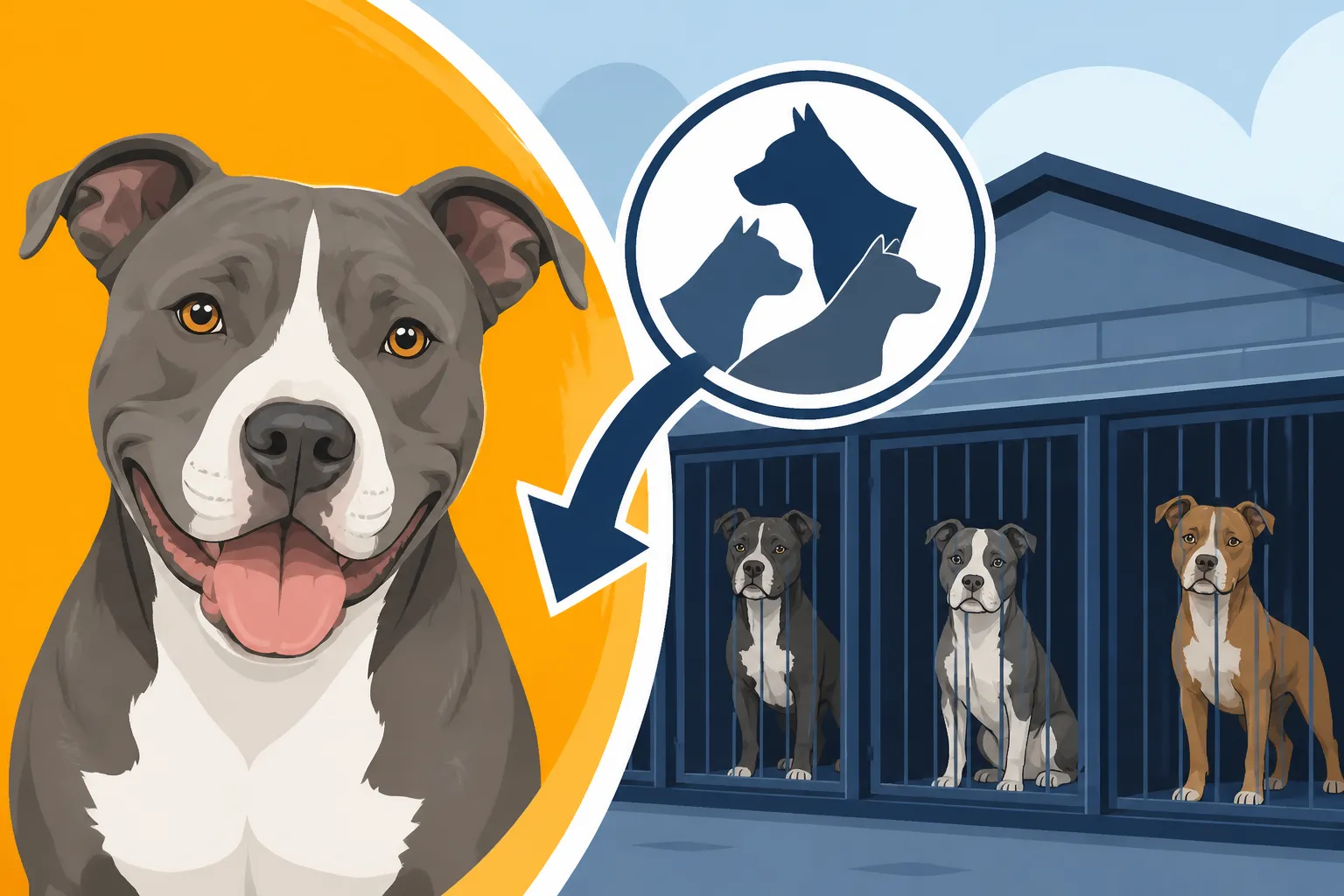
Anyone who has spent time volunteering, fostering, or simply visiting animal shelters knows that dogs identified as Pit Bull types make up a significant portion of the population. It's not just a feeling; statistics often back it up, showing that these dogs are consistently among the most common residents in shelters across the country. This overrepresentation isn't a simple issue; it's a complex tapestry woven from breed perception, identification challenges, societal biases, and the unfortunate realities of pet ownership.
Why "Pit Bull" is a Label, Not Always a Breed
One of the biggest hurdles in understanding the true numbers of Pit Bull type dogs in shelters is the very definition of "Pit Bull." As many of us know, "Pit Bull" isn't a single, universally recognized breed. Instead, it's an umbrella term that typically refers to several breeds, including the American Pit Bull Terrier, the American Staffordshire Terrier, and sometimes even the Staffordshire Bull Terrier or American Bulldog. Often, mixed-breed dogs with similar physical characteristics are also swept under this broad label, regardless of their actual genetic makeup.
This makes accurate tracking incredibly difficult because shelters themselves often rely on visual identification rather than genetic testing. A dog that looks like a Pit Bull may be labeled as such, even if its DNA panel reveals a mix of several different breeds. This fluid definition means that the numbers reported for "Pit Bulls" in shelters are often estimates based on appearance, contributing to the perception of their sheer volume. It also highlights why understanding Why Pit Bull Is a Type and Not a Breed is so crucial in these discussions.
The Visual Identification Challenge
The problem of visual identification goes deeper than just defining a "Pit Bull." Studies have shown that even experienced shelter staff and veterinarians can struggle to accurately identify a dog's breed based solely on appearance. It's easy to look at a muscular dog with a broad head and assume it's a Pit Bull, but that assumption often overlooks the intricate genetic heritage that could include Boxers, Labs, or even other terrier types. This is a critical point when discussing How Shelters Decide a Dog Is a Pit Bull.
This challenge means that the data collected by shelters, while useful for understanding trends, might not always reflect the precise breed composition. The consequence is that many dogs are categorized and treated based on a label that carries significant societal baggage, impacting everything from their potential adoption prospects to the type of care they receive in the shelter. This visual bias can unfortunately perpetuate stereotypes and contribute to the difficulties these dogs face in finding forever homes.
The Staggering Numbers and Their Impact
The sheer volume of Pit Bull type dogs in shelters is undeniable and often overwhelming for shelter staff, volunteers, and potential adopters alike. While exact, real-time figures are hard to pin down due to the aforementioned identification issues, consistent reports from animal welfare organizations paint a clear picture: Pit Bull type dogs account for a disproportionately large percentage of intake, sometimes as high as 30-50% or even more in certain regions. This constant influx has a profound impact on both the dogs themselves and the resources of the shelters struggling to care for them.
Understanding Shelter Intake Statistics
When we talk about intake statistics, we're looking at the number of animals brought into shelters over a specific period. For Pit Bull type dogs, these numbers tend to be consistently high, year after year. This isn't necessarily because more Pit Bull type dogs are being born than other breeds, but rather because they face unique challenges that make them more likely to end up in the shelter system. These challenges can range from breed-specific legislation that impacts housing, to economic hardships faced by owners, to sheer overpopulation in communities.
The high intake numbers strain shelter resources in every imaginable way. More food is needed, more kennel space is occupied, and more medical care is required. It means more staff hours dedicated to cleaning, feeding, and exercising these dogs. Shelters, often operating on tight budgets and with limited space, struggle under this constant pressure. It's a revolving door for many, and the continuous flow makes it incredibly difficult to provide individualized attention to every dog, let alone adequately showcase their unique personalities to potential adopters. This contributes significantly to the overall challenge of Pit Bulls in American Shelters.
The Real-World Consequences for Dogs
For the individual dog, being labeled as a Pit Bull type in a shelter often means a longer wait for a home. They might be passed over by families who are misinformed about their temperament, or by those facing landlord restrictions. Imagine a sweet, goofy dog, eager for affection, sitting in a kennel week after week, watching other dogs get adopted. This prolonged stay in a stressful environment can take a toll, leading to behavioral issues that might not have existed initially, such as kennel stress, anxiety, or frustration.
Sadly, the ultimate consequence for some of these dogs is euthanasia. With limited space and resources, shelters sometimes face agonizing decisions when a dog has been waiting too long, or if its behavior has deteriorated due to the stress of shelter life, making it seem less adoptable. This grim reality is one of the hardest aspects of shelter work and underscores the urgency of addressing the factors contributing to high Pit Bull type populations. It's an unfortunate truth that Euthanasia Rates for Pit Bull Type Dogs are often higher for this group, making the shelter a last resort with potentially dire outcomes.
Factors Contributing to High Pit Bull Shelter Populations
It's easy to point fingers, but the reasons behind the large number of Pit Bull type dogs in shelters are multifaceted and often beyond the control of individual owners or even the dogs themselves. Understanding these contributing factors is the first step toward finding sustainable solutions and reducing the flow of these deserving animals into an already overburdened system.
Breed-Specific Legislation and Housing Restrictions
One of the most significant factors is breed-specific legislation (BSL) and housing restrictions. Despite growing evidence that BSL is ineffective at improving public safety and unfairly targets specific breeds, it persists in many communities. These laws can range from outright bans on owning certain breeds to mandatory muzzling, sterilization, or special permits. When a family moves to a new city or state, they might suddenly find themselves in violation of such a law, leaving them with the agonizing choice of surrendering their beloved pet to a shelter.
Beyond formal legislation, many landlords, homeowners associations (HOAs), and even insurance companies have their own breed restrictions. Finding affordable rental housing that allows Pit Bull type dogs can be an immense challenge, forcing many responsible owners to relinquish their pets when housing options dry up. This is a common and incredibly painful reason for owner surrender, highlighting how deeply Why Housing Rules Send Pit Bulls to Shelters impacts families and dogs alike. The emotional and practical burden of trying to secure housing with a restricted breed is a frustration many owners know all too well.
Owner Surrender and Misinformation
Another primary driver of high shelter populations is owner surrender. This isn't always due to irresponsible ownership; often, it's a desperate choice made by loving families facing insurmountable circumstances. Economic hardship, job loss, health issues, or an inability to find pet-friendly housing are all common reasons. Sometimes, owners simply aren't equipped for the realities of dog ownership, especially with a strong, energetic breed like a Pit Bull type, and the local shelter becomes their only perceived option.
Misinformation also plays a role. Negative stereotypes about Pit Bulls, often fueled by media sensationalism, can lead to fear and prejudice. Some people adopt a Pit Bull type dog with preconceived notions, only to discover their gentle, loving nature is at odds with public perception. Conversely, some might adopt one without truly understanding the exercise needs, training requirements, or potential for dog selectivity these dogs can have, leading to behavioral issues that result in surrender. Education and realistic expectations are vital to prevent these situations, both for the dog and the family.
Overbreeding and Irresponsible Practices
Unfortunately, overbreeding contributes significantly to the problem. While there are many reputable breeders who prioritize health, temperament, and responsible placement for their American Pit Bull Terriers or American Staffordshire Terriers, there are also individuals who breed indiscriminately, often for profit, without proper health screening or consideration for the genetic lines. These puppies are sometimes sold cheaply or given away, increasing the likelihood that they will end up in shelters when their owners are unprepared for the commitment.
Puppy mills and backyard breeders, who prioritize quantity over quality and animal welfare, exacerbate the issue. These operations often produce large numbers of puppies with little regard for their future, flooding the market and contributing to the overpopulation crisis that shelters are left to manage. This not only means more dogs needing homes but also dogs that may come with genetic health issues or behavioral challenges due to poor early socialization, further complicating their path to adoption.
The Journey of a Pit Bull Type Dog in the Shelter System
Once a Pit Bull type dog enters the shelter system, their journey is often more challenging than that of many other breeds. From the moment they arrive, they face assessments, labeling, and the difficult reality of a longer stay, all of which are shaped by the societal perceptions and biases associated with their physical appearance.
Initial Assessment and Labeling
When a dog first arrives at a shelter, whether as a stray or an owner surrender, it undergoes an initial assessment. This includes a health check, a basic temperament evaluation, and often, an attempt to identify its breed. For dogs resembling Pit Bulls, this is where the "Pit Bull" label is typically applied. As we discussed, this is often a visual assessment, which can be inaccurate, but it carries significant weight. This labeling dictates how the dog is categorized in the shelter's system, how it's presented to the public, and even which adoption programs it might be eligible for.
This initial label can be a double-edged sword. On one hand, it allows shelters to track general population trends and advocate for dogs based on their most common appearance. On the other, Why a Pit Bull Label Changes a Shelter Outcome cannot be overstated. It can lead to longer adoption times, as some potential adopters are deterred by the label, or face restrictions from their housing or insurance. The dog's individual personality and actual behavior can sometimes be overshadowed by the broad "Pit Bull" categorization, making it harder for their true nature to shine through.
Longer Stays and Lower Adoption Rates
The statistics are grim but telling: Pit Bull type dogs generally experience longer stays in shelters compared to other breeds. This isn't because they are inherently less adoptable or have worse temperaments; rather, it’s a direct consequence of the biases, breed restrictions, and the sheer volume of these dogs needing homes. A longer stay means increased stress for the dog, greater expense for the shelter, and fewer available spots for other incoming animals.
A dog that stays longer in a kennel environment might develop what's known as "kennelosis" – behavioral changes like excessive barking, jumping, or withdrawal, which can further diminish their chances of adoption. Shelters work tirelessly to combat this with enrichment programs, volunteer walks, and play groups. Still, the reality is that the longer a dog waits, the more difficult it can be for them to transition into a home environment, even for the most patient and understanding adopters. This prolonged waiting period is a major component of Why Shelter Pit Bulls Wait Longer.
What Advocates and Shelters Are Doing to Help
Despite the significant challenges, there's a beacon of hope shining through the tireless efforts of animal welfare advocates, progressive shelters, and dedicated volunteers. Many organizations are actively working to dismantle misconceptions, change policies, and improve outcomes for Pit Bull type dogs.
Breed-Neutral Policies and DNA Testing
A growing number of shelters are adopting breed-neutral identification policies. Instead of labeling dogs as "Pit Bulls," they use terms like "Mixed Breed," "Terrier Mix," or focus on describing the dog's individual traits and personality rather than its perceived breed. This subtle but powerful shift aims to remove the stigma associated with the "Pit Bull" label, encouraging potential adopters to meet the dog without preconceived notions. The data is promising: shelters that implement breed-neutral labeling often see an increase in adoption rates for these dogs. This is a testament to the positive impact of What Happens When Shelters Drop the Pit Bull Label.
Furthermore, some shelters are utilizing DNA testing to get a more accurate picture of a dog's genetic makeup. While it can be costly for every dog, targeted DNA testing, especially for dogs that are struggling to get adopted or for those whose appearance is causing concern, can be a valuable tool. Knowing that a "Pit Bull" is actually a blend of Lab, Boxer, and German Shepherd can sometimes shift perception and even open doors to housing or insurance that previously had breed restrictions. Understanding The DNA Panel Worth Running on a Rescue Pit Bull can empower both shelters and adopters with factual information.
Community Support and Education
Another vital aspect of advocacy is community support and education. Animal welfare groups and dedicated Pit Bull rescue organizations work tirelessly to educate the public about the true temperament of these dogs, emphasizing responsible ownership, the importance of training, and proper socialization. They host events, share success stories, and provide resources to current and prospective owners, aiming to counter negative stereotypes with real-life examples of loving, well-behaved Pit Bull type dogs.
These efforts extend to working with communities to challenge breed-specific legislation, advocate for breed-neutral housing policies, and promote responsible pet ownership practices, including spay/neuter initiatives. By fostering a more informed and accepting public, advocates hope to reduce the reasons why these dogs end up in shelters in the first place, and to increase their chances of being adopted once they are there. Many local groups partner with pet supply retailers like Chewy to gather donations for fostering supplies, food, and enrichment items that help keep shelter dogs happy and healthy.
How You Can Make a Difference for Shelter Pit Bulls
Feeling overwhelmed by the numbers is understandable, but the good news is that you have the power to make a tangible difference in the lives of Pit Bull type dogs in your local shelter and beyond. Every action, big or small, contributes to improving their chances and changing the narrative.
Adoption, Fostering, and Volunteering
The most direct way to help is by opening your home, either permanently or temporarily. Adopting a Pit Bull type dog from a shelter not only gives that dog a loving home but also frees up valuable kennel space for another dog in need. Before adopting, ensure your lifestyle, living situation, and local regulations are compatible with owning such a dog. Consider checking out Pit Bull Adoption Fees at a Shelter to understand the costs involved, which are often quite reasonable and cover vaccinations and spay/neuter.
If adoption isn't an option right now, fostering is a lifeline for shelters. Foster homes provide a temporary safe haven, allowing dogs to decompress from the stress of the shelter environment, learn house manners, and showcase their true personalities. This vital program also allows shelters to assess What a Shelter Assesses in a Pit Bull in a home setting. Many shelters provide all necessary supplies, often sourced from generous donations or through partnerships with retailers like Chewy, making it easier for foster parents to say yes. Learn more about Foster Programs for Shelter Pit Bulls if you have space in your home and heart.
Volunteering your time at a local shelter is another invaluable contribution. Walking dogs, playing with them, helping with cleaning, or assisting with adoption events can make a world of difference. Your presence can provide much-needed human interaction and exercise for dogs awaiting their forever homes, helping to keep them happy, socialized, and more adoptable.
Spay/Neuter and Responsible Ownership
One of the foundational solutions to pet overpopulation, including that of Pit Bull types, is widespread spay and neuter. By preventing unplanned litters, we can dramatically reduce the number of dogs entering shelters. Many communities offer low-cost spay/neuter programs to make this essential procedure accessible to all pet owners.
Beyond spay/neuter, responsible ownership encompasses a range of practices that benefit both your dog and the wider community. This includes providing consistent training and socialization from a young age, ensuring your dog is microchipped and licensed, and being a good neighbor by adhering to leash laws and proper waste disposal. It also means advocating for your dog in the face of breed bias, educating others, and actively promoting a positive image of Pit Bull type dogs. Being a responsible owner helps challenge the misconceptions that unfortunately lead to so many of these wonderful dogs ending up in shelters. Make sure to stock up on quality food and supplies from reliable sources, whether it's your local pet store or a major online retailer like Chewy.
| Factor Contributing to High Shelter Numbers | Impact on Pit Bull Type Dogs in Shelters | How to Mitigate |
|---|---|---|
| Breed-Specific Legislation (BSL) | Forced owner surrender; limited rehoming options; extended shelter stays. | Advocate against BSL; support breed-neutral legislation; educate policymakers and the public on responsible ownership rather than breed bans. |
| Housing/Insurance Restrictions | Owners unable to find housing/insurance, leading to surrender; limits adoption pool. | Work with landlords/HOAs for breed-neutral policies; research pet-friendly housing; offer references for well-behaved dogs; promote Whether a CGC Title Helps a Pit Bull Policy with training records. |
| Owner Surrender (Economic/Behavioral) | Dogs lose homes; stress and behavioral regression in shelter; competition for limited space. | Support community pet retention programs; offer training resources; promote spay/neuter; foster or volunteer to provide temporary homes. |
| Visual Misidentification | Dogs labeled "Pit Bull" unfairly; face stigma regardless of actual breed mix; impacts adoption prospects. | Shelters adopt breed-neutral language; utilize DNA testing for clarity; focus on individual dog's temperament and behavior in profiles. |
| Overbreeding/Irresponsible Breeding | High numbers of dogs, often with health/behavioral issues, entering shelters. | Support ethical, reputable breeders; spay/neuter your pets; do not buy from backyard breeders or puppy mills. |
| Public Misconceptions/Fear | Reduced adoption interest; perpetuates negative stereotypes; affects community acceptance. | Educate friends, family, and community; share positive Pit Bull stories; demonstrate responsible ownership; support advocacy groups. |
Disclaimer
This article is for general informational purposes only and does not constitute professional advice. Laws, prices and regulations vary by location and change over time. Consult a qualified professional for guidance on your specific situation.