Pit Bull Adoption Fees at a Shelter
Bringing a Pit Bull into your life is an incredible journey filled with loyalty and love, but for many folks, the first hurdle can be figuring out the financial side, especially when it comes to adoption fees at shelters. It's easy to feel overwhelmed by the unknowns of what you'll pay and what that money actually covers. This comprehensive guide will walk you through everything you need to know about Pit Bull adoption fees, helping you understand the costs involved and preparing you for a smooth adoption experience.
The Reality of Shelter Adoption Costs
It’s a common misconception that adopting a dog from a shelter is always dirt cheap, or even free. While many shelters do incredible work to keep costs accessible, the truth is that a significant amount of preparation, medical care, and effort goes into getting a dog ready for its forever home. That adoption fee you pay isn't just a random number; it's a vital contribution to the very organization that saved and cared for your future family member. Think of it as investing in a healthy, well-cared-for pet and supporting the tireless work of shelter staff.
For those considering a Pit Bull, it's particularly important to understand these costs. Pit Bulls often spend longer in shelters, and the resources invested in their care, from medical treatments to behavioral support, can be substantial. These fees help ensure that the shelter can continue its mission, rescuing other dogs in need and providing them with the same high standard of care your new Pit Bull received.
What "Adoption Fee" Actually Covers
When you pay an adoption fee for a Pit Bull, you're not just buying a dog. You're covering a whole host of services and initial medical care that would otherwise be a much larger out-of-pocket expense if you acquired a pet elsewhere. Shelters are usually upfront about what's included, and it’s genuinely impressive how much value you get for that fee. It’s far more than just taking home a new companion; you’re benefitting from a comprehensive package of care.
Typically, an adoption fee covers vital services such as spaying or neutering, which is a significant veterinary expense on its own. It also includes initial vaccinations, often covering core vaccines like distemper, adenovirus, parvovirus, and rabies. Many shelters also provide microchipping, which is crucial for identification if your dog ever gets lost. Furthermore, your new Pit Bull will usually have been dewormed and treated for common parasites like fleas and ticks. Some shelters even include a starter bag of food, a leash, collar, and initial vet visit vouchers. When you factor in the sheer amount of care, medical attention, and administrative work involved, the adoption fee often seems remarkably modest. For example, understanding the importance of things like Pit Bull Puppy Vaccination and Parvovirus really highlights the value of these pre-paid services.
Why Fees Aren't Universal
It can be confusing when you see different shelters, even in the same city, charging varying adoption fees. There's no single set price because each shelter operates under different financial constraints, receives varying levels of public funding or donations, and provides slightly different services. A smaller, privately funded rescue might have higher fees to cover its operating costs, whereas a larger municipal shelter might benefit from local government support, allowing for lower fees.
The specific care a particular dog required can also influence the fee. A dog that needed extensive medical treatment for an injury, or underwent a lengthy rehabilitation program for behavioral issues, might have a slightly higher fee to help recoup some of those specialized costs. However, shelters are generally transparent about their fee structures and are happy to explain what your contribution supports. It's never about making a profit; it's always about sustaining their life-saving work. These differences also highlight why it's a good idea to research multiple local shelters or rescues like those found in Los Angeles such as the Lange Foundation or Animal Hope and Wellness Foundation, to understand their individual policies and what they offer.
Understanding Pit Bull Specific Costs
Pit Bulls, being a broad "type" of dog rather than a single breed, often face unique challenges in shelters, which can subtly influence their adoption journey and the associated costs. Their strong build, active nature, and sometimes unfortunately, their public perception, mean shelters often invest extra time and resources into ensuring they are well-socialized and healthy before finding their forever homes. This dedication ensures that when you adopt a Pit Bull, you're bringing home a pet that has received a good foundation of care and assessment.
Factors Influencing Pit Bull Adoption Fees
Several specific factors can play a role in how much you might pay to adopt a Pit Bull. First and foremost is the age of the dog. Puppies, especially young Pit Bull puppies, are often in high demand and typically have the highest adoption fees. This is partly due to the extensive medical care they receive (multiple rounds of vaccinations, deworming, spay/neuter surgery as they reach appropriate age) and the higher administrative effort involved in processing puppy applications. They also require a significant investment in socialization during their critical early weeks, which shelters provide.
Conversely, older Pit Bulls or those labeled as "senior" dogs often have reduced or waived fees. While a senior Pit Bull might have a slightly shorter remaining lifespan, they often come with established manners, a calmer demeanor, and a profound gratitude for a loving home in their golden years. Dogs with special needs, chronic medical conditions, or those who have been long-term residents at the shelter might also qualify for reduced fees as shelters prioritize finding them homes. For instance, a Pit Bull with a history of Pit Bull Skin Allergies and the Atopy Pattern might be offered at a lower fee, though it's important to remember that such conditions often entail ongoing treatment costs.
Here's a quick look at how age often dictates adoption fees:
| Age Category | Typical Fee Range (USD) | Common Services Included | Demand Level |
|---|---|---|---|
| Puppies (0-6 months) | $300 – $600 | Spay/Neuter, Multiple Vaccinations, Microchip, Deworming, Initial Vet Check | High |
| Young Adults (6 months – 2 years) | $200 – $400 | Spay/Neuter, Core Vaccinations, Microchip, Deworming, Initial Vet Check | Moderate to High |
| Adults (2-7 years) | $150 – $300 | Spay/Neuter, Core Vaccinations, Microchip, Deworming, Initial Vet Check, Behavior Assessment | Moderate |
| Seniors (7+ years) | $50 – $150 (often waived) | Spay/Neuter, Core Vaccinations, Microchip, Deworming, Initial Vet Check, Behavior Assessment, Sometimes Senior Wellness Bloodwork | Low to Moderate |
Please note: These ranges are estimates and can vary significantly by location and specific shelter policies.
Geographic Differences and Shelter Policies
Just like the cost of living varies from city to city, so do adoption fees. A shelter in a high-cost-of-living area like New York City or San Francisco might have higher fees simply because their operational expenses (rent, utilities, staff salaries) are greater. On the flip side, shelters in more rural or less expensive regions might be able to offer lower fees. It really pays to look at shelters within a reasonable driving distance, even if it means crossing county or state lines, as policies can differ quite a bit.
Shelter policies also play a huge role. Some shelters, particularly those that are part of larger humane societies, might have standardized fees across all their locations. Others, especially smaller, independent rescues, set their fees based on their unique fundraising models and the specific needs of the animals in their care. It’s not uncommon to find a Pit Bull in one city with a $250 fee, while a similar dog in a neighboring county might be $175. This is why when people ask about Pit Bull Adoption Fees at a City Pound, the answer is rarely a simple, universal number. It truly depends on the specific institution and its location.
Navigating the Adoption Process and Hidden Expenses
Okay, so you've done your research, found a Pit Bull you're interested in, and you're ready to fill out that application. That's fantastic! But it's important to remember that the adoption fee is just one piece of the financial puzzle. There are other costs, some immediate and some ongoing, that you'll need to factor into your budget to ensure your new companion has everything they need for a happy, healthy life. It’s all part of embracing the full commitment of responsible pet ownership.
The Application and Interview Process
Before you even get to pay an adoption fee, most reputable shelters have an application and interview process designed to ensure you and the Pit Bull are a good match. This isn't meant to be intimidating; it's genuinely about finding the best possible home for their animals. The application typically asks about your living situation (do you rent or own? are there breed restrictions?), your experience with dogs, your work schedule, and other pets or children in the household. Some shelters might even require a home visit, either virtually or in person, to assess the environment.
During the interview, staff will likely discuss the Pit Bull's known temperament, energy levels, and any specific needs it might have. They want to make sure you're prepared for the realities of living with a Pit Bull, including their strength, need for consistent training, and sometimes their dog-selectivity. This process helps prevent dogs from being returned to the shelter, which is a stressful experience for everyone involved. While there's no direct financial cost associated with the application itself, it does require an investment of your time and honesty. Be prepared to talk about how you'd handle things like Pit Bull Leash Manners and Physical Strength or whether your housing situation allows a Pit Bull.
Initial Setup Costs Beyond the Fee
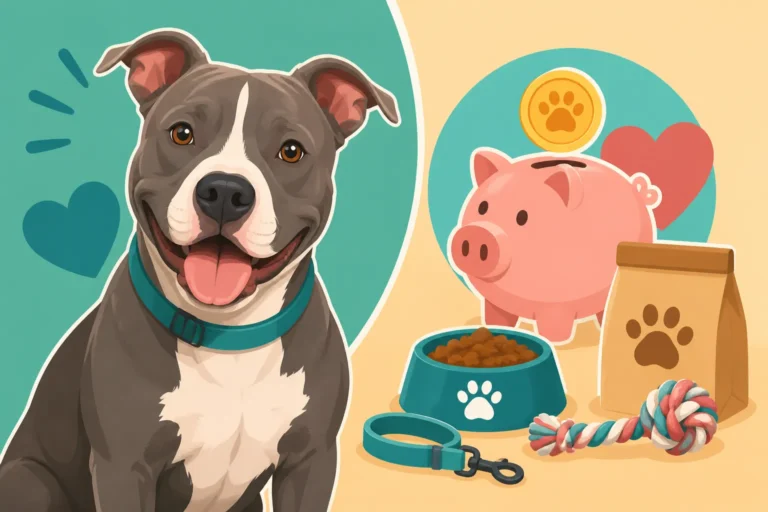
Once your application is approved and you're bringing your Pit Bull home, get ready for a shopping trip! The immediate expenses beyond the adoption fee can add up quickly. First, you'll need essentials like a sturdy leash and collar or a harness. Given a Pit Bull's strength, investing in good quality, durable gear is a must. Many people find harnesses from brands like Ruffwear or Front Range to be excellent for comfortable, controlled walks. Then there's food: even if the shelter sends you home with a small bag, you'll need to buy a full supply. Remember that Pit Bulls thrive on high-quality nutrition to maintain their muscle and energy, so choosing a good brand is important. Some owners opt for fresh food delivery services like Ollie, which can be tailored to your dog's specific needs, though this can be a higher upfront cost.
Don't forget food and water bowls, a comfortable bed (preferably one that can withstand some enthusiastic nesting or chewing, as Pit Bull Chewing and Destructive Behavior can be a real thing), and a crate if you plan on crate training. Toys, especially durable ones designed for strong chewers, are also essential for mental stimulation and preventing boredom. The total for these initial items can easily run a few hundred dollars, depending on your choices. It's truly a significant part of The First Month Cost of a Pit Bull.
Potential Health Costs Shortly After Adoption
Even though shelters provide initial medical care, it's wise to budget for a vet visit shortly after bringing your Pit Bull home. This allows your personal veterinarian to establish a baseline, identify any potential underlying issues the shelter might not have caught, and discuss ongoing preventative care. Things like Year-Round Parasite Cover for a Pit Bull (heartworm, flea, and tick prevention) are crucial and will be an ongoing cost.
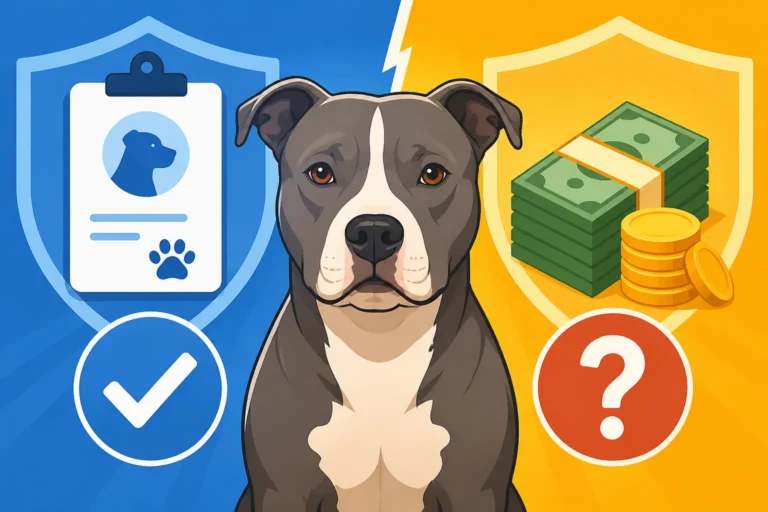
Some Pit Bulls might develop stress-related illnesses after adoption, such as kennel cough or an upset stomach. These usually resolve quickly with vet care but add to your initial expenses. Additionally, if your Pit Bull has any pre-existing conditions that the shelter disclosed, like an old injury or a tendency towards Pit Bull Ear Infections and What Drives Them, you'll need to factor in potential follow-up appointments and medication. This is also an excellent time to consider pet insurance from providers like Healthy Paws, especially for a Pit Bull, as unexpected vet bills for things like injuries or chronic conditions can be substantial. Enrolling your pet early, before any conditions arise, ensures the broadest coverage.
When Adoption Fees Are Waived or Reduced
While standard adoption fees are essential for shelters to continue their vital work, there are often opportunities to adopt a Pit Bull at a reduced cost or even for free. Shelters are always looking for creative ways to get their animals into loving homes, and they understand that financial barriers can sometimes deter potential adopters. These special programs aren't a reflection of the dog's value, but rather a strategic effort to encourage adoptions, particularly for dogs who have been waiting a bit longer.
Special Adoption Events and Promotions
Keep an eye out for special adoption events and promotions hosted by local shelters and rescue groups. Many organizations, especially during peak seasons or national adoption drives, will temporarily reduce or waive adoption fees for all dogs, or specifically for certain categories of dogs, including Pit Bulls. Events like "Clear the Shelters" or "Empty the Shelters" days are fantastic opportunities where fees are often significantly cut or completely eliminated, thanks to sponsorships from larger organizations or generous donors.
These events are usually well-advertised on shelter websites, social media channels, and local news outlets. It’s worth following your local humane society or Pit Bull-specific rescues online to stay informed. Sometimes, these promotions are for a limited time, or tied to a specific holiday, making it a perfect window to find your new best friend without the financial strain of a full adoption fee. It's a win-win: the shelter gets more dogs into homes, and you get to welcome a Pit Bull into your family while saving some money for those initial setup costs.
Senior Pets, Long-Term Residents, or Special Needs
As mentioned earlier, Pit Bulls who fall into certain categories are frequently eligible for reduced or waived adoption fees. Senior Pit Bulls (often aged 7 years and older) are among the most overlooked animals in shelters, despite often being wonderfully calm, house-trained, and profoundly loving companions. Shelters understand that older dogs might have a shorter lifespan with their new families and could incur more age-related medical expenses down the line, so they waive fees to encourage their adoption. Caring for a Pit Bull in Its Second Decade can be incredibly rewarding.
Similarly, Pit Bulls who have been long-term residents, sometimes for months or even years, often qualify for fee reductions. These dogs have spent a significant portion of their lives waiting, and shelters are desperate to see them finally find a home. Dogs with special needs, whether behavioral (like needing a quiet home without other pets) or medical (such as managing diabetes or needing ongoing medication for allergies), are also strong candidates for reduced fees. While the reduced fee helps, it's critical to be prepared for the commitment these dogs require. For example, a Pit Bull with specific dietary needs might require special food from Chewy, or a prescription diet, which will be an ongoing expense. Despite the challenges, adopting a special needs Pit Bull can be incredibly fulfilling, offering a dog a chance at a comfortable life they might not otherwise have.
The Value Beyond the Dollar Amount
When you adopt a Pit Bull from a shelter, the transaction is so much more than a simple exchange of money for a pet. It's an investment, a commitment, and a profound act of compassion. The financial outlay, whether it's a full fee or a reduced one, is dwarfed by the immense value you receive in return: unconditional love, companionship, and the joy of saving a life. Beyond that, your contribution directly fuels the vital mission of animal welfare organizations.
The True Cost of Responsible Ownership
Thinking about the adoption fee in isolation is a mistake, because responsible Pit Bull ownership extends far beyond that initial payment. You're signing up for a lifetime of care, which includes high-quality food (whether it's premium kibble, fresh food from Ollie, or a prescription diet), regular vet check-ups, Pit Bull Dental Cleaning Schedule, and preventative medications for parasites. Then there's the ongoing training, which is crucial for a powerful, intelligent breed type like the Pit Bull. Attending obedience classes or hiring a professional trainer ensures your Pit Bull is a well-mannered member of the community, which is incredibly important for their public perception.
Factor in unexpected medical emergencies, which can happen to any dog, regardless of breed. This is where comprehensive pet insurance, like policies from Healthy Paws, can be a literal lifesaver, helping to mitigate the financial shock of a sudden illness or injury. Consider also the cost of durable toys, comfortable bedding, grooming supplies, and potentially boarding or pet-sitting services. When you add all this up, What One Pit Bull Costs From Eight Weeks On becomes a significant, ongoing commitment. However, every penny spent is an investment in the health, happiness, and well-being of your beloved companion, making every moment with them truly priceless.
Supporting Shelter Operations and Future Pups
Every single dollar of an adoption fee, whether it's from a city pound or a private rescue, goes directly back into the shelter's operations. This isn't profit-driven; it's survival. Your fee helps cover the costs of housing, feeding, and providing medical care for hundreds, sometimes thousands, of animals each year. It pays for the staff who clean kennels, feed dogs, administer medications, and tirelessly work to match pets with families. It funds essential programs like spay/neuter initiatives, community outreach, and behavior modification for dogs who need extra help.
By paying an adoption fee, you are not only gaining a wonderful companion but also becoming a vital part of the solution to pet overpopulation and homelessness. You are enabling the shelter to continue rescuing, rehabilitating, and rehoming other Pit Bulls and dogs in need. It's a cycle of compassion: your contribution helps the next dog get its chance at a loving home. The impact of your adoption fee extends far beyond the moment you take your Pit Bull home; it resonates through the entire shelter community, providing hope and resources for countless animals yet to come through their doors.
Disclaimer
The information provided in this article is for general informational purposes only and does not constitute professional veterinary or financial advice. Always consult with a qualified veterinarian for any health concerns regarding your pet and with a financial advisor for specific budgeting or insurance questions. Adoption fees and policies vary by organization and location and are subject to change.