Blue Nose Pit Bulls and What the Term Means
The term "Blue Nose Pit Bull" sparks a lot of curiosity and, honestly, a fair bit of confusion among dog lovers. Many people hear it and picture a distinct, rare breed with special traits, when in reality, it's a descriptive term for a specific coloration that can appear in several "Pit Bull type" dogs. If you've been wondering what makes a Pit Bull a "blue nose" or if they're truly different from their counterparts, this guide will clear up the mystery and provide a grounded understanding of what this striking appearance truly means for these amazing dogs.
What Exactly Is a "Blue Nose Pit Bull"?
When someone talks about a "Blue Nose Pit Bull," they're not referring to a separate breed of dog. This is one of the biggest misconceptions out there, and it’s totally understandable why people get it wrong. It sounds like a specific lineage, doesn't it? But really, the "blue nose" label is all about the color of a dog's nose, coat, and sometimes even their eyes, stemming from a particular genetic trait. It’s a cosmetic description, much like saying "brindle Pit Bull" or "red-nosed Pit Bull."
It's All About Pigmentation, Not a Separate Breed
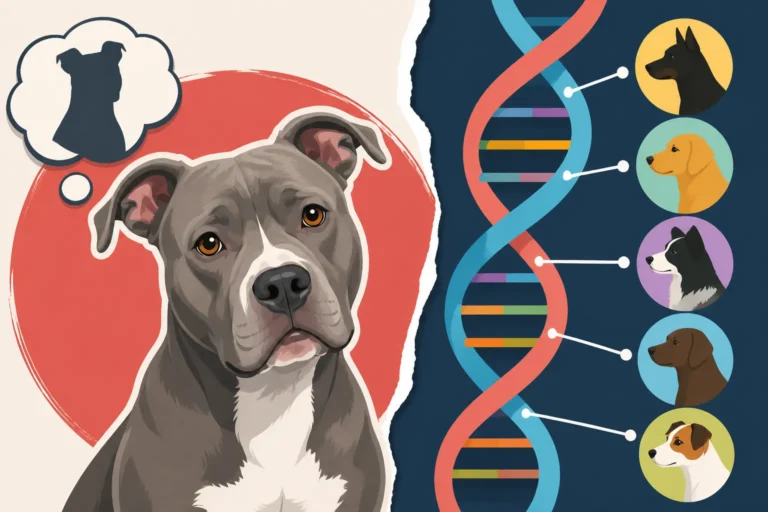
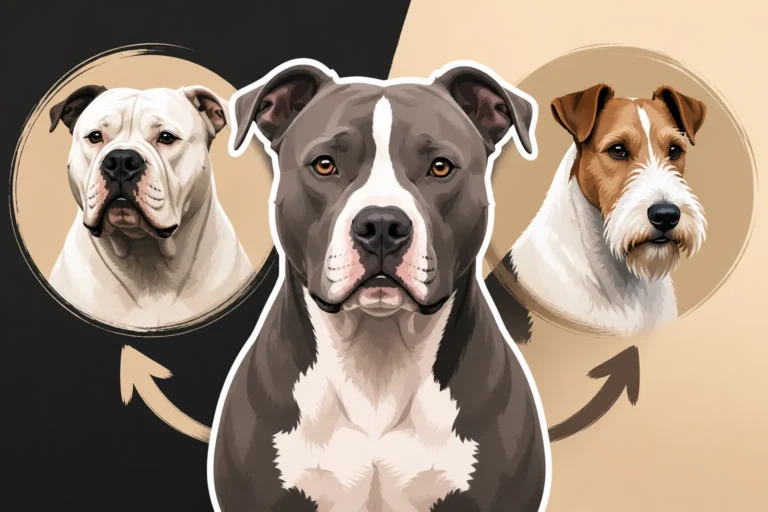
At its core, a blue nose is a result of a genetic dilution of the black pigment. Think of it like taking a vibrant black and softening it down to a charcoal gray, or a deep slate blue. This dilution affects all areas of the dog that would normally be black, turning them into a shade of blue or gray. This includes the skin on their nose, their paw pads, their eye rims, and their coat. So, a "Blue Nose Pit Bull" is simply a Pit Bull type dog—such as an American Pit Bull Terrier, an American Staffordshire Terrier, or even a Staffordshire Bull Terrier—that carries two copies of the recessive dilution gene, resulting in this distinctive blue-gray pigment.
It’s important to remember that the term "Pit Bull" itself is more of a general classification or "type" of dog, rather than a single, officially recognized breed by all kennel clubs. We've explored this in more detail in Why Pit Bull Is a Type and Not a Breed and The Three Breeds People Call Pit Bulls. Any of these breeds, or even mixes thereof, can potentially carry the gene responsible for the blue coloration. The dog's underlying breed doesn't change; only its color presentation does.
The Distinctive Appearance Beyond Just the Nose
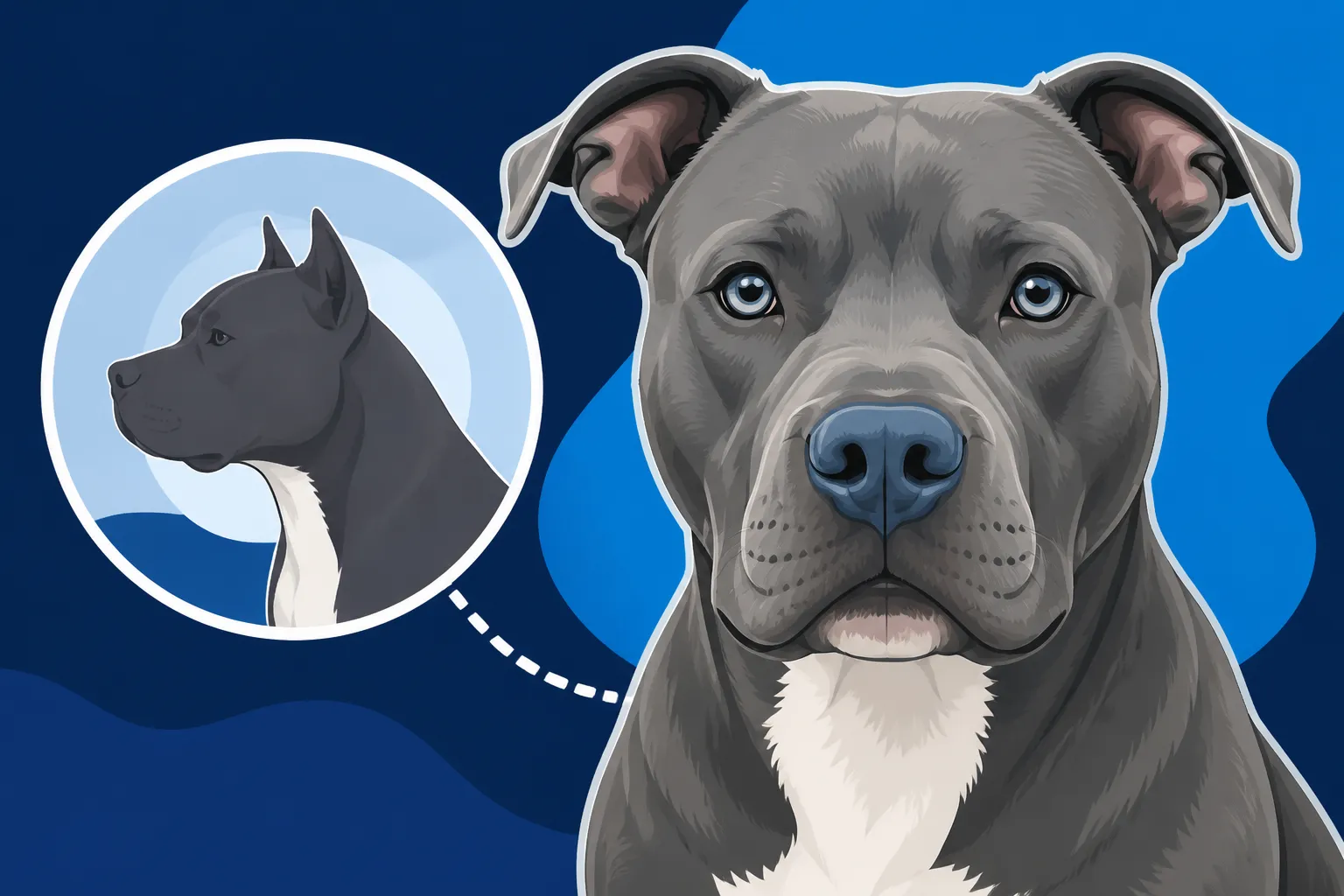
While the nose is the namesake feature, the blue coloration extends beyond just that little wet sniffer. A true "Blue Nose Pit Bull" will exhibit a uniform dilute black pigment across its entire body. Their coat will typically be a shade of gray, ranging from a light silver to a deep slate blue. It’s quite striking and definitely eye-catching! This uniform dilution also affects their paw pads, which will often be a matching blue-gray rather than black. Even their eyes can sometimes have a lighter hue, appearing amber or light brown, especially in puppyhood, though they usually darken with age.
The intensity of this "blue" can vary quite a bit from dog to dog. Some might be a very pale, almost silvery gray, while others will have a much darker, richer slate blue. It's all within the spectrum of the same genetic dilution. This unique appearance is what makes them so sought after by some, leading to certain market trends we'll discuss later. But visually, it's a beautiful trait that stands out in a crowd, and certainly adds to the charm of these already magnificent dogs.
The Science Behind the Blue Pigmentation
Understanding the genetics behind the blue nose isn't just for science buffs; it actually helps demystify the entire concept and clears up a lot of misconceptions. It’s all rooted in how genes control a dog's coat and skin color.
Understanding the Dilution Gene (d/d)
The blue coloration in dogs, including Pit Bull types, is caused by a recessive gene known as the dilution gene. In genetics, genes come in pairs, and for a dog to exhibit the diluted color (like blue), it must inherit two copies of this recessive gene—one from each parent. We often refer to this genetic combination as "d/d."
Here’s a simplified breakdown:
- D/D: The dog does not carry the dilution gene and will have normal, full-pigment black or brown coloring.
- D/d: The dog carries one copy of the dilution gene but still has normal, full-pigment coloring because the "D" (non-diluted) gene is dominant. This dog is a "carrier" and can pass the "d" gene to its offspring.
- d/d: The dog has two copies of the dilution gene and will display the diluted color, which is "blue" (a dilute black) or "lilac" (a dilute brown, sometimes called fawn).
So, when you see a "Blue Nose Pit Bull," you're looking at a dog that inherited two "d" alleles. Both parents, even if they aren't blue themselves, must have carried at least one "d" gene (meaning they were D/d or d/d). This is why a non-blue dog can produce blue puppies, adding to the intrigue, and sometimes, the misunderstanding.
Debunking Common Myths About Blue Noses
Because of their unique look, a lot of myths have popped up around "Blue Nose Pit Bulls." The most pervasive one is that they are "rare" or "superior" to other Pit Bull types. This simply isn't true. While the d/d gene might not be as common as D/D, it's certainly not rare in the Pit Bull population, and there's nothing inherently superior about a dog with this pigment. Their intelligence, strength, loyalty, and overall character are entirely independent of their nose color.
Another myth sometimes associated with dilute colors in other breeds is that they are automatically prone to more health issues, specifically skin problems like Color Dilution Alopecia (CDA). While CDA can occur in some dilute-colored dogs, it's not a given for all blue-colored Pit Bulls and shouldn't be generalized. Most blue-nosed Pit Bulls are perfectly healthy. Any health concerns, like Pit Bull Skin Allergies and the Atopy Pattern or Pit Bull Hip Dysplasia Showing at One to Two Years, are generally related to the breed's overall genetic predisposition and individual health, not specifically to the blue pigment itself. It’s always crucial to look at the health history of the specific dog and its lineage, not just its color.
The blue pigment doesn't make them "purebred" either. As we've established, several breeds can carry this gene. Focus on reputable breeders who prioritize health and temperament, regardless of coat color.
Blue Nose Pit Bulls in the Real World
Beyond the genetics and appearance, it's worth exploring how "Blue Nose Pit Bulls" are perceived and what that means for owners in the everyday world.
No Official Breed Status, Just a Descriptive Term
Here's the definitive truth: no major kennel club, like the United Kennel Club (UKC) which recognizes the American Pit Bull Terrier, or the American Kennel Club (AKC) which recognizes the American Staffordshire Terrier, lists "Blue Nose Pit Bull" as a distinct breed. The UKC's standard for The American Pit Bull Terrier as the UKC Defines It makes no special mention or distinction for nose color when it comes to breed classification. It’s purely a descriptive term that has gained popularity.
This means that while a "Blue Nose Pit Bull" might fetch a higher price from less scrupulous breeders who market them as "rare," this premium is based on aesthetics and market demand, not on any special pedigree or official recognition. When you fill out paperwork for your dog, you'll list their actual breed (e.g., American Pit Bull Terrier), not "Blue Nose Pit Bull." This distinction is really important, especially if you're ever dealing with breed-specific legislation or insurance companies that have restrictions on certain "Pit Bull types."
Temperament and Health: Beyond the Color
Let's be absolutely clear: a dog's nose color has zero bearing on its personality, intelligence, trainability, or overall disposition. A "Blue Nose Pit Bull" is just as likely to be a goofy, loving, energetic, and loyal companion as any other color of Pit Bull type dog. Their temperament is shaped by their individual genetics, early socialization, and consistent training, not by a diluted pigment gene. Understanding Pit Bull Temperament and What Testing Shows will give you a much better insight into the potential personality of these dogs than any color ever could.
Similarly, general health concerns common to Pit Bull types, such as joint issues or certain cardiac conditions, are not linked to the blue nose trait itself. Whether your Pit Bull has a red nose, black nose, or blue nose, it's crucial to be aware of the breed's common health challenges. A responsible owner will always prioritize regular veterinary check-ups, a balanced diet, and appropriate exercise for their dog, regardless of its appearance. Information on topics like Pit Bull Joint and Ligament Injuries or Pit Bull Heart and Thyroid Conditions applies to all Pit Bull types equally. You can find excellent food and supplies for all your Pit Bull's needs at places like Chewy.
| Feature | Common Misconception About "Blue Nose Pit Bulls" | Reality |
|---|---|---|
| Breed Status | It's a separate, distinct breed. | It's a descriptive term for a color, not a breed. |
| Rarity | They are extremely rare. | The dilution gene is present, but not exceptionally rare. |
| Superiority | They are superior in health or temperament. | Color has no bearing on health, temperament, or intelligence. |
| Health | They are inherently prone to more health problems. | Health is tied to overall genetics and care, not specifically color. |
| Price | Their high price reflects their rarity and value. | High prices often reflect marketing, not intrinsic worth. |
Important Considerations for Future "Blue Nose" Owners
If you're drawn to the striking looks of a "Blue Nose Pit Bull" and are considering bringing one into your home, that’s fantastic! They are truly beautiful dogs. However, it's vital to approach this decision with a clear understanding and prioritize the right things.
Prioritizing Health and Temperament Over Color
When looking for any dog, especially a Pit Bull type, your primary focus should always be on health, temperament, and responsible breeding practices, not on a specific cosmetic trait like nose color. A dog's health will dictate its quality of life, and its temperament will determine its suitability as a family member. Asking a breeder about What a Pit Bull Health History Should Cover is far more important than asking about nose color.
A healthy puppy comes from parents who have undergone appropriate health screenings for common issues in Pit Bulls, such as hip and elbow dysplasia. A well-socialized puppy comes from parents with sound temperaments and has been exposed to various sights, sounds, and experiences in its early weeks. These factors contribute to a happy, well-adjusted dog, far more than the shade of its nose. Don't be swayed by marketing claims that suggest a blue nose automatically means a better dog. A dog's character is built on far more substantial foundations.
Navigating the Market and Responsible Ownership
Unfortunately, the demand for "Blue Nose Pit Bulls" has led to some less-than-reputable breeding practices. Some breeders will inflate prices significantly, sometimes with minimal health testing or attention to temperament, simply because the dog has this desirable coloration. These high prices, like those discussed in Pit Bull Puppy Prices From a Breeder, are often for appearance only, not for health or quality. Be wary of anyone trying to sell you a "rare" blue nose for an exorbitant fee, especially if they can't provide clear health records for the parents or articulate their breeding philosophy beyond color.
Instead, look for breeders who focus on improving the breed's health and temperament, regardless of color. They will be transparent about genetic testing, have clean facilities, and be eager to answer all your questions about their dogs and practices. Better yet, consider adopting! Many wonderful Pit Bull type dogs with blue noses find themselves in shelters and rescues, waiting for their forever homes. Check out Pit Bulls in American Shelters for more information on finding a deserving companion. Adopting a dog means giving a second chance and often includes initial vaccinations and spay/neuter services in the adoption fee, making it a very economical and heartwarming choice. When you bring your new companion home, whether from a breeder or a rescue, you'll need essential supplies like food, toys, and grooming tools. You can find everything your new Pit Bull needs, from specialized diets to durable chew toys, at reputable online retailers like Chewy. Getting all your supplies in one go helps make the transition smooth for everyone.
Regardless of where your Pit Bull comes from, commit to responsible ownership. This means consistent training, proper socialization, daily exercise, regular vet care, and adherence to local laws and regulations. Whether they have a blue nose, a red nose, or a black nose, all Pit Bull type dogs thrive on love, structure, and positive reinforcement, and they deserve nothing less.
Disclaimer
This article is for general informational purposes only and does not constitute professional advice. Laws, prices and regulations vary by location and change over time. Consult a qualified professional for guidance on your specific situation.