Pit Bulls Working as Therapy Dogs
It's incredibly disheartening when you know your Pit Bull has a heart of gold, a gentle nature, and a calm demeanor, yet the world often sees a dangerous stereotype. Many Pit Bull owners dream of sharing their dog's incredible capacity for comfort and connection, but wonder if their beloved companion could ever truly become a certified therapy dog, given the unfair perceptions. This guide is here to shed light on how Pit Bulls, with the right temperament, training, and a dedicated handler, can absolutely excel in therapy work, making profound positive impacts in people's lives and challenging outdated narratives along the way.
Understanding the Foundation of a Therapy Dog
Before we even get into breeds, it's crucial to understand what qualities truly make a dog suitable for therapy work. It's not about their lineage or appearance; it's about their inherent disposition and how they interact with the world around them.
What Makes a Dog a Good Therapy Candidate?
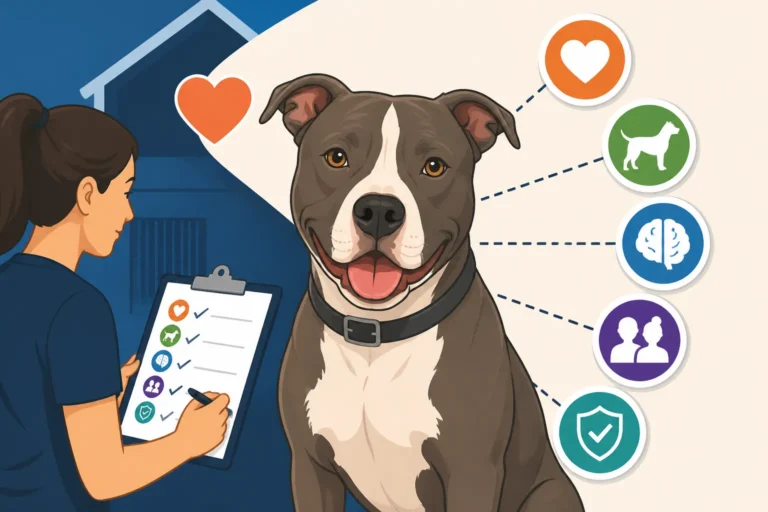
A therapy dog's most important attribute is its temperament. We're looking for a dog that is naturally calm, friendly, and unflappable. Imagine walking into a noisy hospital ward, a bustling school library, or a quiet nursing home filled with new smells and unfamiliar equipment. A good therapy dog takes all of this in stride. They shouldn't be easily startled by sudden movements, loud noises, or even the unusual appearance of someone in a wheelchair or using crutches. Their reaction to strangers, particularly those who might be frail, young, or distressed, needs to be one of gentle curiosity and willingness to engage positively.
Beyond being friendly, a therapy dog must also be patient and tolerant. They might have a child tugging gently on an ear, or an elderly person patting them awkwardly. They need to be comfortable with prolonged petting, sometimes by multiple people at once, and enjoy the interaction rather than just tolerating it. Crucially, they must be responsive to their handler's cues, able to settle on command, and maintain focus even with distractions. These are traits rooted in the individual dog's personality and early experiences, not its breed heritage.
The Pit Bull Stereotype Versus Reality
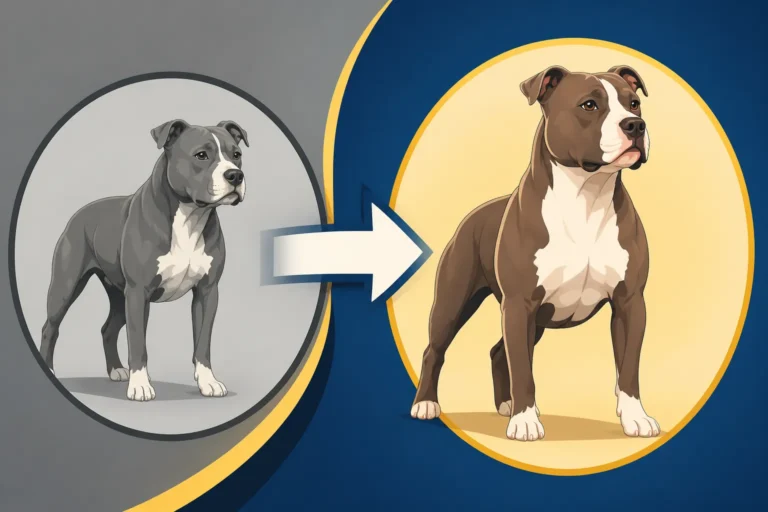
This is where many Pit Bull owners face an uphill battle. The unfortunate reality is that the term "Pit Bull" often conjures up images of aggression or danger for some people, completely overshadowing the loving, stable dogs so many of us know and live with. It’s a frustrating hurdle to overcome, especially when your dog is a sweetheart. However, what some perceive as a negative, can actually be a tremendous asset in therapy work. The breed type's inherent strength, loyalty, and powerful presence, when properly channeled through thoughtful training and socialization, can be incredibly grounding and comforting for those they visit.
Their muscular build and often expressive faces can convey a sense of calm strength and unwavering affection. Many Pit Bulls possess an almost uncanny ability to read human emotions, offering a gentle nudge or a soft lick exactly when it's needed most. These are the same qualities that make them fantastic family pets, devoted companions, and, yes, excellent therapy dogs. The challenge lies in proving this reality to those who hold onto the outdated stereotypes, but a well-behaved, certified Pit Bull therapy dog can be one of the most powerful advocates for the type.
The Journey to Becoming a Certified Therapy Pit Bull
So, you believe your Pit Bull has the right stuff? Great! The next step is to embark on the structured journey of training and certification. This isn't just about good manners; it's about preparing your dog for a specific, demanding role in public settings.
Essential Training and Socialization
The foundation of any successful therapy dog, Pit Bull or otherwise, is solid obedience and extensive socialization. You can't skip corners here. Start with a rigorous basic obedience program, ensuring your dog reliably responds to commands like sit, stay, down, come, and leave it, even in distracting environments. These aren't just tricks; they are vital safety cues that demonstrate your dog's control and your ability to manage them in any situation. Polite greetings, where your dog doesn't jump on people, is also absolutely non-negotiable for therapy work. This often requires Training a Pit Bull to a Higher Standard Than Other Dogs than what might be acceptable for a regular pet.
Beyond basic commands, focus on exposing your Pit Bull to a wide variety of sights, sounds, and people from a young age. This Socializing a Pit Bull Puppy Thoroughly should include different types of flooring, loud noises (like alarms or dropped objects), people using mobility aids (wheelchairs, walkers, crutches), and individuals wearing uniforms or unusual headwear. The goal is to make these experiences feel completely normal, so your dog doesn't react with fear or over-excitement during a therapy visit. Pit Bull Leash Manners and Physical Strength are also critical, as you'll be navigating crowded hallways and tight spaces, requiring your dog to walk calmly by your side without pulling. Consistent positive reinforcement, using high-value treats and praise, is the most effective way to build these behaviors and maintain your Pit Bull's enthusiasm for learning.
Certification Programs and Their Requirements
Once your Pit Bull demonstrates consistent good manners and a bomb-proof temperament, it's time to look into formal certification. This is a non-negotiable step; no reputable facility will allow an uncertified dog to conduct therapy visits. Most therapy dog organizations require dogs to first pass the Canine Good Citizen (CGC) test, which assesses a dog’s basic manners and calm demeanor in a public setting. For a Pit Bull, achieving the Canine Good Citizen and Why It Matters for a Pit Bull certificate is more than just a badge of honor; it's a tangible demonstration to others of their reliable temperament.
After the CGC, you'll work with a recognized therapy dog organization like Alliance of Therapy Dogs (ATD) or Therapy Dogs International (TDI). Their programs typically involve a series of supervised visits with an experienced evaluator. During these evaluations, your dog will be tested on their ability to remain calm and gentle during various scenarios, such as being approached by strangers, interacting with medical equipment, and handling accidental drops or loud noises. The handler is also evaluated on their ability to read their dog's body language and advocate for their comfort. There will likely be a fee for the evaluation and membership, and you'll often need to provide proof of current vaccinations and health clearances. Remember, the standards are high because these dogs are serving vulnerable populations, so Getting a Pit Bull Ready for the CGC is just the first hurdle.
The Impact of Pit Bull Therapy Dogs
Once certified, your Pit Bull is ready to embark on a truly meaningful journey, offering comfort and breaking down barriers wherever they go. The impact they can have is profound, both on the individuals they visit and on the public perception of their type.
Making a Difference in Various Settings
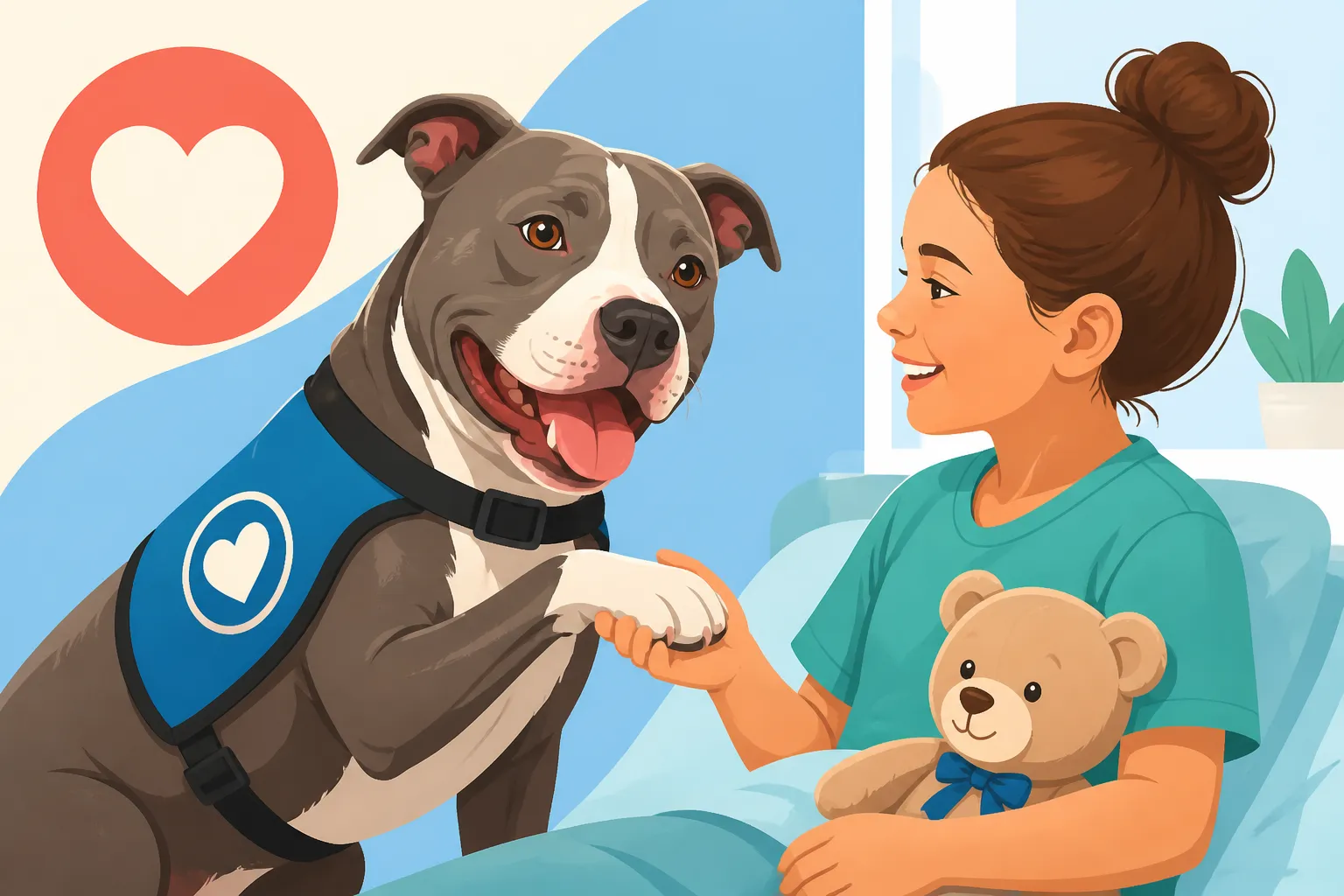
Pit Bull therapy dogs bring a unique blend of warmth and strength to diverse environments. In hospitals and rehabilitation centers, they can be a source of calm and motivation for patients, encouraging movement, reducing anxiety before procedures, and simply providing a comforting presence during long days. Imagine a Pit Bull gently resting its head on a patient’s lap, prompting a smile that hasn't been seen in days. In nursing homes, they often trigger memories and spark conversations among residents, combating loneliness and depression. For children struggling with reading in schools and libraries, a non-judgmental Pit Bull listener can boost confidence and make learning fun.
Beyond the individual interactions, a Pit Bull in a therapy vest, calmly and confidently navigating public spaces, serves as a powerful ambassador for their type. Each successful visit chips away at negative stereotypes, replacing them with firsthand experiences of a gentle, well-behaved dog. This advocacy is invaluable, showing communities that these dogs are individuals, capable of great good, and worthy of love and respect. Their presence can genuinely reduce stress and improve the overall atmosphere of the places they visit, all while silently advocating for their breed type.
Overcoming Breed-Specific Challenges
Let's be real: even with top-notch training and certification, you might still encounter initial apprehension or even outright restrictions when you try to bring your Pit Bull into certain facilities. It's a frustrating reality many Pit Bull owners know all too well. Some hospitals or private facilities might have blanket breed restrictions, or staff might display initial nervousness. This is where your preparedness and professionalism as a handler become paramount. Always have your dog's certification and proof of health records readily available. A smart handler will also carry a concise, positive explanation of their dog's role and training.
Consistent, exemplary behavior from your Pit Bull is your best tool. When staff and visitors see your dog behaving impeccably, being gentle and responsive, the initial apprehension often melts away. It's a chance to educate and demonstrate the true nature of these wonderful dogs. It's also worth researching facilities beforehand; some are more open to Pit Bulls than others. Your goal is to not just have a well-trained dog, but to be a confident and articulate advocate for them. Sometimes, Whether a CGC Title Helps a Pit Bull Policy with insurers or landlords can also open doors in community spaces. When looking for gear or resources, a quick visit to a site like Chewy can help ensure you have everything you need for these visits, from extra strong leashes to easy-clean vests.
Preparing Your Pit Bull for Therapy Work: Practical Steps
Getting your Pit Bull ready for therapy work isn't just about training; it also involves ensuring they are comfortable, healthy, and presentable for every visit. These practical steps ensure success and safety for everyone involved.
Health and Grooming for Public Appearances
A therapy dog must always be in tip-top physical condition and impeccably clean. This means regular veterinary check-ups are essential to ensure they are healthy, up-to-date on all vaccinations, and free from any parasites. No facility wants a dog bringing in fleas or looking unwell. A healthy dog is also a comfortable dog, which means they're more likely to perform well during visits. Discuss with your vet what health screenings might be particularly relevant for a working dog, ensuring they are free from any underlying issues that could cause discomfort or behavioral changes. Don't forget their teeth! A regular Pit Bull Dental Cleaning Schedule is crucial for overall health and fresh breath, especially when they're close to people.
Grooming is equally important. Pit Bulls have short coats, so while they don't require extensive brushing, they should always be clean and smell fresh. A bath a day or two before a visit, making sure they are completely dry, is a good routine. Pay attention to their nails – keep them trimmed short so they don't accidentally scratch anyone, especially the elderly or those with fragile skin. Pit Bull Skin Checks During Weekly Grooming can also catch any irritations or bumps early, keeping your dog comfortable. You might want to pick up a gentle shampoo and conditioner, along with some nail clippers, from Chewy to keep your therapy dog looking and feeling their best.
Essential Gear for Therapy Visits
Having the right equipment not only ensures your Pit Bull's comfort and safety but also clearly communicates their role to the public. First and foremost, a sturdy, comfortable leash and collar or harness are essential. Given the strength of many Pit Bulls, a well-fitting harness that discourages pulling, like a front-clip harness, can be incredibly helpful for maintaining control in busy environments. While some debate Whether a Head Halter Works on a Pit Bull, your primary goal is control and comfort. Look for durable, well-made options that won't chafe or break, available from trusted retailers.
A therapy dog vest or bandana is also critical. These items clearly identify your dog as a working therapy animal, often reducing public apprehension and making your visits smoother. It signals to others that your dog has a specific job and is not just a pet out for a casual stroll. You'll also need to carry supplies for your dog: portable water bowl and water, clean-up bags (always be prepared!), and maybe a favorite, small, non-crumbly treat to reward good behavior. A small pouch for these items, perhaps one that attaches to your belt or the dog’s harness, can be very convenient. Stocking up on these essentials is easy, and a company like Chewy offers a wide array of choices for all your therapy dog needs.
| Therapy Dog Trait | Pit Bull Stereotype | Pit Bull Reality (with training) |
|---|---|---|
| Calm Demeanor | High energy, easily excitable | Patient, serene, composed |
| Friendliness to Strangers | Suspicious, aloof, aggressive | Enthusiastic, gentle, welcoming |
| Tolerance to Handling | Impatient, sensitive | Enjoys petting, resilient to touch |
| Responsiveness to Handler | Stubborn, difficult to train | Eager to please, highly trainable |
| Adaptability | Prone to anxiety in new places | Confident, adjusts to new environments |
| Gentle Interaction | Rough, mouthy | Soft mouth, delicate with people |
Pit Bulls, with their deep loyalty, affectionate nature, and surprising sensitivity, are truly magnificent candidates for therapy work. While the path might require extra dedication to training and a strong resolve to overcome societal prejudices, the reward of seeing your beloved companion bring genuine comfort and joy to those in need is immeasurable. Every successful therapy visit not only enriches the lives of others but also serves as a powerful testament to the true character of this often-misunderstood type, proving that love and kindness know no breed.
Disclaimer
This article is for general informational purposes only and does not constitute professional advice. Laws, prices and regulations vary by location and change over time. Consult a qualified professional for guidance on your specific situation.