Pit Bull Type Dogs in Film and Television
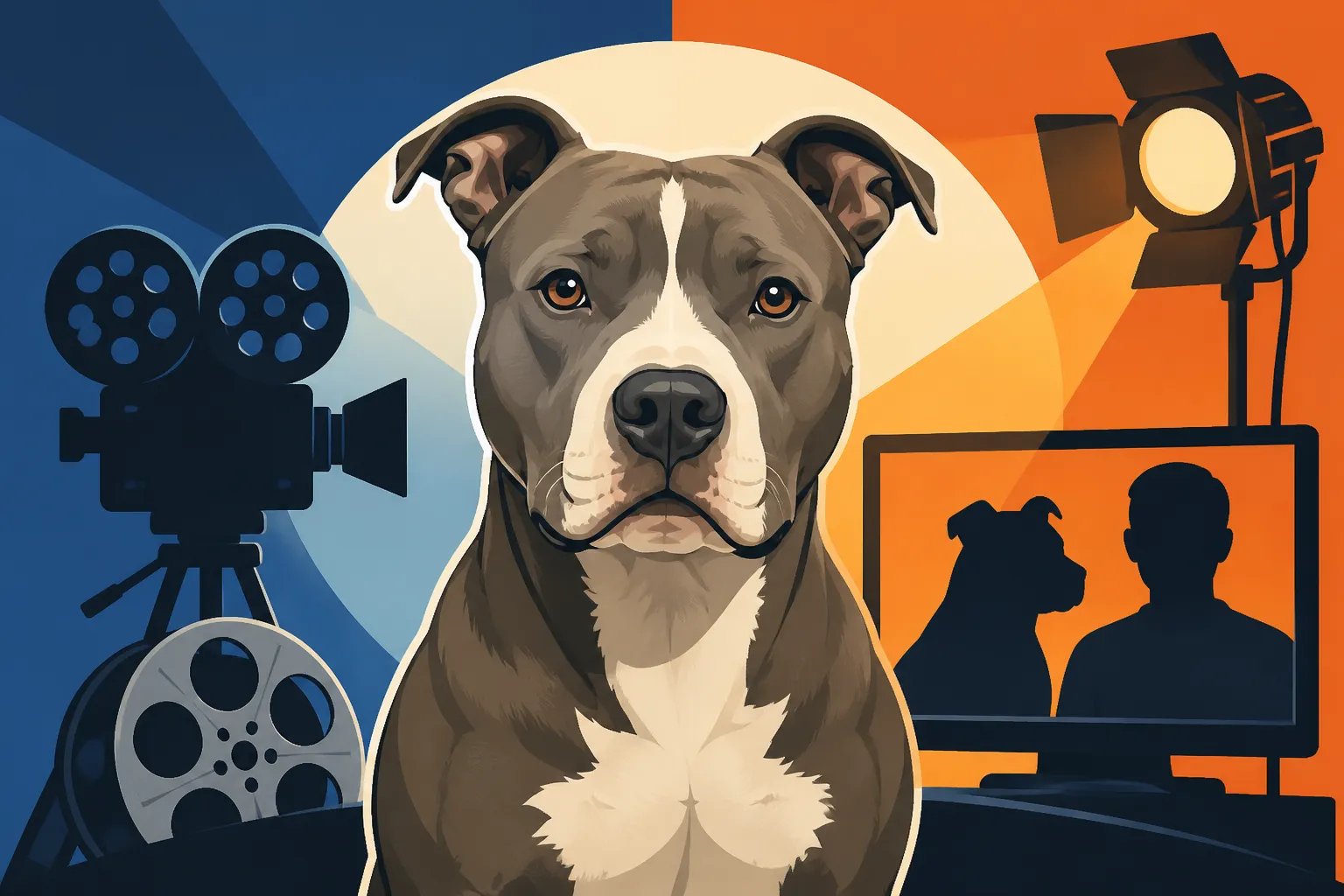
For those of us who share our lives with Pit Bull type dogs, it can be incredibly disheartening to see how often these wonderful animals are misunderstood, especially when it comes to their portrayal in popular culture. Media has a powerful way of shaping public opinion, and for Pit Bulls, this has been a rollercoaster. This guide explores the fascinating history of Pit Bull type dogs in film and television, examining how their image has evolved from beloved family pets to misunderstood villains, and the real-world impact these narratives have had.
Early Hollywood and the Nanny Dog Myth
Long before the modern controversies, Pit Bull type dogs were celebrated figures in early American culture, frequently appearing in film and advertising as symbols of loyalty, strength, and companionship. This era often presented these dogs in a very different light than we sometimes see today, highlighting their affectionate and dependable nature.
Petey: The Original Little Rascals Star
Perhaps the most famous Pit Bull type dog in early cinema was "Petey" from "The Little Rascals" (also known as "Our Gang"). Petey, or more accurately, the dogs who played Petey (there were several), embodied the ideal family dog. He was loyal, playful, and always there for the kids, no matter what mischief they got into. This iconic character was usually portrayed by an American Pit Bull Terrier or an American Staffordshire Terrier with a distinctive ring around one eye. Petey's gentle demeanor and unwavering friendship cemented a positive image of the breed in the public's mind for generations. He wasn't just a prop; he was a central character, a trusted friend, and an integral part of the gang's adventures. His presence helped solidify the idea that these dogs were safe, loving companions, particularly with children. You could argue that Petey helped cultivate the "nanny dog" image, a concept we now understand to be a myth that still influences perceptions, both positively and negatively. Pit Bulls in Film, Advertising and Media
Commercials and American Iconography
Beyond the silver screen, Pit Bull type dogs were also prominent in advertising during the early to mid-20th century. They appeared on product labels for everything from RCA Victor's "His Master's Voice" logo (featuring a Terrier mix often visually associated with the Pit Bull type) to various brands of dog food and children's products. These portrayals leveraged the public's view of Pit Bulls as strong, trustworthy, and quintessentially American animals. They were seen as protectors of the home and family, symbols of reliability and courage. This ubiquitous presence in everyday media reinforced a narrative of the Pit Bull as a beloved and integral part of American life, far from the negative stereotypes that would emerge later.
The Shift Towards Villainy and Misrepresentation
Unfortunately, as societal anxieties grew and media narratives shifted, the image of Pit Bull type dogs began to take a darker turn. From the late 20th century onwards, these dogs were increasingly depicted in roles that played into stereotypes of aggression and danger, deeply impacting public perception.
The Rise of the "Dangerous Dog" Trope
Starting roughly in the 1980s, and accelerating through the 1990s and beyond, Pit Bull type dogs started appearing more frequently in films and TV shows as antagonists, guard dogs for criminals, or simply as menacing background elements. This was often fueled by sensationalized news reports and a growing societal fear surrounding dog attacks, which unfairly targeted these breeds. Instead of the loyal companion, the media began to present them as unpredictable, aggressive, and inherently dangerous. They were often shown snarling, lunging, or participating in dog fighting rings, reinforcing harmful stereotypes that bore little resemblance to the actual temperament of most well-socialized Pit Bulls. This shift wasn't a subtle one; it was a dramatic pivot that drastically altered how many people viewed these dogs, even if they had no personal experience with them. How Media Coverage Shapes Pit Bull Perception
Impact on Public Perception and Policy
These negative portrayals in popular media had a tangible and devastating effect on public perception. They contributed significantly to the rise of breed-specific legislation (BSL) in many communities, where Pit Bulls were banned or heavily restricted based on their appearance, not their individual behavior. It created a climate of fear and prejudice, making it harder for responsible Pit Bull owners to find housing, secure insurance, or even walk their dogs in public without facing scrutiny or discrimination. People who had never met a Pit Bull type dog often formed strong negative opinions based solely on what they saw on screens, leading to unfair judgments and, sadly, higher euthanasia rates in shelters for these dogs. How Public Opinion on Pit Bulls Has Shifted and Why Shelter Pit Bulls Wait Longer. When people went to their local shelter, often what they had seen on a show or movie would color their decision, making it harder for a lovely dog to find a home.
Modern Media and Advocacy: Reclaiming the Narrative
In recent years, there's been a growing movement to challenge these negative stereotypes and promote a more accurate, positive portrayal of Pit Bull type dogs in media. Advocacy groups and responsible filmmakers are working to show the true nature of these intelligent, affectionate animals.
Documentaries and Educational Content
One of the most powerful tools in reclaiming the narrative has been documentary filmmaking. Documentaries such as "The Pit Bull Story" or various segments on animal welfare channels have highlighted the challenges faced by Pit Bulls and their owners, debunking myths and showcasing the incredible resilience and loving personalities of these dogs. These productions often feature rescue organizations, rehabilitation efforts, and heartwarming stories of Pit Bulls thriving as therapy dogs, service animals, or beloved family members. They emphasize responsible ownership, training, and the importance of individual temperament over breed stereotypes. This kind of educational content is vital because it moves beyond sensationalism to present factual, nuanced perspectives that empower viewers to make informed judgments. This is where you might find stories of dedicated owners who rely on reliable pet supplies, perhaps even using a reputable source like Chewy for specialized diets or comfortable harnesses designed for strong dogs.
Positive Fictional Portrayals
While the shift is slow, there are also more instances of positive fictional portrayals emerging. We're starting to see Pit Bull type dogs cast in roles that reflect their true potential: as loyal family pets, brave companions, or even comedic relief. These characters help to subtly chip away at ingrained prejudices, allowing audiences to see these dogs as individuals rather than symbols of fear. For example, some animated films and children's shows might feature a friendly, blocky-headed dog without explicitly labeling it, but visually it aligns with the Pit Bull type, promoting a subconscious association with positive traits. These small but significant changes can have a cumulative effect over time, helping to reshape public opinion for future generations.
The Role of Social Media and Influencers
Beyond traditional film and television, social media has become a powerful platform for Pit Bull advocacy. Countless Instagram accounts, YouTube channels, and TikTok videos feature Pit Bulls living happy, normal lives with their families. These "dog influencers" share daily snippets of their pets playing, cuddling, and interacting positively with people and other animals. These authentic, unscripted glimpses into the lives of real Pit Bulls often go viral, reaching millions and providing a counter-narrative to the negative stereotypes perpetuated by older media. They demonstrate that Pit Bulls are just dogs, capable of immense love and joy, and often defy the very image presented by the mainstream media. These owners often share their favorite durable toys or specialized food, perhaps even mentioning where they get their supplies, like from Chewy, for their active and sometimes sensitive dogs.
The Lingering Impact of Media Portrayals on Real-World Pit Bulls
While modern media is making strides, the historical baggage of negative portrayals continues to affect Pit Bull type dogs and their owners in very real and tangible ways. Understanding these lingering impacts is crucial for anyone considering adding a Pit Bull to their family.
Housing and Insurance Challenges
One of the most persistent issues stemming from negative media representation is the difficulty many Pit Bull owners face with housing and insurance. Despite a dog's individual temperament and training, landlords, homeowner associations (HOAs), and insurance companies often maintain breed restrictions based on outdated or sensationalized perceptions. This means that even a perfectly well-behaved Pit Bull might be denied housing or lead to exorbitant insurance premiums for its owner. It's a frustrating reality where a dog is judged solely by its appearance and the media-fueled stereotypes associated with it, rather than by its actual behavior. Many owners spend countless hours trying to find Getting Home Insurance With a Pit Bull or Finding a Rental That Takes a Pit Bull. It makes finding a good home for these dogs even harder, as prospective adopters might already be facing these hurdles.
Adoption Rates and Shelter Stays
The "Pit Bull" label itself, often applied visually in shelters, can significantly impact a dog's chances of adoption. Shelters frequently report that Pit Bull type dogs stay longer and have higher euthanasia rates compared to other breeds. This is a direct consequence of public fear and misinformation, much of which has been fueled by media portrayals. Even if a shelter animal is sweet, well-adjusted, and friendly, potential adopters might pass them over due to preconceived notions shaped by TV shows or movies. Many dedicated rescue groups work tirelessly to overcome this bias, utilizing positive marketing and education to help these deserving dogs find forever homes. They often rely on donations for food and supplies, which can sometimes come from larger pet retailers like Chewy. Pit Bulls in American Shelters covers some of the challenges these dogs face.
The Responsibility of Media
Ultimately, the history of Pit Bull type dogs in film and television serves as a powerful reminder of the media's profound influence on societal attitudes. While entertainment has no obligation to be factual, when it perpetuates harmful stereotypes about living beings, it carries a significant ethical responsibility. The gradual shift towards more balanced and positive portrayals in recent media is a hopeful sign, reflecting a broader cultural awakening to the complexities of these beloved animals. For Pit Bull owners, it’s a constant battle against deeply ingrained biases, but one that is slowly, surely, being won with education, advocacy, and the undeniable charm of these incredible dogs themselves.
Here's a quick look at some notable Pit Bull type dog appearances in media:
| Character Name | Media Type | Common Breed Portrayal | Era Prominent | Impact on Perception |
|---|---|---|---|---|
| Petey | Film (The Little Rascals) | American Pit Bull Terrier/AmStaff | 1920s-1940s | Positive, loyal family dog, "nanny dog" myth |
| Stubby | Historical Accounts/Film | Pit Bull type (WWI Hero) | Early 1900s | Brave, heroic, intelligent, symbol of courage |
| Iggy | Animated TV (Jojo's Bizarre Adventure) | Boston Terrier (visually Pit-like) | Late 1980s-1990s | Mischievous, loyal, powerful |
| Pit Bulls in general | Action/Thriller Films | Various Pit Bull types | 1980s-Present | Often portrayed as aggressive guard dogs, villains |
| Various rescue dogs | Documentaries/Reality TV | Mixed Pit Bull types | 2000s-Present | Highlight resilience, rehabilitation, loving nature |
Disclaimer
This article is for general informational purposes only and does not constitute professional advice. Laws, prices and regulations vary by location and change over time. Consult a qualified professional for guidance on your specific situation.