The 1835 Act That Shaped the Pit Bull
For anyone who loves a Pit Bull today, it's sometimes hard to imagine the world these incredible dogs emerged from, especially when we talk about their historical reputation. The truth is, their very existence and the traits we see in them were deeply influenced by human choices and legislation that dates back almost two centuries. This guide will take a deep dive into the Cruelty to Animals Act of 1835 in Britain, exploring how this pivotal piece of legislation unintentionally shaped the ancestors of our modern Pit Bulls and led to the development of the dogs we know and cherish today.
Understanding the Historical Context of the 1835 Act
To truly grasp the significance of the 1835 Act, we need to transport ourselves back to a time in British history where public entertainment was, by today's standards, shockingly brutal. Life was often hard, and many forms of leisure involved spectacles that pitted animals against each other, or against humans, in contests of strength and aggression. This wasn't just a fringe activity; it was a widely accepted and often celebrated part of the cultural landscape.
The Popularity of Blood Sports Before the Act
Before the mid-19th century, blood sports were a common diversion across all social classes in Britain, from the aristocracy to the working poor. People gathered in large crowds, often placing bets, to watch animals fight. These events weren't hidden away in dark corners; they were public spectacles advertised openly. The thrill, for many, came from the raw display of power, endurance, and the unpredictable nature of the contests. It was a form of entertainment that had been ingrained in society for centuries, passed down through generations.
Imagine a bustling town square, not for a market, but for a bear-baiting or bull-baiting event. The atmosphere would have been electric, with shouts and cheers, and the smell of the crowd and animals. While we cringe at the thought now, it's crucial to understand that the societal norms were vastly different, and the concept of animal welfare as we know it simply didn't exist in the mainstream consciousness. Dogs played a central role in these events, specifically bred and trained for their tenacity and strength.
The Role of Bull-Baiting and Bear-Baiting
Bull-baiting involved chaining a bull to a stake, often by the nose, and setting dogs upon it. The goal was for the dogs to grab and hold the bull, or for the bull to injure or kill the dogs. Bear-baiting was a similar cruel spectacle. These events were not quick; they could last for hours, designed to demonstrate the endurance and ferocity of both the large animal and the dogs involved. The dogs used in these contests were prized for their low center of gravity, powerful jaws, and incredible gameness – a willingness to continue fighting despite pain or injury.
These were the 'bulldogs' of their era, dogs specifically developed for their gripping ability and powerful build. They were not the squat, often docile Bulldogs we might picture today, but rather more athletic, formidable animals. The public loved the spectacle, and owners took immense pride in their dogs' performance, furthering the selective breeding for these specific, combat-oriented traits. The dogs were essentially living tools for these violent forms of entertainment.
Early Canine Crosses for "Sport"
The dogs initially used for these baiting sports were predominantly various types of "bulldogs," robust and powerful animals developed for holding livestock. However, as the focus of blood sports began to shift, and as awareness of animal suffering slowly started to grow, there was a demand for a different kind of fighting dog. This is where the crossbreeding that led to the Pit Bull type began to take shape.
Breeders started to introduce terrier blood into the bulldog lines. Terriers were known for their quickness, agility, and feisty, tenacious spirit, often used for hunting vermin in tight spaces. The idea was to combine the bulldog's power and bite-hold with the terrier's speed and game spirit. This deliberate crossing created a new type of dog – the "bull and terrier." These early The Pit Bull's Bull and Terrier Ancestors were perfectly suited for the evolving, and increasingly clandestine, world of dog fighting.
The Cruelty to Animals Act of 1835 and Its Immediate Impact
The moral compass of society was slowly, but surely, shifting. Humanitarian movements were gaining traction, and the blatant cruelty of public blood sports became an increasing point of contention. The voices advocating for animal welfare grew louder, eventually leading to legislative action.
What the Act Actually Prohibited
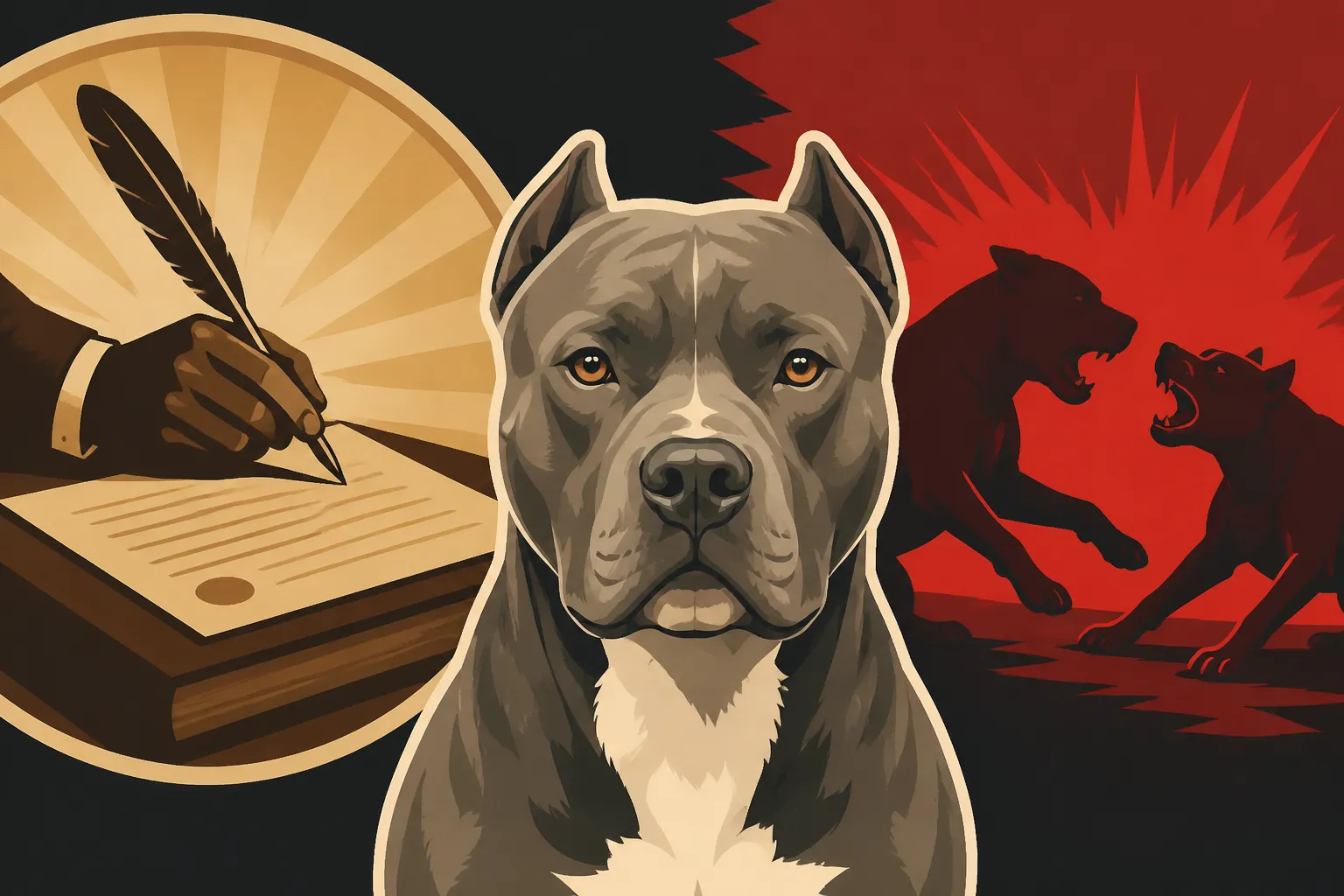
The Cruelty to Animals Act of 1835, often referred to as the Martin's Act extension, was a landmark piece of legislation in Britain. It explicitly outlawed the cruel practices of bull-baiting, bear-baiting, and cock-fighting. For the first time, large-scale, public spectacles involving animal cruelty were made illegal. This was a significant step in the history of animal protection, signaling a shift in how society viewed its treatment of animals.
The intention was clear: to put an end to these barbaric forms of entertainment. Lawmakers and reformers hoped that by banning these public displays, the underlying culture of animal cruelty would diminish. While the Act was a triumph for animal welfare advocates, it also had an unintended, profound impact on the future development of dog breeds, particularly those involved in fighting.
The Shift from Large-Scale Spectacles to Hidden Practices
While the Act did succeed in largely eradicating public bull and bear-baiting, it didn't eliminate the desire for animal combat altogether. Instead, it drove the activities underground. Organizers and enthusiasts of these violent sports simply adapted. They moved away from large arenas and public squares to more discreet, hidden venues – back alleys, basements, and secluded pits. This shift fundamentally changed the nature of the contests.
No longer could they parade a bull or bear through the streets. The focus narrowed, primarily to dog fighting, which was easier to conceal. This transition meant that the demand for the massive, slow-moving bulldogs used to bait large animals waned. A new type of canine gladiator was needed, one that could perform effectively in smaller, secret settings, and one that was easier to transport and hide.
The Emergence of Ratting and Dog Fighting
With the ban on bull and bear-baiting, dog fighting and "ratting" emerged as the primary blood sports. Ratting involved placing a large number of rats in a pit with a dog, with bets placed on how quickly the dog could kill them all. This required immense speed, agility, and a strong prey drive. Dog fighting, the ultimate evolution of this underground scene, became the new main event.
In these fights, dogs were pitted against each other in a pit, often until one was dead or severely injured. This brutal "sport" demanded a dog that was not only powerful but also incredibly agile, quick on its feet, and possessed an indomitable will to fight. It's a dark chapter in canine history, but one that is essential to understanding the roots of the Pit Bull type. The demand for these specific traits intensified the selective breeding process, pushing the bull and terrier crosses toward what we recognize today.
How the Ban Led to a New Type of Dog
The 1835 Act didn't stop the creation of fighting dogs; it merely redirected the breeding efforts. The legal landscape forced a change in the "design" of the fighting dog, inadvertently shaping the foundational traits of what would become the Pit Bull. It's a testament to how human intervention, even with good intentions, can have complex and unforeseen consequences on animal development.
The Need for a More Agile and Concealable Fighter
With public baiting outlawed, the large, heavy bulldogs became less practical. A dog fighting ring, often set up quickly and discreetly, required animals that were compact, agile, and relatively easy to transport without drawing attention. This meant breeders began favoring dogs that were smaller and quicker than their bull-baiting ancestors, yet still retained immense strength and a powerful bite. This wasn't about size for size's sake anymore; it was about efficiency in a different kind of combat.
The focus shifted from simply holding a large animal to fighting another dog in a confined space. This required a dog that could quickly move, dodge, and deliver precise, powerful attacks. This new environment meant that the old bulldog's sheer mass was less beneficial than a leaner, more athletic build. It was a cruel form of natural selection, driven entirely by human demand for a "better" fighting machine.
Refining the Bull and Terrier Cross
This is where the bull and terrier cross truly came into its own. Breeders rigorously selected for dogs that embodied the perfect blend of bulldog power and terrier gameness. They sought out the most tenacious, agile, and strong individuals to perpetuate their lines. The goal was to create a dog with an unshakeable will to win, incredible stamina, and a physical structure optimized for dog-on-dog combat. This focused breeding cemented specific traits.
These dogs were bred to be powerful but also extremely athletic, capable of explosive movements and sustained exertion. The square heads, muscular necks, and broad chests often seen in Pit Bull types today are direct legacies of this intensive breeding for fighting prowess. They were, in essence, purpose-built athletes for a horrifying purpose.
Genetic Selection for Specific Traits
The selective breeding during this period was ruthless and highly effective in concentrating certain genetic traits. Dogs that showed aggression towards humans were generally culled, as handlers needed to safely manage their animals in the pit and separate them from opponents. This is an important distinction to make: while they were bred for dog aggression, human aggression was actively discouraged. This speaks volumes to the intelligence and temperament of these dogs, able to differentiate between their assigned "work" and their human handlers.
What was highly prized was "gameness" – an unwavering determination to continue fighting regardless of injury or pain. Dogs lacking this trait, or those that showed hesitation, were often not bred. This extreme selection pressure inadvertently created dogs with incredible resilience, fortitude, and a powerful drive to complete a task, qualities that modern Pit Bulls still carry, though thankfully, now channeled into positive pursuits. For current owners seeking to channel that drive, strong, durable enrichment toys from places like Chewy can be a real game-changer, giving these powerful chewers an appropriate outlet for their inherent strength.
The Legacy of the Act on Pit Bull Ancestry
The repercussions of the 1835 Act and the subsequent underground breeding practices profoundly shaped the dogs that would eventually be known as Pit Bulls. The traits developed during this dark period became the genetic bedrock of the various breeds that fall under the "Pit Bull" umbrella.
The Breed Characteristics That Emerged
From this era of intense selective breeding emerged dogs with distinct physical and temperamental characteristics. They were powerful, muscular animals with strong jaws and a short, easy-to-care-for coat. Their build was compact yet athletic, designed for quick bursts of speed and sustained exertion. Crucially, they possessed immense determination and physical toughness, a direct result of being bred for "gameness."
These characteristics, while unfortunately originating from brutal sports, also laid the foundation for the resilience, athleticism, and loyalty that many Pit Bull owners admire today. It’s a complex legacy, where undesirable origins paradoxically contributed to desirable qualities when channeled appropriately. Understanding this history helps us appreciate Why the Pit Bull Cross Was Made at All and how those traits persist.
The Migration of These Dogs to America
As dog fighting continued in secrecy in Britain, many of these bull and terrier crosses were eventually brought to America by immigrants seeking new opportunities. In America, these dogs found a slightly different, though still often demanding, role. While dog fighting continued in some circles, these powerful, versatile dogs also became invaluable working companions on farms and homesteads.
They were used for hog hunting, guarding property, and even as beloved family companions. Their gameness, intelligence, and protective instincts made them excellent all-around utility dogs. This migration and adaptation to American life led to the further development and eventual formalization of some of the breeds we now recognize, such as the American Pit Bull Terrier. How Pit Bull Type Dogs Reached America is a fascinating story of adaptation.
The Enduring Misconceptions
Despite their multifaceted roles in American history, the legacy of their fighting past has unfortunately stuck to Pit Bulls like glue, leading to persistent misconceptions. The term "Pit Bull" itself, originating from the fighting pits, became a label applied to a variety of visually similar dogs, often regardless of their actual ancestry. This has created a broad and often misunderstood category of dogs.
One of the most enduring myths is that Pit Bulls are inherently aggressive towards humans. As we've discussed, dogs that showed human aggression were generally culled from fighting lines because they were dangerous to handlers. While their fighting past undeniably contributes to their potential for dog-on-dog aggression if not managed properly, it doesn't equate to inherent human aggression. What the Word Pit Bull Actually Covers is broader than many realize, making blanket statements difficult.
The American Interpretation and Evolution
Once these bull and terrier types arrived in the United States, their evolution continued, leading to the establishment of distinct breed standards and their integration into American culture in ways that went far beyond their initial fighting origins. The American landscape provided a new chapter for these dogs.
The Pit Bull's Role in Early American Society
In early America, these powerful, adaptable dogs quickly found a place beyond the fighting pits. Farmers appreciated their strength and tenacity for working with livestock, particularly for catching and holding unruly pigs or herding cattle. Their protective nature made them excellent guardians of homes and families, deterring predators and intruders. They were valued for their utility and loyalty.
These dogs became symbols of American grit and courage, appearing in patriotic imagery and advertising. They were truly "America's Dog" for a period, celebrated for their spirit and versatility. They were family companions, working dogs, and athletes all rolled into one. This broad integration into society is a testament to their inherent good nature and adaptability when given proper guidance and training.
Divergence into Distinct Breeds
Over time, different lines of these bull and terrier type dogs began to be selectively bred for different purposes, leading to the creation of distinct breeds. The United Kennel Club (UKC) was one of the first registries to recognize the American Pit Bull Terrier in 1898, focusing on their athletic prowess and working abilities, while trying to distance them from their fighting past. Later, the American Kennel Club (AKC) recognized a similar dog, but with a different focus, emphasizing conformation and companionship, leading to the American Staffordshire Terrier.
This divergence created confusion, as dogs that looked very similar were registered under different names, based on which registry they came from and the specific traits breeders were trying to emphasize. Today, we have several distinct breeds, including The American Pit Bull Terrier and the UKC, the American Staffordshire Terrier, and the Staffordshire Bull Terrier, all sharing a common ancestry shaped by the 1835 Act.
Modern Day Implications and Advocacy
The historical journey of the Pit Bull type has left a complex legacy. On one hand, these dogs are celebrated for their unwavering loyalty, intelligence, and athletic ability. On the other hand, they continue to face immense prejudice and breed-specific legislation, often due to misunderstandings rooted in their past. This makes responsible ownership and advocacy more crucial than ever.
Today, Pit Bull owners often find themselves needing to go the extra mile to prove their dogs are well-behaved, well-trained, and safe members of society. This often includes investing in comprehensive training, socialization, and sometimes even pursuing certifications like the Canine Good Citizen (CGC). It's an unfair burden, but one that dedicated owners willingly take on. Pit Bull Temperament and What Testing Shows can help challenge stereotypes.
For these dogs, appropriate enrichment is vital. Chew toys that can withstand strong jaws, like those found on Chewy, are not just about entertainment; they're about providing an outlet for their strength and reducing destructive behaviors. This commitment to proper care, training, and advocacy is essential for overcoming the centuries-old shadow cast by the 1835 Act and its consequences.
Responsible Ownership in the Shadow of History
Given their powerful build and the societal misconceptions, responsible Pit Bull ownership carries a unique set of responsibilities. It’s not just about providing food and shelter; it’s about actively managing their environment, providing consistent training, and being an ambassador for the breed.
The Importance of Early Socialization and Training
Early and thorough socialization is paramount for Pit Bull puppies. Exposing them positively to a wide variety of sights, sounds, people, and appropriate dogs from a young age helps build a confident, well-adjusted adult. This means carefully managed interactions, not just letting them "figure it out" at a dog park. Socializing a Pit Bull Puppy Thoroughly is a proactive measure.
Consistent, positive reinforcement training is also crucial. These dogs are intelligent and eager to please, but their strength and drive mean they need clear boundaries and guidance. Training should focus on impulse control, obedience, and good manners in all situations. For example, Pit Bull Leash Manners and Physical Strength are key areas to focus on from day one.
Managing Dog-on-Dog Interactions
While Pit Bulls are generally loving with people, their historical breeding for dog-on-dog combat means that some individuals may display dog selectivity or reactivity as they mature. This isn't a guarantee, but it's a possibility that responsible owners must be prepared for. It means careful management of interactions with other dogs, especially off-leash.
Many Pit Bull owners choose to avoid dog parks entirely or only allow their dogs to interact with known, appropriate playmates under strict supervision. This isn't about aggression; it's about responsible management and understanding the breed's predispositions. Sometimes, this means keeping dogs separate in a multi-dog household, requiring careful management like "crate and rotate" schedules. This kind of careful planning also extends to providing individual enrichment, like durable puzzle toys that keep a single dog engaged, which can be easily sourced from a wide selection at Chewy.
Advocating for the Breed
Being a Pit Bull owner often means being an advocate. Every well-behaved Pit Bull is an ambassador for the breed, helping to chip away at the negative stereotypes. This involves being mindful of public perception, always presenting your dog in the best light, and being prepared to educate others.
Supporting organizations that advocate for breed-neutral legislation and responsible pet ownership is also a powerful way to make a difference. The more positive interactions people have with well-mannered Pit Bulls, the more the historical narrative can begin to shift. This is a long game, but one that is essential for the future of these magnificent dogs.
The Pit Bull's Place in Modern Society
Our understanding of dog behavior and welfare has evolved dramatically since the 1835 Act. Modern Pit Bulls, when bred responsibly and raised with care, are far removed from their fighting ancestors. Their true nature as loyal companions and versatile athletes is finally being recognized by a wider audience.
Challenging Perceptions and Stereotypes
The journey to change public perception is ongoing. It involves showcasing the incredible versatility of Pit Bulls in various positive roles – as therapy dogs, search and rescue dogs, and beloved family pets. It means highlighting their successes in dog sports and obedience, proving their intelligence and trainability. Pit Bulls in Culture and Public Perception often focuses on challenging these deep-seated views.
For many owners, this also means ensuring their dog is a Canine Good Citizen, a certification that demonstrates a dog's good manners and responsible ownership. Canine Good Citizen and Why It Matters for a Pit Bull is a badge of honor that helps break down barriers and build trust in communities.
The Role of Responsible Breeding and Rescue
Today, responsible breeders focus on health, temperament, and conformity to breed standards that emphasize stability and companionship. They screen for genetic health issues and ensure their puppies are well-socialized before going to new homes. Equally important are the countless rescue organizations dedicated to rehabilitating and rehoming Pit Bulls who have faced hardship or misunderstanding. Pit Bull Adoption Fees at a Shelter often reflect the immense effort put into their care and training.
These rescues work tirelessly to provide second chances for dogs labeled as "Pit Bulls," irrespective of their true ancestry, demonstrating the incredible capacity for love and resilience these dogs possess. They are a testament to the fact that with proper care and training, even dogs from challenging backgrounds can thrive.
Building a Future for Pit Bulls
The path forward for Pit Bulls involves continued education, responsible ownership, and advocacy for breed-neutral laws. It means focusing on individual dog behavior rather than blanket breed stereotypes. Every Pit Bull with a loving, responsible family helps rewrite their history and secure a brighter future.
The legacy of the 1835 Act is a stark reminder of how human actions can profoundly influence animal development, for better or worse. By understanding this history, we can better appreciate the dogs we share our lives with and work towards a world where all dogs, including Pit Bulls, are judged by their individual character, not by outdated and unfair labels.
| Aspect | Pre-1835 Act (Blood Sports) | Post-1835 Act (Underground Fighting) | Modern Pit Bull Type (Responsible Ownership) |
|---|---|---|---|
| Primary Dog Use | Bull-baiting, Bear-baiting | Dog Fighting, Ratting | Companionship, Sport, Working, Therapy |
| Desired Dog Traits | Heavy, powerful grip, low to ground | Agile, tenacious, powerful bite, "gameness" | Loyal, intelligent, athletic, stable temperament |
| Social Context | Public, often celebrated spectacles | Secret, illegal activities | Family integration, often misunderstood |
| Breeding Focus | Bulldogs for sheer power | Bull & Terrier cross for agility & fight | Health, temperament, versatility |
| Human Aggression | Not specifically bred against | Actively discouraged (for handlers) | Actively discouraged (for safety & family) |
Disclaimer
This article is for general informational purposes only and does not constitute professional advice. Laws, prices and regulations vary by location and change over time. Consult a qualified professional for guidance on your specific situation.