How the Staffie Differs From an American Pit Bull Terrier
It's easy to get lost in the terminology when talking about "Pit Bulls," and a common source of confusion lies between the Staffordshire Bull Terrier and the American Pit Bull Terrier. Many people use the terms interchangeably, or mistakenly believe they're one and the same, leading to misidentification and sometimes, unrealistic expectations about what kind of dog they're bringing home. This guide will meticulously break down the distinct histories, physical characteristics, and temperamental nuances of these two powerful and beloved breeds, helping you understand their true differences.
A Tale of Two Origins: Where Each Dog Began
To truly understand the differences between the Staffordshire Bull Terrier and the American Pit Bull Terrier, we have to travel back in time and across oceans. Their paths, while originating from similar roots, diverged significantly, shaping the dogs we know today.
The Staffordshire Bull Terrier's English Roots
The Staffordshire Bull Terrier, often affectionately called a "Staffie," traces its lineage back to 19th-century England. This was a time when dog fighting was still a brutal, albeit popular, pastime. Breeders sought to combine the gameness and tenacity of bulldogs with the agility and spirit of terriers. The goal was to create a dog that was courageous and formidable in the pit, yet gentle and loving with people, especially within the family home. The working-class communities of the Staffordshire region prized these dogs not just for their fighting prowess, but crucially, for their loyalty and suitability as family companions once the day's "sport" was done. They often lived in close quarters with their families, sometimes sharing beds with children, which cultivated a uniquely tolerant and people-oriented disposition. The breed was formally recognized by the Kennel Club in England in 1935, and its standard solidified its role as a sturdy, compact, and highly affectionate companion. This history of being a "poor man's dog" that lived cheek-by-jowl with its human family is paramount to understanding its strong bond with people. You can read more about The Staffordshire Bull Terrier From England to fully appreciate their deep roots.
The American Pit Bull Terrier's American Journey
Across the Atlantic, the American Pit Bull Terrier (APBT) emerged from similar English bulldog and terrier crosses brought over by immigrants. However, once in America, these dogs were developed for a slightly different set of tasks and in a much more expansive environment. While dog fighting continued to be a part of their history, APBTs were also valued for their versatility on farms and homesteads. They were used for catching vermin, herding livestock, and providing protection. This broader working role, combined with the vastness of American landscapes compared to the cramped English industrial towns, allowed for the development of a slightly larger, more athletic dog with greater endurance. They weren't just pit dogs; they were all-around farm dogs and companions. The United Kennel Club (UKC) was the first registry to recognize the American Pit Bull Terrier, defining a standard that emphasized athleticism, courage, and a strong will to please. This distinct development in America led to the APBT diverging from its English cousins, becoming the dog we identify today with strength, agility, and a powerful build. Understanding The American Pit Bull Terrier and the UKC sheds more light on their formal recognition and distinct journey.
Physical Distinctions: Size, Build, and Features
While both breeds share a "bull and terrier" heritage, leading to some superficial similarities, a closer look reveals significant physical differences in their size, build, and even subtle facial features. These aren't just minor variations; they represent distinct breed standards.
The Compact Power of the Staffie
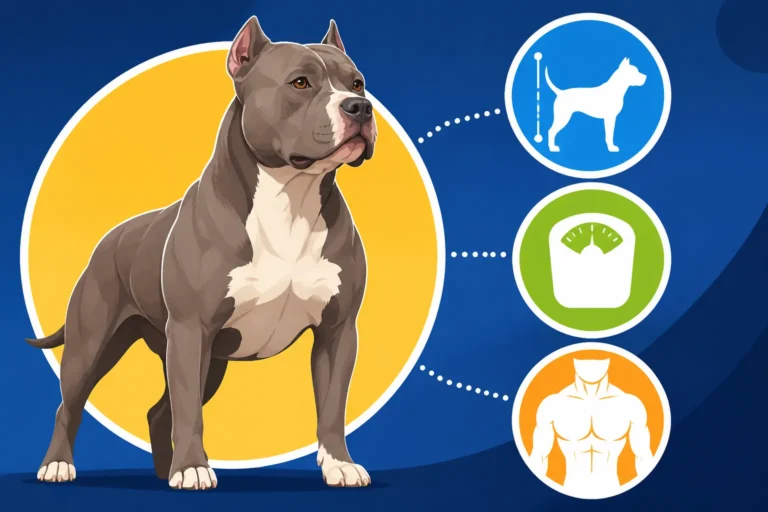
The Staffordshire Bull Terrier is, without a doubt, the smaller and more compact of the two. They are often described as stocky, muscular, and surprisingly heavy for their size. Typically, Staffies stand between 14 to 16 inches at the shoulder and weigh in the range of 24 to 38 pounds. Their build is one of incredible density and strength; they are short-coupled and powerful, giving the impression of a small, athletic bulldog. Their heads are broad and deep, with pronounced cheek muscles and a relatively short muzzle. The stop (the indentation between the eyes) is distinct. Their ears are usually rose or half-pricked, and their tail is medium length, carried low. Their coats are smooth, short, and close to the skin, coming in a wide variety of colors. When you see a Staffie, you see a dog built for power in a small package, a true testament to its origins where quick, powerful movements were key in the pit, but a smaller dog was easier to manage in a tight home. Their sturdy build makes them surprisingly robust, able to handle rough-and-tumble play.
The Athletic Presence of the American Pit Bull Terrier
In contrast, the American Pit Bull Terrier presents a larger, more athletic, and often more agile silhouette. APBTs generally stand between 17 to 21 inches at the shoulder and can weigh anywhere from 30 to 65 pounds, with some individuals falling outside this range. They possess a lean, well-muscled physique that speaks to their endurance and power. Their bodies are deep and broad, with a powerful neck and shoulders that transition into a well-sprung rib cage. The APBT's head is broad and proportionate to its body, with a medium-length, broad muzzle. Their ears can be natural, semi-pricked, or cropped, depending on the individual and local customs, though natural ears are becoming more common. Like the Staffie, their coat is short, smooth, and stiff to the touch, and they also come in a vast array of colors and patterns. The overall impression of an APBT is one of balanced power and grace, a dog capable of both strength work and sustained activity. If you're looking for more general information on Pit Bull Height, Weight and Build, it's worth exploring the nuances within the broader type.
Subtle Facial and Head Differences
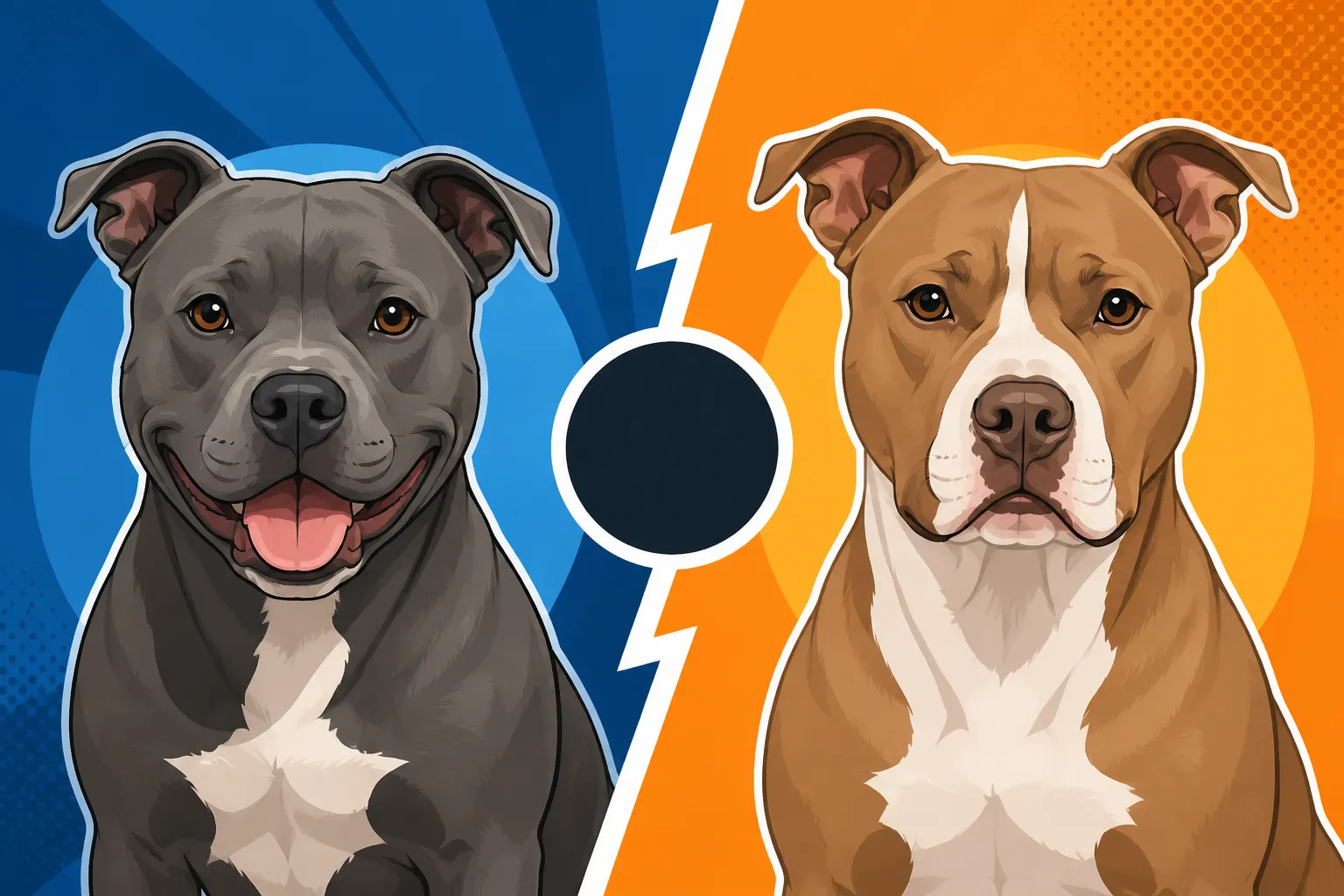
Beyond the obvious size difference, there are subtle but noticeable distinctions in their head shapes. The Staffie's skull tends to be broader in comparison to its overall length, giving it a more "bulldog-like" appearance with a slightly shorter, more defined muzzle. Their cheeks are very prominent. The APBT, while still having a broad head, typically has a slightly longer muzzle and a skull that might appear less exaggerated in width relative to its length. The stop is present in both, but can appear more abrupt on a Staffie. These differences, while sometimes subtle, are key indicators to experienced eyes and align with the specific breed standards. For example, a Staffie's eyes are typically round and set fairly low on the skull, while an APBT's eyes might be a bit more almond-shaped and set slightly higher. Examining these facial cues can often help distinguish between the two when size alone isn't enough, perhaps if you're looking at a particularly large Staffie or a smaller APBT.
Temperament and Personality: Beyond the Breed Label
While both the Staffie and the APBT share a common ancestral drive and a powerful desire to please their human companions, their temperaments have been shaped by different paths, leading to some key distinctions. It's crucial to remember that individual personality always varies, but breed tendencies offer a useful framework.
Staffie: The Nanny Dog's Loving Nature
The Staffordshire Bull Terrier has earned the affectionate moniker "Nanny Dog" due to its historically renowned patience and loving nature with children. While no dog should ever be left unsupervised with children, the Staffie's deep-seated affection for people, especially its immediate family, is a hallmark of the breed. They thrive on human companionship and are known for being incredibly gentle, tolerant, and playful with those they consider part of their pack. This isn't to say they lack protective instincts; they are fiercely loyal and brave. However, their primary drive is typically to be a devoted companion. Staffies are often described as boisterous and joyful, eager to engage in games and cuddle sessions. They tend to be very social with people, often greeting strangers with enthusiastic wiggles and licks. While they can be dog-selective, especially same-sex pairs, their default setting with humans is one of warmth and affection. The myth of the "nanny dog" is complex, and understanding What the Pit Bull Nanny Dog Story Rests On helps temper expectations with responsible ownership.
APBT: Drive, Intelligence, and Loyalty
The American Pit Bull Terrier, while equally devoted to its family, often exhibits a higher drive and intensity than its Staffie cousin. APBTs are highly intelligent and eager to please, making them incredibly trainable. They possess a strong work ethic and often excel in dog sports such as obedience, agility, and weight pull. This drive translates into a need for mental stimulation and physical activity to prevent boredom and destructive behaviors. They form incredibly strong bonds with their families and are fiercely loyal, often acting as protective guardians. While historically bred for gameness, responsible breeding has focused on developing a stable, confident, and people-friendly temperament. However, due to their powerful build and tenacity, proper socialization and consistent training are paramount from a young age. APBTs can exhibit dog-selectivity or higher prey drive, which means careful management in multi-dog households or around smaller animals is often necessary. Their intense focus and energy need a committed owner who can channel it constructively. If you're curious about objective assessments of temperament, researching Pit Bull Temperament and What Testing Shows can offer valuable insights into the breed type.
How Their Histories Shaped Their Modern Traits
The distinct histories of these two breeds heavily influenced their modern temperaments. The Staffie, developed in smaller homes and focused on being a fighting dog that was safe and beloved with its human family, evolved with an almost unparalleled devotion to people. Their compact size and constant proximity to humans ingrained a deep tolerance and desire for interaction. The APBT, while also a companion, had more space and was often expected to perform a wider range of duties, from guarding to hunting. This led to a dog with a higher drive, more physical stamina, and a slightly greater independence, coupled with incredible loyalty. Both are intelligent and powerful, but the Staffie's energy tends to be more concentrated in bursts of play and affection, while the APBT's energy can be more sustained and requires a more extensive outlet. This is why when considering bringing one of these dogs into your home, it's crucial to consider how much exercise and mental enrichment you can realistically provide. Many owners find a good range of durable toys and puzzle feeders on sites like Chewy that can help manage their energy levels.
Living with Each Breed: Considerations for Owners
Choosing between a Staffordshire Bull Terrier and an American Pit Bull Terrier (or recognizing which you have) involves understanding their needs in terms of exercise, training, and how they might fit into your home and community. Both are wonderful dogs for the right owner, but their requirements can differ.
Exercise and Training Needs
Both Staffies and APBTs are energetic, athletic dogs that require regular exercise, but the type and intensity can vary.
Staffies, despite their smaller size, are powerful and energetic. They need daily walks, play sessions, and opportunities to burn off steam. A tired Staffie is a good Staffie! They love games of fetch, tug, and often enjoy short bursts of running. Their intelligence means they also benefit greatly from obedience training and mental puzzles. Because they are so people-focused, they respond very well to positive reinforcement and thrive on engaging with their owners. Consistency is key, and enrolling in a good puppy class or basic obedience course can set a Staffie up for success. They appreciate structured play and can be quite goofy, making training sessions fun and rewarding.
APBTs, being generally larger and having a higher drive, often require more intense and sustained exercise. They can be excellent running partners, enjoy hiking, cycling alongside a leash, or participating in dog sports like agility, dock diving, or even weight pulling (if done safely and correctly). Without adequate physical and mental stimulation, an APBT can become bored, leading to destructive behaviors or excessive energy. Their powerful build means that Pit Bull Leash Manners and Physical Strength are paramount. Training should start early and be consistent, focusing on impulse control, polite greetings, and strong recall. They are incredibly intelligent and eager to work, so advanced obedience or trick training can be very rewarding. Finding durable chew toys and engaging puzzle feeders, available from retailers like Chewy, can also be a lifesaver for channeling their energy and strong jaws indoors.
Socialization and Multi-Dog Homes
Early and ongoing socialization is vital for both breeds, especially given their strength and potential for dog-selectivity. For Staffies, their innate love for people usually makes them excellent with human visitors, but interactions with other dogs need to be carefully managed. Some Staffies are perfectly happy with other dogs, while others prefer to be the sole canine companion or are only tolerant of specific playmates. Introducing them to a variety of dogs and environments from a young age can help, but owners should always be observant of their dog's body language. For example, a quick sniff and a wagging tail can quickly turn into over-excitement if not managed.
APBTs, too, can be dog-selective. This isn't necessarily aggression, but rather a preference for certain dogs or situations, or a general disinterest in unsolicited dog-on-dog interactions. It's often referred to as Pit Bull Dog Selectivity and Multi-Dog Homes. Due to their strength and potential for intense play, it's critical that any interactions with other dogs are supervised, and that play styles are compatible. Many APBTs thrive as only dogs, or with a carefully selected companion of the opposite sex and a calmer temperament. Owners must be realistic about their dog's comfort levels and prioritize safety in all interactions. Management strategies like separate walks or crate-and-rotate systems may be necessary in multi-dog households. Resources for appropriate harnesses and leashes for strong pullers can be found on Chewy.
Consider this table for a quick overview of key differences:
| Feature | Staffordshire Bull Terrier (Staffie) | American Pit Bull Terrier (APBT) |
|---|---|---|
| Origin | 19th Century England | 19th Century United States |
| Primary Size | Smaller, compact, very muscular (14-16 in, 24-38 lbs) | Larger, athletic, lean muscle (17-21 in, 30-65 lbs) |
| Build | Stocky, broad, dense, "bulldog-like" | Powerful, balanced, athletic, "terrier-like" agility |
| Head Shape | Broader skull relative to length, more pronounced cheek muscles, shorter muzzle | Broad head proportionate to body, slightly longer muzzle |
| AKC Recognition | Recognized as Staffordshire Bull Terrier (Terrier Group) | Not recognized (AKC recognizes American Staffordshire Terrier, a similar but distinct breed) |
| Temperament Focus | Highly people-oriented, gentle with family, loyal, joyful | High drive, intelligent, eager to please, loyal, protective |
| Exercise Needs | Daily walks, play, bursts of energy, mental stimulation | More intense and sustained exercise, mental challenge, work |
| Dog-on-Dog | Can be dog-selective; good socialization crucial | Can be dog-selective; careful management and supervision vital |
| Common Traits | "Nanny Dog" reputation, loves cuddling | Strong prey drive possible, excels in dog sports |
Ultimately, both the Staffordshire Bull Terrier and the American Pit Bull Terrier are incredible dogs that deserve understanding and responsible ownership. They are distinct breeds with unique histories that have shaped their physical and temperamental characteristics. By recognizing these differences, you can better appreciate each one for the individual dog they are and provide the care they truly need.
Disclaimer
This article is for general informational purposes only and does not constitute professional advice. Laws, prices and regulations vary by location and change over time. Consult a qualified professional for guidance on your specific situation.