The Staffordshire Bull Terrier and Its English Origin
It can be incredibly confusing trying to understand the different breeds that often get lumped under the umbrella term "Pit Bull." When you hear people talk about "Pit Bulls," they're usually referring to a group of dogs with similar physical characteristics, but there are actually distinct breeds within that group, each with its own fascinating history and specific traits. Today, we're going to dive deep into one of these beloved breeds: the Staffordshire Bull Terrier, exploring its unique English origins and what truly sets it apart.
Unpacking the 'Pit Bull' Label: Where the Staffie Fits In
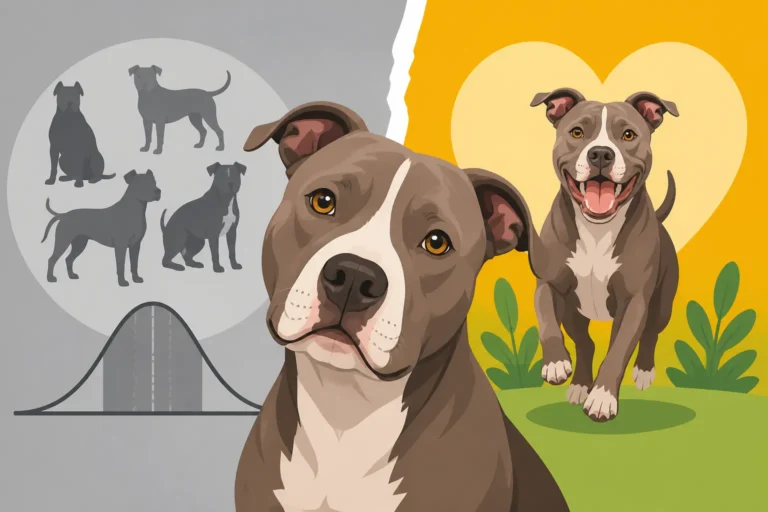
Let's be honest, the term "Pit Bull" is a shorthand that causes a lot of misunderstanding, and it's a frustration many of us who love these dogs deal with regularly. It's not a single breed recognized by major kennel clubs like the American Kennel Club (AKC). Instead, it's a descriptive term often used to refer to a type of dog that descends from bulldogs and terriers. This grouping includes the American Pit Bull Terrier, the American Staffordshire Terrier, and yes, the Staffordshire Bull Terrier. Understanding this distinction is crucial, not just for accuracy, but also for appreciating the individual qualities of each breed.
The Staffordshire Bull Terrier, or "Staffie" as it's affectionately known, often gets overlooked or misidentified in discussions about "Pit Bulls." Its smaller stature compared to some of its American cousins, combined with its distinct history, makes it a breed with its own story to tell. While they share a common ancestral past with other bull and terrier types, the Staffie developed uniquely in the working-class regions of England, shaped by specific needs and cultural contexts. It’s important to recognize that while they might share a family tree branch, they are very much their own dog. Why Pit Bull Is a Type and Not a Breed explores this complexity further.
The Problem with Blanket Labels
One of the biggest problems with lumping all these dogs under one "Pit Bull" label is that it ignores the specific breed standards, temperaments, and histories that define them. Imagine calling all retrieving dogs "Retrievers" and not distinguishing between a Labrador, a Golden Retriever, or a Chesapeake Bay Retriever. You'd lose so much nuance! The same applies here. Each breed, including the Staffie, has a distinct history of development, leading to different physical and behavioral traits.
For instance, while many "Pit Bull type" dogs are known for their athleticism, the Staffie often exhibits a more compact, powerful build that reflects its historical role. They might not be the giants some expect, but they are incredibly strong for their size. This difference is not just academic; it influences everything from their exercise needs to how they are perceived by the public, sometimes leading to housing or insurance challenges.
The Three Breeds People Call Pit Bulls
To clarify, when people say "Pit Bull," they are most commonly referring to one of these three:
- American Pit Bull Terrier (APBT): Recognized by the United Kennel Club (UKC) and American Dog Breeders Association (ADBA). These are often seen as the "original" Pit Bull and can be quite varied in size and build, but generally lean and athletic.
- American Staffordshire Terrier (AmStaff): Recognized by the AKC. Historically developed from APBT lines, bred for conformation and a slightly heavier build.
- Staffordshire Bull Terrier (SBT): Recognized by both the AKC and UKC. This is the smallest of the three, specifically developed in England.
These distinctions are vital because while they share a common ancestor, their development diverged, leading to different breed standards and sometimes, different temperaments. Understanding these differences helps us appreciate the Staffie for what it is, rather than projecting generalizations onto it.
A Look Back: The Staffordshire Bull Terrier's Gritty English Beginnings
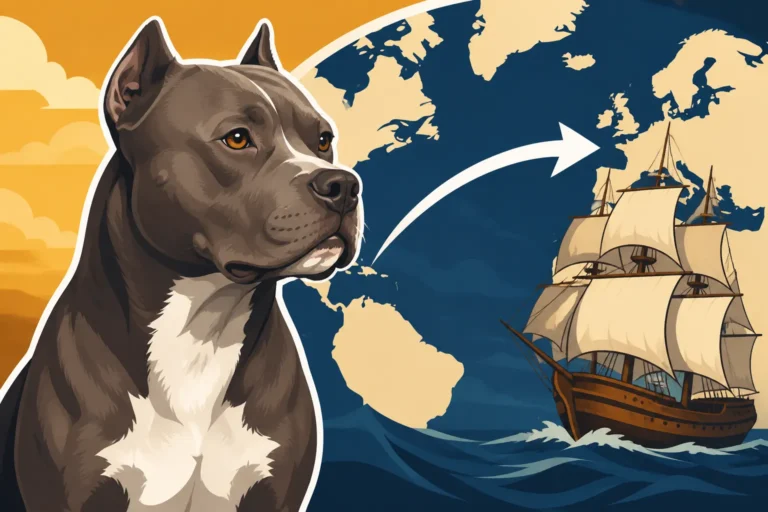
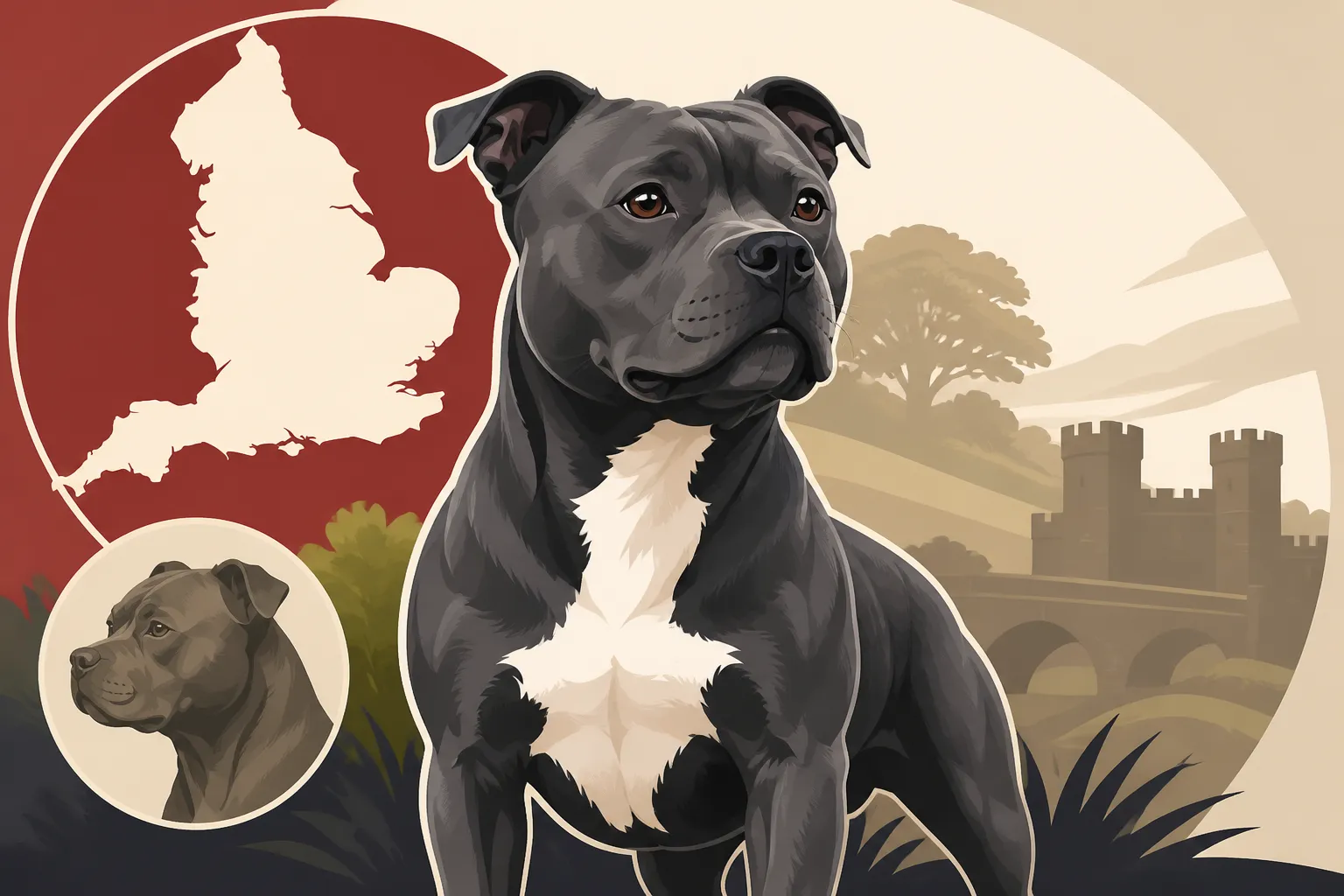
The story of the Staffordshire Bull Terrier is deeply rooted in the industrial heartland of England, specifically in the county of Staffordshire, during the 19th century. This wasn't a breed developed in aristocratic kennels for show or hunting game in vast estates. No, the Staffie emerged from the working classes, born out of a desire for a powerful, courageous, and agile dog for various blood sports. It's a history that's both fascinating and, for many, difficult to reconcile with the loving companions we know today.
Before the formal recognition of the breed, these dogs were simply known as "bull and terrier" crosses. They were the result of crossing the old English Bulldog—a larger, slower dog originally bred for bull-baiting—with various types of terriers, known for their tenacity, quickness, and spirit. This intentional cross aimed to create a dog that combined the bulldog's strength and fearlessness with the terrier's agility and gameness. The Bull and Terrier Origin of the Pit Bull gives a broader overview of this fascinating lineage.
The 1835 Act That Shaped the Pit Bull
The year 1835 was a pivotal moment for these bull and terrier crosses. This was when the Cruelty to Animals Act was passed in England, effectively outlawing traditional blood sports like bull-baiting and bear-baiting. This didn't mean an end to dog fighting, unfortunately, but it did change its nature. Instead of large public spectacles, dog fighting became a clandestine activity. The need shifted from a dog that could hold a bull to one that was agile and powerful in a pit setting against other dogs.
This shift in illegal sports continued to influence the breeding of these bull and terrier types. The dogs needed to be compact enough to be easily hidden, yet still possess immense strength and stamina. This is where the development of the Staffordshire Bull Terrier truly began to diverge, favoring a smaller, more athletic, and incredibly tenacious animal. It’s a harsh truth about their past, but one that is essential to understanding the breed's intrinsic drive and resilience. The 1835 Ban That Redirected Pit Bull Breeding delves into this legal shift and its impact.
Life in the Industrial Midlands
These dogs lived alongside the miners, factory workers, and craftsmen of places like Staffordshire. They were more than just fighting dogs; they were companions, protectors, and symbols of their owners' grit and determination. Life was hard, and these dogs were reflections of their environment – tough, loyal, and incredibly resilient. Their courage was highly prized, not just in the pits, but also as companions in often-challenging living conditions.
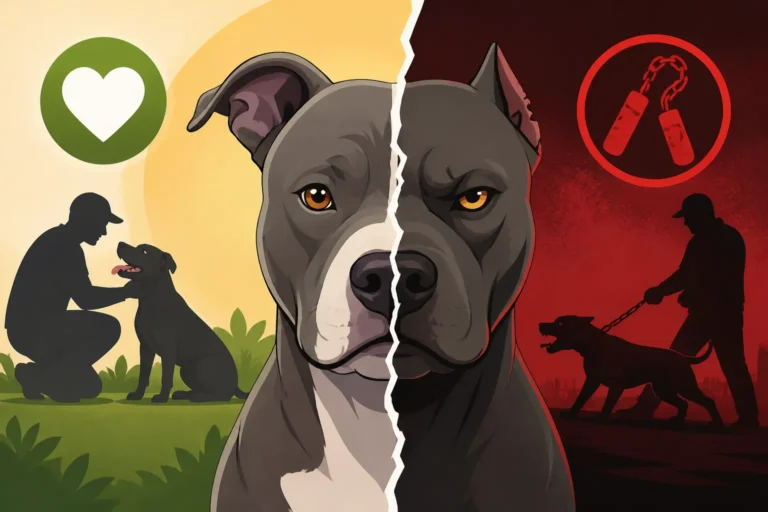
It's important to differentiate this historical context from modern-day ethics. The people who bred these dogs in the 19th century were operating under different societal norms. They valued traits like gameness and power for specific (and now illegal) purposes, but also for their companionship. This duality is part of the Staffie’s complicated legacy. The loyalty and robust nature we see today were forged in those tough industrial towns, making them uniquely suited to form deep bonds with their human families.
From Fighting Pits to Family Hearth: The Evolution of the Staffie
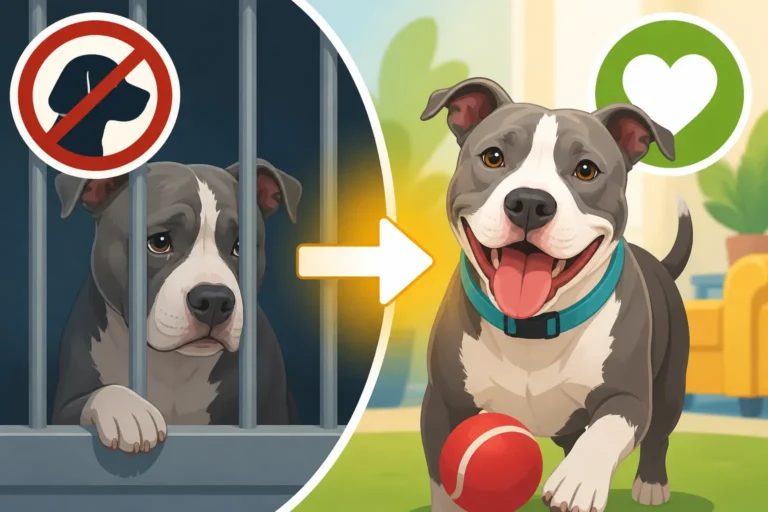
The transition of the Staffordshire Bull Terrier from its bloodsport past to a cherished family companion is a testament to the breed's inherent character and the dedication of early enthusiasts. It wasn't an overnight change, but a gradual process of selective breeding, formal recognition, and a shift in societal values. This evolution speaks volumes about the Staffie's adaptable and affectionate nature, proving that a dog's past does not define its future.
The breeders who championed the Staffie’s legitimacy wanted to move beyond its controversial origins. They recognized the loyalty, courage, and loving disposition that often coexisted with their fighting prowess. It was these positive traits that they sought to highlight and preserve through ethical breeding practices. They envisioned a future where these dogs could be celebrated for their wonderful temperaments rather than their fighting abilities.
Formal Recognition and Temperament
In the early 20th century, efforts intensified to get the Staffordshire Bull Terrier recognized as a legitimate breed. In 1935, the Kennel Club (UK) officially recognized the breed, and the first breed club was formed. This was a monumental step, marking the beginning of the Staffie’s journey from pit dog to pedigree. Standards were established, focusing not just on physical appearance but also on temperament. The emphasis was placed on intelligence, courage, and above all, reliability and affection towards people.
This formal recognition helped to solidify the Staffie's reputation as a companion animal. Breeders worked diligently to select for dogs with stable, friendly temperaments. This doesn't mean the breed lost its toughness or spirit; rather, those traits were redirected into positive channels, like enthusiasm for play or unwavering loyalty to their family. You can still see that historical "gameness" in their drive to retrieve a favorite toy or their boundless energy during a game of fetch. Pit Bull Temperament and the ATTS Results can offer insights into how their temperaments are measured.
| Trait \ Breed | Staffordshire Bull Terrier | American Pit Bull Terrier | American Staffordshire Terrier |
|---|---|---|---|
| Origin | England | United States | United States |
| Primary Ancestry | Old English Bulldog x Terrier | Bulldog x Terrier (later developed) | APBT lines, developed for show |
| Size (approx.) | Small to Medium (24-38 lbs) | Medium (30-60+ lbs) | Medium to Large (50-80 lbs) |
| Build | Compact, muscular, short-coupled | Athletic, lean, powerful | Stocky, muscular, heavier bone |
| Head Shape | Broad, deep, prominent cheek muscles | Moderate brick-like, distinct stop | Broad, deep, pronounced jaw |
| Temperament Focus | Courageous, highly affectionate with people, playful | Confident, eager to please, high drive | Confident, intelligent, good-natured |
| AKC Recognition | Yes | No | Yes |
| UKC Recognition | Yes | Yes | Yes |
The "Nanny Dog" Myth and Reality
The term "nanny dog" is often associated with the Staffordshire Bull Terrier, suggesting they were historically employed to care for children. While it’s a lovely sentiment, and Staffies often display immense patience and affection towards children, it’s largely a myth. This phrase likely emerged from the breed's reputation for being extremely good-natured and tolerant with children in family settings, not from a specific historical role. Why the Pit Bull Nanny Dog Story Is a Myth dissects this common misconception.
However, the fact that this myth gained traction speaks volumes about the Staffie's loving nature. They are often described as exceptionally good with people, including kids, making them wonderful family pets. This doesn't mean they don't need supervision or proper training; no dog should ever be left unsupervised with children. But it does highlight their generally gentle disposition when raised and socialized properly. Think of it more as a testament to their kind hearts than a job description.
Recognizing the Staffordshire Bull Terrier: Key Traits and Temperament
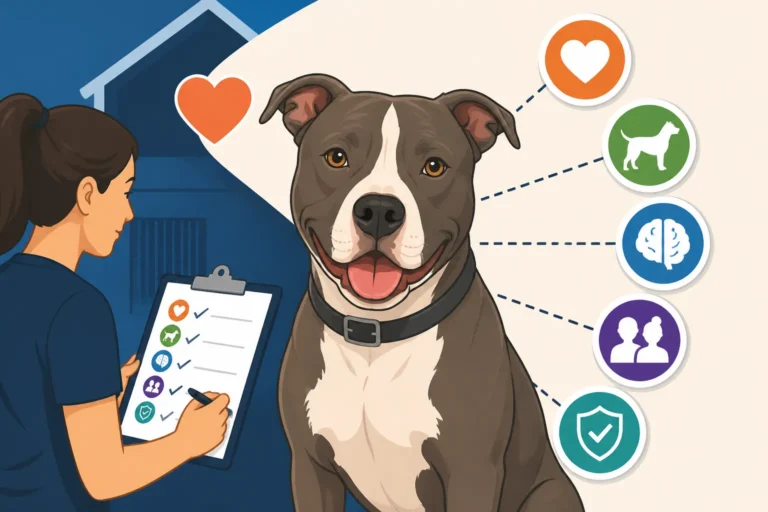
So, what does a Staffordshire Bull Terrier actually look like, and what kind of personality can you expect? If you’ve spent any time around Staffies, you know they are utterly charming dogs, brimming with character. They’re a distinctive package of compact power, boundless energy, and an overflowing well of affection. Their appearance and temperament are both products of their unique history.
Physically, the Staffie is a sturdy, muscular dog, often described as having a "big dog in a small package" feel. They typically weigh between 24-38 pounds and stand 14-16 inches tall at the shoulder, a considerable difference from some of the larger "Pit Bull type" dogs. Their heads are broad and deep, with pronounced cheek muscles and a powerful jaw, giving them a very distinctive, endearing smile. Their coats are short, smooth, and come in various colors, from red and fawn to black, blue, brindle, or any combination with white. Caring for that short coat is generally easy, but they do shed, so regular brushing is a good idea. Pit Bull Coat and Skin Care Week to Week offers more insights on general coat care.
Temperament: A Lover, Not a Fighter (of Humans)
The most defining characteristic of the Staffordshire Bull Terrier is undoubtedly its temperament: utterly reliable and affectionate with people. They are known for their courage and intelligence, but above all, for their devotion to their human families. Seriously, if you're looking for a dog that will glue itself to your side, follow you from room to room, and demand copious amounts of cuddles, a Staffie might be for you. They have earned the nickname "velcro dog" for a reason!
While they were historically bred for dog-on-dog combat, modern, well-bred Staffies are typically very good with people and crave interaction. However, their strong prey drive and potential for dog-selectivity (meaning they might be fine with some dogs but not others) mean that early, thorough socialization is absolutely crucial. Socializing a Pit Bull Puppy Thoroughly is an important resource for any owner of a bull and terrier type dog. It's a key part of responsible ownership to understand their heritage and manage it appropriately in a multi-dog household or public settings.
Exercise, Training, and Enrichment
Despite their smaller size, Staffies are energetic dogs that need a good amount of exercise. Think daily walks, vigorous play sessions, and mental stimulation. A bored Staffie is often a mischievous Staffie! They excel in dog sports like agility, flyball, and obedience, which provide fantastic outlets for their intelligence and athleticism. You'll find a wide array of durable toys perfect for their strong jaws and energetic play on sites like Chewy, from tug toys to puzzle feeders.
Training a Staffie is generally a joy. They are intelligent and eager to please, especially when positive reinforcement is used. However, their tenacity means they can also be quite stubborn, so consistency and patience are key. Early obedience training and continued socialization throughout their lives will help them become well-adjusted, confident companions. They respond beautifully to kindness and firm, clear boundaries. For specific training tools, Chewy offers a great selection of harnesses and strong leashes suitable for their powerful build.
Remember, a well-exercised and well-trained Staffie is a happy Staffie. Their high energy needs mean they thrive in active homes where they can be included in family activities. They love being part of the action, whether it's a hike, a trip to the beach, or just snuggling on the couch for movie night. For healthy snacks to fuel their adventures or to aid in training, you can always check out the diverse options available at Chewy. Pit Bull Weight and Muscle on a Working Frame discusses how to maintain a healthy weight for these muscular dogs, which is crucial for overall health and longevity.
Caring for a Staffordshire Bull Terrier in the Modern Home
Bringing a Staffordshire Bull Terrier into your home is a commitment to a loyal, loving, and energetic companion. They thrive on companionship and are happiest when they are an integral part of the family. This isn't a breed that does well when left alone for long stretches in the backyard; they want to be with their people, sharing your sofa and your life.
Their deep affection for people means they can sometimes develop separation anxiety if not properly prepared for alone time. Crate training from a young age can be very beneficial, providing them with a safe den when you're away. Consistent routines, mental stimulation, and plenty of exercise before you leave can also help manage any anxious tendencies. Providing interactive toys or long-lasting chews can also keep their minds occupied.
Health Considerations
Like all breeds, Staffies have some predispositions to certain health conditions. Responsible breeders will screen their dogs for these issues. Some common concerns include:
- L-2-Hydroxyglutaric Aciduria (L-2-HGA): A neurological disorder that can cause symptoms similar to epilepsy. DNA testing is available for this.
- Hereditary Cataracts (HC): An inherited eye condition that can lead to blindness.
- Hip and Elbow Dysplasia: While not as prevalent as in some larger breeds, it can still occur. Good breeders will have OFA or PennHIP clearances. Pit Bull Hip Dysplasia Showing at One to Two Years covers this condition in more detail.
- Skin Allergies: Bull and terrier breeds, including Staffies, can be prone to various skin issues, including environmental and food allergies. This can manifest as itchy skin, paw licking, and ear infections. Pit Bull Skin Allergies and the Atopy Pattern is a must-read for any Staffie owner dealing with skin issues.
Regular veterinary check-ups, a high-quality diet, and attentive care are essential for keeping your Staffie healthy. If you’re ever unsure about symptoms or dietary needs, your vet is your best resource. For prescription diets or specific supplements recommended by your vet to manage conditions like allergies, online retailers like Chewy often carry a comprehensive selection.
Living with the Staffie Reputation
Despite their lovely temperaments, Staffordshire Bull Terriers, due to their inclusion under the "Pit Bull" umbrella, can face breed-specific legislation (BSL) in certain areas, as well as restrictions from landlords and insurance companies. This is a frustrating reality for many Staffie owners. It's crucial to research local laws and potential housing restrictions before bringing one home. Where Pit Bull Legislation Still Applies and Finding a Rental That Takes a Pit Bull are important resources.
It takes a dedicated owner to navigate these challenges, advocating for their dog and demonstrating responsible ownership through training, socialization, and proper management. Every positive interaction a Staffie has with the public helps to chip away at the negative stereotypes. These dogs are ambassadors for their type, and their wonderful personalities often win over even the most skeptical individuals.
The Staffordshire Bull Terrier is a unique, charismatic, and deeply loving breed with a rich history. While its origins are tied to a difficult past, the modern Staffie has evolved into an extraordinary family companion, celebrated for its courage, intelligence, and unwavering devotion to its people. Understanding their English roots and distinct characteristics allows us to appreciate them fully and give them the best possible life in our homes.
Disclaimer
This article is for general informational purposes only and does not constitute professional advice. Laws, prices and regulations vary by location and change over time. Consult a qualified professional for guidance on your specific situation.