Pit Bull Leash Manners and Physical Strength
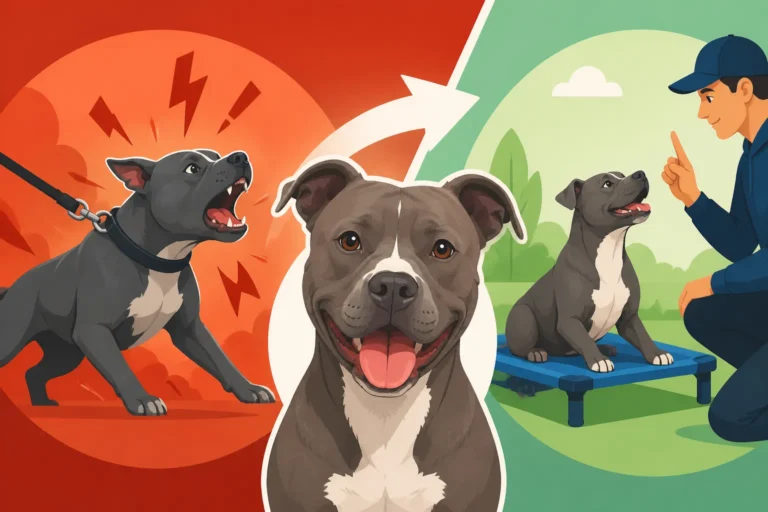
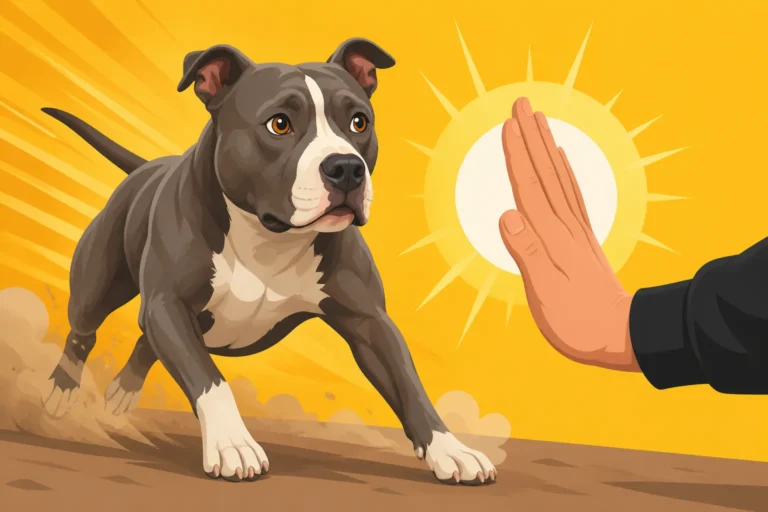
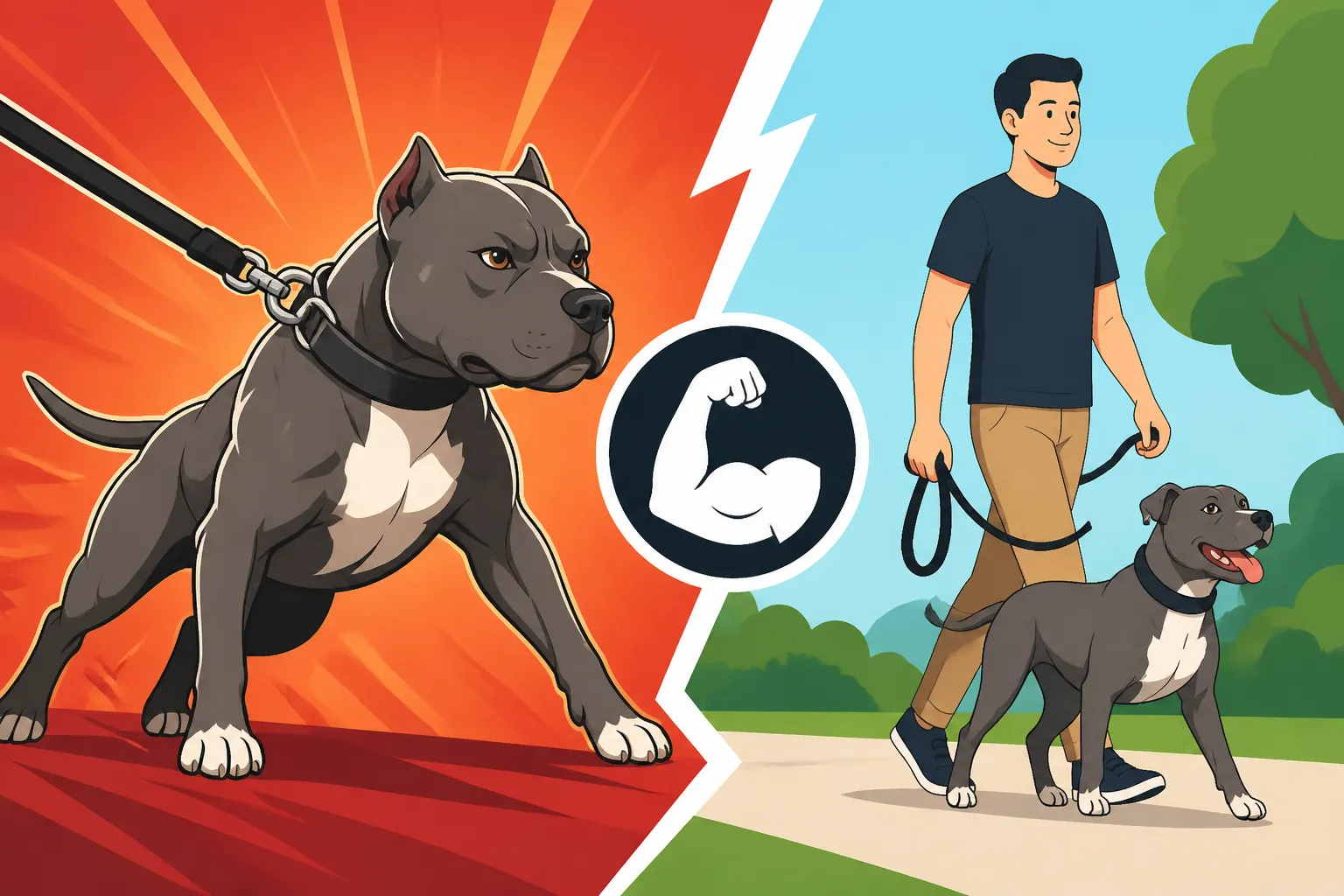
It's a familiar scene for so many Pit Bull owners: that moment you step out the door, leash in hand, full of optimism, only to be yanked down the sidewalk like a rag doll by a dog bursting with enthusiasm and pure, unadulterated strength. Dealing with a powerful dog who pulls on the leash isn't just frustrating; it can be downright dangerous and completely drains the joy out of what should be a pleasant walk. This guide dives deep into why Pit Bulls pull, the best tools and training methods to manage their immense physical strength, and how to transform those stressful strolls into enjoyable outings for both of you.
Understanding Pit Bull Strength on Leash
Let's face it, Pit Bulls are built like canine tanks. They possess an incredible combination of muscle mass, a low center of gravity, and an enthusiasm for life that can translate into immense pulling power. When you're dealing with a dog that can easily outweigh you and whose primary mode of forward motion is a powerful surge, managing them on a leash becomes a unique challenge. It's not just a matter of "bad manners"; it's a physical reality we have to address head-on.
The Raw Power Behind the Pull
Imagine trying to hold back a small, determined pony that wants to investigate every sniff and squirrel. That's often what it feels like to walk a strong, untrained Pit Bull. Their broad chests and powerful hindquarters are designed for bursts of speed and incredible leverage. When they dig in, especially if they're excited or reactive, it can feel like your shoulder is being dislocated. This isn't usually an act of defiance; it's simply a natural expression of their physical capabilities combined with a lack of understanding about how to walk politely. Many owners find themselves physically exhausted after just a short walk, constantly bracing for the next lunge, which turns daily exercise into a chore rather than a pleasure.
Why They Pull: Instinct Versus Training Gaps
Pit Bulls often pull for a variety of reasons, and it's rarely malicious. More often than not, it boils down to instinct and insufficient training. Firstly, dogs are naturally faster than humans; they walk at a quicker pace and are driven by their noses and eyes to explore the world around them. To a dog, walking ahead of you feels natural, not rude. Secondly, if pulling has historically gotten them to their desired destination faster – whether it's a sniff spot, a tree, or another dog – then they've learned that pulling works. This is called positive reinforcement from their perspective. A strong dog like a Pit Bull needs clear, consistent communication from day one that loose-leash walking is the only acceptable way to move forward. Without it, their natural exuberance and physical prowess will inevitably lead to pulling.
The Handler's Perspective: Feeling Overwhelmed
It’s easy to feel defeated and even a little embarrassed when your dog is dragging you down the street. The stares from other people, the near-misses with tripping, and the constant strain on your arms and shoulders can erode your confidence. Many Pit Bull owners grapple with the unfair stereotypes already associated with the breed, and having a dog that appears out of control only amplifies these anxieties. This feeling of being overwhelmed can lead to shorter walks, less outdoor time, and even avoidance of public spaces, which in turn can lead to an under-exercised dog with even more pent-up energy, creating a vicious cycle. Validating these feelings is crucial because addressing leash manners starts with a confident, capable handler.
Essential Gear for Leash Management
Choosing the right equipment is not a magic bullet, but it's a fundamental step in gaining better control and making training more effective. The goal is to find tools that give you leverage without causing pain or fear, allowing you to communicate clearly with your powerful companion. Forget the idea that a flat collar is always enough for a pulling Pit Bull; sometimes, you need something that gives you a bit more mechanical advantage.
Choosing the Right Harness for a Pit Bull
A well-fitting harness can make a huge difference, especially for a broad-chested dog like a Pit Bull. Unlike a collar that puts pressure on the throat, a harness distributes pressure across the chest and shoulders. For a dog that pulls, a front-clip harness is often highly recommended. This type of harness has the leash attachment ring on the dog's chest. When your Pit Bull pulls, the leash redirects their momentum to the side, gently turning them back towards you, making it much harder for them to drag you forward. Brands like Balance Harness or Easy Walk are popular choices, and you can find many options on Amazon. Ensure the harness fits snugly but allows for full range of motion, without chafing behind the legs or across the shoulders. A snug fit is crucial; a loose harness can shift and be less effective, or even allow for escape. Understanding Harness Fit Across a Broad Pit Bull Chest is key to making the right choice.
Head Halters: A Gentle Alternative
Head halters, sometimes called "head collars," like the Halti or Gentle Leader, work by giving you control over the dog's head, which in turn influences the rest of their body. Think of it like a bridle on a horse. If you can steer the head, the body follows. When your Pit Bull pulls, a head halter applies gentle pressure around their muzzle and behind their ears, guiding their head to the side or downwards, making it uncomfortable (but not painful) to pull forward. This allows for excellent control with minimal physical effort, which is especially beneficial for smaller handlers or those with physical limitations. Many owners find they can walk their strong Pit Bull with just a fingertip on the leash once they master the head halter. It's important to introduce these gently and positively, associating them with treats and praise, as some dogs initially resist having something on their muzzle. A common concern is Whether a Head Halter Works on a Pit Bull, and for many, it's a game-changer.
The Role of Collars: Flat, Martingale, and Others
While harnesses and head halters offer more control for pulling dogs, collars still have their place. A standard flat buckle collar is essential for holding identification tags and is often used in conjunction with a harness. However, it provides very little control over a strong, pulling Pit Bull and can actually cause discomfort and damage to the trachea if the dog is constantly choking themselves.
For dogs that tend to slip out of flat collars, or for added security, a Martingale collar can be a good option. This collar has a loop that tightens when the dog pulls, preventing them from backing out, but it also has a stop that prevents it from becoming too tight or choking the dog. It’s not meant for correction or training loose-leash walking, but rather as a safety device, especially for dogs with smaller heads than necks.
It's generally advised to avoid choke chains, prong collars, or electronic collars for teaching leash manners, especially without expert guidance. These tools rely on punishment and can damage the bond with your dog, potentially leading to fear, anxiety, or aggression, and are not in line with modern positive reinforcement training methods. Why Harsh Handling Backfires on a Pit Bull is a topic worth exploring further for those considering such tools.
| Leash Management Tool | Primary Function | Pros | Cons |
|---|---|---|---|
| Flat Collar | ID tags, basic leash attachment | Simple, universally accepted | Minimal control for pulling, can cause tracheal damage |
| Martingale Collar | Safety (prevents slipping out) | Secure, prevents escapes | Not a training tool, can still cause pulling |
| Front-Clip Harness | Redirects pulling force | Reduces pulling, comfortable for dog, easy to use | Can tangle legs if poorly fitted, some dogs dislike |
| Head Halter | Controls head direction | Excellent control with minimal force, quick results | Requires positive introduction, some dogs resist initially |
Foundation Training for Leash Manners
No matter how strong your Pit Bull is, effective training can make a world of difference. It's about teaching them what to do rather than just trying to physically stop what they're doing. This involves patience, consistency, and a deep understanding of positive reinforcement. Building a strong foundation from puppyhood or the moment you bring your rescue home is critical.
Starting Early: Puppy Leash Introduction
The best time to teach good leash manners is when your Pit Bull is still a tiny, adorable puppy. Even before they are fully vaccinated and ready for public walks, you can start acclimating them to wearing a collar and a lightweight leash indoors. Let them wear it for short periods, associating it with positive experiences like play and treats. Once they're comfortable, start walking them around the house or yard on a loose leash. Reward every step they take with the leash slack. The goal is for them to never learn that pulling is an effective strategy. If they start to pull, simply stop moving. The world only moves forward when the leash is loose. This early positive association can prevent a lifetime of pulling struggles.
Positive Reinforcement for Loose-Leash Walking
Positive reinforcement is your most powerful tool. This means rewarding your Pit Bull for choosing to walk nicely, rather than punishing them for pulling. Keep high-value treats in your pocket – small, soft, and easy for your dog to swallow quickly. Every time your Pit Bull walks beside you with a loose leash, mark the behavior (a verbal "yes!" or a clicker sound) and reward them immediately. The moment they start to pull, stop. Don't say anything, don't yank the leash – just become a tree. Once the leash slackens, even for a second, reward them and start walking again. This teaches them that a tight leash means no progress, and a loose leash means movement and treats. Consistency is absolutely vital here. If you sometimes let them pull to get to the park, you're undoing all your hard work. Consider investing in resources like the BAXTER & Bella online puppy school, which offers comprehensive positive reinforcement guidance, or seeking out a local trainer specializing in positive methods. This approach is highly effective and fosters a strong, trusting bond. Learning Positive Reinforcement Training With a Pit Bull is a must for any owner.
Building Focus Amidst Distractions
Pit Bulls are intelligent and observant, and the world outside is full of fascinating smells, sounds, and sights. Building focus is crucial for maintaining loose-leash walking in distracting environments. Start training in a quiet area with minimal distractions, like your backyard. Once your Pit Bull is reliably walking nicely there, gradually introduce more challenging environments. Practice "look at me" commands, rewarding heavily when they make eye contact. Play engagement games on walks, randomly changing direction or pace and rewarding them for staying with you. Use High-Value Treats That Hold a Pit Bull's Focus to keep their attention on you, especially when passing tempting distractions like other dogs, people, or interesting smells. The goal is for your Pit Bull to view you as the most interesting and rewarding thing on the walk, even when a squirrel darts across the path.
Addressing Specific Leash Challenges
Even with solid foundation training, specific scenarios can trigger your Pit Bull's natural strength and drive, leading to pulling. Understanding these triggers and having strategies to manage them is key to truly enjoyable walks. It’s about being proactive, not reactive.
Stopping a Pit Bull That Drags You Down the Street
When your Pit Bull is in full pull-mode, it can feel like an unstoppable force. The "Be a Tree" method, as described earlier, is foundational. But what if they just keep pulling and don't relent? This is where strategic leash handling combined with the right equipment really shines. If using a front-clip harness, when they pull, simply stop. The harness will naturally turn their body towards you. As soon as the tension releases, even slightly, mark and reward, then resume walking. For those using a head halter, a gentle, consistent pressure on the leash to redirect their head towards you, followed by an immediate release of pressure when they comply, will communicate your expectations. The key is to be consistent and patient. Every single step they take on a loose leash is a win. If you find yourself consistently being dragged, revisit your equipment choice and ensure your training sessions are short, positive, and frequent. Stopping a Pit Bull That Drags You Down the Street requires both physical tools and mental fortitude from the handler.
Managing Reactivity Towards Other Dogs or Stimuli
Reactivity, where a Pit Bull barks, lunges, or pulls excessively at the sight of another dog, person, or object, is a common and challenging issue. Their physical strength makes these reactions particularly hard to manage. The "Engage-Disengage" game is a powerful tool here. When you see a trigger in the distance, before your Pit Bull reacts, immediately start rewarding them for looking at the trigger, then looking back at you, and then moving away. The goal is to change their emotional response from "I need to get to that!" or "I need to scare that away!" to "Oh, a trigger! That means good things happen when I look at my human!" Always maintain a distance where your Pit Bull is under threshold – meaning they notice the trigger but don't react negatively. If they react, you're too close, and you need to create more distance next time. This systematic desensitization and counter-conditioning can be incredibly effective. Consider practicing Walking a Pit Bull Past Reactive Dogs with the help of a certified professional.
The "Zoomies" and Sudden Bursts of Energy
Even the best-trained Pit Bull can suddenly get a burst of energy, sometimes called "the zoomies," or simply become incredibly excited by a new smell or sight. Their physical strength means these sudden surges can be startling and difficult to control. Instead of trying to physically restrain them, which can sometimes escalate the behavior, try to redirect. If they suddenly bolt for a smell, use a clear "leave it" command followed by a "come" and reward them for re-engaging with you. For dogs prone to sudden playful leaps or unexpected bursts of speed, a front-clip harness or head halter provides the best mechanical advantage to safely manage these moments without losing control or risking injury to yourself. Anticipating these moments by knowing your dog's triggers and offering a calmer, rewarding alternative can help channel that energy more constructively.
Advanced Techniques and Consistency
Once your Pit Bull has a grasp of basic loose-leash walking, you can refine their manners and consistency, building a truly reliable walking companion. This moves beyond simply "not pulling" to walking cooperatively and attentively by your side.
Incorporating Structured Walks and Heeling
Structured walks go beyond just getting from point A to point B; they are training opportunities. Incorporate periods of formal heeling into your walks, where your Pit Bull is expected to walk precisely by your side, even with distractions. Start with short bursts – just 10-20 steps – in a quiet area, rewarding lavishly for correct positioning. As they improve, gradually increase the duration and introduce more distractions. The command "heel" should mean: stay by my side, eyes on me, no pulling. This focused work helps to build impulse control and reinforces the idea that you are the leader of the walk. These periods of structured attention can be surprisingly tiring for a dog, offering mental exercise in addition to physical.
Long Line Work for Controlled Exploration
Sometimes, your Pit Bull just needs to explore and sniff without the restriction of a short leash, but being off-leash isn't safe or allowed. This is where a long line (a leash ranging from 15 to 50 feet) comes in handy. It allows them to roam further while still being safely attached to you. Use a harness with a back clip for long line work to avoid neck strain if they hit the end of the line. Practice recall commands on the long line, gradually increasing the distance. This gives them the freedom to burn off energy and satisfy their sniffing instincts, which can paradoxically improve their short-leash manners because they've had an outlet for their natural desires. Just be mindful of your surroundings and ensure your long line doesn't pose a trip hazard to others.
The Importance of Handler Confidence and Body Language
Dogs are masters at reading our body language. If you're tense, hesitant, or constantly anticipating a pull, your Pit Bull will pick up on that and may become more anxious or prone to testing boundaries. Cultivating a calm, confident demeanor is crucial. Stand tall, keep your shoulders relaxed, and hold the leash with a loose grip, only tightening if you need to offer a correction or guidance. Your voice should be calm and encouraging, not frantic or scolding. Think of yourself as a GPS: you're clearly communicating where to go, not yelling at the car for taking the wrong turn. A confident handler projects leadership and security, making the dog feel more secure and less inclined to take matters (or the leash) into their own paws. Building a Pit Bull's Impulse Control starts with your consistent guidance.
Beyond the Leash: Exercise and Mental Stimulation
Leash manners aren't just about what happens on the leash. A well-exercised and mentally stimulated Pit Bull is generally a much calmer and more cooperative dog on walks. Pent-up energy and boredom are major contributors to pulling and other undesirable leash behaviors.
Satisfying a Pit Bull's Need for Physical Activity
Pit Bulls are athletic and require significant physical exercise. Simply letting them out in the yard isn't enough; they need structured activity that challenges their bodies. This could mean brisk walks or jogs (once they're old enough and conditioned), engaging in dog sports like agility or flyball, or playing vigorous games of fetch in a secure area. A tired Pit Bull is a good Pit Bull, and a dog who has had an appropriate physical outlet is far less likely to be pulling frantically on the leash, trying to burn off excess energy. Aim for at least 60-90 minutes of vigorous exercise daily, broken into multiple sessions. Understanding The Daily Exercise a Pit Bull Actually Needs can help you structure their routine. However, remember to avoid over-exercising a growing puppy to protect their developing joints.
Mental Enrichment to Reduce Leash Frustration
Physical exercise is only half the battle; Pit Bulls also need mental stimulation. A dog that is mentally bored can be just as problematic as one that is physically under-exercised. Incorporate puzzle toys, sniff walks (where they are encouraged to use their nose to explore, perhaps on a long line), obedience training sessions, or even learning new tricks indoors. Scent work, where they use their powerful noses to find hidden treats or toys, is particularly enriching. A dog whose brain is engaged is often a more balanced and attentive companion, and less likely to be frustrated on walks, leading to better leash manners. When you provide outlets for their natural drives, like sniffing and problem-solving, you reduce the likelihood of those drives manifesting as unwanted pulling. Many sturdy puzzle toys can be found on Amazon that stand up to a Pit Bull's strong jaws.
How Overall Fitness Impacts Leash Behavior
A Pit Bull's overall health and fitness directly impact their ability and willingness to walk nicely on a leash. A dog that is overweight or out of condition might pull because they're uncomfortable, tire easily, or lack the stamina for a proper walk, leading to frustration. Conversely, a lean, well-conditioned Pit Bull has the endurance to maintain a steady pace and focus. Regular vet check-ups are important to rule out any underlying pain or discomfort (like arthritis or hip issues) that might be contributing to pulling or reluctance to walk. A healthy diet, appropriate exercise, and maintaining a healthy weight are all crucial components. Overweight Pit Bulls are also more susceptible to issues like Pit Bull Obesity and Joint Strain, which can further complicate their mobility and temperament on walks.
Troubleshooting and Seeking Professional Help
Despite your best efforts, there might be times when you hit a wall, or your Pit Bull's leash manners regress. This is normal, and it doesn't mean you've failed. It just means it's time to re-evaluate and, perhaps, bring in an expert.
When Training Plateaus or Regresses
It's common for dogs to hit training plateaus or even regress, especially during adolescence (often referred to as The Pit Bull Teenage Months). They might suddenly "forget" all their good manners, or new distractions might prove too overwhelming. Don't get discouraged! This is usually a sign that you need to go back to basics. Revisit familiar, low-distraction environments. Shorten your training sessions. Increase your reward rate for good behavior. Ensure you're being utterly consistent. Sometimes, simply identifying a new trigger or a change in routine can explain a regression. For example, if you just got a new squeaky toy, your Pit Bull might be more keyed up on walks. Patience and persistence are your allies here.
Finding a Trainer Experienced With Pit Bulls
While the principles of positive reinforcement training apply to all dogs, a Pit Bull's unique strength, drive, and often misunderstood public perception mean that working with a trainer experienced with the breed can be invaluable. Look for a certified professional dog trainer (CPDT-KA, KPA-CTP, or similar credentials) who uses humane, force-free methods. Ask about their experience specifically with strong, pulling breeds. A good trainer won't just tell you what to do; they'll show you, observe you and your dog, and help you troubleshoot in real-world scenarios. They can also offer personalized advice tailored to your dog's specific temperament and challenges. Don't be afraid to interview a few trainers to find the right fit for you and your Pit Bull. Understanding Trainer Rates for a Strong Pulling Pit Bull can help you budget for this essential investment.
Recognizing Health Issues Affecting Leash Behavior
Sometimes, what appears to be a training problem can actually have a physical root. A Pit Bull that suddenly starts pulling excessively, or becomes reluctant to walk, might be experiencing pain or discomfort. Arthritis, hip or elbow dysplasia, back pain, or even an unnoticed injury to a paw pad can change a dog's gait and willingness to cooperate on a leash. Skin allergies and chronic ear infections can make a dog itchy, distracted, and uncomfortable, leading to erratic behavior or resistance during walks. If you notice a sudden, unexplained change in your Pit Bull's leash manners, especially if it's accompanied by other symptoms like limping, lethargy, or loss of appetite, a trip to the vet is in order. It's crucial to rule out any underlying medical conditions before attributing all behavior to "stubbornness."
Disclaimer
This article is for general informational purposes only and does not constitute professional advice. Laws, prices and regulations vary by location and change over time. Consult a qualified professional for guidance on your specific situation.