Where the Pit Bull Nanny Dog Claim Started
It's incredibly common for Pit Bull owners, and even those considering bringing one into their home, to encounter the pervasive "nanny dog" narrative. This idea, suggesting that Pit Bulls are inherently gentle and protective guardians of children, sounds comforting, but it's a simplification that can unfortunately lead to misunderstandings and even unsafe situations. This guide will explore the fascinating, yet often misconstrued, origins of this claim, dissecting where it started, why it became so popular, and what it truly means for responsible Pit Bull ownership today.
The Enduring Myth of the "Nanny Dog"
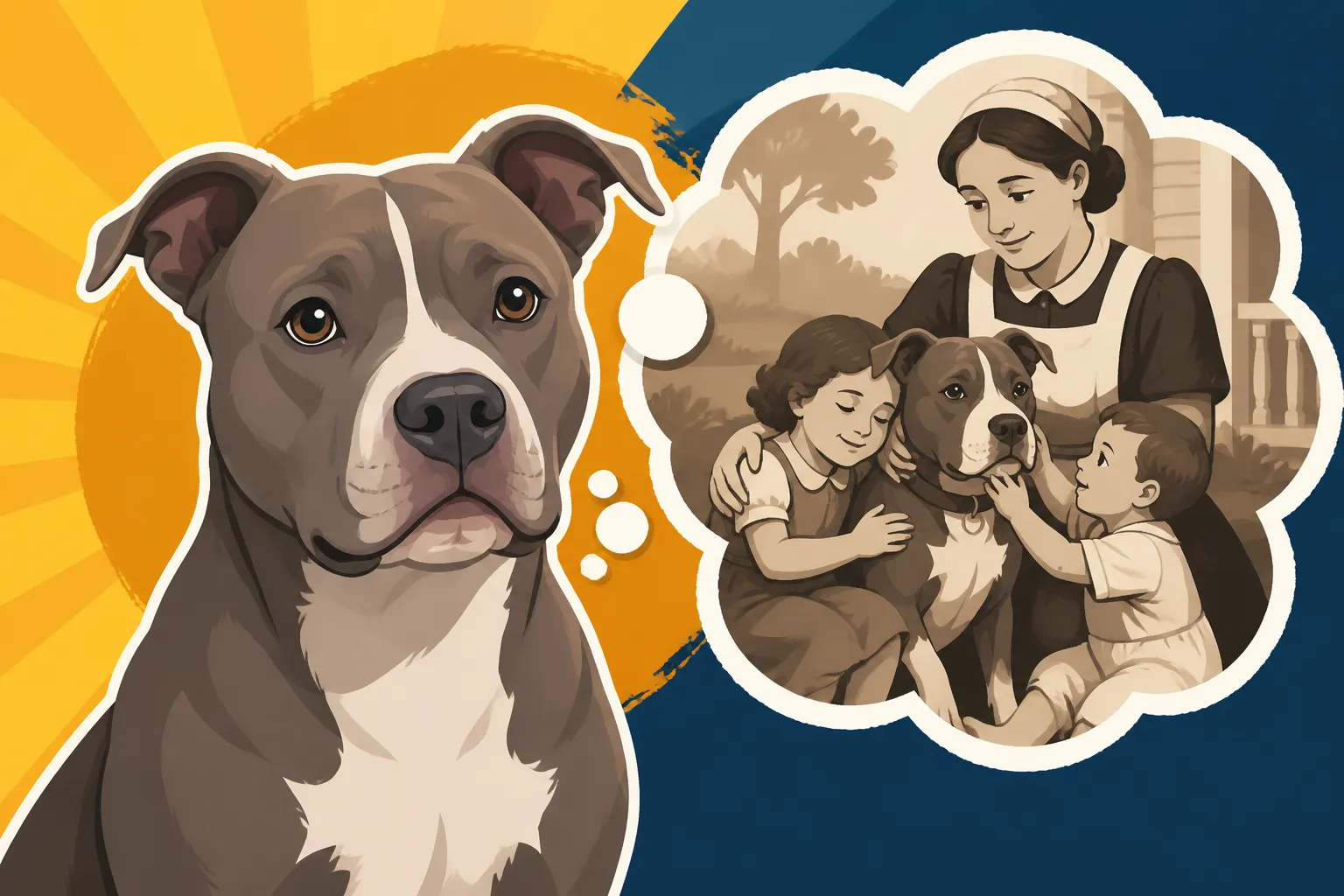
The term "nanny dog" for Pit Bulls is something you hear whispered in dog parks, read in online forums, and even see on vintage postcards. It conjures an image of a loyal, patient canine guardian, perpetually watchful over a child, tolerating every tug and tumble with unwavering gentleness. For many Pit Bull enthusiasts, it’s a treasured concept, a counter-narrative to the often-negative stereotypes that plague the breed type. It speaks to a desire for their beloved dogs to be seen as the loving family members they are.
What the Nanny Dog Claim Implies
At its core, the "nanny dog" claim implies an almost instinctual, foolproof trustworthiness when it comes to Pit Bulls and children. It suggests that these dogs possess a unique, innate quality that makes them exceptionally safe companions for the youngest members of the family, requiring little to no specific training or supervision beyond their natural disposition. This can be incredibly appealing, especially for families looking for a dog that will seamlessly integrate into a busy household with kids running around. The implication is that a Pit Bull is a ready-made childcare assistant, a furry, four-legged sentinel who will inherently know how to behave around a baby or toddler.
However, this implication, while heartwarming, also carries a significant risk. It can lead owners to relax their vigilance, assuming their Pit Bull is automatically immune to the stressors, startling movements, or accidental roughhousing that can occur when children and dogs interact. No dog, regardless of breed or individual temperament, is ever truly "childproof." Every dog is an animal with instincts and responses shaped by their individual experiences, training, and current emotional state. Relying on an inherent "nanny" quality rather than active supervision and education for both dog and child is a dangerous shortcut that goes against all modern animal behavior advice.
Why This Myth Resonates with Owners
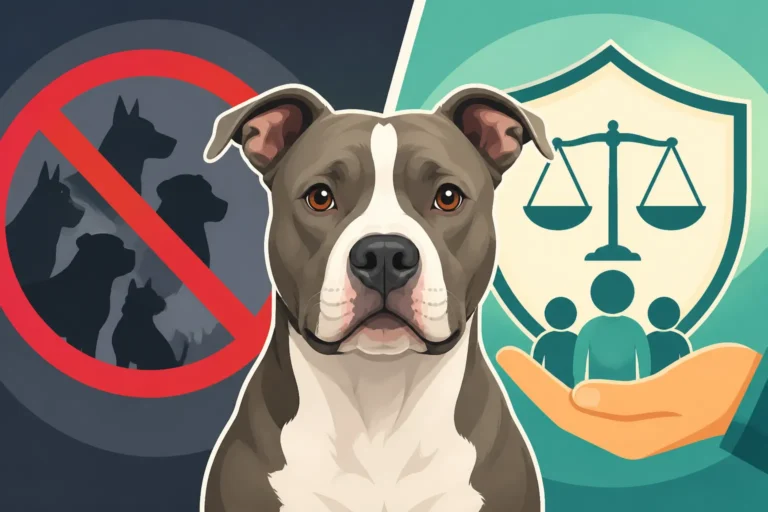
The "nanny dog" myth resonates deeply with Pit Bull owners because it offers a powerful narrative against the unfair stigma often attached to these dogs. For years, Pit Bulls have been unfairly branded as aggressive, dangerous, and unpredictable, often facing breed-specific legislation and discrimination in housing and insurance. When you love your Pit Bull and know them to be a gentle, affectionate companion, seeing them portrayed negatively can be frustrating and heartbreaking. The "nanny dog" story serves as a positive counterpoint, a way to highlight the loyal, loving nature that so many owners experience firsthand.
Furthermore, it speaks to a romanticized ideal of dog ownership – the loyal family protector. Many people genuinely remember old photographs or stories of family dogs of various breeds being wonderful with children, and they want that same experience. The "nanny dog" myth taps into this nostalgia, offering a heartwarming image that stands in stark contrast to sensationalized news stories. It gives owners a positive label to cling to, a way to champion their dogs in the face of widespread misunderstanding. It's a wish for their dogs to be understood and accepted for the wonderful companions they can be, rather than feared.
Tracing the Historical Roots: Where Did It Actually Come From?
So, if no dog is truly a "nanny dog," where did this persistent claim about Pit Bulls even begin? It wasn't born out of ancient folklore or a long-lost breeding purpose. Instead, its origins are rooted in a specific historical context, influenced by shifts in public perception and the powerful sway of media and advertising in the early to mid-20th century. Understanding this timeline helps demystify the claim and places it within its proper historical lens.
Early 20th Century Perceptions and Propaganda
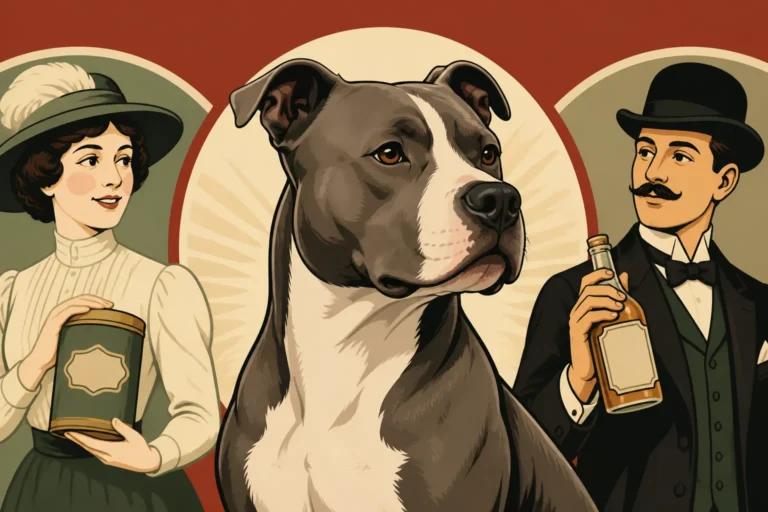
To understand the "nanny dog" claim, we need to rewind to the early 20th century, a time when Pit Bull type dogs held a very different place in American society. They were widely admired as courageous, loyal, and robust dogs, symbols of strength and American spirit. They graced propaganda posters during World War I, embodying patriotism and resilience. Far from being feared, they were often depicted as cherished family members, integral to the American household. This period saw them recognized for their gameness and tenacity, but also for their affectionate nature with people.
These dogs were also popular companions in urban environments, fitting well into working-class homes where they were valued for their companionship and guarding instincts. They were truly considered "all-around" dogs, capable of everything from farm work to being a steadfast presence in the home. This positive image was pervasive, showcasing them as reliable and trustworthy. It's in this backdrop of widespread acceptance and appreciation that the seeds of the "nanny dog" idea were sown, not as a literal job description, but as a testament to their perceived general trustworthiness and good nature within families.
The Role of Media and Advertising in Shaping Image
A significant factor in the popularization of the Pit Bull's "nanny dog" image was its prevalence in early 20th-century media and advertising. These dogs were featured prominently in films, on product labels, and in various promotional materials, often alongside children. Think of Buster Brown and his dog Tige, or the iconic "Petey" from The Little Rascals, a lovable Pit Bull type dog with a ring around his eye, always seen cavorting good-naturedly with the child actors. These portrayals cemented an image of the Pit Bull as a friendly, dependable, and child-safe companion in the public consciousness.
Advertisements frequently used Pit Bull type dogs to convey feelings of trustworthiness, strength, and family values. You'd see them on RCA Victor gramophone labels (the famous "Nipper"), on cereal boxes, and in various print ads, often shown patiently sitting with children or participating in wholesome family activities. This constant visual reinforcement created a powerful association: Pit Bulls equaled safe, loving family dogs. It wasn't an explicit declaration of "nanny dog," but the cumulative effect of these media depictions created a cultural understanding that these dogs were uniquely suited for households with kids. This cultural narrative, rather than any scientific or historical evidence of actual nannying duties, is where the Pit Bull nanny dog story began.
The Reality of Pit Bull Temperament and Children
While the historical context of the "nanny dog" claim is interesting, it's crucial to separate myth from the modern understanding of dog behavior. The romantic ideal of a "nanny dog" can unfortunately overshadow the very real responsibilities that come with owning any powerful dog, especially when children are involved. It's not about maligning Pit Bulls; it's about ensuring safety and fostering realistic expectations.
Why No Dog is a "Nanny Dog"
Let's be unequivocally clear: no dog, regardless of breed, is born a "nanny dog." The concept itself is misleading and dangerous because it implies an automatic, inherent ability to care for or supervise children without human intervention. Dogs are animals, and while many possess incredible patience, loyalty, and affection, they also have natural instincts, triggers, and communication styles that differ vastly from humans. A dog might tolerate a child's clumsy handling for a long time, but every dog has a limit, and those limits can be reached suddenly and without obvious warning to an untrained eye.
Children, especially toddlers, move unpredictably, make sudden loud noises, and lack the understanding of how to interact respectfully with an animal. They might pull ears, grab tails, or inadvertently corner a dog, creating a stressful situation. A dog's reaction to such stress can range from a warning growl to a snap or bite, especially if they feel threatened or in pain. Expecting any dog to perpetually endure such situations without ever reacting is unfair to the dog and unsafe for the child. The idea that a Pit Bull is somehow exempt from these fundamental canine behaviors is simply inaccurate. It's vital to embrace the reality that all dog-child interactions require active, vigilant adult supervision, education for both parties, and respect for the dog's boundaries.
Responsible Supervision and Training with Pit Bulls
Given that no dog is a "nanny dog," responsible Pit Bull ownership, particularly in homes with children, hinges on diligent supervision and consistent training. This means teaching both your dog and your children how to interact safely and respectfully. For your Pit Bull, this involves comprehensive Training a Pit Bull to a Higher Standard Than Other Dogs. Start with positive reinforcement from puppyhood, focusing on impulse control, bite inhibition, and tolerating handling. Socialize your Pit Bull puppy thoroughly to a variety of sights, sounds, people, and appropriate dog interactions. This foundational work helps build a resilient, well-adjusted dog.
For children, education is paramount. Teach them to be gentle, to respect a dog's space, and to recognize signs that a dog might be uncomfortable (like lip-licking, yawning, turning away, or growling). Crucially, always have a responsible adult actively supervising any interactions between your Pit Bull and children, even if the dog has been wonderful with kids for years. Supervision means being present and attentive, ready to intervene immediately if needed, not simply being in the same room while distracted. Creating a safe space for your dog where they can retreat from overwhelming situations is also essential. This proactive approach ensures the well-being of both your dog and your children, far more effectively than relying on a romanticized myth. You can find excellent resources for durable chew toys and training aids at retailers like Chewy, which can help redirect chewing and provide mental enrichment, fostering a calm home environment for all.
Modern Advocacy and Dispelling Misinformation
The "nanny dog" myth, while well-intentioned in its historical context, has become a double-edged sword for modern Pit Bull advocacy. While it seeks to highlight the breed's positive attributes, it ultimately contributes to a cycle of misunderstanding and can inadvertently harm the very dogs it aims to protect. Moving forward requires embracing realism and focusing on responsible ownership over nostalgic fables.
How the Myth Hinders Responsible Ownership
The "nanny dog" myth, despite its positive connotations, unfortunately hinders responsible Pit Bull ownership in several key ways. Firstly, it sets unrealistic expectations. When new owners adopt a Pit Bull believing it will naturally act as a gentle, patient "nanny" to their children, they might bypass crucial steps like thorough socialization, consistent training, and active supervision. They might not invest in the necessary dog beds, toys, or enrichment items (many good ones can be found on sites like Chewy) that contribute to a well-adjusted dog. This oversight can lead to situations where a dog, acting completely naturally as a dog, is put into a stressful interaction with a child, potentially resulting in an incident. When this happens, the dog is often blamed, rather than the unrealistic expectation or lack of proper management.
Secondly, it undermines the need for breed-specific education and awareness. While we champion individual dogs, ignoring the general characteristics and historical functions of Pit Bull type dogs (which were originally bred for tasks requiring tenacity and strength) does a disservice to both the dogs and their owners. Responsible ownership acknowledges these traits and plans for them, rather than denying them in favor of a comforting myth. The myth implicitly suggests that Pit Bulls are somehow different from other dogs in their tolerance and patience, which can lead to a false sense of security. True responsible ownership means understanding the breed type's potential, both positive and challenging, and proactively managing it. This includes having clear Supervision Rules for a Pit Bull and a Child and understanding Why No Pit Bull Should Be Left With a Child.
Educating the Public Beyond the Myth
For Pit Bull advocates, the challenge is to move beyond the "nanny dog" myth while still highlighting the incredible potential of these dogs as loving family companions. Education is the cornerstone of this effort. Instead of clinging to a historical misrepresentation, we need to focus on promoting responsible pet ownership for all dogs, emphasizing that breed is only one factor in temperament and behavior. The message should be about training, socialization, genetics, and individual personality, rather than an automatic assumption based on breed type.
This means openly discussing the importance of proper Socializing a Pit Bull Around Children from an early age, advocating for positive reinforcement training methods, and stress-testing our dogs in controlled environments to build confidence and good manners. We need to empower owners with knowledge about canine body language, bite prevention, and the necessity of constant adult supervision. By focusing on practical, actionable advice, we can contribute to safer homes for children and more secure futures for Pit Bulls. This more realistic approach builds trust with the public and helps dismantle negative stereotypes more effectively than any myth could. Organizations promoting responsible ownership often provide guidance on recognizing and managing dog behavior around children.
The True Strengths of a Well-Trained Pit Bull
Moving past the "nanny dog" myth doesn't diminish the incredible qualities that Pit Bull type dogs bring to a family. On the contrary, it allows us to appreciate their true strengths for what they are: loyalty, affection, and dedication, combined with an athletic build and a zest for life. These are the traits that make them such beloved companions, and when properly channeled through training and socialization, they shine brightly in a family setting.
Loyalty, Affection, and Dedication
What truly sets many Pit Bulls apart, and what draws so many devoted owners to them, is their profound sense of loyalty and deep affection for their human families. These dogs often form incredibly strong bonds with their people, expressing their devotion with gusto. They are known for being incredibly demonstrative in their affection, often wanting to be right by your side, whether it's snuggled on the couch or eagerly participating in family activities. This dedication isn't something that needs to be trained into them; it's often an inherent part of their personality, a trait many owners describe as their most endearing quality.
This loyalty translates into a desire to please and engage with their family, which makes them highly trainable and eager participants in positive reinforcement. They thrive on attention and interaction, forming a strong partnership with their owners. When an owner invests time in training, socialization, and providing a stable, loving environment, the Pit Bull's natural dedication blossoms. This isn't a passive "nanny" role, but an active, reciprocal bond built on trust and companionship. It's this genuine love and devotion that makes them such incredible additions to so many households. For a comprehensive look at their general character, consider exploring Pit Bull Temperament and the ATTS Results.
The Importance of Socialization and Consistent Training
To truly harness the positive qualities of a Pit Bull and ensure they are well-adjusted members of society, unwavering commitment to socialization and consistent training is non-negotiable. Socialization isn't just about exposing a puppy to new things; it's an ongoing process throughout a dog's life, carefully introducing them to a variety of people, animals, places, and experiences in a positive and controlled manner. This helps them build confidence and learn appropriate responses to new stimuli, reducing the likelihood of fear-based or reactive behaviors.
Consistent training, using humane, reward-based methods, provides the structure and clear communication that Pit Bulls thrive on. Their intelligence and eagerness to please make them excellent students. Teaching them basic obedience commands, good leash manners, and impulse control not only makes them better companions but also helps them navigate the world safely and confidently. It empowers owners to guide their dogs through various situations, ensuring that their natural strengths are always directed in positive ways. A well-socialized and consistently trained Pit Bull is a joy to be around, a testament to responsible ownership, and a powerful ambassador for the breed type. You'll find that many Pit Bulls excel in structured activities, demonstrating their intelligence and athleticism. Canine Good Citizen and Why It Matters for a Pit Bull is an excellent program that highlights these abilities.
Here's a quick look at common myths versus realities:
| Aspect | "Nanny Dog" Myth | Reality of Pit Bull Temperament |
|---|---|---|
| Interaction with Children | Inherently gentle, patient, and protective. | Requires active adult supervision for all interactions. |
| Behavior Around Kids | Instinctively understands child boundaries. | Needs to be taught appropriate manners; children need to be taught respect. |
| Trustworthiness | Unfailingly trustworthy; can be left unsupervised. | All dogs have limits; never leave unsupervised with children. |
| Training Needs | Minimal special training beyond natural disposition. | Requires consistent, positive training and ongoing socialization. |
| Safety Guarantee | Offers a "childproof" guarantee. | No dog is "childproof"; safety comes from education and management. |
| Communication | Understands human communication effortlessly. | Communicates through canine body language; humans must learn to read it. |
Disclaimer
This article is for general informational purposes only and does not constitute professional advice. Laws, prices and regulations vary by location and change over time. Consult a qualified professional for guidance on your specific situation.