How Baiting Bans Created the Pit Bull
Many people wonder about the true origins of the Pit Bull, often getting caught up in sensationalized stories or modern-day stereotypes. The reality is that the history of what we now call the Pit Bull is deeply intertwined with a shift in British law and a dark era of animal-based entertainment. This guide aims to pull back the curtain on the historical practices, particularly the banning of certain animal sports, that inadvertently led to the creation and evolution of the loyal, powerful dogs we know today as Pit Bulls.
The Brutal Roots: Bull-Baiting in Old England
Before the Pit Bull type as we recognize it even existed, there was a period in English history when a cruel "sport" dominated public entertainment: bull-baiting. Understanding this barbaric pastime is absolutely essential to grasping the foundational traits that would later be refined into the Pit Bull lineage.
A "Sport" of Cruelty and Spectacle
Imagine a market square in a bustling English town, perhaps 200 or 300 years ago. Instead of farmers selling produce, you'd find crowds gathering around a tethered bull, ready for a fight. Bull-baiting wasn't just a niche activity; it was a deeply ingrained form of public spectacle, attracting people from all walks of life. Bets were placed, cheers and jeers echoed, and the "entertainment" often lasted for hours, or even days, as dogs were sent in, one after another, to attempt to pin the struggling bull.
The goal was for the dogs to grab the bull by the nose and hold on, effectively "pinning" it. This was an incredibly dangerous endeavor for the dogs, many of whom were gored, trampled, or fatally injured. The public loved the drama, the raw power, and the sheer tenacity displayed by the animals, particularly the dogs, who would face enormous odds with relentless determination. It was a brutal test of courage and strength, and the dogs used were specifically bred for this grim purpose.
The Old English Bulldog: Engineered for the Bull Ring
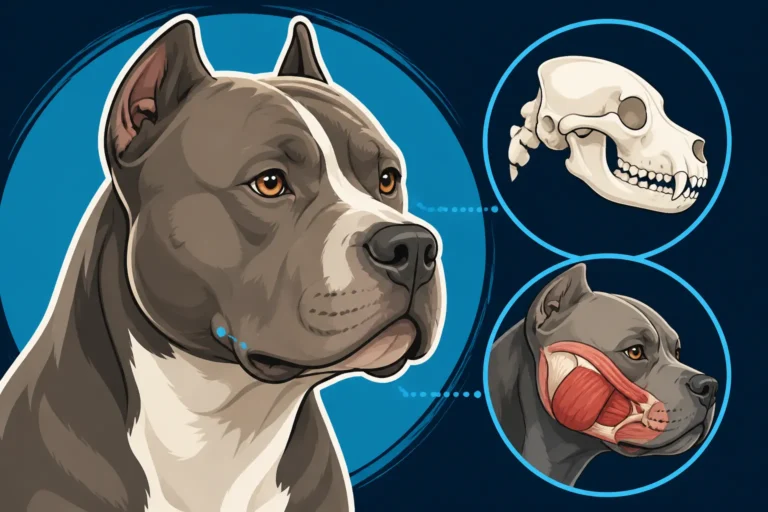
The primary canine participant in these early bull-baiting contests was what's now known as the Old English Bulldog. This wasn't the squat, wrinkly companion breed we think of as a Bulldog today; rather, it was a much more athletic, formidable animal. These dogs were literally "engineered" through generations of selective breeding to excel in the bull ring. Their very anatomy was a testament to their purpose.
They possessed an incredibly powerful jaw, often with an undershot bite, which was thought to provide a better grip. Their low center of gravity and broad chest made them stable and difficult for the bull to dislodge, while their short, dense coat offered little for the bull's horns to catch on. Furthermore, their stoic temperament and incredible pain tolerance were crucial. A dog that could latch onto a bull's nose and hold on, despite being tossed, gored, or kicked, was the epitome of success in this gruesome arena. These traits of immense strength, unwavering grip, and sheer "gameness" – the willingness to continue fighting despite injury or exhaustion – were deeply ingrained into their genetic makeup. The Bulldog Half of the Pit Bull
The Pivotal Ban and the Rise of the Fighting Dog
The tide of public opinion, slowly but surely, began to turn against such open displays of animal cruelty. As societies evolved, so too did ethical considerations, leading to significant legal changes that directly impacted the trajectory of these powerfully bred dogs.
From Bull to Dog: The Act of 1835
The year 1835 marked a pivotal moment in British history with the passage of the Cruelty to Animals Act. This landmark legislation, for the first time, explicitly prohibited the public spectacles of bull-baiting and bear-baiting. While many celebrated this step forward for animal welfare, it didn't eliminate the desire for such "sport" among a segment of the population. Instead, it drove these activities underground and forced them to adapt.
With large, public bull-baiting rings no longer legal, enthusiasts sought alternatives that could be conducted more discreetly. This is where dog fighting emerged as a grim replacement. Dog fights required less space, were easier to hide from authorities, and still offered the thrill of combat and betting. However, the old style of Bulldog, while formidable against a bull, wasn't always ideally suited for the fast-paced, agile combat required when fighting another dog. The stage was set for a new kind of canine warrior. The 1835 Act That Shaped the Pit Bull
The Bull-and-Terrier Cross: A New Breed for a New Fight
The shift from bull-baiting to dog fighting sparked a crucial evolutionary step in these dogs' development. Breeders, adapting to the new demands, began to cross the powerful, tenacious Old English Bulldogs with various terrier breeds. The goal was to retain the Bulldog's incredible strength, bite, and gameness, but inject the terrier's characteristic speed, agility, and fierce competitive spirit.
Terriers brought a different kind of fire to the mix – an intense drive, quick reflexes, and a more streamlined, athletic build that was better suited for grappling and maneuvering against another dog. They were known for their boundless energy and readiness to engage. The resulting "bull-and-terrier" crosses were dogs that combined the best (or, in this context, the most effective) traits of both lineages. They were powerful, incredibly agile, and possessed an almost unparalleled will to fight, often until the bitter end. This cross was explicitly made for the pits, specifically to excel in dog-on-dog combat, and it truly laid the groundwork for the modern Pit Bull type. Why the Pit Bull Cross Was Made at All The British Crosses Behind the Pit Bull The Terrier Half of the Pit Bull
Below is a table summarizing the key contributions of the Old English Bulldog and Terrier to the emerging "bull-and-terrier" type:
| Trait Contributed | Old English Bulldog | Terrier Breeds | Resulting Bull-and-Terrier Trait |
|---|---|---|---|
| Physical | Extreme Jaw Strength, Low Center of Gravity, Broad Chest, Thick Neck | Agile Build, Quicker Reflexes, Lighter Frame | Powerful yet Agile, Muscular, Athletic |
| Temperament | Tenacity, Pain Tolerance, Stubborn Grip, Steadfast Courage | High Drive, Quick Reactivity, "Gameness," Competitive Spirit | Unwavering Determination, High Prey Drive (often dog-specific), Resilient |
| Purpose | Holding onto a Bull | Catching and Killing Vermin, Dog Fighting | Excelling in Dog-on-Dog Combat |
Across the Atlantic: The American Pit Bull's Development
While the initial crosses took place in England, the true development and popularization of what we now recognize as the Pit Bull type largely happened in a new land: America.
Immigrant Dreams and Working Dogs
As the 19th century progressed, many European immigrants sought new opportunities in America, bringing with them their cherished possessions, including their dogs. Among these canine companions were the bull-and-terrier crosses, valued not just for their fighting prowess but for their incredible utility and companionship. They were robust, intelligent, and capable animals perfectly suited for the challenging frontier life.
These dogs quickly found roles on American farms and homesteads, where their strength, courage, and prey drive proved invaluable. They guarded livestock, hunted vermin, and served as loyal family protectors. Unlike in England, where dog fighting remained a clandestine activity, in America, these dogs started to gain a more diversified reputation. They were seen as all-around working dogs, capable of anything asked of them, from driving cattle to being trusted companions for children (a role often romanticized, though careful supervision was, and still is, paramount). When Pit Bull Ancestors Crossed the Atlantic
From Type to (Unrecognized) Breed: The American Evolution
In the vast landscape of America, with different needs and selective breeding priorities, the bull-and-terrier type continued to evolve. Without the strict pedigree rules that later defined many purebreds, regional variations and preferences emerged. American breeders often favored slightly larger dogs than their English counterparts, valuing a more substantial build for farm work and protection, while still retaining the essential gameness and athleticism.
It was in this environment that the "American Pit Bull Terrier" truly began to take shape as a distinct type. Efforts were made to formalize and recognize these dogs. The United Kennel Club (UKC), founded in 1898, was one of the first registries to acknowledge the American Pit Bull Terrier, focusing on their working abilities and unique characteristics. This step marked a significant moment, as it moved the "Pit Bull" from merely a functional cross to a recognized, albeit still highly debated, breed in its own right. Despite this, the term "Pit Bull" still encompasses several breeds and mixes today, leading to much of the confusion and debate we see. The American Pit Bull Terrier and the UKC
The Complex Legacy of a Controversial History
Understanding the historical roots of the Pit Bull is crucial, not just for historical accuracy, but for comprehending the complex temperament and public perception these dogs face today. Their history is not merely a footnote; it shapes their present and future.
Understanding Inherited Traits and Misconceptions
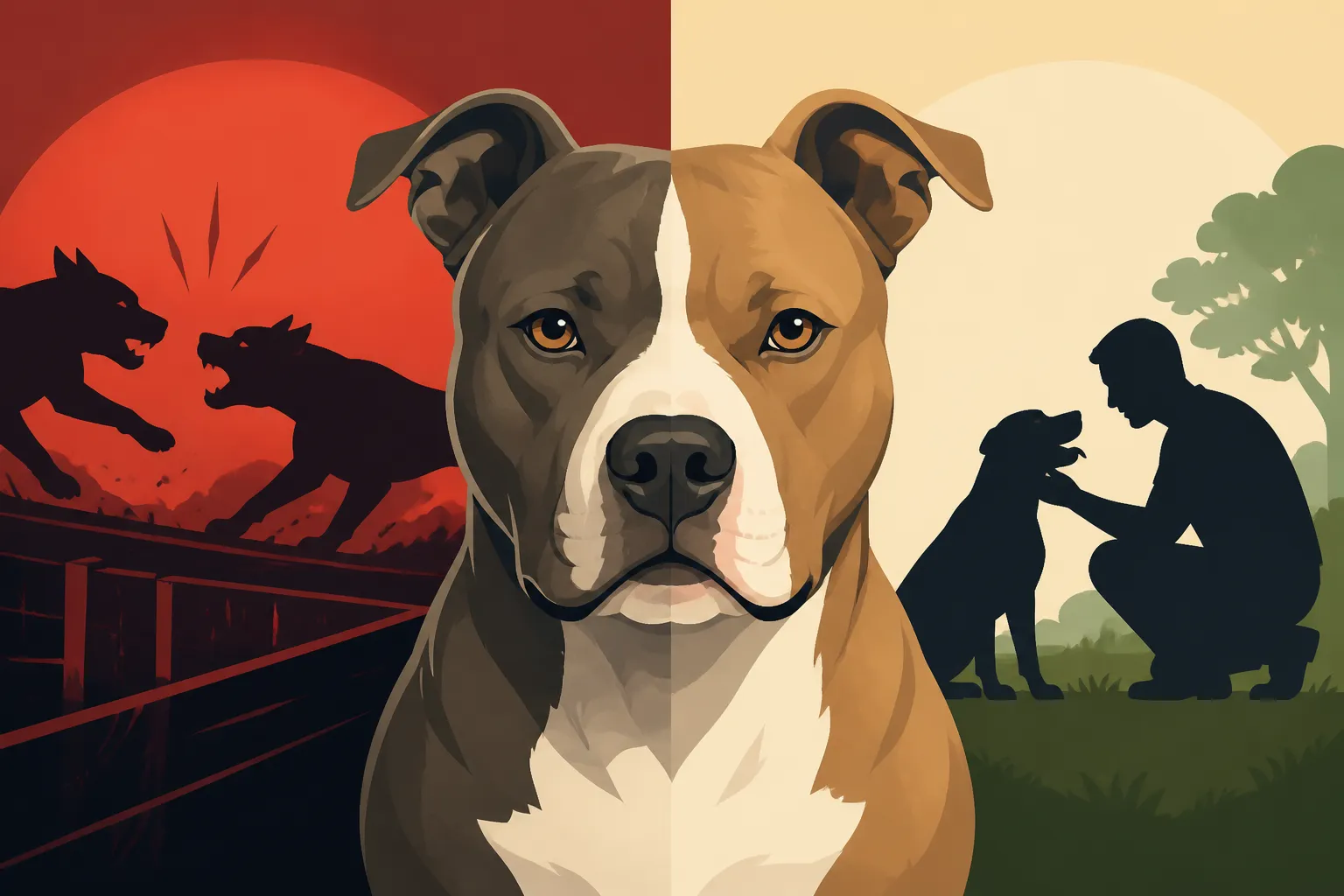
The traits that were so deliberately bred into the bull-and-terrier types for dog fighting—intense gameness, incredible strength, and often a high degree of dog selectivity (meaning they might not tolerate other dogs)—are still present in varying degrees in modern Pit Bulls. However, these inherited tendencies are frequently misunderstood and often misrepresented. "Gameness," for instance, which once meant an unwavering drive in a fight, now often translates to an incredible persistence and determination in positive activities like sports, training, or even just playing fetch.
The key misconception is that these traits automatically equate to aggression towards humans. Historically, fighting dogs were expected to be handler-friendly, as owners needed to be able to safely separate them in the pit. While a high degree of dog selectivity might mean a Pit Bull is not suited for dog parks or multi-dog households without careful management, it doesn't mean they are inherently dangerous to people. Responsible ownership, diligent training, and thorough socialization are paramount to nurturing these powerful dogs into well-adjusted companions. Pit Bull Dog Selectivity Explained
Navigating Modern Perceptions and Responsibility
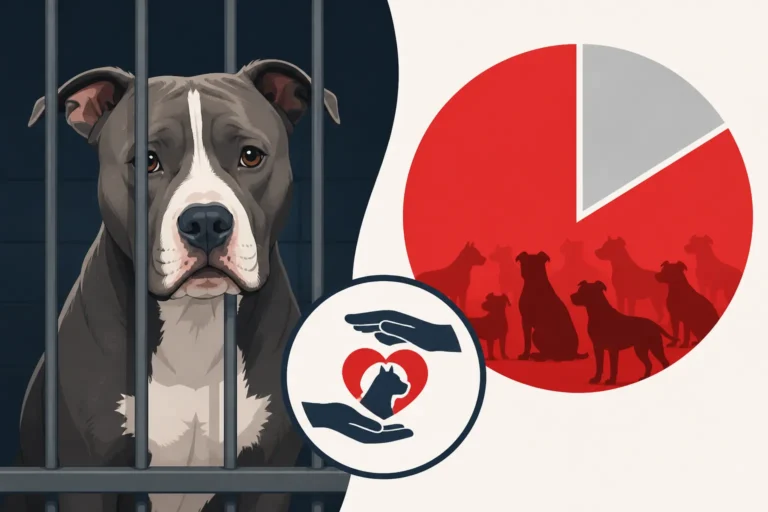
Today, Pit Bulls grapple with a public image heavily shadowed by their fighting past. This often leads to unfair generalizations, breed-specific legislation, and challenges in housing and insurance. Owners of Pit Bulls frequently find themselves having to advocate not just for their individual dog, but for the entire "type," striving to counteract negative stereotypes with examples of their loving, loyal, and well-behaved companions.
Responsible ownership of a Pit Bull-type dog means understanding their strength, intelligence, and potential needs. It means committing to consistent training, early and ongoing socialization, and ensuring they are contained and managed appropriately, especially around other animals. It also means recognizing that "Pit Bull" isn't a single breed recognized by all major kennel clubs but rather a term encompassing several distinct breeds like the American Pit Bull Terrier, Staffordshire Bull Terrier, and American Staffordshire Terrier, along with countless mixes. By acknowledging their history without letting it define their potential, we can move towards a more informed and compassionate understanding of these dogs. Why Pit Bull Is a Type and Not a Breed Pit Bulls in Culture and Public Perception
Disclaimer
This article is for general informational purposes only and does not constitute professional advice. Laws, prices and regulations vary by location and change over time. Consult a qualified professional for guidance on your specific situation.