When Pit Bull Ancestors Crossed the Atlantic
It’s natural to wonder about the origins of our beloved Pit Bulls, especially with all the myths and misunderstandings floating around. Many owners and admirers often ask, "When did these incredible dogs actually make their way to American soil, and what was their role once they got here?" This guide will delve into the fascinating historical journey that brought the ancestors of today's Pit Bull type dogs across the Atlantic, revealing the complex path from their European beginnings to their integral place in early American life.
The British Roots of a Controversial Dog
Before we can talk about their arrival in America, we first need to understand where the Pit Bull's ancestors came from. These aren't ancient breeds that have existed in their current form for centuries; rather, they are a product of specific historical circumstances and human needs, predominantly in England.
The Blood Sports That Created the Bull and Terrier
To trace the lineage of Pit Bulls, we must go back to the brutal "blood sports" that were popular in England for hundreds of years. Activities like bull-baiting and bear-baiting involved strong, tenacious dogs bred specifically for their gripping power and courage. The original "Bulldogs" were developed for these spectacles. Imagine a large, powerful dog with immense jaw strength, bred to latch onto a bull's nose and hold on for dear life. These weren't the stocky, wrinkly companions we think of as Bulldogs today; they were leaner, more athletic animals built for endurance and a fighting grip.
When these large animal baiting sports started to fall out of favor and eventually became illegal with the Cruelty to Animals Act of 1835, a new, equally grim pastime emerged: dog-fighting and ratting. This shift meant a different set of physical requirements for the canine combatants. Dogs needed to be faster, more agile, and still possess that incredible strength and tenacity. This is where the crossbreeding began that would eventually lead to the ancestors of our modern Pit Bulls. The 1835 Ban That Redirected Pit Bull Breeding directly influenced this pivotal shift.
The Emergence of the "Bulldog and Terrier" Cross
With the demand for more agile, yet equally powerful fighters, breeders began crossing these tenacious Old English Bulldogs with various terrier breeds. Terriers, known for their quickness, gameness, and relentless pursuit of vermin, brought a new dynamic to the table. The result was a dog that combined the Bulldog's strength, gripping ability, and courage with the terrier's speed, agility, and high prey drive. This "Bulldog and Terrier" cross was essentially engineered for the fighting pit, designed to be formidable opponents in organized dog fights and efficient exterminators of rats.
These early crosses were not a standardized breed as we understand it today; they were a type of dog selectively bred for specific traits. They were highly prized for their gameness—their unwavering determination to continue fighting regardless of pain or injury—a trait that, while celebrated in the context of the pits, has unfortunately contributed to negative stereotypes later on. Their physical appearance varied, but they generally possessed a muscular build, powerful jaws, and an alert, intelligent expression. Understanding The British Crosses Behind the Pit Bull helps paint a clearer picture of their initial development.
The Atlantic Journey and New World Opportunities
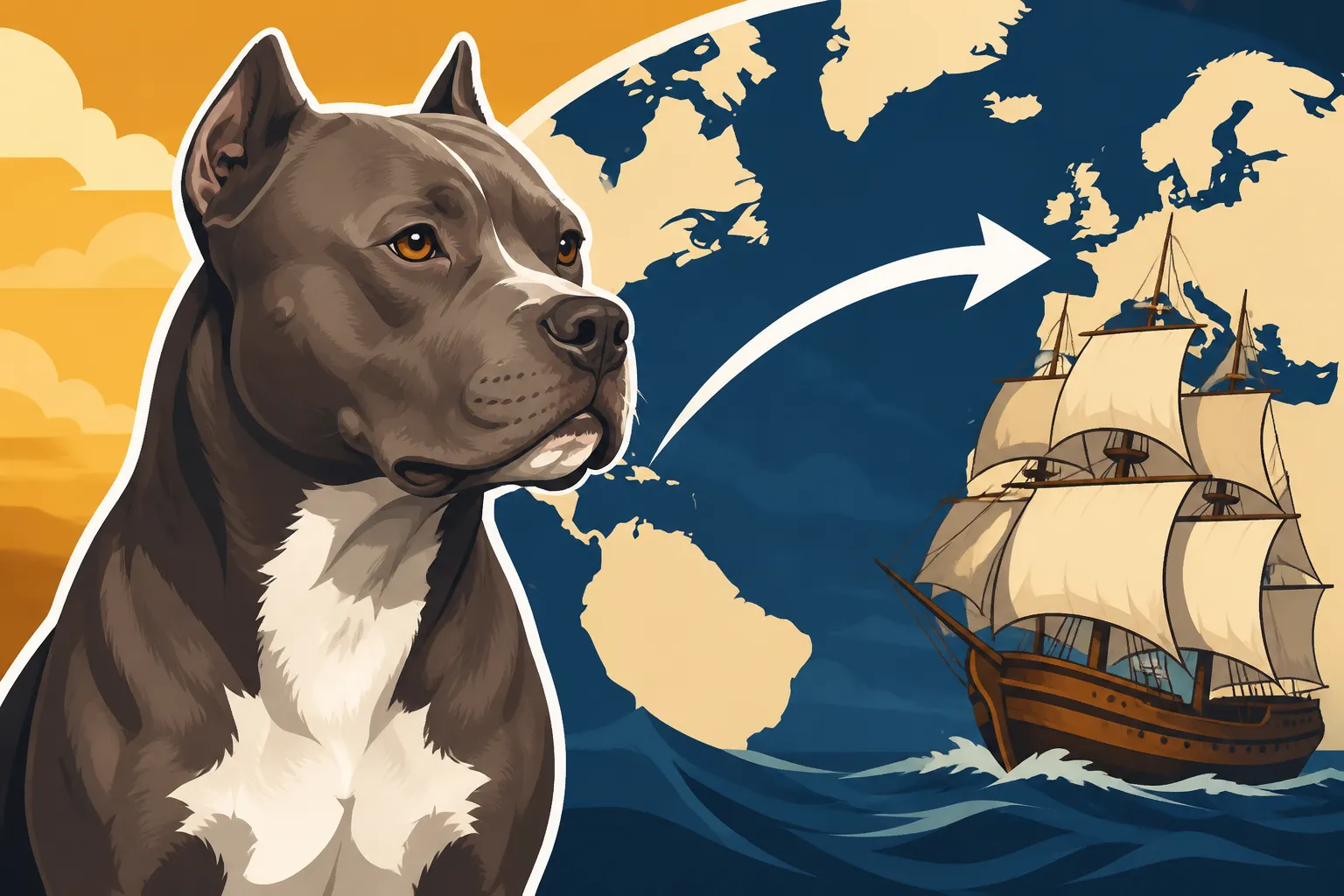
With the rise of these bull-and-terrier type dogs in Britain, it was only a matter of time before they made their way across the ocean. The journey was not a planned emigration for the dogs themselves, but rather a consequence of human migration and the practical needs of settlers.
Immigrants and Their Canine Companions
The 18th and 19th centuries saw significant waves of immigration from Great Britain and Ireland to the burgeoning United States. People came seeking new opportunities, escaping poverty, or simply pursuing a fresh start. And like any sensible person moving to a new land, they brought with them the tools and companions essential for establishing a new life. Among these vital companions were their dogs, including the formidable bull-and-terrier types.
These dogs weren't just pets; they were working animals. They were brought for very practical reasons on farms and in burgeoning towns. They were excellent at catching rats and other vermin that plagued homesteads and stores, a role that was crucial for health and food preservation in a time before widespread pest control. They also served as guard dogs, protecting families and livestock from predators or intruders in often remote and untamed areas. Their strength, loyalty, and protective instincts made them invaluable assets to families carving out a life in a new country. They were companions, protectors, and workers all rolled into one. For many families, dogs like these were a crucial part of their daily survival and security.
From Fighting Pit to Farmhand and Family Dog
Once on American soil, the role of these bull-and-terrier types began to diversify significantly beyond their origins in blood sports. While dog fighting certainly continued in pockets, it wasn't the sole purpose for which these dogs were valued. The vast, expanding landscapes of America presented new challenges and opportunities, and these adaptable dogs proved more than up to the task.
On farms across the Midwest and rural South, they became indispensable farmhands. Their tenacity and strength made them ideal for herding cattle and hogs, often called "catch dogs" for their ability to hold unruly livestock. They hunted wild game, providing food for the table and protecting crops from destructive animals. They were trusted guardians, watching over children and property alike. In fact, many historical accounts and photographs show these dogs alongside families, emphasizing their role as integral members of the household, known for their unwavering loyalty and gentle demeanor with their human charges, a stark contrast to their fighting origins. Pit Bull Type Dogs on American Farms is a great resource if you want to dive deeper into this aspect of their history. This era really cemented their reputation as versatile, brave, and loving family dogs, shaping the breed's image for generations.
Shaping the American Pit Bull Type
As these dogs spread across the American landscape, they began to evolve, influenced by regional needs, breeding choices, and the environment. This period was crucial in the formation of what we now recognize as the "Pit Bull type" in America.
Regional Development and Naming Conventions
Without formal breed registries in the early days, the bull-and-terrier dogs developed somewhat independently in different regions of the United States. Breeders often focused on traits most valuable to their local needs, whether that was greater size for working livestock or enhanced agility for ratting in urban environments. This led to variations in appearance and working abilities.
The naming conventions were just as fluid and informal. These dogs were called by many different names depending on the locality and the specific crosses involved. You might hear terms like "Pit Dogs," "Yankee Terriers," "Half-and-Half," or simply "Bulldogs" – a general term that referred to their bull-baiting ancestry, rather than a specific breed as we understand it today. It wasn't until later, with the push for formal kennel club recognition, that specific breed names began to solidify. This historical context helps explain Why Pit Bull Is a Type and Not a Breed rather than a single, unified lineage. Even today, you'll find variations within the type that speak to this diverse ancestry.
Early Breed Recognition Efforts and Divergence
The late 19th and early 20th centuries saw the emergence of formal kennel clubs in America, aiming to standardize and register dog breeds. This period was a turning point for the bull-and-terrier types. The United Kennel Club (UKC), founded in 1898, was the first to recognize these dogs as a distinct breed, calling them the American Pit Bull Terrier (APBT). The UKC's focus was on working dogs, and they embraced the APBT's heritage as a versatile, athletic companion. For owners seeking appropriate food and gear for their athletic APBTs, checking platforms like Chewy for durable toys, high-protein kibble, or even a sturdy harness can be a go-to.
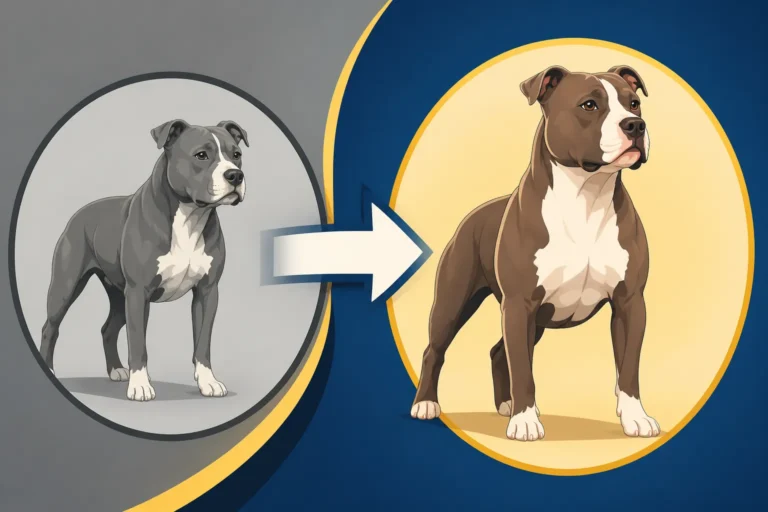
However, a divergence soon occurred. The American Kennel Club (AKC), which traditionally focused more on show and conformation, also took an interest in these dogs. In 1936, the AKC recognized a similar type of dog, but under a different name: the Staffordshire Terrier, later renamed the American Staffordshire Terrier (AmStaff) in 1972 to distinguish it from its smaller English cousin, the Staffordshire Bull Terrier. The AKC sought to distance the breed from its fighting past, emphasizing its qualities as a companion dog. This split created two distinct, though closely related, breeds from essentially the same ancestral stock. The nuances of How AmStaffs and APBTs Split in the 1930s are a testament to how human preferences and club politics can shape canine lineage.
The table below illustrates the contrasting roles and recognition of Pit Bull ancestors from the Old World to the New:
| Aspect | Old World (England, 18th-19th Century) | New World (America, 19th-20th Century) |
|---|---|---|
| Primary Purpose | Blood sports (bull-baiting, dog fighting), ratting | Farm work (herding, hunting), guarding, family companion, some continued fighting |
| Key Traits Emphasized | Gameness, tenacity, biting strength, agility | Versatility, loyalty, protective instinct, athleticism, courage, family devotion |
| Naming | "Bulldog and Terrier," "Pit Dogs," "Half-and-Half" | "Pit Bull Terrier," "Yankee Terrier," "American Bull Terrier," eventually APBT & AmStaff |
| Environment | Urban pits, rural bloodsport venues | Homesteads, farms, expanding frontier, suburban homes |
| Formal Recognition | None (type rather than breed) | UKC (APBT, 1898), AKC (Staffordshire Terrier/AmStaff, 1936) |
It's clear that the journey across the Atlantic wasn't just a physical one; it was a journey of evolution for these dogs. They went from being primarily fighting animals in England to becoming essential, multifaceted working dogs and cherished family members in America. This transformation highlights their incredible adaptability and the complex history that has led to the diverse, loyal, and powerful dogs we know and love today. As we honor their past, we continue to shape their future, providing them with the care and understanding they deserve.
Disclaimer
This article is for general informational purposes only and does not constitute professional advice. Laws, prices and regulations vary by location and change over time. Consult a qualified professional for guidance on your specific situation.