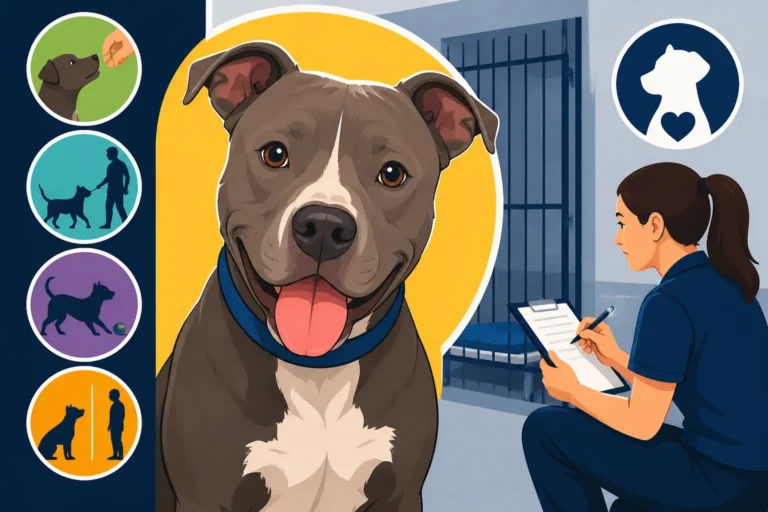
Whether a Pit Bull Suits an Active Family
It's completely natural for an active family to wonder if a Pit Bull, with their reputation for energy and strength, would be a good fit for their dynamic lifestyle. Many families are drawn to the breed's loyal and enthusiastic nature, but also have real concerns about whether they can provide enough stimulation and handle the unique challenges that sometimes come with these powerful dogs. This guide will dive deep into what it truly means to integrate a Pit Bull into an active household, covering their needs, potential hurdles, and how to create a harmonious, fulfilling life together.
Understanding the Pit Bull's Energy Levels and Exercise Needs
Pit Bulls are often portrayed as either hyperactive machines or lazy couch potatoes, and the truth, as with most things, lies somewhere in the middle. They are indeed a powerful, athletic type of dog, but their energy levels can vary greatly depending on the individual, their age, and their lineage. For an active family, understanding this nuance is key to a successful partnership.
More Than Just a Couch Potato But Capable Of It
When you picture a Pit Bull, you might immediately think of a dog constantly running, jumping, and pulling. And yes, many young Pit Bulls do possess that boundless enthusiasm. They love to play, chase, and engage, often with an intensity that can surprise new owners. However, it's a common misconception that they always need to be on the go. One of the charming paradoxes of the Pit Bull type is their capacity for intense activity followed by an equally intense desire to snuggle up and relax. After a good, solid exercise session, many Pit Bulls are perfectly content to curl up on the couch, often right next to or on top of their favorite human. This balance is what makes them so appealing to active families who also enjoy downtime. It’s not just about running marathons; it’s about providing outlets for their physical drive and then allowing them to fully unwind. A family that understands this ebb and flow can truly thrive with a Pit Bull.
Daily Exercise Requirements for a Pit Bull
For an active family, meeting a Pit Bull's daily exercise needs usually isn't a problem – in fact, it's often a shared joy. However, it's vital to recognize that "exercise" for a Pit Bull often means more than just a quick stroll around the block. These are dogs bred for strength and stamina, and they often need a good hour or two of dedicated, vigorous activity every single day. This could be a long, brisk walk, a run alongside a bicycle (once they're fully grown and conditioned), a hike on varied terrain, or extended sessions of fetch or tug in a secure yard. Think about The Daily Exercise a Pit Bull Actually Needs. Breaking this exercise into two or more sessions, perhaps one longer one in the morning and a shorter, more intense one in the evening, can be highly effective. For example, a morning jog with one parent, followed by an evening game of fetch with the kids, can help distribute their energy output. Without sufficient physical activity, Pit Bulls can become restless, destructive, or even develop behavioral issues simply because they have an excess of pent-up energy with nowhere to go. They need an outlet for that strength and drive, and an active family is perfectly positioned to provide it.
Balancing Physical and Mental Stimulation
While physical exercise is paramount, it's only half the equation for a well-rounded Pit Bull. These dogs are intelligent and can become bored quickly if their minds aren't also engaged. An active family committed to incorporating mental stimulation will see a happier, better-behaved dog. This means moving beyond just walks and runs to activities that make them think. Puzzle toys, especially those from reputable brands like Chewy, can be fantastic for meal times or when the family is busy. Training sessions, even short 10-15 minute bursts several times a day, can be incredibly enriching. Teaching new tricks, practicing obedience commands in different environments, or even engaging in scent work games (like hiding treats and having them find them) taps into their natural instincts and intellect. Imagine combining a brisk hike with intermittent training commands, asking for "sits" on logs or "stays" at trail intersections. This blends physical exertion with mental focus, creating a truly satisfied dog. An under-stimulated Pit Bull, even if physically exhausted, can still find ways to entertain themselves in less-than-desirable ways, like chewing furniture or barking excessively.
Training and Socialization for an Active Pit Bull in a Family Setting
Bringing any dog into an active family requires a commitment to training and socialization, but with a Pit Bull, these elements take on even greater importance. Their strength, combined with public misconceptions, means they need to be held to a high standard, and an active family provides ample opportunities for this.
The Importance of Consistent Training
For an active family constantly out and about – hiking, visiting friends, enjoying dog-friendly patios – a Pit Bull with excellent manners isn't just a nice-to-have; it's a necessity. Consistent training, starting from puppyhood, lays the foundation for a well-behaved companion who can navigate various public situations with grace. This includes mastering foundational commands like sit, stay, come, down, and heel, but also building strong impulse control. Imagine being on a busy trail and your Pit Bull encountering another dog or a squirrel; a reliable recall and a solid "leave it" command are invaluable. Every family member, from parents to older children, should be involved in reinforcing these commands using positive reinforcement methods. This consistency ensures the dog understands expectations regardless of who is giving the command. Positive Reinforcement Training With a Pit Bull can make training a fun and rewarding experience for everyone involved. Without clear boundaries and consistent guidance, a strong and energetic Pit Bull can become a handful, especially when their excitement levels are high.
Socialization Beyond the Basics
Socialization for a Pit Bull isn't a one-time event; it's an ongoing process that extends far beyond puppy classes. An active family's lifestyle naturally exposes a dog to many different environments, people, and situations, which is excellent for socialization, but it needs to be managed thoughtfully. Exposing your Pit Bull puppy to a wide variety of positive experiences – different sights, sounds, smells, types of people (kids, elderly, people with hats or bikes), and appropriate interactions with other calm, vaccinated dogs – is critical. As they mature, Pit Bulls can develop what is often called "dog selectivity," meaning they may not want to be friends with every dog they meet, and that's perfectly normal and not aggression. It simply means understanding their preferences and managing interactions responsibly. What Dog Selectivity Means in a Pit Bull is a good article to explore further. For an active family, this might mean enjoying solo hikes rather than crowded dog parks, or scheduling playdates with known, compatible dogs. The goal isn't to make them love every dog, but to teach them to be neutral, calm, and well-mannered around others, especially in public.
Including Your Pit Bull in Family Activities
One of the greatest joys of having a Pit Bull in an active family is the ability to share so many experiences together. These dogs often thrive on being included, and their sturdy build and eagerness make them excellent partners for a variety of adventures. Think about taking your Pit Bull on hikes through local state parks, exploring new trails, or even taking part in dog sports like agility, flyball, or dock diving if they show an interest. Many Pit Bulls excel at activities that involve their natural athleticism and drive. For those who love to run, Taking an Adult Pit Bull Running can be a fantastic way to bond and burn energy. Even simple backyard games like fetch or flirt pole sessions (with proper safety considerations for their joints) can be incredibly engaging. When planning activities, always consider safety: ensure your dog is properly leashed, especially in public areas, and has appropriate gear. From durable leashes and harnesses to travel bowls and even dog booties for rough terrain or hot pavement, Chewy offers a wide range of products to keep your active Pit Bull safe and comfortable on all your family adventures.
Health Considerations and Lifestyle Adaptations
An active lifestyle is generally beneficial for a Pit Bull's overall health, but it also means being extra mindful of their physical well-being and making necessary adaptations to keep them comfortable and safe, especially across their potential lifespan of 12-16 years.
Physical Health for an Active Lifestyle
For a Pit Bull to truly thrive in an active family, their physical health must be a top priority. While generally robust, Pit Bulls can be prone to certain health issues that could impact their ability to keep up. Joint problems, such as Pit Bull Hip Dysplasia Showing at One to Two Years or elbow dysplasia, are unfortunately common in many larger, active breeds. Regular veterinary check-ups are crucial to catch any signs of these issues early. Furthermore, Pit Bulls are notoriously susceptible to skin allergies, often presenting as Pit Bull Skin Allergies and the Atopy Pattern. An itchy, uncomfortable dog won't be keen on long walks or strenuous play, so managing these conditions is vital for their quality of life. Nutrition plays a huge role here too; feeding a high-quality, appropriate diet, carefully measured to avoid obesity, is non-negotiable for an active dog. Obesity puts immense strain on joints and reduces overall stamina. Think about Feeding a Pit Bull to Keep Muscle Without Fat to maintain their powerful, lean physique. Proactive care, from good nutrition to regular vet visits, ensures your Pit Bull remains a happy, healthy adventure buddy for years to come.
Managing Energy in Various Environments
An active family might live anywhere from a sprawling rural property to a bustling city apartment, and a Pit Bull can adapt to many environments, provided their energy needs are met creatively. If you live in an apartment, those daily long walks, runs, and trips to secure dog parks become even more critical. In contrast, a home with a yard offers more freedom for play, but the yard shouldn't be the only source of exercise. For those days when outdoor activities are limited by extreme weather – think scorching summer days or icy winter conditions – having indoor enrichment strategies is key. This could include long sessions with puzzle feeders, extensive indoor training, or even a dog treadmill for conditioned adults. Remember, Working a Pit Bull Through a Hot Summer requires careful consideration to prevent overheating, and their short coats mean they may need extra protection in cold weather. Investing in quality indoor toys and mental stimulation games from a place like Chewy can be a lifesaver on rainy days, keeping their minds sharp and bodies relatively content when outdoor romps are not possible.
Commitment and Long-Term Considerations
Choosing a Pit Bull means committing to a dynamic, active companion for their entire life, which can easily be 12 to 16 years. An active family needs to understand that this commitment extends through all stages of the dog's life. While a young Pit Bull might be your perfect running partner, as they age, their needs will shift. Senior Pit Bulls still require exercise, but it might be gentler walks, swimming for joint support, or less intense play sessions. Caring for a Pit Bull in Its Second Decade involves adapting your activities to their changing physical capabilities, ensuring they remain comfortable and engaged. This long-term view means consistent investment in their training, regular preventative veterinary care, and adapting to their evolving energy levels. It’s about building a bond that lasts, cherishing their youthful exuberance, and providing comfort and continued engagement as they gracefully slow down in their golden years.
Navigating Public Perception and Breed-Specific Legislation
One of the unique challenges for active families with a Pit Bull is managing public perception and understanding breed-specific legislation (BSL). While your family may know your Pit Bull as a loving companion, the outside world doesn't always see them that way, and navigating these external factors is a significant part of responsible ownership.
The Reality of Public Opinion
Sadly, Pit Bulls often face unfair stereotypes and negative public opinion. An active family that frequently takes their Pit Bull out into the community – whether hiking, visiting parks, or just on neighborhood walks – will inevitably encounter people who are fearful or prejudiced. This means that as a Pit Bull owner, you automatically become an ambassador for the breed. Your dog's impeccable behavior and your responsible handling are crucial in shaping positive interactions. A well-trained Pit Bull walking calmly by your side, ignoring distractions, and greeting friendly people politely can do wonders to chip away at negative perceptions. Conversely, a boisterous, untrained Pit Bull can unfortunately reinforce stereotypes. It's not fair that these dogs are judged by a stricter standard, but it is the reality. Being prepared for these interactions and letting your dog's excellent manners speak for themselves is a powerful tool. You might be interested in What Happens When You Walk a Pit Bull in Public.
Housing and Travel Challenges for Active Families
Active families often have diverse housing situations and enjoy traveling, but owning a Pit Bull can add layers of complexity. Many rental properties, homeowner's insurance carriers, and even entire cities still have breed-specific restrictions or bans targeting Pit Bull types. This can make finding a suitable home or planning a family vacation incredibly challenging. Before relocating or booking travel, it's absolutely vital to research local ordinances and property policies. For instance, Finding a Rental That Takes a Pit Bull can be a frustrating journey, often requiring extra effort to find accommodating landlords or prove your dog's good nature with training certificates. Similarly, Getting Home Insurance With a Pit Bull can involve higher premiums or limited choices of carriers. Some states have laws preventing insurers from discriminating based on breed, which can help, but it's not universal. Active families planning road trips or moves need to be aware of Moving to a City With a Pit Bull Ban and factor potential detours or alternative arrangements into their plans.
Demonstrating Responsible Ownership
Given the societal hurdles, active families with Pit Bulls must go above and beyond to demonstrate responsible ownership. This proactive approach not only keeps your dog safe but also fosters positive perceptions within the community. Earning a Canine Good Citizen (CGC) title is an excellent way to showcase your Pit Bull's training and good manners; it can even help with housing or insurance in some cases. Consider Canine Good Citizen and Why It Matters for a Pit Bull. Muzzle training, while often misunderstood, is another incredibly responsible practice. Teaching your Pit Bull to comfortably wear a basket muzzle means you're prepared for emergencies, vet visits, or situations where local rules might require one. It doesn't mean your dog is aggressive; it means you're a prepared and responsible owner. Ensuring your Pit Bull is always microchipped, licensed, and wearing appropriate identification is also crucial, especially for active dogs who might explore new areas. Equipping yourself with strong, reliable leashes and harnesses, easily found at stores like Chewy, is also a part of responsible management for a powerful dog. These steps, taken together, help to set your Pit Bull up for success and can gently shift public opinion, one positive interaction at a time.
Here's a quick look at how a Pit Bull's needs align with an active family's lifestyle:
| Aspect | Pit Bull Needs | Active Family Contribution | Potential Challenges/Considerations |
|---|---|---|---|
| Energy & Exercise | 1-2 hours vigorous exercise daily, plus mental stimulation | Built-in activities like runs, hikes, sports, structured playtime | Ensuring consistent output, preventing boredom, managing intensity |
| Training | Consistent positive reinforcement, strong obedience, impulse control | Time for daily training sessions, family involvement in commands | Maintaining consistency among all family members, addressing specific behaviors |
| Socialization | Early, ongoing, positive exposure to various stimuli | Exposure to diverse environments, people, and appropriate dogs | Managing dog selectivity, public perception issues |
| Physical Health | Quality diet, preventative vet care, joint support | Budget for good food/vet, monitoring for injuries, maintaining ideal weight | Predisposition to joint issues, allergies, heat/cold sensitivity |
| Lifestyle/Housing | Secure environment, ability to participate in activities | Access to outdoor spaces, willingness to research dog-friendly options | Breed restrictions in housing, insurance, and public spaces |
| Mental Engagement | Puzzle toys, training, scent work, varied experiences | Incorporating brain games, teaching new tricks, varied routines | Preventing boredom when physical activity is limited |
Disclaimer
This article is for general informational purposes only and does not constitute professional advice. Laws, prices and regulations vary by location and change over time. Consult a qualified professional for guidance on your specific situation.