Pit Bull Head Shape and Jaw Structure
One of the most immediate things people notice about a Pit Bull type dog is that distinctive head shape and powerful jaw. Unfortunately, these very features, while beautiful and characteristic of the type, are often at the center of widespread misconceptions and fear. Understanding the actual anatomy of a Pit Bull's head and jaw, separate from the myths, is crucial for any owner or enthusiast to appreciate their dog fully and advocate for them effectively. This guide aims to clear up some of those common misunderstandings and dive into the true nature of their unique physical build.
The Iconic Pit Bull Head Shape: More Than Just "Bully"
When someone mentions a "Pit Bull," a very specific image often pops into mind: a broad, blocky head, powerful neck, and a sturdy build. While this general description certainly fits many dogs within the Pit Bull type, it's important to remember that "Pit Bull" isn't a single breed, but rather a blanket term for several breeds with shared ancestry. Because of this, there's actually quite a bit of variation in head shapes, even among dogs that all get called "Pit Bulls."
Variations Across the Type
The term "Pit Bull" most commonly refers to the American Pit Bull Terrier (APBT), the American Staffordshire Terrier (AmStaff), and sometimes the Staffordshire Bull Terrier (Staffie). Each of these breeds, while sharing a common heritage, has distinct breed standards that dictate their physical appearance, including their head shape.
The American Pit Bull Terrier, as recognized by the United Kennel Club (UKC), is often described as having a large, broad, and somewhat flat skull. The muzzle should be deep and wide, and the cheeks very pronounced, giving that powerful, "blocky" look. The stop (the indentation between the eyes) is moderate, not too abrupt, creating a smooth transition. Think of a dog with a very sturdy, well-muscled neck flowing into that broad head. Their overall appearance is one of robust power and agility. You can delve deeper into the specifics by reading The American Pit Bull Terrier as the UKC Defines It.
The American Staffordshire Terrier, recognized by the American Kennel Club (AKC), shares many similarities but often has a slightly more refined head shape according to its standard. The skull is still broad, but the overall impression might be a bit more proportionate to the body, with a deeper and broader muzzle. The cheek muscles are still very prominent, hinting at strength, but the skull might not be quite as "flat" on top as some APBTs. The AmStaff standard also places a strong emphasis on expression, looking for intelligence and good humor. Understanding The American Staffordshire Terrier Standard can help clarify these subtle differences.
The Staffordshire Bull Terrier, being the smallest of the trio, naturally has a smaller head in absolute terms, but it still maintains the broad skull and strong cheek muscles characteristic of the type. Their stop is distinct, and the muzzle is relatively short and deep. They have a very powerful, compact look that belies their smaller size. While they might not be the first dog people imagine when they hear "Pit Bull," their head shape clearly shows their bull-and-terrier heritage.
Influence of Breed Standards
Breed standards are fascinating because they codify what breeders are striving for. They describe the ideal dog, down to the angle of the jaw and the placement of the eyes. For Pit Bull type dogs, these standards consistently emphasize a powerful, substantial head. This isn't just for aesthetics; it reflects the historical function of these dogs, which required strong jaws and robust cranial structure.
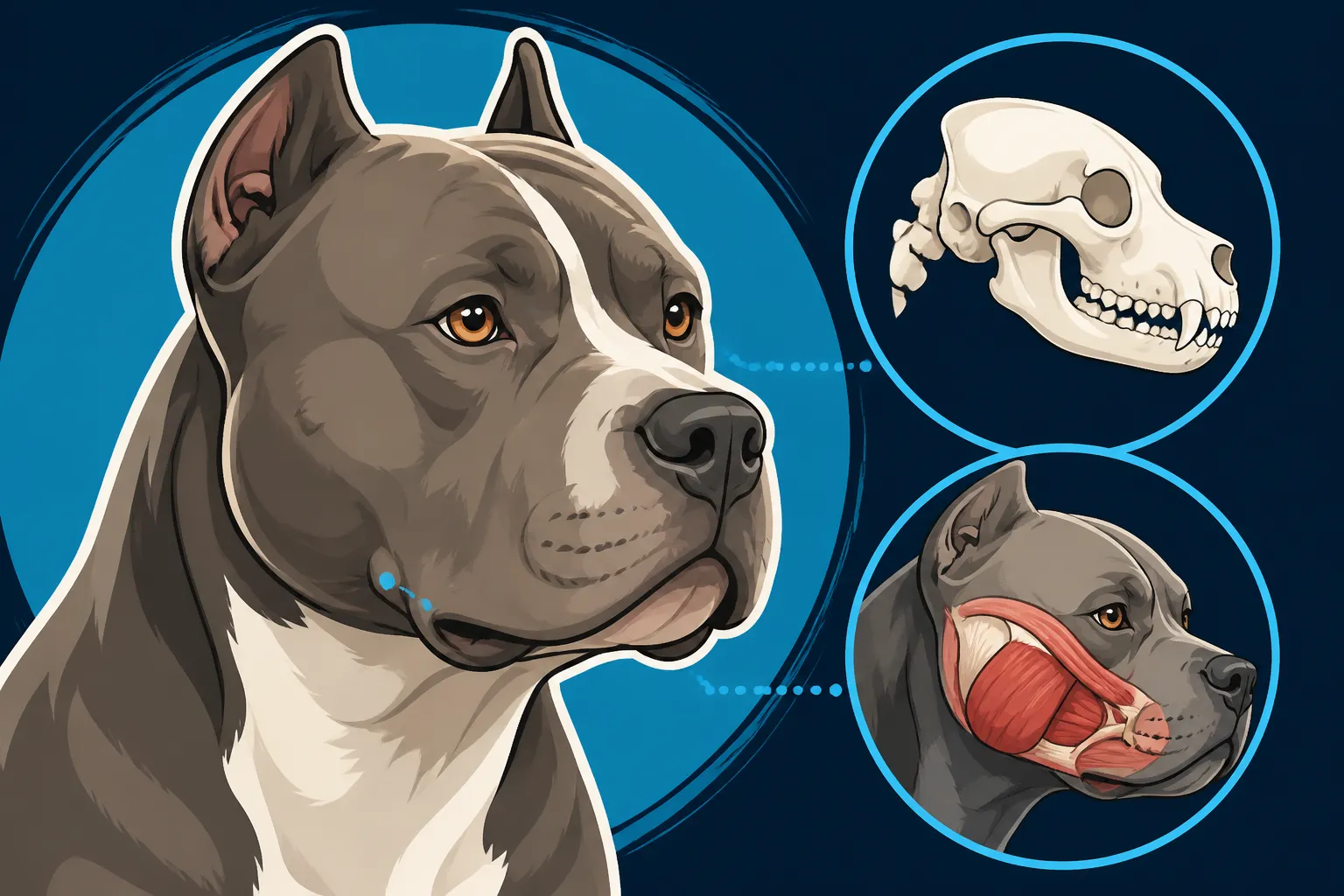
The broad skull provides ample space for powerful jaw muscles (masseters and temporals) to attach, which are essential for biting, holding, and carrying. The strong muzzle depth also supports efficient breathing and allows for a good grip. While visual appeal plays a part, the functional aspects of the head shape are paramount in these breeds. Without these strong, well-defined head characteristics, a Pit Bull type dog wouldn't be able to perform the tasks they were historically bred for, whether it was working livestock or engaging in specific sports.
Understanding the Pit Bull Jaw: Strength Without the Myth
The Pit Bull's jaw is perhaps the most scrutinized and misunderstood physical feature. The powerful appearance often leads to exaggerated claims and fear, particularly the persistent myth of a "locking jaw." It’s time to set the record straight about how a dog's jaw works and what truly contributes to the Pit Bull’s renowned strength.
The "Locking Jaw" Fallacy
Let's tackle this head-on: Pit Bulls do not have a biological mechanism that allows their jaws to "lock." No dog breed, regardless of type or ancestry, possesses a locking jaw. This is a complete myth, perpetuated by misunderstanding and fear, and scientifically debunked many times over. The idea likely stems from anecdotal observations of Pit Bulls holding on with immense tenacity. What people interpret as a "lock" is actually a combination of strong bite force, powerful jaw musculature, and a natural instinct to grip and hold.
When a Pit Bull bites and holds, their powerful jaw muscles contract, allowing them to maintain a grip. This is no different, anatomically speaking, from how any other strong dog (like a German Shepherd, Rottweiler, or Mastiff) holds onto something. Their determination and high pain tolerance can make it seem like they are "locked," but it's simply incredibly strong musculature at work, coupled with drive. For a deeper dive into this specific myth, check out Whether Pit Bulls Have Locking Jaws.
Actual Jaw Strength and Bite Force
While the locking jaw is a myth, it's undeniable that Pit Bulls possess impressive jaw strength. This strength comes from several factors:
- Powerful Musculature: The broad skull provides ample surface area for the attachment of large, well-developed temporalis and masseter muscles. These are the primary muscles responsible for closing the jaw and generating bite force. You can often see these muscles bulge when a Pit Bull is chewing or playing tug.
- Jaw Structure: Their jaws are typically wide and deep, providing leverage for those strong muscles. The alignment of their teeth is also well-suited for gripping and tearing.
- Tenacity and Drive: Beyond physical strength, Pit Bulls are known for their strong prey drive and incredible determination. When they engage in a bite, whether in play or in earnest, they often do so with immense focus and a refusal to let go easily. This psychological component significantly contributes to the perception of their "strength."
While specific bite force measurements can vary greatly depending on the individual dog, the method of measurement, and the dog's emotional state, Pit Bulls are certainly among the more powerful chewers in the canine world. This isn't unique to them; many large, powerfully built breeds have comparable or even greater bite forces.
Dental Health Considerations for Powerful Chewers
The reality of a Pit Bull's strong jaw means that their dental care needs special attention. Because they can chew with such force, they are prone to certain dental issues that owners of less powerful chewers might not encounter as often.
For starters, choosing appropriate chew toys is absolutely vital. Many toys designed for "tough chewers" are no match for a determined Pit Bull. Owners often find themselves cycling through toys that are quickly destroyed. This is where durable options become your best friend. Retailers like Chewy offer a wide selection of heavy-duty, virtually indestructible toys specifically marketed for power chewers. Investing in these can save you money in the long run and prevent your dog from ingesting pieces of broken toys. Chew Toys That Hold Up to a Pit Bull offers more insights into finding the right ones.
Beyond toys, dental health routines are critical. Strong jaws can lead to fractured teeth, especially if your Pit Bull chews on inappropriate items like antlers, real bones, or rocks. These hard materials can cause slab fractures or even break molars. Regular brushing at home, along with professional dental cleanings as recommended by your vet, helps keep their teeth and gums healthy. It's an ongoing commitment to prevent issues that could lead to pain and costly veterinary procedures. Learn more about prevention in Pit Bull Dental Care Around Hard Chewing.
Practical Implications for Owners: Choosing Gear and Preventing Issues
Understanding the Pit Bull's head shape and jaw structure isn't just about dispelling myths; it has real, practical implications for daily care, safety, and comfort. From choosing the right equipment to managing their powerful chewing habits, owners need to be informed and proactive.
Selecting Appropriate Collars, Harnesses, and Muzzles
A Pit Bull's broad neck and often larger head circumference compared to some other breeds means that standard collars and harnesses don't always fit correctly.
- Collars: Many Pit Bulls have necks that are nearly as wide as their heads. This can make it easier for them to slip out of ill-fitting collars, especially if they are strong pullers or get excited. A good flat buckle collar should be snug enough that you can only fit two fingers underneath, but not so tight that it restricts breathing. Some owners opt for martingale collars, which tighten gently when pulled, preventing escape without choking, but it's vital that these are fitted correctly to avoid discomfort or injury.
- Harnesses: A well-fitting harness is essential, especially for a powerful dog that might pull on the leash. Look for harnesses designed with a broad chest and strong shoulders in mind. Many Pit Bulls do very well with front-clip harnesses, which help redirect their pulling strength back towards you, making walks much more manageable. Ensure the harness doesn't rub or chafe behind their front legs or across their shoulder blades. You want something that allows full range of motion.
- Muzzles: Muzzle training is a responsible practice for any dog owner, and it's especially important for Pit Bulls due to public perception and potential breed restrictions. A basket muzzle is generally the most humane choice, as it allows your dog to pant, drink water, and even take treats. Fitting is crucial: the muzzle needs to be long enough not to press on their nose and wide enough to allow full panting, but secure enough that they can't easily remove it. Due to their broad heads, finding a basket muzzle that doesn't rub can sometimes be a challenge, so be prepared to try a few options to find the perfect fit. Muzzle training, done properly with positive reinforcement, can turn a muzzle into a neutral or even positive experience for your dog. For guidance, see Muzzle Training Every Pit Bull Should Have.
Feeding Bowls and Eating Habits
The Pit Bull's distinct head shape can also influence their eating experience. Dogs with broad muzzles and strong jowls can sometimes make a mess with certain types of bowls, or struggle to get all their food if the bowl is too narrow or deep.
Wider, shallower bowls are often preferred by Pit Bull owners because they allow the dog to access their food comfortably without having to jam their face into a narrow opening. This can also help reduce whisker fatigue, although that's more commonly associated with cats, some dogs do seem to appreciate it. For dogs that eat very quickly, which many powerful chewers tend to do, slow-feeder bowls can be a game-changer. These bowls have ridges or obstacles that make the dog eat around them, slowing down their mealtime and reducing the risk of bloat or indigestion. You can find many styles of slow-feeder bowls and wide feeding dishes on platforms like Chewy, designed to accommodate various head shapes and eating styles. Elevated bowls are another option, sometimes recommended for deeper-chested breeds, though opinions vary on their efficacy in preventing bloat; always discuss this with your veterinarian.
Managing Chewing Behaviors
Given their strong jaws, managing a Pit Bull's natural urge to chew is paramount for both their safety and the preservation of your belongings. Appropriate chewing outlets are not just a luxury; they are a necessity for these dogs.
Without suitable chews, a Pit Bull will find their own, which often means your furniture, shoes, or even door frames. Providing a variety of durable, safe chew toys from reputable brands is key. As mentioned, look for toys specifically designed for power chewers. Rotate these toys to keep your dog interested and engaged. Edible chews should also be chosen carefully; while many are marketed as long-lasting, some can still pose a risk of splintering or being consumed too quickly, potentially causing digestive upset or blockages. Always supervise your Pit Bull with new chews to ensure they are safe and appropriate for their chewing style. A good practice is to check the ingredient list for any allergens, especially if your Pit Bull is prone to Food Allergies Behind Pit Bull Itching.
Furthermore, incorporating mental stimulation into their routine, such as puzzle toys or scent work, can help redirect some of that intense energy that might otherwise be channeled into destructive chewing. A tired Pit Bull, both physically and mentally, is less likely to be a destructive chewer.
Dispelling Misconceptions and Promoting Understanding
The physical characteristics of Pit Bulls, particularly their strong heads and powerful jaws, have unfortunately been weaponized by negative stereotypes. As owners, or even just as informed dog lovers, it's our responsibility to challenge these misconceptions with facts and responsible ownership.
The Role of Appearance in Public Perception
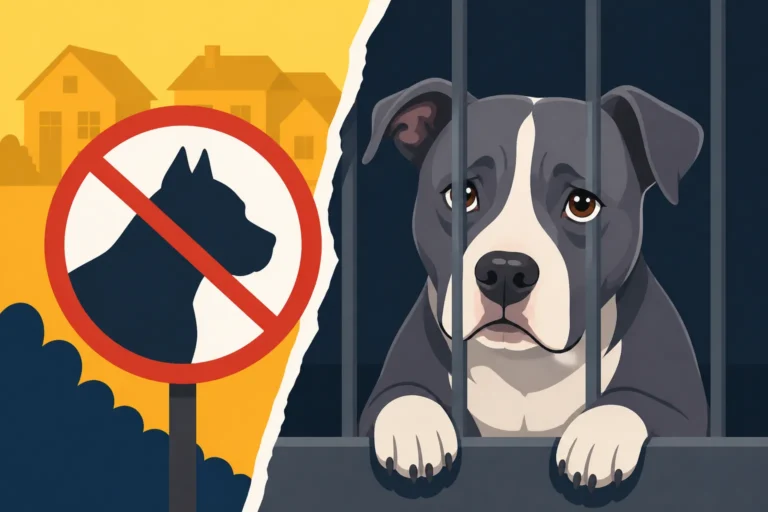
There's no denying that a Pit Bull's powerful build can look intimidating to those unfamiliar with the breed type. The broad head and muscular jaw, which are features of their functional anatomy, are often misinterpreted as signs of inherent aggression or danger. This visual bias contributes significantly to the negative public perception and the prevalence of breed-specific legislation in various areas. People often form opinions based on a dog's appearance rather than its individual temperament or behavior. This makes it even more critical for Pit Bull owners to ensure their dogs are exceptionally well-behaved and socialized, acting as ambassadors for the entire type. What Catches New Pit Bull Owners Out often involves these external perceptions.
Beyond Physicality: Temperament and Training
While a Pit Bull's physical traits are certainly impressive, they do not dictate temperament. A dog's behavior is a complex interplay of genetics, early socialization, and consistent training. A powerful jaw doesn't automatically mean a dog will bite, just as a small jaw doesn't mean a dog won't.
Pit Bulls, when raised responsibly and with positive reinforcement, are often described as affectionate, loyal, and playful companions. Their strength, both physical and mental, can be channeled into positive activities like canine sports, therapy work, or simply being a wonderful family pet. Good training, focused on impulse control, bite inhibition (especially as puppies), and appropriate socialization with other dogs and people, is paramount. Pit Bull Temperament and What Testing Shows helps to provide context on the actual disposition of many dogs within the type.
Remember that any dog, regardless of breed, has the potential to bite if not properly trained, socialized, or if provoked. It's the responsibility of the owner to understand their dog's individual personality, body language, and to manage them safely and ethically in all situations. When you see a Pit Bull type dog, look beyond the powerful head and jaw, and instead observe their overall demeanor, their owner's handling, and the real-time signals they are giving. Reading Pit Bull Body Language Before a Greeting can greatly assist in this understanding.
| Characteristic | American Pit Bull Terrier (APBT) | American Staffordshire Terrier (AmStaff) | Staffordshire Bull Terrier (Staffie) |
|---|---|---|---|
| Overall Head | Broad, large, somewhat flat skull; powerful, deep muzzle. | Broad, slightly more refined; deep muzzle, pronounced cheek muscles. | Broad skull, distinct stop; relatively short, deep muzzle; compact. |
| Jaw Strength | Highly powerful musculature; tenacious grip. | Very strong jaw muscles; firm, scissor bite. | Extremely powerful for its size; strong bite. |
| "Locking Jaw" | Myth. No biological mechanism to lock. | Myth. No biological mechanism to lock. | Myth. No biological mechanism to lock. |
| Cheeks | Very pronounced and muscled. | Prominent and well-developed. | Distinctly muscled. |
| Stop (between eyes) | Moderate, creating a smooth transition. | Distinct, but not too abrupt. | Distinct. |
| Function/Purpose | Bred for strength, agility, gripping; working/companion dog. | Bred for strength, courage; show ring and companion dog. | Bred for agility, strength; companion dog. |
Disclaimer
This article is for general informational purposes only and does not constitute professional advice. Laws, prices and regulations vary by location and change over time. Consult a qualified professional for guidance on your specific situation.