Where the Pit Bull Nanny Dog Phrase Began
It’s a phrase you hear tossed around sometimes, usually by well-meaning but often misinformed people who want to defend Pit Bulls: the "nanny dog." The idea that these powerful, devoted dogs were once the go-to babysitters for families, trusted implicitly with children. It’s a lovely image, a comforting thought, especially when these dogs face so much misunderstanding and stigma today. But for anyone seriously considering bringing a Pit Bull into their home, it’s crucial to understand where this phrase originated, and why, despite its charming appeal, it's not a factual historical claim or a reliable guide for modern dog ownership. This guide will delve into the origins of the "nanny dog" myth, explore its historical context, and clarify why relying on such a narrative can be misleading for you and potentially dangerous for your family and your dog.
Understanding the Pit Bull "Nanny Dog" Narrative
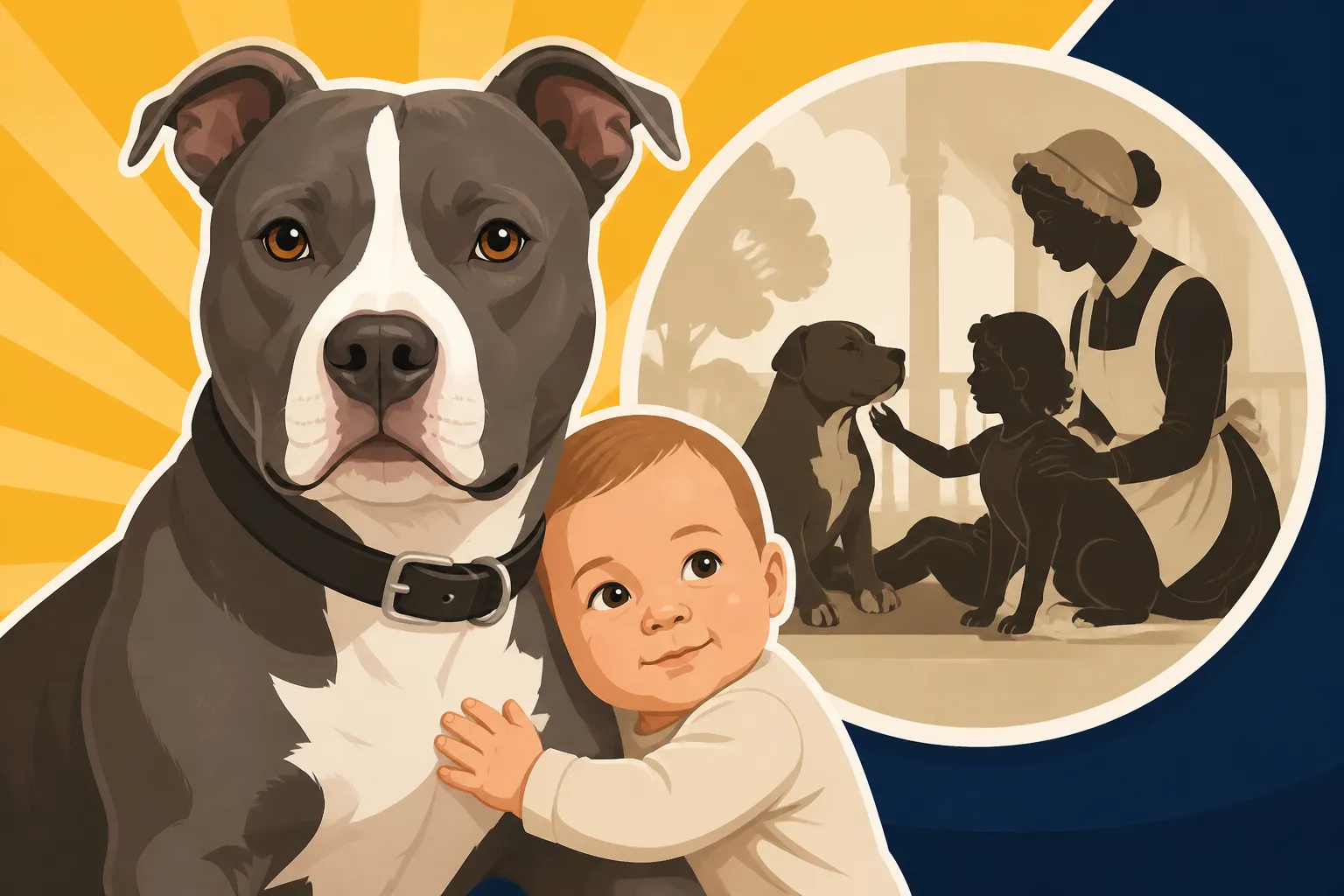
The "nanny dog" narrative paints a picture of the Pit Bull as an inherently gentle, patient, and protective guardian of children, almost instinctively knowing how to behave around them. This image often features old black-and-white photographs of children snuggling with Pit Bull-type dogs, sometimes even appearing to be under the dog's direct supervision. It's a powerful counter-narrative to the fearful stereotypes these dogs often endure, suggesting that far from being dangerous, they are uniquely suited to family life, especially with youngsters.
However, the core issue with the "nanny dog" phrase is that it implies a breed-specific, inherent trait or historical role that simply doesn't exist. No reputable historical record, veterinary association, or animal behaviorist supports the idea that Pit Bulls, or any other dog breed, were ever literally employed as "nanny dogs" in the sense of being left unsupervised with children. While many individual Pit Bulls, like many dogs of various breeds, are wonderful companions for children, this is due to careful training, responsible supervision, and individual temperament, not an innate "nanny" instinct. The phrase is more of a cultural anecdote than a verifiable historical fact, used to highlight the affectionate and loyal nature of some dogs of this type.
Tracing the Historical Roots of the Misconception
To truly understand where the "nanny dog" idea came from, we need to look at the cultural landscape of the late 19th and early 20th centuries. This was a time when Pit Bull-type dogs, particularly the American Pit Bull Terrier and later the Staffordshire Bull Terrier, were immensely popular in America and Great Britain. They were seen as symbols of courage, strength, and loyalty—traits deeply valued during that era.
Early 20th Century Popularity and Image
These dogs were household fixtures, appearing in advertising campaigns for everything from RCA Victor's "His Master's Voice" to Buster Brown shoes. They were mascots during World War I and II, embodying the American spirit of determination. In many homes, they were simply beloved family pets. It was common for families to photograph their children with their pets, and given the widespread popularity of Pit Bull-type dogs, it's no surprise that many of these photos featured them. These images often show a child with a family dog, demonstrating the close bond, but rarely, if ever, suggest the dog was literally performing childcare duties.
Think about it: in those days, dogs were often more integrated into daily family life, sometimes even seen as part of the labor force on farms or in pest control. They were companions, protectors, and sometimes even playmates. When you see old photographs of a child with a sturdy, muscular dog, it projects an image of security and companionship. Over time, these visual narratives, combined with the desire to celebrate the loyal qualities of the dogs, may have inadvertently contributed to the "nanny dog" narrative. The phrase likely started as an affectionate descriptor, perhaps within a small community or family, that then gained traction and spread as people sought a concise way to express the gentle side of these powerful dogs. Pit Bulls in Film, Advertising and Media definitely played a huge role in shaping these perceptions.
Misinterpretation of "Gentle Giant" Archetypes
Another factor in the myth's genesis might be the cultural archetype of the "gentle giant." Many large, powerful dog breeds have, at various points, been associated with gentleness toward children. Think of St. Bernards, Newfoundlands, or even Great Danes. These dogs, by virtue of their size and sometimes their patient demeanor, can appear inherently protective and benevolent. Pit Bull-type dogs, with their strong build and often sweet nature towards their own families, naturally fit into this "gentle giant" perception for those who knew them well.
The phrase "nanny dog" then becomes a romanticized way of expressing this perceived gentleness and protectiveness, a colloquialism that wasn't meant to be taken literally as a historical job title. It's similar to how we might say a particularly patient friend is a "saint"—we don't literally mean they've been canonized. The problem arises when this affectionate term is later interpreted as factual history, especially in debates about breed-specific legislation or responsible dog ownership. It’s a testament to the strong emotional connection people have with these dogs, and their desire to champion them against negative stereotypes.
Why the Myth Persists and What It Gets Wrong
Despite its lack of historical basis, the "nanny dog" narrative continues to circulate, often shared online or in conversations by passionate Pit Bull advocates. It’s understandable why it has such staying power, as it provides a comforting counterpoint to negative media portrayals and breed prejudice. However, relying on this myth ultimately does a disservice to both the dogs and their owners.
The Dangers of Misplaced Trust
The most significant danger of the "nanny dog" myth is that it can lead to a false sense of security. If an owner believes their Pit Bull has an inherent "nanny" instinct, they might be tempted to relax supervision around children, which is never a good idea with any dog, regardless of breed. All dogs are animals, with instincts and individual personalities. Even the most tolerant and well-behaved dog can react unpredictably if provoked, frightened, or in pain. Children, especially young ones, often lack the ability to read canine body language or understand boundaries, making close, active supervision absolutely paramount.
For instance, a toddler might pull on a dog's ear or tail, climb on it while it's sleeping, or try to take food from its bowl. A dog that is usually extremely patient might snap if it's surprised or if an interaction causes it pain. Expecting any dog to automatically tolerate all behaviors from a child without proper management and training puts everyone at risk. The idea that a dog could act as a human caregiver is simply not aligned with canine behavior or safety best practices. Why No Pit Bull Should Be Left With a Child is a critical read for any owner, understanding that active supervision is always needed.
What the Myth Gets Right (and What It Misses)
While the literal "nanny dog" concept is a myth, it does touch on a truth: many Pit Bull-type dogs do possess traits that make them wonderful family pets. They are often incredibly loyal, affectionate, and eager to please their human companions. Their intelligence and desire to work often mean they excel in training and enjoy being engaged with their families. Many are known for their resilience and high pain tolerance, which can sometimes be misinterpreted as endless patience.
What the myth misses, however, is that these positive traits are not exclusive to Pit Bulls, nor are they universal within the type. Every dog is an individual. A dog's temperament is a complex mix of genetics, early socialization, training, and ongoing experiences. A well-socialized, properly trained Pit Bull from a responsible breeder or rescue can indeed be a fantastic family member. Conversely, a Pit Bull with poor socialization, lack of training, or a history of neglect may struggle in a busy family environment. It's not about the breed label, but about the individual dog and the commitment of its owners. Pit Bull Temperament and What Testing Shows helps shed light on how we can better understand their dispositions.
Responsible Ownership: Beyond the Myth
For anyone who loves Pit Bulls and wants to ensure their success in a family home, moving beyond the "nanny dog" myth is essential. It shifts the focus from an idealized, inaccurate historical role to practical, responsible care that benefits everyone.
Prioritizing Training and Socialization
The foundation of a well-adjusted Pit Bull, especially one living with children, is consistent training and thorough socialization. This starts from puppyhood, exposing your Pit Bull puppy to a variety of sights, sounds, people, and appropriate dog interactions in a positive and controlled way. Continued training throughout their life helps build a strong bond and ensures they understand boundaries and expectations.
Consider enrolling in obedience classes or working with a professional trainer who understands the nuances of powerful breeds. These dogs thrive on structure and mental stimulation. Training isn't just about teaching commands; it's about building communication and mutual respect. For supplies and training aids, many owners turn to retailers like Chewy, which offers a wide range of durable leashes, harnesses designed for a strong puller, and engaging puzzle toys that can keep a smart Pit Bull mentally stimulated.
Constant, Active Supervision with Children
This cannot be stressed enough: all interactions between dogs and children, regardless of breed, should be actively supervised by a responsible adult. This means being physically present and engaged, not just in the same room. An adult should be ready to intervene immediately if a child or dog shows signs of stress or inappropriate behavior. Teach children how to respectfully interact with dogs, recognizing signs that a dog wants space, and always advocating for your dog. Even quick, seemingly innocent moments can go wrong. Supervision Rules for a Pit Bull and a Child provides essential guidelines.
When introducing a new Pit Bull to a household with children, do it slowly and carefully. Manage the environment to prevent any negative interactions. Create safe spaces for both the dog and the children where they can retreat if they feel overwhelmed. This proactive approach prevents incidents and fosters a positive relationship between your Pit Bull and the children in your life.
The Importance of Realistic Expectations
As Pit Bull owners, we carry an extra burden of responsibility due to the prevailing stereotypes and legal restrictions many face. Understanding that your Pit Bull is an individual dog, not a walking advertisement for a myth, allows you to meet its needs realistically. This means acknowledging their strength, their energy levels, and their potential for dog selectivity. What Dog Selectivity Means in a Pit Bull is an important concept to grasp.
By being realistic about their capabilities and requirements, you can provide the best possible environment for your dog to thrive and demonstrate its true, wonderful nature. It's about proactive management, continuous education, and a deep commitment to responsible ownership, not relying on romanticized historical claims. When people ask about the "nanny dog" myth, it's an opportunity to educate them about the truth of responsible Pit Bull ownership, rather than perpetuating a well-meaning but ultimately harmful untruth.
Addressing the Cultural Narrative
The phrase "nanny dog" likely began as an earnest attempt by owners to convey the affectionate and tolerant nature of their Pit Bull type dogs, a way to combat the negative press that began to escalate in the latter half of the 20th century. Before that, these dogs were seen as American icons, symbols of loyalty and strength. Their image was pervasive in popular culture, often shown alongside children in advertisements and family portraits.
However, as public perception shifted and sensationalized media reports focused on negative incidents, the "nanny dog" term was perhaps resurrected or coined as an anecdotal defense. It became a shorthand to say, "Look, these dogs aren't what the media makes them out to be; they were once trusted with our children!" While the sentiment behind it is commendable—a desire to protect the reputation of a beloved dog type—the historical evidence for an actual, widespread "nanny dog" role simply isn't there. It's more of a passionate plea against misunderstanding than a historical fact.
| Aspect | "Nanny Dog" Myth | Reality of Responsible Ownership |
|---|---|---|
| Historical Role | Pit Bulls were literally employed to care for children. | No historical evidence for this specific role. |
| Innate Trait | Pit Bulls inherently know how to be gentle with children. | No dog breed has an innate "nanny" instinct. |
| Child Interaction | Can be left unsupervised with children. | All dog-child interactions require active adult supervision. |
| Temperament Source | Breed alone guarantees gentleness. | Individual temperament, training, socialization are key. |
| Risk Assessment | Low risk due to "nanny" instinct. | All dogs can react if provoked, in pain, or scared. |
| Advocacy Impact | Good for combating negative stereotypes. | Can lead to complacency, undermining safety and trust. |
By understanding that the Pit Bull "nanny dog" phrase is a myth, we can move forward with more informed and effective advocacy. Instead of leaning on an inaccurate historical claim, we can highlight the real reasons Pit Bulls make amazing family companions: their trainability, loyalty, athleticism, and capacity for deep affection, all when guided by responsible, educated owners. Organizations dedicated to Pit Bull welfare often emphasize education and debunking myths, helping owners truly understand and care for their dogs.
Dispelling Misconceptions for a Brighter Future
Ultimately, the goal is to foster a safe and loving environment for both dogs and humans. Perpetuating the "nanny dog" myth, even with good intentions, can inadvertently undermine this goal by promoting unrealistic expectations and potentially unsafe practices. It’s far more powerful to educate people about proper dog-child interactions, the importance of consistent training, and the need for active supervision for any dog in a family setting. What the Pit Bull Nanny Dog Claim Gets Right is that these dogs have an incredible capacity for love and loyalty, which is why so many people adore them.
When we empower owners with accurate information about dog behavior and responsible care, we're not just ensuring the safety of children; we're also setting Pit Bulls up for success. We're showing the world that these dogs, when given the right guidance and environment, are truly remarkable companions, deserving of respect and understanding, without needing to rely on fictional historical roles. For those looking for quality gear and educational resources to support their responsible ownership journey, places like Chewy are excellent resources, offering everything from behavior books to durable enrichment toys. By choosing knowledge and realism over myth, we can help Pit Bulls shine in their true light.
Disclaimer
This article is for general informational purposes only and does not constitute professional advice. Laws, prices and regulations vary by location and change over time. Consult a qualified professional for guidance on your specific situation.