Pit Bull Type Dogs in Early Twentieth Century Advertising
It’s easy to look at the modern perception of Pit Bull type dogs and feel a deep sense of frustration, especially when breed-specific legislation and negative stereotypes dominate the conversation. But stepping back in time to the early twentieth century reveals a remarkably different picture – one where these dogs were not just tolerated, but celebrated and embraced as iconic symbols of American loyalty, strength, and family values. This guide will explore how Pit Bull type dogs were prominently featured in advertising during this era, shaping a public image that stands in stark contrast to today's challenges.
The Golden Age of Pit Bull Type Dogs in Advertising
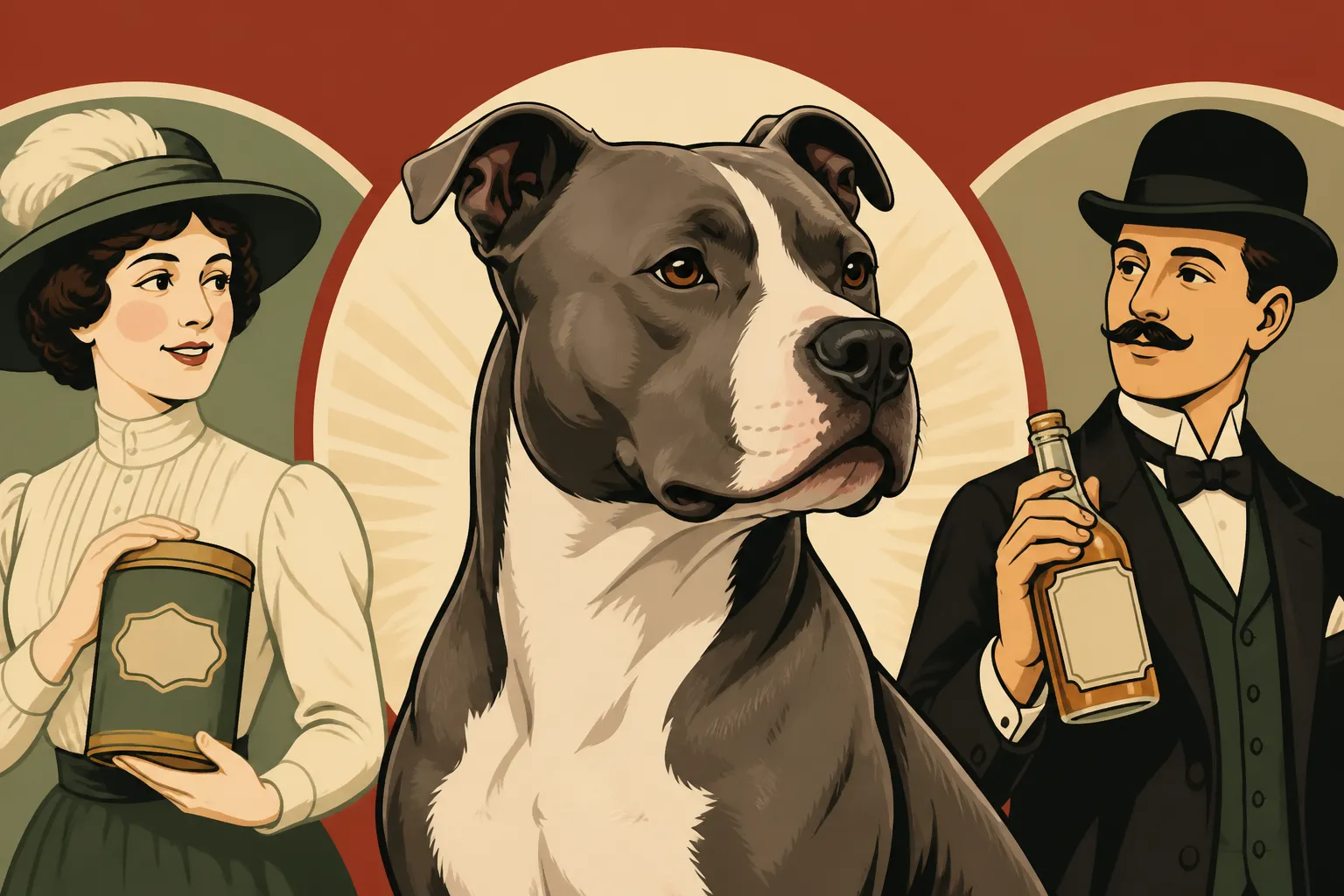
Imagine a time when the image of a sturdy, smiling Pit Bull graced everything from product labels to national advertisements. This wasn't a rare occurrence; it was a widespread phenomenon in the early 1900s. Pit Bull type dogs, encompassing breeds like the American Pit Bull Terrier, the Staffordshire Bull Terrier, and what would later become the American Staffordshire Terrier, were seen as the quintessential American dog. They embodied rugged individualism, trustworthiness, and a kind of steadfast devotion that resonated deeply with the national psyche.
These dogs weren't relegated to niche pet products either. They were on the boxes of cracker jacks, selling everything from shoes to motor oil. Their presence was meant to convey reliability and quality to consumers, suggesting that if a product was good enough for a trusty Pit Bull, it was good enough for your family. This era was truly a golden age for their public image, a period when their inherent qualities were highlighted and celebrated without the stigma they would unfortunately acquire later. It showcased a profound connection between these dogs and the everyday American family, highlighting a bond that many modern owners still deeply understand and cherish.
From Childhood Snacks to Wartime Heroes
One of the most enduring images from this period is Buster Brown and his Pit Bull type companion, Tige. Originating in a popular comic strip, Buster Brown, a mischievous boy, and Tige, his loyal and wise dog, became synonymous with American youth and adventure. Their image was famously licensed to the Brown Shoe Company, making the duo instantly recognizable on shoes and in advertisements across the nation. Tige was depicted not as a menacing figure, but as a friendly, intelligent, and protective friend to Buster, perfectly embodying the ideal family dog. This kind of broad appeal, tying a specific dog type to wholesome family entertainment and essential consumer goods, shows just how integrated Pit Bulls were into the fabric of American life.
Beyond charming children's shoes, Pit Bulls also lent their image to more serious endeavors, particularly during wartime. Dogs were often used as mascots to rally public support and symbolize strength and resilience. The most famous example is Sergeant Stubby, a Pit Bull type dog who became a decorated hero of World War I. His story of loyalty, bravery, and even saving lives on the battlefield captivated the nation. Images of Stubby, often depicted wearing his medals, appeared in newspapers, on posters, and even in public parades, associating the breed with unwavering patriotism and courage. These examples collectively painted a picture of a versatile, dependable dog, far removed from any negative connotations that might exist today. Many people today might wonder Pit Bulls in Film, Advertising and Media and it’s important to remember this rich, positive history.
The Everyday Canine Icon
It wasn't just individual dogs or specific campaigns; the general image of the Pit Bull type dog pervaded advertising broadly. You'd see them on advertisements for hardware stores, general merchandise, and even food products. They were often shown alongside children, guarding homes, or simply as a contented family pet. This ubiquitous presence normalized their image as part of the average American household. This widespread acceptance speaks volumes about how these dogs were viewed by the general population—as dependable, loving, and an integral part of community life.
The dogs were rarely posed aggressively; instead, they were often shown with expressive, friendly faces, embodying alertness and strength, but always with an underlying gentle nature. This deliberate portrayal helped solidify their reputation as ideal companions and guardians. It’s a stark reminder that public perception can be shaped, and that the historical view of these dogs was overwhelmingly positive. For those interested in their history, understanding The Bull and Terrier Origin of the Pit Bull provides deeper context to their working-class roots and admirable traits that were celebrated.
Why Pit Bulls Were Chosen for Marketing
The choice to feature Pit Bull type dogs so prominently in advertising wasn't random; it was a calculated decision based on their well-understood characteristics and public image at the time. These dogs possessed a combination of traits that made them incredibly appealing to advertisers looking to convey specific messages about their products. They represented ideals that were highly valued in early 20th-century American society: loyalty, resilience, and a touch of rugged charm.
Advertisers sought to connect their products with positive, aspirational qualities, and the Pit Bull type dog provided a powerful, recognizable symbol. They were already popular pets among working-class families and farmers, known for their versatility and enduring spirit. This existing popularity meant they had a broad appeal, making them effective brand ambassadors.
Embodying Loyalty and Trustworthiness
One of the foremost reasons Pit Bulls were so popular in advertising was their reputation for fierce loyalty. In an era where trust and reliability were paramount in consumer goods, associating a product with a dog known for unwavering devotion made perfect sense. A product endorsed by a Pit Bull implicitly promised the same steadfastness and fidelity. You’d see a product like a sturdy work boot or a durable tractor, and right there would be a Pit Bull, gazing confidently. The message was clear: this product, like this dog, will stand by you through thick and thin.
This portrayal tapped into the fundamental human desire for trust. When you bought a product with a Pit Bull on the label, you weren’t just buying an item; you were buying into a promise of dependability. This emotional connection was a powerful marketing tool. Even today, pet owners seek products they can trust for their animals, which is why services from companies like Chewy emphasize quality and reliability in their offerings, much like advertisers did a century ago with their choice of canine mascots.
Projecting Strength and Durability
Beyond loyalty, the physical characteristics of Pit Bull type dogs — their muscular build, strong jaws, and robust frames — naturally conveyed strength and durability. These attributes were ideal for advertising products that needed to appear long-lasting, tough, or capable of handling demanding conditions. Think about motor oils, tires, or even home appliances; featuring a powerful Pit Bull suggested the product possessed similar inherent toughness.
This projection of strength wasn't about aggression; it was about resilience and capability. The dogs were often shown in active poses, alert and ready, but never threatening. Their strength was presented as a protective quality, a guarantee of endurance. This helped consumers feel confident that they were investing in something built to last, a sentiment that modern pet owners might appreciate when selecting durable toys or supplies from a retailer like Chewy. Understanding their robust nature is key, and articles like Pit Bull Weight and Muscle on a Working Frame delve deeper into their physical characteristics.
The "All-American" Appeal
Pit Bull type dogs had a distinct "all-American" appeal. Their lineage as a blend of bull and terrier types, bred for specific working traits, made them a symbol of the American spirit of hard work and perseverance. They were not seen as exotic or aristocratic, but as genuine, down-to-earth companions of the common person. This made them relatable to a wide audience across different social strata.
This "everyman" quality was highly valued in advertising, as it allowed brands to connect with a broad demographic. The image of a Pit Bull conveyed approachability and trustworthiness, making products feel more accessible and less intimidating. This sense of familiarity and connection made them perfect for building brand recognition and fostering a sense of shared values between consumers and the products they bought. For those interested in the broader history of these dogs in the U.S., learning How Pit Bull Type Dogs Reached America offers valuable context.
Iconic Advertising Campaigns Featuring Pit Bulls
The early 20th century was rife with examples of Pit Bull type dogs starring in memorable advertisements. These campaigns often created lasting associations between the dogs and the products they represented, cementing their place in American popular culture. From the charming and playful to the serious and protective, these dogs were versatile brand ambassadors.
Many of these campaigns capitalized on the emotional connection people had with their pets, translating that affection and trust into brand loyalty. The careful curation of these images helped to shape a positive narrative around Pit Bulls that, for a time, was almost universally accepted.
Buster Brown and Tige
As mentioned earlier, the Buster Brown Company's use of Tige, the Pit Bull type dog from the comic strip, is perhaps the most iconic example of early 20th-century advertising featuring these dogs. Tige was more than just a mascot; he was an integral part of the brand's identity. The image of Buster and Tige on shoe boxes and in print ads conveyed a sense of wholesome adventure, durability, and childhood companionship.
The campaign effectively leveraged Tige's perceived qualities—loyalty, friendliness, and robustness—to assure parents that Buster Brown shoes were sturdy and reliable, capable of withstanding the rigors of childhood play. The enduring popularity of Buster Brown shoes meant that countless children and their families grew up with the positive image of a Pit Bull type dog firmly in their minds. This helped solidify the dog's place as a beloved part of American culture, and it’s a story worth remembering when considering Pit Bulls in Culture and Public Perception.
RCA Victor and Nipper
While Nipper, the dog famously listening to "His Master's Voice" on the gramophone, is often depicted as a smooth Fox Terrier or mixed breed, early portrayals and the sentiment it evoked align perfectly with the loyal, attentive image often associated with Pit Bull type dogs of the era. The original painting by Francis Barraud featured a mixed-breed terrier. However, the emotional impact of the image—a dog's unwavering devotion to its owner, even to a recording—was universal and resonated with the same qualities that made Pit Bulls so popular in other ads.
The RCA Victor campaign underscored the power of audio technology to capture and preserve the essence of a voice, suggesting a connection so strong that even a dog could recognize it. This spoke to the deep emotional bonds between humans and their pets, a theme that Pit Bull type dogs, with their known loyalty, were perfectly positioned to represent. The idea that a dog could be so captivated by sound also subtly highlighted the clarity and fidelity of RCA Victor's products, drawing a parallel between the dog's keen hearing and the product's superior sound reproduction.
Brands and Their Canine Mascots
Many other lesser-known brands also employed Pit Bull type dogs to great effect. These could range from local businesses to national manufacturers. A small town butcher might have a hand-painted sign featuring a beefy Pit Bull, symbolizing the quality and strength of their meat. A brand of tobacco or whiskey might use a Pit Bull to suggest a product that was "tough" or "uncompromising" in its quality.
These diverse applications demonstrate the versatility of the Pit Bull image as a marketing tool. They weren't typecast into a single role; instead, their perceived attributes allowed them to represent a wide array of products and values. This broad acceptance in the commercial landscape of the early 20th century highlights a very different cultural attitude towards these dogs than what we often see today.
The Shift in Public Perception and Advertising After the Mid-Century
While the early 20th century saw Pit Bull type dogs celebrated in advertising, this positive portrayal didn't last indefinitely. As the century progressed, societal changes, shifts in dog ownership trends, and unfortunately, the rise of irresponsible breeding and media sensationalism began to alter public perception. The once universally beloved "all-American dog" gradually started to face negative stereotypes, leading to a significant decline in their use as positive brand symbols.
This shift wasn't sudden, but rather a slow, creeping change that saw other breeds step into the advertising limelight, often those perceived as "softer" or more "family-friendly" as suburbanization and a different ideal of pet ownership emerged. The transition serves as a potent reminder of how cultural narratives around animals can evolve, sometimes to their detriment. It also underscores the importance of education and advocacy in counteracting harmful stereotypes that can emerge over time.
The Decline of the Pit Bull as a Ubiquitous Symbol
By the mid-20th century, and certainly into the latter half, the image of the Pit Bull type dog began to recede from mainstream advertising. The rise of dog fighting as an underground activity, coupled with sensationalized media reporting, started to cast a shadow over the breed's reputation. Advertisers, ever sensitive to public sentiment, began to move away from using Pit Bulls, favoring breeds like Golden Retrievers, Labradors, and other conventionally "gentle" dogs for family-oriented campaigns.
This retreat from advertising was a symptom of a larger problem: the erosion of the positive public image that Pit Bulls had enjoyed for decades. Where once they symbolized loyalty and strength, they began to be associated with aggression and danger in the public consciousness. This was a devastating blow, not just to the dogs themselves, but to responsible owners who knew the true nature of their loving companions. It's a sad evolution that contrasts sharply with the earlier perception, where they were seen as dogs with a temperament that, as explained in Pit Bull Temperament and What Testing Shows, is far more complex and nuanced than simple stereotypes suggest.
How Other Breeds Stepped In
As Pit Bulls faded from the advertising landscape, other breeds quickly filled the void. The rise of suburban living brought with it an ideal of the "perfect family dog"—often a breed with a long, flowing coat or an undeniably sweet, non-threatening appearance. Beagles became popular mascots for brands like Coppertone, and various retrievers became synonymous with family fun and outdoor adventure. These breeds fit into a new cultural narrative of pet ownership that prioritized gentle companionship and a distinctly "safe" image.
This shift wasn't just about avoiding negative perceptions; it was also about aligning with new consumer desires and an evolving lifestyle. The rugged, working-dog image of the Pit Bull was gradually replaced by a more domesticated, less demanding ideal of canine companionship. For modern pet owners looking for a diverse range of pet products today, resources like Chewy offer everything from specialty foods to training aids, supporting every type of dog, regardless of shifting public perception.
Learning from History
Understanding the journey of Pit Bull type dogs in advertising, from beloved icons to maligned stereotypes, offers crucial lessons. It shows the power of media and cultural narratives in shaping public opinion, and how quickly a positive image can be undone. For those of us who love and advocate for these dogs, it serves as a powerful reminder of the importance of promoting responsible ownership, highlighting their true nature, and working to reclaim their rightful place as cherished companions.
While the advertising landscape of today is different, the core lessons remain: a dog's image can be shaped, and it's up to us, as their advocates, to ensure the truth about their wonderful qualities prevails. Initiatives like Canine Good Citizen programs, as discussed in Canine Good Citizen and Why It Matters for a Pit Bull, are modern ways to demonstrate the responsible nature of these dogs, much like the early advertisers sought to showcase their admirable traits.
Contrasting Eras of Pit Bull Public Image
To highlight the stark difference in how Pit Bull type dogs were perceived and utilized in advertising, consider this comparison:
| Era | Key Public Perceptions of Pit Bulls | Advertising Roles | Examples of Products/Themes |
|---|---|---|---|
| Early 20th Century | Loyal, strong, dependable, patriotic, family protector, American icon | Positive brand mascot, symbol of quality and reliability, family companion | Shoes, crackers, motor oil, wartime propaganda, general merchandise |
| Late 20th/Early 21st | Aggressive, dangerous, unpredictable, associated with dog fighting | Largely absent from mainstream advertising, sometimes used in negative contexts (e.g., PSA warnings) | Limited to niche products, often requiring disclaimers or breed-specific insurance discussions |
This table vividly illustrates the dramatic decline in the positive use of Pit Bull type dogs in advertising over the decades. It underscores how critical it is for modern owners and advocates to work tirelessly to re-educate the public about the true, wonderful nature of these dogs. It reminds us that perceptions are not fixed and can, with effort, be steered back towards understanding and appreciation.
Disclaimer
This article is for general informational purposes only and does not constitute professional advice. Laws, prices and regulations vary by location and change over time. Consult a qualified professional for guidance on your specific situation.