Whether Pit Bull Popularity Is Rising
It's a question many Pit Bull owners ponder, often with a mix of hope and frustration: are these amazing dogs finally gaining the widespread acceptance and rising popularity they deserve, or are we still fighting an uphill battle against deeply ingrained misconceptions? This guide will dive into the complex dynamics behind Pit Bull popularity, exploring the factors that shape public perception, influence adoption rates, and ultimately determine their place in our homes and communities.
Understanding What "Popularity" Means for Pit Bulls
When we talk about the "popularity" of Pit Bulls, it's rarely as straightforward as discussing, say, the rising numbers of Golden Retrievers or French Bulldogs. For Pit Bulls, the term itself is loaded, and the data can be incredibly murky. It’s not just about how many people want one; it's about how many people can have one, and how many are left waiting in shelters because of the challenges their appearance brings.
The Nuance of "Pit Bull" as a Category, Not a Single Breed
One of the biggest hurdles in measuring "Pit Bull popularity" is that "Pit Bull" isn't actually a single, recognized breed in the same way a Labrador Retriever is. Instead, it's a general term used to describe a type of dog with similar physical characteristics, typically falling under breeds like the American Pit Bull Terrier, the American Staffordshire Terrier, and sometimes even the Staffordshire Bull Terrier or American Bulldog. This means that when someone says they own a "Pit Bull," they might have any one of these distinct breeds, or more commonly, a mix of them.
This inherent ambiguity makes tracking "popularity" tricky because official breed registries like the American Kennel Club (AKC) only register specific breeds. Since the American Pit Bull Terrier, for example, is primarily recognized by the United Kennel Club (UKC), its numbers aren't typically lumped into the AKC's popular breed rankings, which often drive mainstream perception. This leads to a disconnect: these dogs are incredibly common in shelters and homes, yet they often don't appear in the "top ten most popular breeds" lists generated by mainstream kennel clubs. To truly understand this, it's important to grasp Why Pit Bull Is a Type and Not a Breed. Without this foundational understanding, any discussion of their popularity is already starting from a place of misunderstanding.
Data Challenges in Tracking Pit Bull Popularity
Beyond the breed vs. type distinction, getting accurate numbers on Pit Bull popularity is tough because of how the data is collected – or, more accurately, not collected. Animal shelters, for instance, are often the primary source of information on the prevalence of these dogs, but their methods for identifying "Pit Bulls" can vary wildly. Many shelters make visual breed identifications, which numerous studies have shown to be notoriously unreliable. A dog that looks like a Pit Bull might have very little, if any, actual Pit Bull DNA, but it will still be labeled as such. Conversely, a dog that is genetically a Pit Bull might not be identified as one visually.
This inconsistency means that statistics from shelters about intake numbers, adoption rates, or euthanasia rates for "Pit Bulls" are based on an often subjective and imprecise label. It's difficult to get a true sense of whether the actual genetic presence of Pit Bull-type dogs is rising or falling when the labeling itself is inconsistent. This challenge extends to veterinary records and pet insurance, where breed information might be self-reported by owners or based on a vet's visual assessment. It makes it nearly impossible to draw definitive conclusions about a true "rise" or "fall" in popularity with precise, verifiable numbers. Understanding How Shelters Decide a Dog Is a Pit Bull further highlights these data discrepancies, revealing that a dog's appearance can often override its genetic makeup in determining its label and fate.
Shifting Public Perception vs. Hard Numbers
So, if hard numbers are hard to come by, what about public perception? This is where things get even more complex. On one hand, you see a growing wave of advocacy, positive social media campaigns, and heartwarming stories featuring Pit Bulls. Many dedicated owners are actively working to change the narrative, sharing tales of their sweet, goofy, and loyal companions. This certainly creates a feeling that Pit Bulls are becoming more accepted, perhaps even celebrated, in certain circles. You might see more Pit Bulls featured positively in advertising, or hear anecdotes from friends who've adopted one.
However, this shift in perception doesn't always translate directly into a rise in unencumbered popularity or ownership. The lingering stigma, amplified by sensationalized media stories and outdated stereotypes, still holds immense power. For every heartwarming story, there's often another that fuels fear and misunderstanding. This means that while some segments of the population may be more open to Pit Bulls than before, a significant portion still harbors reservations, or worse, outright prejudice. The public perception often outpaces the reality of policy changes or measurable increases in unhindered ownership, creating a frustrating gap for those dedicated to the dogs. It’s a slow, steady climb, not a sudden leap into universal adoration.
Factors Influencing Pit Bull Presence in Homes and Shelters
The presence of Pit Bull-type dogs in our homes and communities is shaped by a confluence of powerful forces, from legislative restrictions to the tireless work of rescue groups and the ever-evolving landscape of social media. These factors often interact in complex ways, sometimes pushing for greater acceptance and sometimes reinforcing existing barriers.
The Role of Breed-Specific Legislation and Housing Restrictions
Perhaps no other factor impacts the presence of Pit Bulls more directly than breed-specific legislation (BSL) and housing restrictions. In many cities and counties, laws either ban Pit Bull-type dogs outright, or impose strict regulations on their ownership, such as mandatory muzzling in public, special licensing, or costly insurance requirements. These laws don't just affect current owners; they prevent prospective owners from even considering a Pit Bull, regardless of their individual temperament or training. If you live in a town with a ban, you simply cannot have one.
Even where outright bans don't exist, housing restrictions by landlords, homeowner associations (HOAs), and even insurance companies create significant barriers. Many rental properties have breed restrictions that specifically name Pit Bulls, making it incredibly challenging for owners to find suitable housing, let alone for potential adopters to bring one home. Securing Renters Insurance That Accepts a Pit Bull can be a huge hurdle. This means that even if public sentiment begins to shift, the practical realities of finding a place to live with a Pit Bull can severely limit their presence in homes. These restrictions not only keep Pit Bulls out of certain areas but also contribute to the high numbers of these dogs in shelters, as owners facing housing changes are often forced to surrender their beloved pets. You can learn more about Where Pit Bull Legislation Still Applies to see the patchy legal landscape.
Rescue Efforts and Advocacy Group Impact
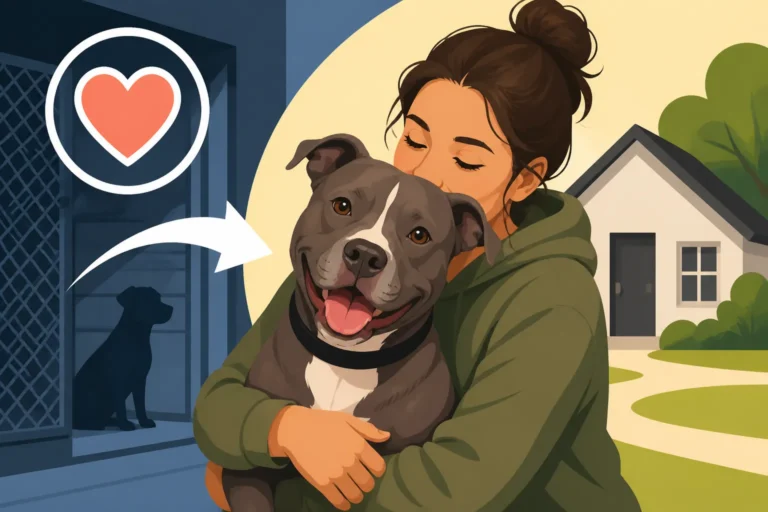
Despite the formidable challenges, Pit Bull rescue organizations and advocacy groups have been absolutely instrumental in trying to increase the presence of these dogs in loving homes. These dedicated groups work tirelessly to educate the public, debunk myths, and facilitate adoptions. They invest in training, medical care, and behavioral assessments to help each dog put its best paw forward. Many shelters and rescues have "Pit Bull specials" or reduced adoption fees specifically for these dogs, often covering their spay/neuter, vaccinations, and microchipping, making adoption more accessible.
Their impact is undeniable. Without these groups, the number of Pit Bulls languishing in shelters would be far higher. They act as vital lifelines, providing care and a second chance for countless dogs who might otherwise be overlooked or euthanized. Their advocacy has also been critical in pushing for the repeal of BSL in many areas and working with landlords to soften breed restrictions. Organizations like the ASPCA and local humane societies, along with breed-specific rescues, are often overflowing with Pit Bull-type dogs. When you browse sites like Chewy for pet supplies, you often see advertisements or initiatives supporting rescue efforts, showcasing the widespread acknowledgment of their need. These groups are constantly battling against the odds, but their presence undeniably helps to get more Pit Bulls into good homes, even if the overall scale of the problem remains large. Pit Bull Rescue and Breed Advocacy Groups play a crucial role in shaping the narrative and outcomes for these dogs.
Social Media and Cultural Representation
The digital age has brought about a significant shift in how Pit Bulls are perceived, largely thanks to social media and evolving cultural representation. Platforms like Instagram, TikTok, and Facebook are brimming with adorable Pit Bull content – dogs in silly costumes, snuggling with children (under strict supervision, of course), performing impressive tricks, or simply being loving family members. This direct, unfiltered view into the lives of well-adjusted Pit Bulls has done wonders to counteract negative stereotypes, allowing people to see beyond the sensational headlines.
Celebrities and influencers sharing their lives with Pit Bulls have also contributed to a more positive image, normalizing their presence in everyday life. From famous athletes to musicians, when public figures showcase their Pit Bulls as cherished pets, it helps chip away at the stigma. This positive cultural representation, however, is a double-edged sword. While it fosters greater acceptance, it can also lead to impulse adoptions by people who aren't fully prepared for the responsibilities of owning a powerful, athletic dog that faces public scrutiny. Nevertheless, the shift in narrative has been palpable. Where once Pit Bulls were almost universally depicted as symbols of aggression, they are now increasingly seen as loyal, affectionate, and resilient companions in mainstream media, contributing to Pit Bulls in Culture and Public Perception.
Are Pit Bulls Being Adopted More or Less? A Look at Shelter Trends
The question of whether Pit Bulls are seeing a rise in popularity often brings us back to the stark realities of animal shelters. While there's a definite groundswell of positive sentiment and advocacy, the sheer volume of Pit Bull-type dogs entering shelters paints a complex picture.
High Intake and Long Stays
One of the most persistent and heartbreaking truths is that Pit Bull-type dogs still represent the largest demographic in most animal shelters across the United States. They come in at disproportionately high rates compared to other dog types, and often, they stay in shelters for much longer periods. This isn't necessarily because they are less adoptable in terms of temperament or health, but rather because of the combined weight of breed discrimination in housing, insurance, and lingering public fear. A family might fall in love with a Pit Bull at the shelter, but then discover their landlord won't allow it, forcing them to reconsider.
This high intake and long stay contribute to overcrowding, putting immense strain on shelter resources. It means that even if adoption rates for Pit Bulls are slowly rising, they might not be rising fast enough to keep pace with the number of dogs entering the system. The constant influx means that thousands of wonderful, loving Pit Bulls are still waiting for their forever homes, sometimes for months or even years. This continuous cycle of intake and extended stays makes it hard to claim a definitive rise in popularity when the numbers waiting are consistently so high. For a deeper understanding of the challenges, consider the Euthanasia Rates for Pit Bull Type Dogs which, sadly, remain a grim reality in many overcrowded shelters.
The Impact of "Breed-Neutral" Policies
In response to the challenges of breed identification and the disproportionate impact of breed labels on shelter outcomes, many progressive animal shelters and rescue organizations have adopted "breed-neutral" or "breed-ambiguous" identification policies. Instead of labeling dogs as "Pit Bulls" (or even "Labrador Mix"), they describe them based on their physical characteristics (e.g., "medium-sized brindle dog") or focus solely on their personality and behavior assessments (e.g., "energetic, playful companion"). The goal is to encourage adopters to choose a dog based on its individual traits, not preconceived notions associated with a breed label.
Studies have shown that when shelters remove breed labels, adoption rates for Pit Bull-type dogs can improve. When potential adopters aren't immediately met with the "Pit Bull" label, they are more likely to spend time with the dog, get to know its personality, and consider it as a family member. This shift in policy is a powerful indicator that the stigma associated with the name "Pit Bull" is a significant barrier to adoption, rather than an inherent problem with the dogs themselves. While not a direct measure of popularity, the success of these policies suggests that many people are open to adopting these dogs when given the chance to see past the label. It truly demonstrates What Happens When Shelters Drop the Pit Bull Label.
Matching Families with the Right Pit Bull
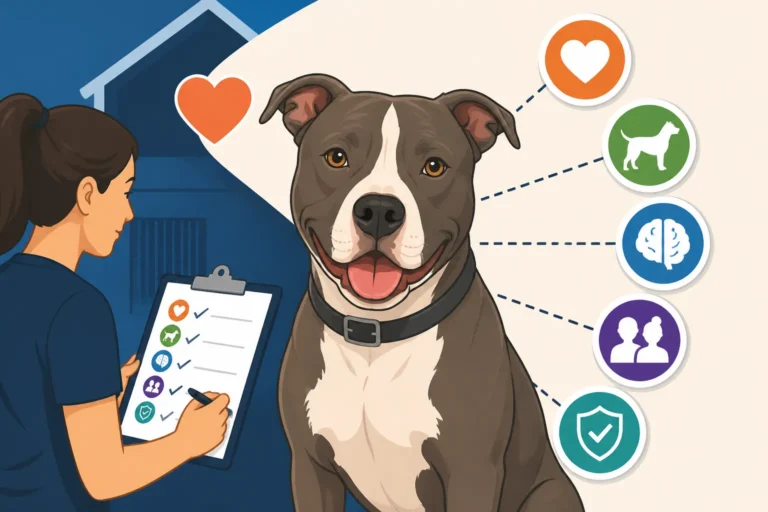
Even with breed-neutral policies and dedicated rescue efforts, responsibly placing Pit Bulls requires a careful and thoughtful approach. It’s not simply about getting dogs out the door; it’s about ensuring they go to suitable homes where they will thrive. Because of their strength, intelligence, and often high energy levels, Pit Bulls require owners who understand their needs, are committed to ongoing training, and can navigate societal biases. Shelters and rescues often conduct thorough interviews and home checks to ensure a good match, which can sometimes slow down the adoption process compared to other breeds.
Furthermore, issues like Pit Bull Dog Selectivity Explained mean that not every Pit Bull will be a good fit for a multi-dog household, and responsible shelters will be upfront about this. They might also advise on necessary training for Pit Bull Leash Manners and Physical Strength to ensure a smooth transition into a new home. This meticulous matching process is essential for the long-term success and welfare of the dog, reducing the chances of returns to the shelter. While it may not result in a sudden spike in adoption numbers, it leads to more stable, permanent placements, which is ultimately more important than fleeting "popularity."
The Future Landscape for Pit Bulls
Looking ahead, the future for Pit Bulls is likely to be a mixed bag of continued challenges and hopeful advancements. The dogs themselves are not changing, but our understanding of them, and society's willingness to accept them, is in constant flux.
The Importance of Responsible Ownership
For Pit Bulls to gain true and lasting acceptance, responsible ownership remains paramount. Every Pit Bull owner becomes an ambassador for the entire "type," and their actions directly influence public perception. This means a commitment to consistent training, proper socialization, and being proactive in public interactions. Owners must understand that their dogs are under greater scrutiny and therefore need to exemplify the best behavior. For instance, teaching a Pit Bull strong impulse control and a solid "leave it" command is not just good practice; it's vital for navigating public spaces where fear may be present.
It also involves ensuring your Pit Bull is well-exercised and mentally stimulated, as a bored or under-exercised dog can develop behavioral issues. Owners should be ready to invest in quality food (like options available at Chewy), appropriate durable toys, and consider ongoing education. A Pit Bull that is calm, well-mannered, and clearly loved helps to dismantle stereotypes one positive interaction at a time. The cumulative effect of thousands of responsible Pit Bull owners showcasing their dogs as cherished family members is the most powerful force for change. This includes focusing on The Manners a Pit Bull Needs in Public to ensure smooth interactions.
Education and Continued Advocacy
The fight for Pit Bull acceptance is far from over, and continued education and advocacy are crucial. We need more accurate information shared with the public, dispelling myths about "locking jaws" or inherent aggression. This means supporting organizations that fund research into dog behavior, promoting humane education, and advocating for breed-neutral laws at all levels of government. It also involves engaging in calm, factual discussions with those who hold negative views, rather than letting emotion take over.
Advocacy also means continuing to push back against discriminatory housing and insurance policies. As public opinion slowly shifts, there's a growing argument for policies that judge dogs on their individual behavior rather than their appearance. Organizations that provide legal resources or support for Pit Bull owners facing discrimination play a vital role. This ongoing effort to inform and influence policy is a slow grind, but it's essential for creating a more equitable environment for Pit Bulls. Progress in How Public Opinion on Pit Bulls Has Shifted gives us hope, but the work is far from done.
Changing Demographics of Pit Bull Owners
Anecdotal evidence suggests that the demographic of Pit Bull owners might be changing. While historically associated with certain stereotypes, these dogs are now being adopted by a much broader cross-section of society. You see them with young professionals, families, retirees, and individuals from all walks of life. This diversification is a positive sign, as it helps to normalize Pit Bull ownership and integrate them more fully into various community settings. It challenges the narrow perception of who "owns a Pit Bull."
This shift might be due to increased awareness through social media, the tireless efforts of rescue groups, or simply a growing realization among dog lovers that these are intelligent, loving animals capable of being wonderful companions. As more diverse voices speak out positively about their experiences with Pit Bulls, it creates a ripple effect, encouraging others who might not have considered the "type" before. This broader acceptance is essential for the long-term rise in their true popularity and presence in homes. Even for a Whether a Beginner Should Take On a Pit Bull there's a growing community of support and resources available.
Here's a quick look at some factors influencing Pit Bull presence:
| Factor | Impact on Pit Bull Presence in Homes | Effect on Perceived Popularity |
|---|---|---|
| Breed-Specific Legislation (BSL) | Decreases (bans/restrictions) | Negative (reinforces stigma) |
| Housing Restrictions | Decreases (limited rentals) | Negative (creates barriers) |
| Rescue & Advocacy Efforts | Increases (facilitates adoptions) | Positive (educates, promotes) |
| Positive Social Media Portrayal | Increases (encourages adoption) | Positive (changes perception) |
| Shelter Breed-Neutral Policies | Increases (removes adoption barrier) | Positive (focuses on individual) |
| Negative Media Coverage | Decreases (fuels fear) | Negative (reinforces stereotypes) |
| Responsible Ownership | Increases (demonstrates good dogs) | Positive (builds trust) |
| Economic Factors | Varies (can lead to surrenders) | Indirect (affects shelter loads) |
Overall, the journey toward widespread and unencumbered popularity for Pit Bulls is ongoing. While there's a clear upward trend in positive perception and dedicated rescue efforts, systemic barriers and lingering stigmas mean it's a slow, incremental climb rather than a sudden surge.
Disclaimer
This article is for general informational purposes only and does not constitute professional advice. Laws, prices and regulations vary by location and change over time. Consult a qualified professional for guidance on your specific situation.