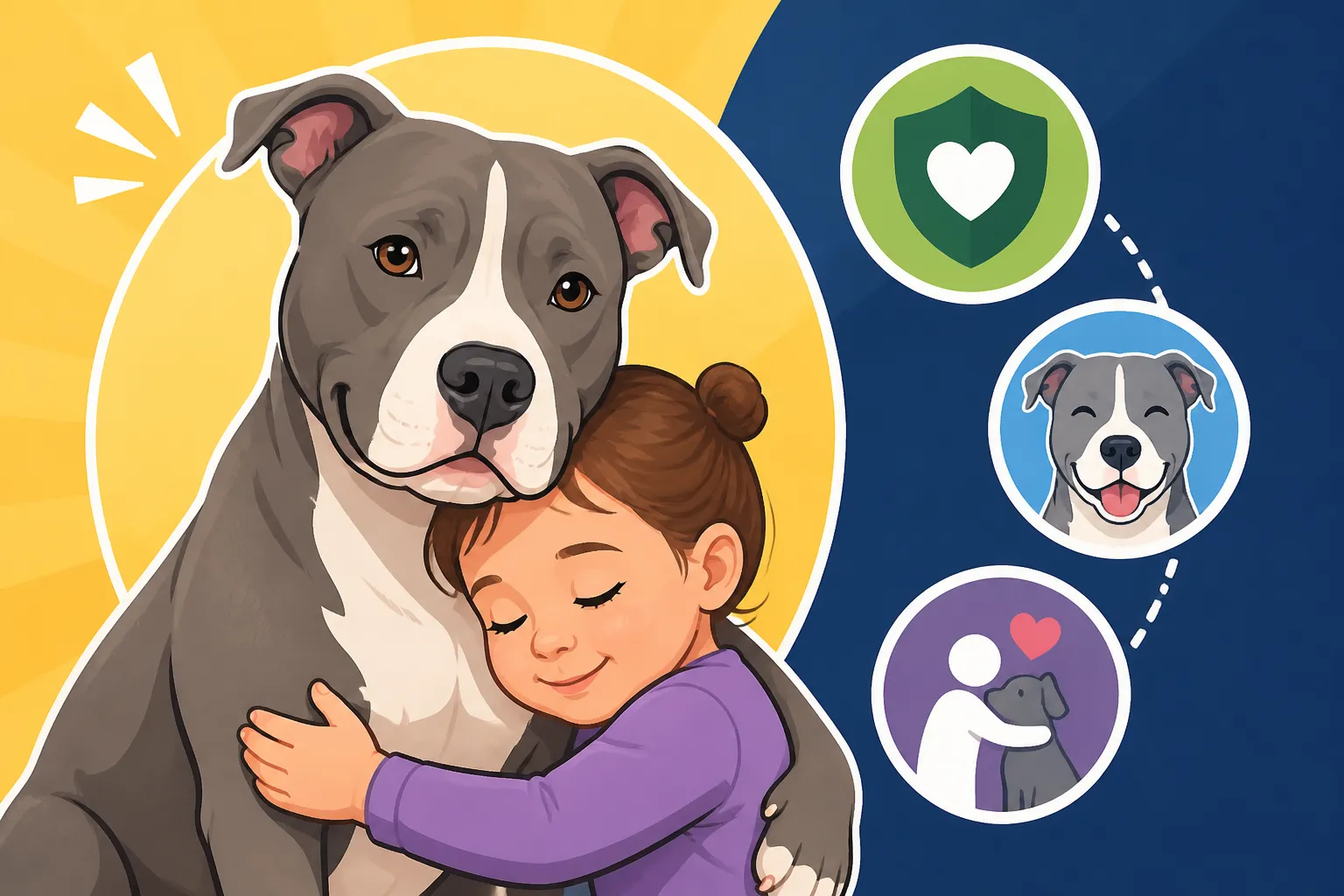
What the Pit Bull Nanny Dog Claim Gets Right
The term "nanny dog" for Pit Bulls has become a deeply ingrained, yet often misunderstood, part of their public perception. While the romanticized notion of a dog inherently tasked with child-rearing duties isn't accurate, the frustrations for many Pit Bull owners stem from the difficulty in explaining the loving, patient, and often gentle qualities their dogs exhibit. This guide aims to cut through the noise, exploring the genuine, positive attributes of Pit Bulls that, through generations, might have contributed to this enduring, if exaggerated, affectionate moniker.
Unpacking the "Nanny Dog" Myth
Let's be real: no dog, regardless of breed, is born with the innate ability or responsibility to care for human children unsupervised. The very idea of a "nanny dog" implies a level of judgment, reasoning, and protective instinct that simply isn't present in even the most well-behaved canine. The myth itself gained traction in the early 20th century, particularly in advertising and popular media, where Pit Bull-type dogs were frequently depicted alongside children in idyllic, family settings. These images, while heartwarming, often overshadow the crucial need for responsible ownership and constant supervision.
The challenge for modern Pit Bull owners is navigating this historical narrative. On one hand, it speaks to the breed's genuine capacity for affection and tolerance; on the other, it creates unrealistic expectations that can put both children and dogs at risk. Understanding where the myth comes from, and what it gets wrong, is just as important as appreciating the positive traits that underpin it.
The Romanticized Image vs. Reality
The image of a loyal, protective Pit Bull patiently watching over a child is certainly appealing. For many, it conjures feelings of security and warmth. This romanticized view, however, can lead to dangerous assumptions. Children are unpredictable, and even the most tolerant dog can reach its limit when pushed too far, whether intentionally or not. A dog's patience is not limitless, and relying on a breed's reputation rather than active supervision is a recipe for potential disaster.
It's a frustration many Pit Bull parents face: trying to explain that their loving family dog isn't a danger, but also needing to emphasize that no dog is a substitute for an attentive adult. The "nanny dog" idea makes this conversation incredibly complex, because it either paints Pit Bulls as inherently safe with children (which isn't true for any dog) or leads to backlash from those who view the myth as reckless endangerment. The reality is far more nuanced, requiring a commitment to training, management, and respect for both dog and child.
Historical Context of Pit Bulls and Families
Historically, Pit Bull-type dogs were often working dogs on farms, known for their versatility, strength, and loyalty. They lived alongside families, including children, in close quarters. Their role was not to "nanny" in the human sense, but to be a constant, reliable presence, capable of various tasks from herding to pest control, and yes, often cherished as family companions. This constant exposure to family life, paired with their inherent desire to please and bond with humans, likely fostered the idea that they were uniquely good with children.
These dogs were often valued for their stable temperaments and their ability to cope with the hustle and bustle of a busy household. They weren't just pets; they were integral members of the family unit, contributing to the daily rhythm of life. This deep integration into family homes, long before the modern concept of "nanny dog" emerged, laid the groundwork for the positive associations many still hold. It's a testament to their adaptability and their deep-seated connection to people.
Gentle Nature and Affection Towards Humans
One of the most defining characteristics that the "nanny dog" claim touches upon, and gets absolutely right, is the Pit Bull's incredible capacity for human affection and their often gentle nature with people. These aren't aloof dogs; they crave interaction, attention, and physical closeness. For many, a Pit Bull is a giant lap dog in disguise, always eager to snuggle up on the couch or follow their human companions from room to room. This strong human bond is a cornerstone of their appeal as family pets.
Their expressive faces, wagging stubby tails, and full-body wiggles are unmistakable signs of their joy in human company. This innate sweetness, when nurtured in a loving and responsible home, is what makes them such cherished companions. It's not about them being a "nanny," but about them being deeply devoted members of the family who thrive on positive human interaction.
Innate Human-Focus and Desire to Please
Pit Bulls are often described as "people pleasers," and it's a reputation they've earned. They are highly motivated by human approval and positive reinforcement, which makes them incredibly trainable and eager to engage with their owners. This inherent human-focus means they pay close attention to cues, body language, and tone of voice, making them highly responsive companions. When a child is involved, this desire to please often translates into a remarkable patience and tolerance, as long as boundaries are clear and respectful interactions are taught.
This quality is why they excel in many forms of dog sport and training, from obedience to agility. They genuinely enjoy working with their people, learning new commands, and receiving praise. This strong drive to connect and cooperate with humans is perhaps the most significant kernel of truth within the "nanny dog" myth, highlighting their capacity for deep, meaningful relationships with their family members. You can find all sorts of great enrichment toys and training treats on sites like Chewy that really tap into this desire to work and please.
Affectionate Demeanor Within the Family
Walk into a Pit Bull owner's home, and you'll likely be greeted by a happy, wiggling dog eager for pets and attention. Their affectionate demeanor isn't just for adults; it extends to all members of the household, including children. Many Pit Bulls are incredibly gentle with their family's kids, often seeking them out for cuddles or quiet companionship. They tend to be very tactile dogs, enjoying close physical contact and leaning into their loved ones.
It's this consistent display of tenderness and devotion that has endeared them to generations of families. They become deeply integrated into the family dynamic, often acting as loyal shadows, always ready for a game, a walk, or simply a quiet moment together. This isn't to say they're infallible, but their baseline temperament, when properly socialized and raised, often leans heavily towards warmth and loving connection. They truly become part of the family fabric.
High Pain Tolerance and Patience
Another trait that likely contributed to the "nanny dog" narrative is the Pit Bull's generally high pain tolerance and impressive patience. Kids, bless their hearts, can be clumsy, loud, and sometimes unintentionally rough. A dog with a low tolerance for discomfort or annoyance might snap or growl quickly. Pit Bulls, however, often demonstrate a remarkable ability to simply absorb minor bumps, tugs, or unexpected loud noises without overreacting.
This isn't an invitation to let children treat dogs poorly, but it does mean that a Pit Bull might be less likely to react negatively to the everyday chaos that comes with children in the house. This robust nature, combined with their inherent friendliness, often means they can navigate the unpredictable world of small humans with a good-natured stoicism.
Remaining Calm During Rough Play
Children's play can sometimes get boisterous. A toddler might grab a handful of fur, or an excited child might accidentally trip over a sleeping dog. Many Pit Bulls, given appropriate socialization and training, often show incredible composure in these situations. Instead of reacting with aggression, they might simply move away, offer a soft nudge, or give a subtle signal of discomfort to an observant adult. Their ability to remain calm in the face of minor irritations is a huge asset in a family home.
It’s this calm demeanor that makes them seem so dependable, especially when compared to more sensitive or reactive breeds. However, it’s critical to remember that "high pain tolerance" is not "no pain tolerance." Every dog has a breaking point, and it is the responsibility of the adults to ensure that the dog is never pushed to that point. This means actively teaching children gentle interactions and providing safe spaces for the dog to retreat. For more on safe interactions, read about Socializing a Pit Bull Around Children.
Teaching Children to Interact Respectfully
While a Pit Bull's patience is commendable, it doesn't absolve adults of their duty to teach children how to interact with dogs respectfully. It's not enough to rely on the dog's tolerance; children need to learn boundaries, how to read canine body language, and when to give a dog space. This means teaching them not to pull tails, poke eyes, or disturb a dog when it's eating or sleeping.
Parents should model calm and respectful interactions, ensuring children understand that a dog is a living, feeling creature, not a toy. Creating a safe environment where both dog and child understand the rules is paramount. This includes setting up designated "safe zones" for the dog, where children are not allowed to bother them, perhaps with a comfortable bed and some favorite toys bought from places like Chewy. This proactive approach ensures the Pit Bull's patience is never unfairly tested.
Loyalty and Protectiveness Within the Family Unit
Pit Bulls are renowned for their loyalty. Once they bond with their family, they tend to be incredibly devoted. This loyalty often extends to a natural protectiveness of their loved ones and their home. This protective instinct, when properly channeled and understood, can make them excellent guardians, but it's important to differentiate it from unprovoked aggression. The "nanny dog" myth hints at this protective quality, suggesting a vigilant watchfulness over children.
Their protective nature usually manifests as being aware of their surroundings and alerting their family to anything unusual. They are typically confident dogs who will stand their ground, but a well-socialized Pit Bull is not inherently aggressive towards strangers without cause. It's this deep bond and inherent guardian tendency that makes many families feel safe and secure with a Pit Bull in the house.
Forming Strong Bonds with Their People
Pit Bulls form incredibly strong attachments to their human families. They thrive on companionship and thrive when they feel like an integral part of the pack. This bond is built on trust, consistent care, and shared experiences. When a Pit Bull feels secure and loved within its home, that loyalty becomes a powerful force, creating a deeply devoted companion for life.
This intense connection is what makes them such wonderful family pets. They want to be involved in whatever you're doing, whether it's watching TV, playing in the yard, or going for a walk. This desire for connection forms the bedrock of their family-friendly reputation, making them more like a constant, loving presence rather than a detached observer. For more on how they connect, explore Pit Bull Temperament and What Testing Shows.
Understanding Instinctive Protectiveness
While Pit Bulls are loyal, their protective instincts need to be managed responsibly. A well-socialized Pit Bull will typically be friendly or neutral towards strangers unless they perceive a direct threat to their family or home. This instinct should not be mistaken for indiscriminate aggression. Training plays a crucial role here, teaching the dog appropriate responses to new people and situations.
Encouraging an overly protective or "guard dog" mentality can be dangerous, especially in a household with children. Instead, focus on building confidence and good manners, ensuring your Pit Bull is comfortable and well-behaved in various environments. Their natural protectiveness is best channeled into being a vigilant family member who alerts you to potential issues, rather than one who makes independent decisions about threats. Proper socialization and continued training are key to harnessing this loyalty positively.
Trainability and Adaptability for Family Life
Pit Bulls are highly intelligent and remarkably trainable dogs. Their eagerness to please, combined with their focus and athleticism, means they can excel in a variety of training disciplines. This trainability is a huge asset in a family environment, allowing owners to shape their behavior and integrate them seamlessly into household routines. The "nanny dog" idea implicitly suggests a well-behaved, manageable dog, and while this isn't automatic, it is certainly achievable with consistent effort.
Their adaptability also means they can thrive in different living situations, provided their core needs for exercise, mental stimulation, and companionship are met. A Pit Bull can be just as happy in a suburban home with a yard as they can be in an apartment, as long as their humans are committed to fulfilling their requirements.
Eagerness to Learn and Participate
From basic obedience commands to more complex tricks and even dog sports, Pit Bulls generally love to learn. Their high food drive and desire for human approval make them excellent candidates for positive reinforcement training. This eagerness to participate in training sessions means they can quickly grasp household rules, appropriate behaviors around children, and good manners in general.
This intellectual curiosity and drive make them incredibly rewarding dogs to train. It's not just about teaching them commands; it's about engaging their minds and strengthening the bond between dog and owner. This positive feedback loop of learning and praise is a fundamental aspect of successful Pit Bull ownership, especially when raising them in a bustling family home. Using puzzle toys and interactive feeders from a pet supply store like Chewy can also keep their minds engaged.
Consistency in Training for a Harmonious Home
The key to a well-adjusted Pit Bull, particularly in a family setting, is consistent training and clear expectations. Every member of the family, including older children, should understand the rules and how to reinforce them. This consistency helps the dog understand its place in the household hierarchy and what behaviors are acceptable. Without it, even the most biddable Pit Bull can become confused and exhibit unwanted behaviors.
Whether it's teaching a "stay" command when the doorbell rings or ensuring they greet guests calmly, consistent practice makes all the difference. This structure provides a sense of security for the dog and creates a more harmonious environment for everyone. Investing in professional training or puppy classes can also be incredibly beneficial, providing guidance and support for navigating the unique challenges and joys of raising a Pit Bull. What to Teach a Pit Bull Puppy and When covers important training milestones.
Managing the Reality of Pit Bulls and Children Safely
While Pit Bulls possess many wonderful qualities that contribute to their reputation as family dogs, the crucial takeaway is that no dog should ever be left unsupervised with a child. The "nanny dog" myth, while acknowledging some inherent positive traits, ultimately fosters a dangerously false sense of security. The reality is that responsible Pit Bull ownership, especially with children in the home, requires constant vigilance, ongoing education, and proactive management.
It's about creating a safe and respectful environment where both children and dogs thrive, understanding each other's boundaries and needs. This isn't just for the safety of the child, but for the well-being and security of your Pit Bull as well.
Constant Supervision is Non-Negotiable
This point cannot be stressed enough: every interaction between a child and a dog, especially a Pit Bull, must be actively supervised by a responsible adult. This isn't about distrusting your dog; it's about acknowledging the unpredictable nature of both children and animals. Children might accidentally hurt a dog, or a dog might react poorly to an unexpected poke or loud noise, even if it has never shown aggression before.
Supervision means being present, attentive, and ready to intervene immediately if needed. It means creating safe zones where the dog can retreat if they feel overwhelmed, such as a crate or a separate room. Never rely on a dog's perceived "good nature" to replace your watchful eye. This vigilant approach protects everyone and ensures that potential issues are addressed before they escalate. You can learn more about this by reading Why No Pit Bull Should Be Left With a Child.
Educating Both Dog and Child
Safety in a multi-species household is a two-way street. It requires educating the dog on appropriate behavior around children, such as not jumping, mouthing gently, and respecting personal space. This involves consistent training and positive reinforcement. Simultaneously, children must be taught how to interact with dogs respectfully. This includes understanding canine body language (e.g., recognizing signs of stress or discomfort), knowing when to leave a dog alone, and practicing gentle touch.
Role-playing, using visual aids, and consistent reminders can help children learn these vital lessons. For instance, teaching a child to offer a treat gently or to pet the dog calmly can foster positive interactions. Websites like Chewy offer a wide range of training treats and educational resources that can support these efforts. When both dog and child understand their roles and boundaries, the household can truly be a harmonious place.
Here’s a summary of the positive Pit Bull traits that contribute to their family-friendly reputation:
| Trait Category | Specific Traits | Benefits in a Family Home | Management Considerations |
|---|---|---|---|
| Temperament | Affectionate, Human-focused, Gentle | Deep bonds with family, thrives on interaction | Needs early socialization, positive reinforcement |
| Patience & Tolerance | High pain tolerance, Composure | Less likely to overreact to accidental bumps/noise from kids | Requires strict supervision, teaches kids respectful interaction |
| Loyalty & Protectiveness | Devoted, Vigilant | Acts as a family guardian, strong attachment to people | Must be channeled correctly, not encouraged for aggression |
| Trainability | Eager to please, Intelligent, Adaptable | Quick to learn commands, integrates well into routines | Requires consistent training, clear boundaries, mental stimulation |
| Physicality | Robust, Energetic | Enjoys active play, can withstand boisterous family life | Requires adequate exercise, durable toys, structured play |
Conclusion
The "nanny dog" claim, while misleading in its literal sense, does tap into several deeply positive and true characteristics of Pit Bulls. Their profound affection for humans, remarkable patience, unwavering loyalty, and eagerness to please are all genuine qualities that make them wonderful family companions. These are the traits that, when nurtured with responsible ownership, consistent training, and active supervision, allow Pit Bulls to thrive in homes with children.
However, the myth's danger lies in fostering a false sense of security. No dog is a substitute for an attentive adult, and every interaction between a child and a Pit Bull, or any dog, must be managed with care and respect. By understanding what the "nanny dog" claim gets right about their temperament, and what it gets wrong about canine responsibility, we can celebrate these amazing dogs for who they truly are: devoted, intelligent, and loving family members deserving of proper care and understanding.
Disclaimer
This article is for general informational purposes only and does not constitute professional advice. Laws, prices and regulations vary by location and change over time. Consult a qualified professional for guidance on your specific situation.