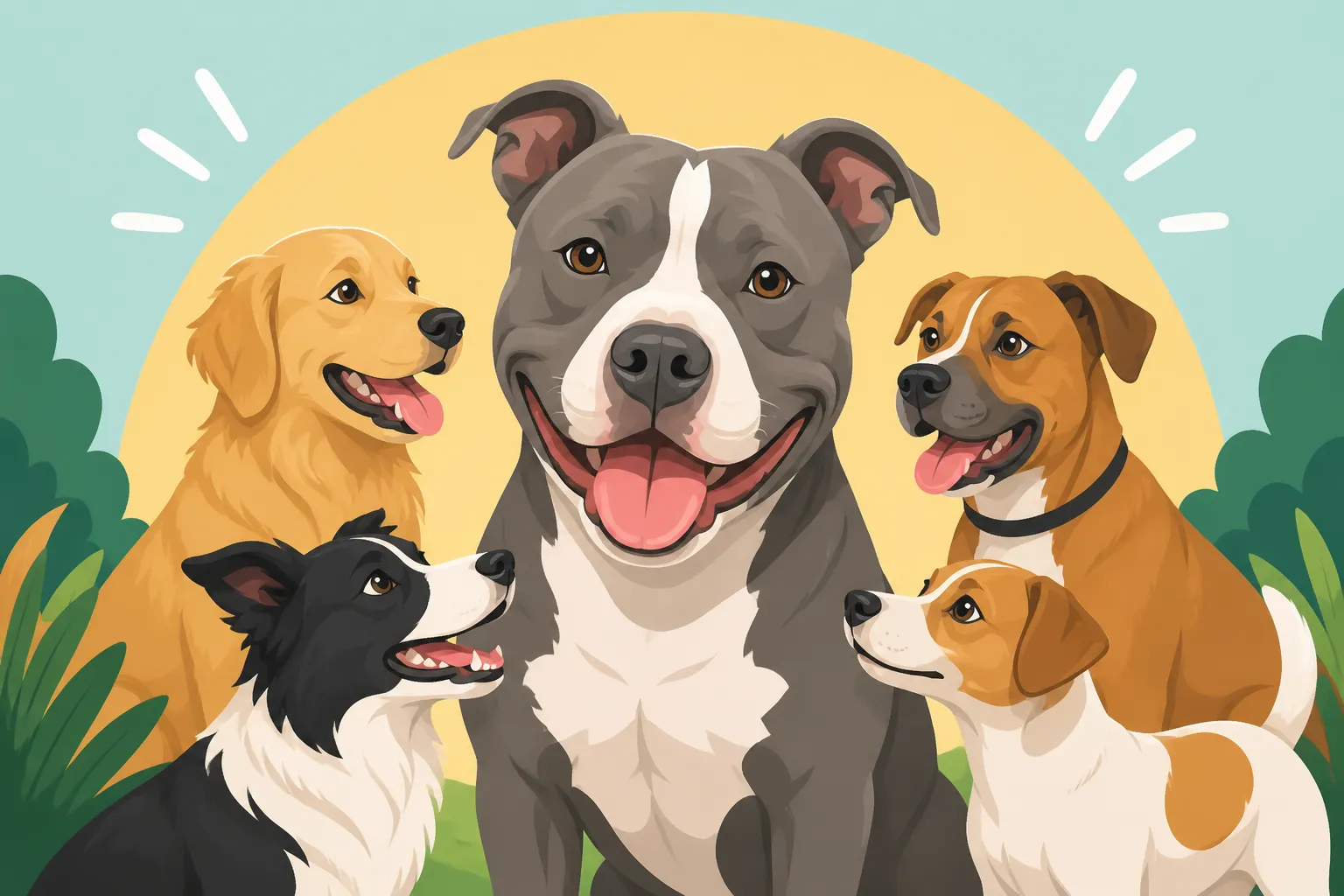
Pit Bulls Living With Other Dogs
It’s a common dream for many dog lovers: a bustling home filled with canine companions, all living in harmony. But when you have a Pit Bull, or are considering bringing one into your existing pack, that dream can sometimes feel shadowed by worry. The truth is, Pit Bulls can absolutely thrive in multi-dog households, but it requires a deep understanding of their unique traits, careful introductions, and consistent management. This guide will walk you through everything you need to know about successfully integrating Pit Bulls with other dogs, helping you build a peaceful and happy home for all your furry family members.
Understanding Pit Bull Dog Selectivity
One of the most crucial concepts to grasp when considering a Pit Bull in a multi-dog home is "dog selectivity." It’s a term that often gets misunderstood or conflated with aggression, but it’s really about individual preferences and boundaries.
What Dog Selectivity Means for a Pit Bull
Dog selectivity simply means that a Pit Bull might not be inherently friendly with all other dogs, or it might have a preference for certain play styles, sizes, or temperaments. Unlike some breeds that are universally social and greet every dog with an open paw, many Pit Bulls, particularly as they mature, become more discerning about their canine companions. This isn’t a flaw in their character; it’s often a characteristic of bull and terrier-type dogs bred for specific historical purposes, where tolerance for other dogs was not always a primary selection criterion. They might have a handful of dog friends they adore, tolerate others politely, and actively avoid or react to those they don't care for.
It's vital to differentiate this from generalized aggression. A dog-selective Pit Bull isn't necessarily dangerous or aggressive; it simply communicates its preferences. For instance, a selective dog might stiffen, give a hard stare, or move away from another dog it doesn't want to interact with. An aggressive dog might escalate immediately to barking, lunging, or biting without these nuanced signals. Understanding Pit Bull Dog Selectivity Explained is key to setting your dog up for success and avoiding stressful situations.
Why Dog Selectivity Is Not Aggression
This is where empathy and realistic expectations come into play. Many people adopt a Pit Bull expecting them to be dog park regulars, bounding around with every new friend. When their Pit Bull starts showing signs of selectivity, they often panic, fearing their dog is "aggressive" or "bad." But it's rarely that simple. Think of it like people: you probably don't want to be best friends with everyone you meet. You have your close circle, your acquaintances, and people you'd rather keep at a polite distance. Dogs are much the same.
A Pit Bull displaying dog selectivity is often just expressing a preference for calm, respectful interactions, or perhaps a desire to avoid certain boisterous play styles that don't match their own. It might be a refusal to engage with a pushy dog, rather than an intent to harm. Ignoring these subtle cues and forcing interactions can be what leads to true aggression, as the dog learns its polite warnings aren't being heeded. This distinction is critical for managing their social life effectively.
The Age Dog Selectivity Usually Appears
Dog selectivity typically doesn't appear overnight. Many Pit Bull puppies are exuberantly social, happy to play with any dog they encounter. This early social period is wonderful and important, but it doesn't guarantee lifelong universal dog friendliness. Often, owners start to notice shifts as their Pit Bull approaches social maturity, which can be anywhere from 12 months to 36 months of age, though sometimes even later.
This is the period when hormones stabilize, and a dog's true personality and preferences begin to solidify. A previously playful pup might start showing less tolerance for rude greetings, guarding toys more, or becoming less keen on rough-and-tumble play with unfamiliar dogs. It’s not uncommon to see these changes emerge around the age of two or three. Recognizing The Age Pit Bull Dog Selectivity Usually Appears helps owners prepare and adjust their management strategies, rather than being caught off guard and feeling disappointed or frustrated. It's a natural part of development for many breeds, including Pit Bulls.
Introducing a Pit Bull to an Existing Dog
Bringing a new dog into a home, especially when one or both are Pit Bulls, requires a thoughtful, slow, and controlled approach. Rushing this process can lead to stress, conflict, and a breakdown of trust between the dogs and with you.
Slow Introductions on Neutral Ground
The golden rule for introducing any new dog, but especially a Pit Bull, is to do it slowly and on neutral territory. This means an unfamiliar park, a friend's yard, or even just a different street in the neighborhood—anywhere that neither dog feels the need to defend. Keep both dogs on leashes, handled by separate adults who are calm and confident. Avoid direct face-to-face greetings initially, as this can be intimidating. Instead, try parallel walking at a distance where both dogs are comfortable.
Gradually decrease the distance over several sessions, observing their body language closely. Look for loose bodies, relaxed ears, wagging tails (not stiff), and sniffing. If either dog shows signs of stress—stiffening, hard stares, excessive panting, tail tucked, trying to hide—increase the distance immediately. The goal is positive, low-pressure exposure, building positive associations step by step. This process might take days, weeks, or even months, depending on the individual dogs. Remember, patience is your best friend here. For more insights, refer to Introducing a Pit Bull to an Existing Dog Slowly.
Managing Expectations and First Impressions
It's tempting to want immediate best friends, but it’s crucial to manage your expectations. Some dogs will hit it off right away, others will merely tolerate each other, and some may never truly become friends, only coexisting peacefully. All of these outcomes are acceptable as long as safety and peace are maintained. The goal is not necessarily to have them cuddling on the couch within an hour, but to create an environment where they can learn to respect each other's space.
During the first few in-home sessions, keep interactions brief and supervised. Use physical barriers like baby gates or crates to separate them when you can't actively supervise. Feed them separately, ideally in different rooms. Pick up all toys, chews, and high-value items to prevent resource guarding. Pay close attention to Reading a Pit Bull Before a Scuffle Starts – knowing the subtle signs of tension can prevent an incident before it escalates. Positive reinforcement, such as praise and treats, should be used for calm behavior in each other’s presence.
Whether Two Pit Bulls Can Share a House
Yes, two Pit Bulls can absolutely share a house, but it often requires even more meticulous management, particularly if they are both strong personalities or if they are both intact (not spayed or neutered). The primary consideration often revolves around same-sex pairs. There's a widely discussed tendency in some bull and terrier breeds for same-sex intolerance, meaning two females or two males might be more prone to conflict than a male-female pair. This isn't a universal rule, and many same-sex Pit Bulls live happily together, but it's a factor to be aware of and proactively manage.
If you’re considering two Pit Bulls, or adding a second Pit Bull to your existing one, careful selection of temperament is paramount. A calm, respectful dog is often a better match than another dominant or boisterous one. Ensuring both dogs are spayed or neutered can also significantly reduce hormonal drives that contribute to conflict. Thorough introductions, consistent boundaries, and constant supervision, especially in the early stages, are non-negotiable for success. A good starting point for further reading would be Whether Two Pit Bulls Can Share a House.
Managing a Multi-Dog Household with Pit Bulls
Once your Pit Bull and other dogs have been introduced and are coexisting, the real work of managing a harmonious multi-dog home begins. This isn't a "set it and forget it" situation; it requires ongoing vigilance and consistent routines.
Crate and Rotate as a Pit Bull Management Plan
For many multi-dog homes, especially those with dog-selective Pit Bulls or where tensions can occasionally flare, a "crate and rotate" system becomes an invaluable tool. This simply means that when you cannot actively supervise your dogs, they are separated. This could involve crating one dog while the other free-roams, or rotating which dogs have access to certain areas of the house at different times.
The beauty of crate and rotate is that it prevents incidents by removing the opportunity for conflict. It gives each dog essential downtime and personal space, reducing overall stress. It can be particularly useful during feeding times, when high-value chew sessions are happening, or when you leave the house. High-quality, durable crates are essential for this, and many owners find great options on sites like Chewy that hold up to a strong Pit Bull. While it sounds like a lot of work, it creates a much safer and more relaxed environment in the long run, and many dogs actually appreciate their dedicated, undisturbed crate time. Read more about Crate and Rotate as a Pit Bull Management Plan.
Feeding, Resources, and Dedicated Spaces
Resource guarding—where a dog protects food, toys, beds, or even a person—is a natural canine behavior that can quickly escalate into serious conflict in a multi-dog home. With strong-willed dogs like Pit Bulls, preventing resource guarding is critical. Always feed dogs separately. This means different rooms, crates, or even outside if necessary. Ensure there's no way for one dog to "steal" food from another.
The same goes for toys and chews. When high-value items are out, either separate the dogs or ensure there are enough for everyone, spread out, and supervise closely. Better yet, save the extra special chews for individual, separate sessions. Provide multiple resting spots, beds, and water bowls around the house so no dog feels compelled to compete for resources. Each dog should also have their own designated "safe space," like a crate or a bed in a quiet corner, where they can retreat and not be bothered. These dedicated spaces are crucial for their mental well-being and reducing underlying stress.
Supervision Rules for a Pit Bull and a Child
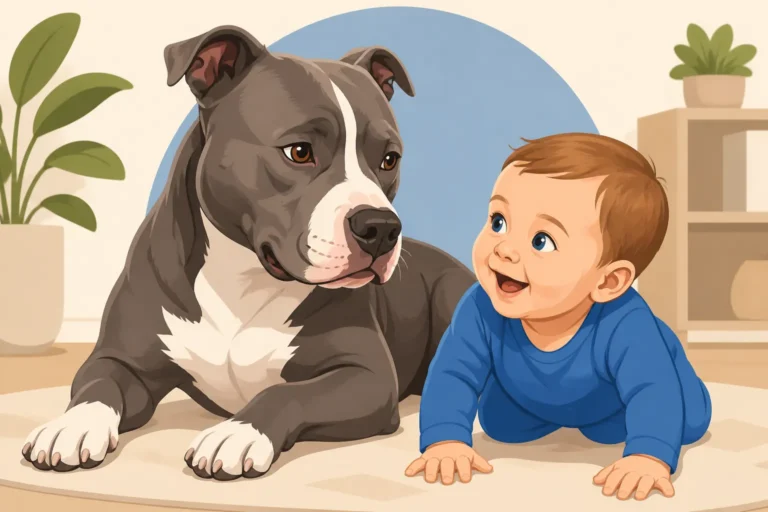
While this guide focuses on dog-dog interactions, it's impossible to discuss multi-dog households without touching upon the presence of children, especially given the unfair reputation Pit Bulls sometimes carry. Regardless of breed, no dog, and especially no Pit Bull, should ever be left unsupervised with a child. This is a non-negotiable safety rule for all dogs and all children.
Children can be unpredictable, and even the most tolerant dog can reach its limit if its boundaries are repeatedly ignored. Teach children to respect a dog's space, particularly when it's eating, sleeping, or in its crate. Teach them to recognize signs of stress in a dog, and never to approach a dog that is exhibiting those signs. Supervise all interactions, actively, meaning you are engaged and ready to intervene instantly. It's about proactive prevention and teaching both species how to interact safely and respectfully. For more specific guidance, Supervision Rules for a Pit Bull and a Child provides valuable insights.
Recognizing and Addressing Pit Bull Play Styles
Pit Bulls often have a distinct play style that, while perfectly normal for them, can sometimes be misunderstood or lead to issues with other breeds. Understanding this is key to finding appropriate playmates and preventing misunderstandings.
Pit Bull Play Style and Rough Games
Pit Bulls, being powerful and athletic dogs, often engage in what can appear to be very rough play. This can include body slamming, jaw wrestling, hard chasing, and loud growling. To another Pit Bull or a similarly robust breed, this might be a fantastic game. To a smaller, more sensitive, or less physically resilient dog, it can be terrifying or even dangerous.
It's important for owners to learn to distinguish between appropriate, consent-based rough play and actual aggression. In healthy rough play, dogs will take turns, engage in play bows, pause, shake off, and generally display loose, bouncy body language. If one dog consistently tries to disengage, tucks its tail, screams, or shows stiffness, the play needs to be stopped. Never allow play to escalate beyond what all participating dogs are clearly enjoying. You can find more detail on Pit Bull Play Style and Rough Games.
Matching a Pit Bull With the Right Playmate
Due to their unique play style and potential for dog selectivity, not every dog will be a good playmate for your Pit Bull. Look for dogs that are:
- Similar in size and strength: This helps prevent accidental injury to smaller, more fragile dogs.
- Have a complementary play style: A Pit Bull that loves to wrestle might not be happy with a dog that only wants to chase, and vice versa.
- Tolerant and resilient: Playmates should be able to handle a bit of rough-and-tumble without becoming overwhelmed or defensive.
- Well-socialized and have good bite inhibition: This ensures that if play gets too rough, neither dog is likely to cause serious harm.
Avoid dog parks if your Pit Bull shows any signs of dog selectivity or if you're unsure of its interactions with unknown dogs. Dog parks are often uncontrolled environments where one bad interaction can set back weeks or months of progress. Instead, seek out structured playdates with known, compatible dogs.
Whether a Pit Bull Belongs at a Dog Park
This is a hot-button topic, and for many Pit Bull owners, the answer is a resounding no. While some individual Pit Bulls may enjoy dog parks and have no issues, the risks often outweigh the benefits, especially given public perception and the potential for a misunderstanding to escalate. The main reasons for caution include:
- Dog selectivity: As discussed, many Pit Bulls become selective with age. A dog park exposes them to many unfamiliar dogs with unknown temperaments and play styles.
- Misinterpretation of play: A Pit Bull's normal rough play can be misinterpreted as aggression by other owners or dogs, leading to conflict.
- High prey drive: Some Pit Bulls have a strong prey drive, which can be inadvertently triggered by smaller, faster dogs in an off-leash environment.
- Breed restrictions: Even where not legally banned, dog parks might have unofficial social rules or other owners might be wary, creating a stressful environment for you and your dog.
- Legal liability: In the unfortunate event of an incident, Pit Bull owners often face disproportionate consequences.
For many, it's simply not worth the risk. Structured playdates, long walks, flirt poles, and tug games provide excellent alternatives for exercise and mental stimulation. Consider Whether a Pit Bull Belongs at a Dog Park for a deeper dive into this important decision.
Here's a quick comparison of healthy vs. concerning play:
| Feature | Healthy Play | Concerning Play |
|---|---|---|
| Body Language | Loose, wiggly, bouncy, play bows, relaxed mouth, soft eyes | Stiff, rigid, tucked tail, hard stares, tense mouth, hunched posture |
| Vocalizations | Playful growls, happy yips, silent | High-pitched yelps of distress, continuous aggressive growling, snarls |
| Engagement | Takes turns chasing/being chased, pauses, disengages easily | One dog constantly pinning/harassing the other, difficulty disengaging |
| Consent | Both dogs initiating and re-initiating play | One dog trying to disengage, hide, or avoid, while the other persists |
| Mouth Use | Soft, inhibited nips, open-mouthed panting | Hard bites, open-mouthed snaps aimed at vulnerable areas, prolonged biting |
When Professional Help is Needed
Even the most experienced dog owners can face challenges in a multi-dog home, and there's absolutely no shame in seeking professional guidance. In fact, it's often the smartest thing you can do to ensure the safety and happiness of all your dogs.
Finding a Trainer Experienced With Pit Bulls
Not all dog trainers are created equal, and it's particularly important to find one who has specific experience with Pit Bulls and other strong, intelligent breeds. Look for trainers who emphasize positive reinforcement, force-free methods, and who understand canine body language and behavior. Avoid trainers who advocate for harsh corrections, intimidation, or dominance theory, as these methods can exacerbate behavioral issues, damage trust, and are generally ineffective in the long run, especially with a breed as sensitive and powerful as a Pit Bull.
Ask potential trainers about their philosophy, their experience with multi-dog households, and specifically with Pit Bulls or similar breeds. A good trainer will be happy to answer your questions, provide references, and explain their approach in detail. They should focus on management strategies, skill-building for your dogs (like impulse control and polite greetings), and helping you read and understand your dogs' communication signals. Investing in a knowledgeable trainer is an investment in a peaceful home. Consider Finding a Trainer Experienced With Pit Bulls to help you make the right choice.
What to Do If a Pit Bull Is Involved in an Incident
Despite all best efforts, incidents can happen. Perhaps an accidental altercation over a dropped treat, or a misunderstanding during play. If your Pit Bull is involved in a scuffle, especially if it's with another dog in the household, the immediate steps you take are crucial.
- Separate Safely: Your top priority is to separate the dogs without getting hurt yourself. Avoid putting your hands directly into a dog fight. Use a loud noise, a water hose, a broom, or a blanket to create a barrier or distraction. If you have another adult, try a "wheelbarrow" method where each person grabs a dog's back legs and pulls them apart simultaneously.
- Assess Injuries: Once separated, calmly check both dogs for injuries. Even minor nips can become infected. Contact your vet immediately if there are any punctures, deep wounds, or signs of pain.
- Contain and Cool Down: Keep the dogs separated in different rooms or crates for a significant cool-down period. Do not try to reintroduce them right away. Both dogs need time to de-stress.
- Evaluate and Consult: Critically evaluate what led to the incident. Was it a specific resource? A territorial dispute? An ignored warning signal? Contact a professional dog trainer or veterinary behaviorist immediately. They can help you understand the root cause and develop a comprehensive plan to prevent future incidents. This might involve changes to your management routine, behavior modification protocols, or even considering whether the current living arrangement is truly safe for all parties. Documenting What to Do If a Pit Bull Is Involved in an Incident can help you respond effectively.
Ultimately, living with Pit Bulls and other dogs can be incredibly rewarding. With understanding, patience, consistent effort, and sometimes the right professional help, you can create a happy, safe, and fulfilling multi-dog home for everyone.
Disclaimer
This article is for general informational purposes only and does not constitute professional advice. Laws, prices and regulations vary by location and change over time. Consult a qualified professional for guidance on your specific situation.