The 1972 Renaming to American Staffordshire Terrier
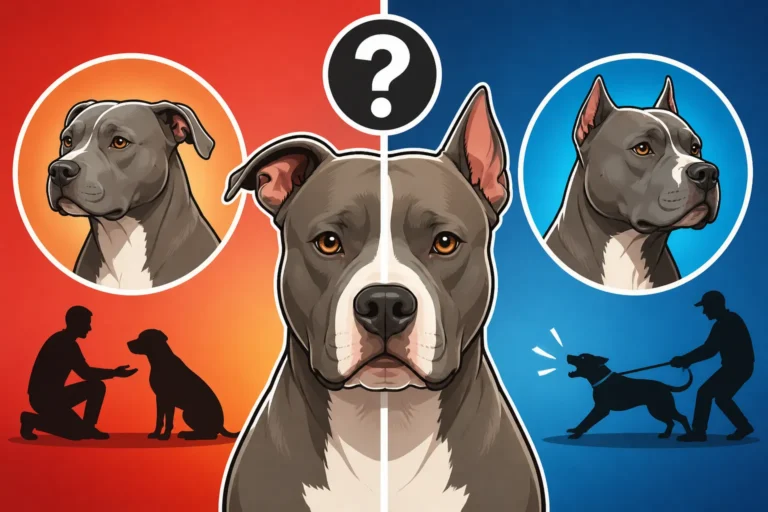
It can be incredibly frustrating to hear people casually use "Pit Bull" as a blanket term, only to then face different rules, perceptions, and even breed-specific legislation because your dog carries a similar look. Understanding the precise history of how breeds like the American Staffordshire Terrier came to be named, and how that name distinguishes it from other "Pit Bull" types, is crucial for advocating for your beloved companion. This guide will delve into the historical context and reasons behind the 1972 renaming of the Staffordshire Terrier to the American Staffordshire Terrier, exploring its lasting implications for owners and the breed itself.
The Initial Recognition and Early Confusion
When we talk about "Pit Bulls," it's often a general descriptor for a type of dog rather than a single, recognized breed. This distinction has been a source of immense confusion for decades, not just for the public, but for kennel clubs trying to categorize these powerful, athletic dogs. The journey of what we now know as the American Staffordshire Terrier through the American Kennel Club (AKC) is a prime example of this complex evolution, aiming to bring clarity and a distinct identity to a specific lineage.
The American Kennel Club's Stance on Pit Bulls
Historically, the American Kennel Club (AKC) has always steered clear of recognizing any breed specifically named "Pit Bull." The very term was deeply intertwined with dog fighting, a practice that the AKC, as a registry focused on conformation and legitimate sporting events, wanted no association with. This created a challenge for breeders who loved the dogs and wanted to establish a reputable line, participate in dog shows, and gain mainstream acceptance. They had dogs that were undeniably intelligent, devoted, and strong, but their common moniker carried a heavy burden.
For years, these dogs, often called "Bull-and-Terrier" dogs or various regional names, existed in a nebulous space, celebrated by some for their grit and loyalty, and reviled by others for their fighting past. Owners looking for a path to legitimacy and recognition for their dogs found themselves in a unique bind, needing to distance their beloved companions from the negative associations while still honoring their ancestral traits. It was a societal and institutional tightrope walk, and the quest for a more palatable name became paramount.
The Staffordshire Terrier Enters the Scene 1936
The efforts of these dedicated breeders eventually bore fruit. In 1936, the AKC officially recognized a breed, but it wasn't called a "Pit Bull." Instead, it was given the name "Staffordshire Terrier." This recognition was a significant step, offering a formal identity and a pathway for these dogs to be judged against a written standard in the show ring. It was a move designed to legitimize a particular type of these dogs, emphasizing their terrier qualities and their strong, compact build, rather than their historical "pit" connections.
This initial recognition allowed a segment of the "Pit Bull type" dogs to gain a foothold in the purebred dog world. Breeders could now work towards a defined standard, focusing on specific physical characteristics, temperament, and health traits that would distinguish their dogs within the AKC system. It was about creating a consistent, predictable lineage that could be proudly presented as a distinct breed, moving beyond the catch-all "Pit Bull" label. This also meant that people looking for a well-bred, predictable dog could turn to AKC-registered Staffordshire Terriers.
Divergent Paths and Developing Standards
Even with the AKC's recognition of the Staffordshire Terrier, the larger "Pit Bull" landscape remained complex, with different organizations taking different approaches. This created a split that, while initially subtle, would lead to distinct breeding goals and, eventually, distinct breed identities that we recognize today. It's a testament to the diverse nature of these dogs and the varying visions of their advocates.
The UKC and the American Pit Bull Terrier
While the AKC was creating a space for the Staffordshire Terrier, another prominent registry, the United Kennel Club (UKC), took a different path. The UKC had recognized the "American Pit Bull Terrier" (APBT) much earlier, in 1898. For the UKC, the name "Pit Bull" wasn't something to shy away from; it was an acknowledgment of the breed's working heritage, including its history in pit sports, but also its capabilities as a farm dog, a catch dog, and a loyal companion. The UKC's standard for the APBT tended to emphasize working ability, athleticism, and gameness—qualities that were prized in a multi-purpose farm dog or a competitive athlete.
This meant that breeders registering with the UKC had a slightly different set of priorities. While temperament and conformation were still important, the emphasis was often on maintaining the drive, resilience, and functional athleticism that defined the early "Pit Bull" type. The UKC’s recognition helped to preserve a line of these dogs that continued to be known by their traditional name, cementing the American Pit Bull Terrier as a distinct breed within their registry, with a legacy rooted in both strength and versatility.
Physical and Temperamental Shifts
Over the decades following the initial split in recognition, the differing standards and breeding philosophies of the AKC and UKC began to influence the dogs themselves. While both the AKC's Staffordshire Terrier and the UKC's American Pit Bull Terrier originated from the same fundamental stock, the subtle shifts in focus started to create observable differences.
AKC breeders, driven by the desire for success in conformation show rings, often prioritized specific aesthetic traits outlined in their standard. This might include a particular head shape, ear set, or coat color, alongside a stable and confident temperament suitable for public exhibition. The goal was often a dog that embodied the "gentleman's fighting dog" ideal—powerful but refined, intimidating in appearance but sound in mind.
Conversely, UKC breeders of the American Pit Bull Terrier, while also valuing stable temperaments, often retained a stronger emphasis on raw athleticism, drive, and the traditional "gameness" associated with the breed's origins. These dogs were often bred for endurance, strength, and a tenacious work ethic. While both lines produced incredible dogs, a keen eye could start to discern differences in build, muzzle length, or overall "type" depending on whether the dog was bred for the AKC show ring or the UKC performance events. It's a fascinating example of how human-defined standards can shape canine evolution, even within closely related populations.
The Call for a Distinct Identity
By the latter half of the 20th century, the landscape around "Pit Bulls" was becoming increasingly fraught. Public perception, often fueled by sensationalized media reports, began to cast a long, dark shadow over any dog resembling the type. This growing negative connotation made it even more imperative for breeders of the AKC-recognized Staffordshire Terrier to clearly differentiate their dogs. They wanted their dogs judged on their merits, their pedigrees, and their proven temperaments, not on the broad, often misinformed, stereotype associated with the generic "Pit Bull" label.
Growing Public Perception and Negative Connotations
The mid-20th century saw a significant shift in how "Pit Bulls" were perceived by the general public. What were once celebrated as loyal family guardians and mascots began to be demonized, often linked to dog fighting and aggression. This created a huge challenge for owners of registered Staffordshire Terriers. Even if their dog had a stellar pedigree and a perfect temperament, the moment someone looked at them and uttered "Pit Bull," they were often instantly saddled with a host of negative assumptions. This was a frustrating reality for many responsible owners.
Imagine taking your beautifully bred, well-socialized Staffordshire Terrier for a walk, only to have people cross the street or pull their children away. This wasn't because of anything your dog did, but because of a generalized fear and misunderstanding rooted in a broader, often inaccurate, media narrative. This negative halo around the "Pit Bull" type made it incredibly difficult for the AKC's Staffordshire Terrier to gain broader acceptance and respect as a distinct, legitimate breed. It highlighted the critical need for a clearer, more defined identity that could stand apart from the pervasive stereotypes.
Formalizing the American Staffordshire Terrier Name
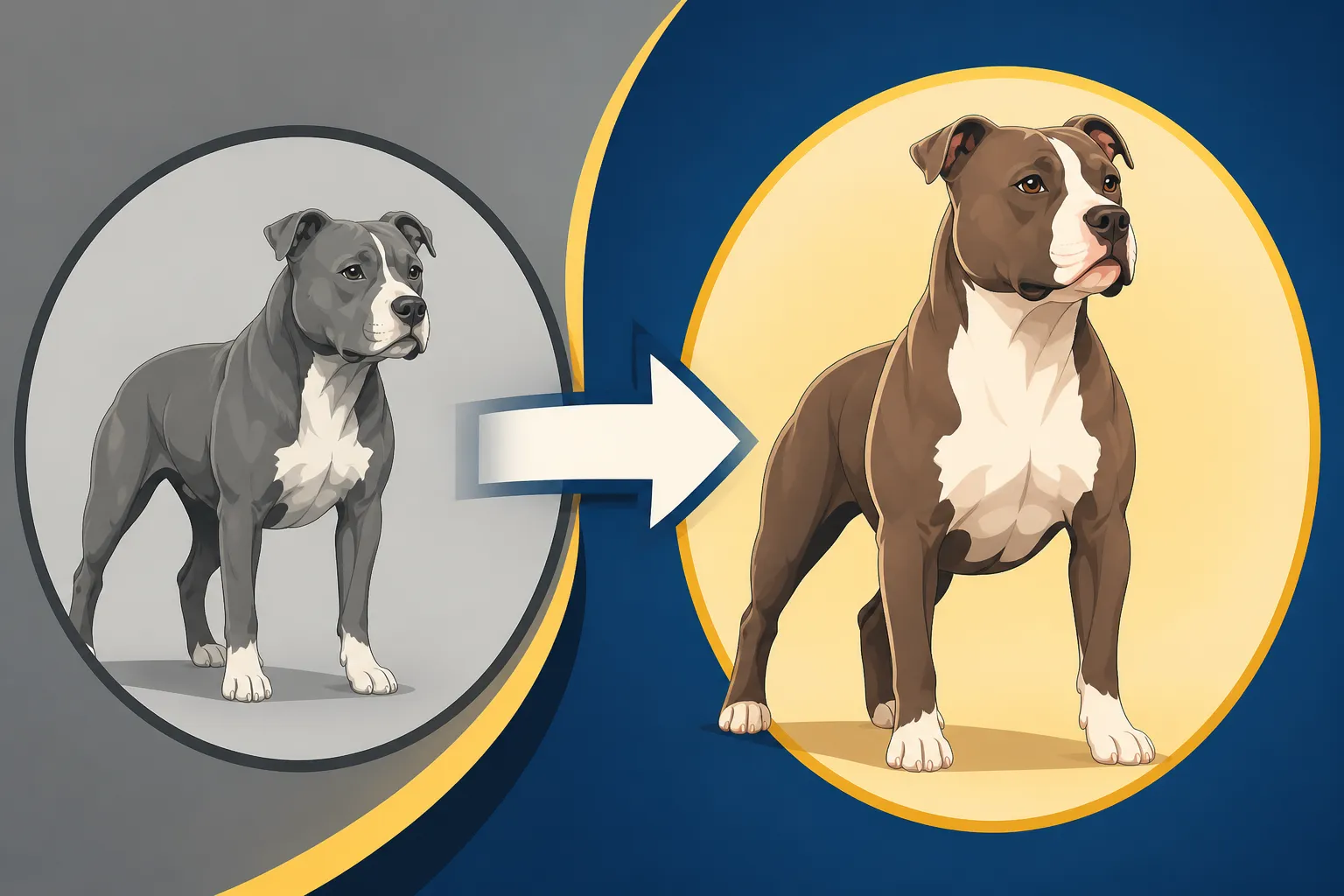
It was in this climate of increasing public confusion and negative stereotyping that the AKC's board made a pivotal decision in 1972: they officially renamed the Staffordshire Terrier to the "American Staffordshire Terrier." This wasn't just a cosmetic change; it was a strategic move with several clear intentions.
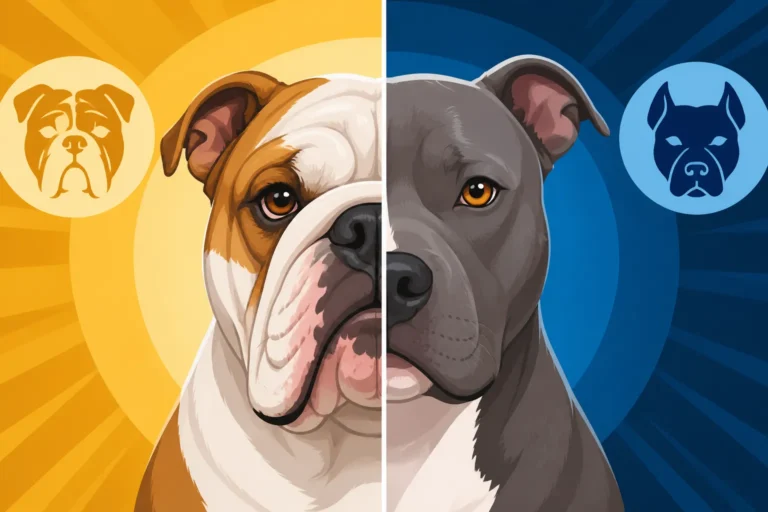
Firstly, adding "American" to the name served to distinguish it geographically from the Staffordshire Bull Terrier, a smaller, distinct breed originating from England, also recognized by the AKC. This helped to clarify its American development and specific lineage. More importantly, the renaming was a deliberate and public act of differentiation from the broader "Pit Bull" designation. It was a clear statement that while these dogs shared ancestry with other "Pit Bull types," the AKC-recognized breed had its own established standard, its own breeding goals, and its own place in the purebred dog world.
The renaming aimed to give these dogs an identity that emphasized their specific journey within the AKC, signaling their evolution as a distinct, show-quality breed. It was about defining their unique place, ensuring that their dedicated breeders and owners had a name that accurately reflected their breed's developed characteristics and pedigree, offering a measure of clarity in a confusing world.
Lasting Impact and Modern Interpretations
The 1972 renaming of the Staffordshire Terrier to the American Staffordshire Terrier had a profound and lasting impact on the breed, solidifying its identity within the American Kennel Club. However, as is often the case with such a nuanced history, it didn't completely resolve all the challenges or confusion, especially outside of dedicated breed circles. The reverberations of this decision are still felt today, influencing everything from conformation standards to public perception and even policy debates.
The Modern American Staffordshire Terrier
Today, the American Staffordshire Terrier, or AmStaff as it's affectionately known, is a well-established and respected breed within the AKC. The renaming helped to solidify its position, allowing breeders to further refine the characteristics that define the modern AmStaff. These dogs are known for their striking appearance: a muscular, stocky build, a broad head, a powerful jaw, and a keen, intelligent expression. Their temperament, as dictated by the AKC standard, emphasizes courage, loyalty, and a stable disposition, making them excellent companions for active families.
The AmStaff has carved out its niche as a versatile dog, excelling in various dog sports beyond the show ring, including obedience, agility, and even weight pull (though not under AKC rules for weight pull). The careful breeding practices, focusing on health, temperament, and adherence to the standard, have cultivated a breed that is consistent in its traits. When you get an AKC-registered American Staffordshire Terrier, you generally know what to expect in terms of appearance and temperament, a predictability that the renaming helped to reinforce. These dogs are often available from reputable breeders who perform thorough health testing, such as for Pit Bull Hip Dysplasia Showing at One to Two Years or Pit Bull Heart and Thyroid Conditions.
Continued Confusion and Breed Type Challenges
Despite the clear intentions behind the 1972 renaming, the broader public confusion between the American Staffordshire Terrier, the American Pit Bull Terrier, and other dogs of "Pit Bull type" persists. For many, any dog with that recognizable blocky head, muscular build, and confident stance is simply labeled a "Pit Bull," regardless of its actual lineage or registry. This generalization is particularly problematic because it can lead to difficulties for owners when it comes to housing, insurance, and even public interactions. This confusion is a central issue in discussions about Why Pit Bull Is a Type and Not a Breed.
Breed-specific legislation, for example, often uses broad visual definitions that can easily encompass an AmStaff, an APBT, a Staffordshire Bull Terrier, or even a mixed breed with similar physical characteristics. This means that an owner of a meticulously bred, AKC-registered American Staffordshire Terrier might face the same restrictions or prejudices as someone with a dog whose ancestry is entirely unknown. It's a stark reminder that while kennel clubs can define breeds, public perception and visual identification often override official nomenclature, creating ongoing challenges for owners trying to navigate a world that doesn't always understand the nuances of canine lineage. This is why resources discussing Where Pit Bull Legislation Still Applies are so important.
A Look at the Different Registries
To help illustrate the distinctions that arose from different registry paths, here’s a simplified comparison focusing on general leanings rather than strict, exhaustive definitions. Remember, individual dogs within any breed can vary widely!
| Feature | American Staffordshire Terrier (AKC) | American Pit Bull Terrier (UKC) |
|---|---|---|
| Primary Focus | Conformation showing, stable temperament, defined aesthetic standard | Working ability, athleticism, gameness, performance events |
| Registry Focus | American Kennel Club (AKC) | United Kennel Club (UKC) |
| Official Name | American Staffordshire Terrier (since 1972) | American Pit Bull Terrier (since 1898) |
| Size/Build Tendency | Often slightly more cobby/stocky, emphasis on symmetrical power | Can be slightly rangier, emphasis on agile strength and endurance |
| Recognition Goal | Legitimacy as a distinct, purebred show dog | Preservation of working heritage and athletic capability |
| Public Perception | Often still lumped into "Pit Bull type" by general public, despite renaming | Clearly identified as a "Pit Bull" by name, often facing stigma |
This table shows how, even from common roots, two similar yet distinct identities emerged through the efforts of different groups of dedicated dog enthusiasts.
Navigating the Nomenclature for Owners
For those of us who share our lives with a "Pit Bull type" dog, understanding these historical distinctions isn't just an academic exercise; it's a practical necessity. The way we talk about our dogs, the labels we use, and the knowledge we possess can significantly influence how others perceive them, and how we navigate everything from local ordinances to casual conversations at the dog park.
Understanding Your Dog's Specific Breed Identity
Knowing whether your dog is an AKC-registered American Staffordshire Terrier, a UKC-registered American Pit Bull Terrier, a Staffordshire Bull Terrier, or a fantastic mix of these, is incredibly valuable. This isn't about snobbery; it's about accuracy and responsible ownership. If you adopted your dog from a shelter and they identified it as a "Pit Bull mix," exploring genetic testing can sometimes provide clarity, helping you understand their true heritage. Which DNA Panel Tells You If It Is a Pit Bull can shed light on this.
This knowledge can inform your training approach, help you anticipate potential health concerns like Pit Bull Joint and Ligament Injuries or Pit Bull Skin Allergies and the Atopy Pattern, and even guide you in finding appropriate pet insurance that doesn't have breed exclusions for specific lines. For example, some insurers might view an AKC-registered AmStaff differently than a generically labeled "Pit Bull." Being able to articulate your dog's specific breed identity with confidence and accuracy is a powerful tool in advocating for them. It also helps you tap into breed-specific communities and resources that are tailored to your dog's lineage.
Explaining Your Dog to Others
One of the most frequent situations Pit Bull owners encounter is the need to explain their dog to others, often trying to counteract preconceived notions. Whether your dog is an AmStaff, an APBT, or a beloved mixed breed, the most effective approach is to focus on your individual dog's temperament, training, and good citizenship. Rather than getting bogged down in an immediate lecture on breed history (though that information is great to have in your back pocket!), start with what people can observe.
For instance, you might say, "This is Bruno, my American Staffordshire Terrier. He's incredibly smart and has his Canine Good Citizen title. We got his favorite durable toys from Chewy, and he just loves his puzzle feeders." This immediately paints a picture of a well-behaved, engaged dog. You're showcasing not just a breed, but a responsibly owned individual. If someone asks, "Is that a Pit Bull?" you can calmly explain, "He's an American Staffordshire Terrier, which is one of the breeds often referred to as a 'Pit Bull type.' They're known for their loyalty and strong work ethic, and we’ve focused a lot on his Training a Pit Bull to a Higher Standard Than Other Dogs." By highlighting your dog's positive attributes and your dedication as an owner, you become an ambassador for your dog and, by extension, for the entire Pit Bull type.
Disclaimer
This article is for general informational purposes only and does not constitute professional advice. Laws, prices and regulations vary by location and change over time. Consult a qualified professional for guidance on your specific situation.