Whether Pit Bulls Have Locking Jaws
It's a fear-inducing whisper that has followed Pit Bulls for decades: the idea that these dogs possess 'locking jaws' that clamp down and cannot be released. This persistent myth causes undue anxiety for potential owners and contributes to negative stereotypes, creating challenges for these deserving dogs to find loving homes. The reality, however, is far less dramatic and entirely biological. This comprehensive guide will dissect the widespread 'locking jaw' notion, explore the true mechanics of a Pit Bull's powerful mouth, and provide actionable insights for responsible ownership, helping you understand your Pit Bull's true capabilities.
The Myth of the Locking Jaw
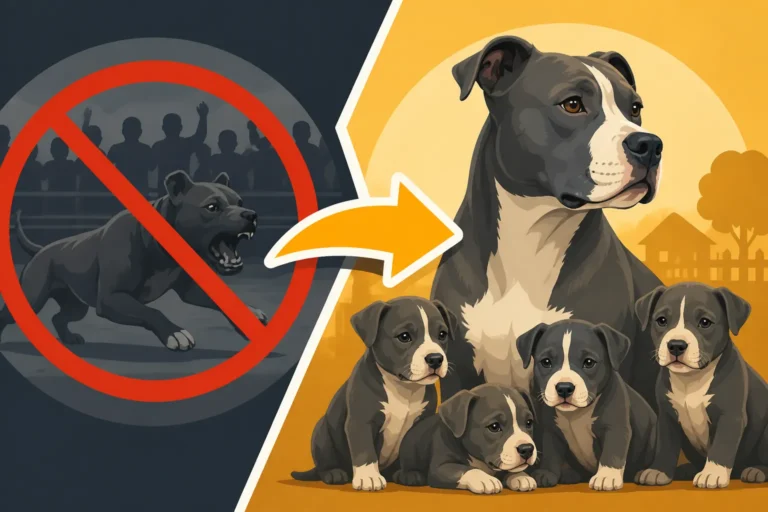
Let's address this head-on because it's one of the most pervasive and damaging myths surrounding Pit Bulls. Many people genuinely believe that once a Pit Bull bites down, its jaw mechanism physically locks into place, preventing it from letting go. This image is often fueled by sensationalized media reports and anecdotal stories, leading to a deep-seated fear that can be hard to shake. It’s a completely understandable concern if you believe such a mechanism exists, but the good news is that it simply isn’t true.
Anatomical Reality Versus Urban Legend
The absolute truth, backed by veterinary science and canine anatomy, is that no dog breed, including Pit Bulls, possesses a biological locking mechanism in their jaws. There is no special hinge, no unique bone structure, no physiological anomaly that allows a Pit Bull's jaw to "lock" any more than a Golden Retriever's or a Poodle's jaw. All dogs have the same basic jaw anatomy, designed for biting, chewing, and tearing, but not for locking. This myth often takes root because of a misunderstanding of what makes a Pit Bull's bite so strong and seemingly tenacious. It's not a mechanical lock; it's a combination of powerful muscles and immense determination.
The urban legend likely originated from observations of their bite style, particularly in activities like tug-of-war or when prey drive kicks in. People see a Pit Bull gripping an object with incredible strength and refusing to let go, and they interpret this as a physical lock rather than immense muscular power and focus. This misinterpretation then gets passed down, contributing to the unjustified fear and breed-specific legislation that impacts so many wonderful dogs. It's crucial to separate fact from fiction for the welfare of these animals and for public understanding.
What Contributes to the Perception of a "Lock"
If it's not a locking jaw, then what gives people the impression that it is? The answer lies in the Pit Bull's inherent physical traits and behavioral tendencies. These dogs are bred to be incredibly powerful, with a robust build and strong, well-developed jaw muscles. When a Pit Bull bites, it does so with significant force, and this force, combined with their characteristic tenacity, can make it seem like they are "locked on."
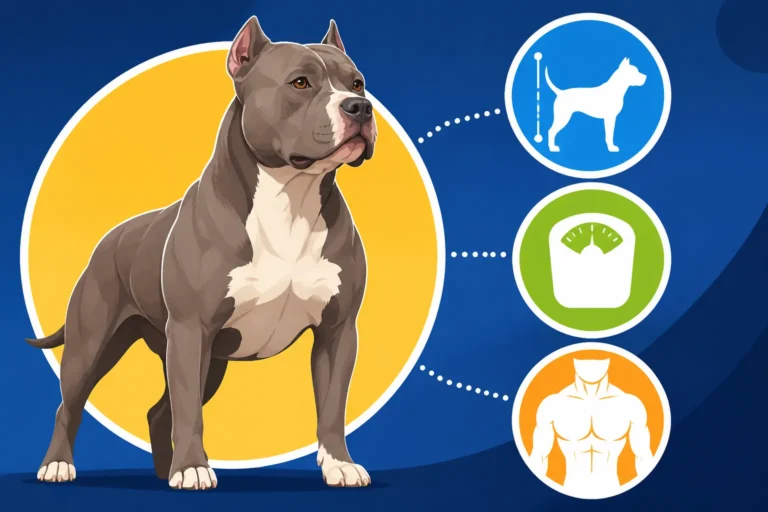
Consider their physical build: Pit Bulls typically have broad heads, powerful necks, and dense musculature throughout their bodies, which naturally extends to their jaws. Their bite isn't just about closing their mouth; it's often accompanied by a powerful hold-and-shake motion, which can make it incredibly difficult to disengage them from whatever they've latched onto. This is not unique to Pit Bulls, but they are particularly adept at it due to their genetics and the purposes for which their ancestors were bred. When you combine this physical capability with their often-high drive and determination, you get a dog that is incredibly focused and strong when engaged in a bite. This is what leads to the perception of a "lock," even though it's purely a display of strength and resolve.
The Pit Bull's Jaw Structure Explained
Understanding the actual anatomy of a Pit Bull's jaw helps to demystify the "locking jaw" myth. Instead of a unique locking mechanism, Pit Bulls possess an incredibly efficient and powerful chewing apparatus, driven by specific muscles and a sturdy bone structure. It's a design optimized for strength and endurance, not for mechanical locking.
Powerful Muscles and Bone Structure
Like all canids, Pit Bulls have two primary sets of muscles responsible for jaw closure: the temporalis and the masseter muscles. In Pit Bulls, these muscles are exceptionally well-developed, giving them their characteristic broad, powerful heads and strong bite. The temporalis muscle runs from the top of the skull down to the lower jaw, while the masseter muscle is located on the side of the face, covering the cheek area. These muscles work in conjunction to apply considerable force when the jaw closes.
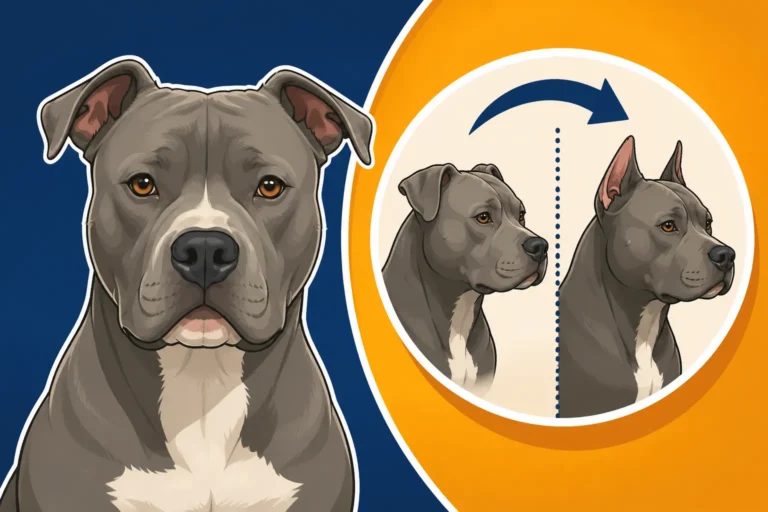
Their bone structure also plays a significant role. Pit Bulls typically have a wider skull and a deep-set jaw, which provides ample surface area for these powerful muscles to attach. This anatomical configuration creates a highly efficient leverage system, allowing them to exert immense pressure. This is why they can make quick work of a tough chew toy or hold firmly onto a tug rope during play. The strength isn't in a locking joint, but in the sheer power generated by these robust muscles and their solid skeletal foundation. It’s an evolutionary design for survival and function, not a secret weapon. Pit Bull Head Shape and Jaw Structure further explores these physical traits.
Bite Force and Tenacity
When we talk about a dog's "bite force," we're referring to the amount of pressure they can exert with their jaws, often measured in pounds per square inch (PSI). While studies on bite force vary and are often difficult to conduct accurately in a real-world setting, it's generally accepted that Pit Bulls, like many larger, powerfully built dogs, have a significant bite force. However, it's important to differentiate this from the myth of a "locking jaw." Bite force is about the strength of the squeeze, not a mechanism that keeps it clamped.
What truly contributes to the "locked on" perception is their tenacity. Pit Bulls, stemming from their bull-and-terrier ancestry, were historically bred for activities that required them to hold onto something with unwavering determination. This means they have a strong drive to grip and not let go, especially when aroused or engaged. Think about a Pit Bull playing tug-of-war: they'll often grip the toy, plant their feet, and pull with all their might, sometimes even shaking their head to mimic tearing. This intense focus and unwillingness to release can certainly look like their jaw is locked, but it's purely a behavioral trait combined with powerful muscles. They choose to hold on, and they have the physical capability to do so with impressive strength, but they can release it when they choose or are appropriately directed. This tenacity is a characteristic, not a physical lock.
Managing a Pit Bull's Strong Jaw in Real Life
Given that Pit Bulls possess powerful jaws and immense tenacity, responsible ownership is paramount. It’s not about fearing a mythical locking jaw, but understanding their real, impressive strength and channeling it constructively. Training, appropriate gear, and constant supervision are key to ensuring a happy, safe life for your Pit Bull and those around them.
Training for Impulse Control and Bite Inhibition
Early and consistent training is the cornerstone of managing any powerful dog, and Pit Bulls are no exception. For puppies, teaching Pit Bull Bite Inhibition and Mouthing is critical. This means teaching them that human skin is sensitive and that biting too hard is unacceptable. Puppies naturally explore with their mouths, and it's our job to guide them. This training can involve redirecting their bites to appropriate chew toys, making an "ouch" sound when they bite too hard, and briefly disengaging from play if the biting becomes too rough.
As they mature, focus on impulse control. Commands like "leave it" and "drop it" are invaluable, teaching your Pit Bull to release objects on cue or to ignore tempting distractions. This is especially important for their strong jaws – you want them to be able to release an item if needed, rather than stubbornly holding on. Regular practice with positive reinforcement helps build a strong bond and ensures your dog understands and respects your commands. Consistency is key, and enrolling in structured training classes with a trainer experienced with powerful breeds can make a huge difference. Pit Bull Training and Certification Costs often include these valuable lessons.
Appropriate Chews and Toys
A Pit Bull with a powerful jaw needs appropriate outlets for their natural chewing instincts. Providing durable, engaging chew toys is not just for fun; it's a vital part of mental and physical enrichment, and it helps prevent destructive behaviors around your home. Trying to save money on cheap, flimsy toys is often a false economy, as they'll likely be shredded in minutes. Look for toys specifically designed for "power chewers" or "heavy chewers." Brands that focus on durability are your best friend here.
When shopping, perhaps on platforms like Chewy, consider materials like solid natural rubber, durable nylon, or specific types of engineered plastics that are designed to withstand intense chewing. Things like Kongs, Nylabones, and West Paw Zogoflex toys are often recommended because they're built tough. Always supervise your Pit Bull with new toys to ensure they can't break off and ingest pieces. Edible chews, such as Himalayan yak chews or carefully chosen dental chews, can also provide an excellent outlet, but remember to factor them into your dog's daily calorie intake. For more detailed advice, check out guides on Chews That Do Not Crack Pit Bull Teeth and Chew Toys That Hold Up to a Pit Bull.
Here’s a quick overview of popular chew toy types suitable for strong chewers:
| Chew Type | Material | Durability Rating | Best For | Considerations |
|---|---|---|---|---|
| Solid Rubber Toys | Natural or Synthetic Rubber | High | Aggressive chewers, interactive games | Choose non-toxic brands, check for appropriate size |
| Nylon Bones | Durable Nylon | Very High | Persistent chewers, dental health (some) | Can be very hard, monitor for sharp edges as they wear |
| Hard Plastic Toys | Heavy-duty Plastic | Medium-High | Moderate to strong chewers, enrichment | Not all plastics are equal; supervision is crucial |
| Compressed Wood Chews | Processed Wood Fibers | Medium | Dogs who like natural texture, dental benefits | Can splinter; always supervise and inspect regularly |
| Antlers | Natural Deer or Elk Antler | Very High | Extreme chewers, long-lasting | Very hard, potential for dental fractures, expensive |
| Himalayan Yak Chews | Dried Yak Milk Cheese | Medium-High | Edible, satisfying chew, natural ingredients | Can be pricey, become small and pose a choking risk |
Safety and Responsible Ownership
Ultimately, ensuring public safety and your Pit Bull's well-being comes down to being a truly responsible owner. This means understanding and respecting your dog's breed traits, providing consistent training, and always being prepared. Due to their physical strength and sometimes undeserved reputation, Pit Bulls often face a higher level of scrutiny than other breeds. This can be frustrating, but it also means that owners have an even greater responsibility to demonstrate exemplary behavior.
Maintain excellent leash manners, especially in public. A strong puller can be a handful, so invest in quality harnesses and commit to training. Ensure your dog is well-socialized, not just with other dogs but with people of all ages, under careful supervision. Understand that a Pit Bull's play style can be quite robust, and not all dogs or people appreciate it. Reading a Pit Bull Growl Correctly and other body language cues is vital. Consider muzzle training your Pit Bull, not because you expect them to bite, but as a responsible precaution for emergencies or environments where it might be required. Muzzle Training Every Pit Bull Should Have is an excellent resource for this. By proactively managing your Pit Bull's strength and ensuring they are a well-behaved member of society, you not only protect others but also help chip away at the negative stereotypes that plague the breed.
Disclaimer
This article is for general informational purposes only and does not constitute professional advice. Laws, prices and regulations vary by location and change over time. Consult a qualified professional for guidance on your specific situation.