Pit Bull Bite Inhibition and Mouthing
One of the most common frustrations new Pit Bull owners face is the relentless nipping and mouthing from their puppies, which can quickly feel overwhelming given the breed's natural strength and enthusiasm. Many find themselves wondering if this intense puppy behavior is normal, or if their strong-willed companion is destined for a lifetime of hard bites. This comprehensive guide is here to demystify Pit Bull bite inhibition and mouthing, offering practical, empathetic strategies to teach your powerful pup a gentle mouth from the earliest stages, ensuring a safe and happy life together.
Understanding Bite Inhibition: More Than Just "Don't Bite"
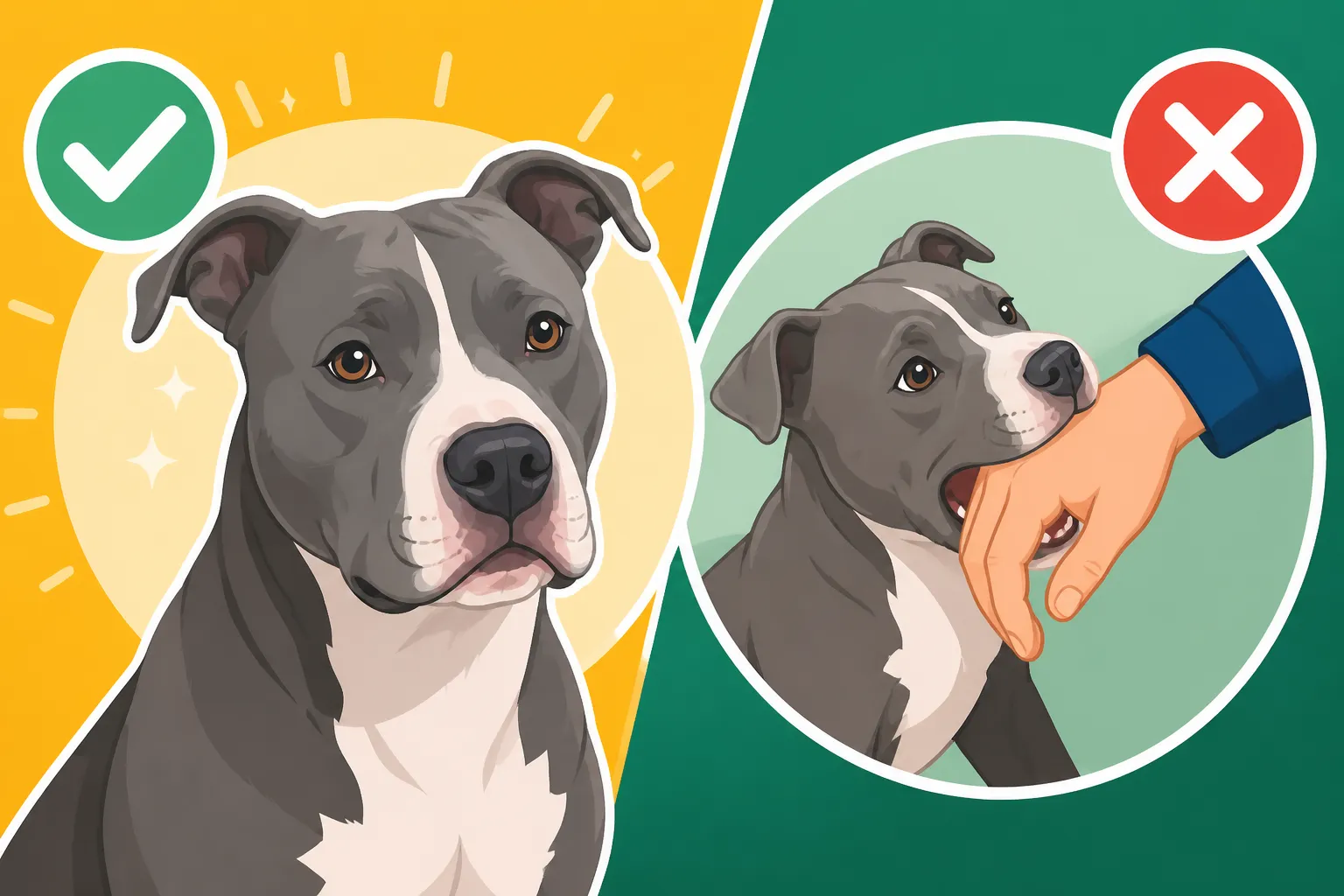
When we talk about bite inhibition in dogs, especially powerful breeds like Pit Bulls, we're not just aiming for a dog that doesn't bite. That's certainly the ultimate goal, but true bite inhibition is about teaching a dog to control the force of their bite. It's the difference between a playful, gentle nip that barely registers, and a hard, painful bite that breaks skin. Every dog, regardless of breed, has the potential to bite if pushed to a certain point, whether by fear, pain, or resource guarding. The key is to ensure that if a bite does ever occur, it's a soft, inhibited one rather than a damaging one. This learned control is arguably one of the most vital life skills you can instill in your Pit Bull.
What Bite Inhibition Truly Means for Your Pit Bull
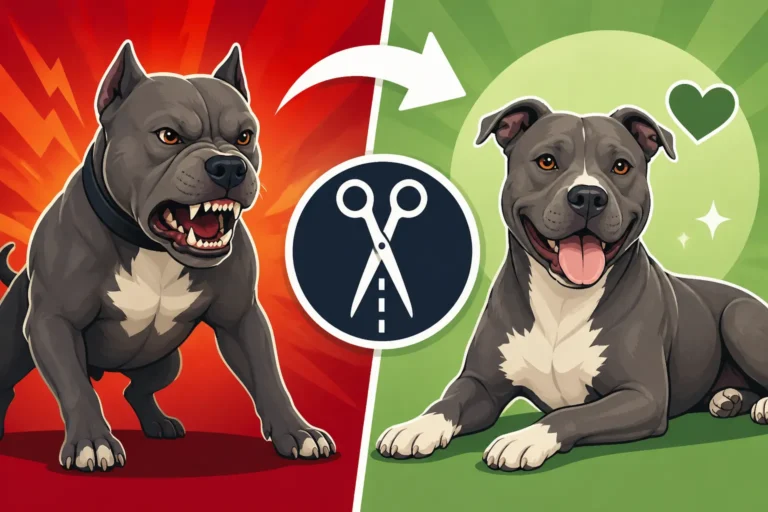
Think of bite inhibition as a spectrum, from a full-force, damaging bite on one end, to a completely gentle, inhibited mouth on the other. Our goal is to move our Pit Bull puppies as far down that spectrum as possible. It means teaching them that human skin is fragile, and even in excitement or frustration, their teeth should never apply significant pressure. This isn't an innate skill; puppies learn it primarily from their littermates and mother. When a puppy bites too hard during play, another puppy will yelp and stop playing, teaching the biter about the consequences of their actions. Without consistent feedback from us, this crucial lesson might never fully develop.
The concept of a "soft mouth" is a beautiful outcome of successful bite inhibition training. A dog with a soft mouth understands the boundaries of pressure. They might still use their mouth to interact – perhaps to gently take a treat, guide your hand, or mouth you during enthusiastic play – but it will always be done with the utmost care. For a breed like a Pit Bull, known for its powerful jaw structure and natural strength, fostering this soft mouth is paramount. It serves as an essential safety net, mitigating the risk and severity of any accidental nips or bites that might occur throughout their life, which could be the difference between a minor incident and a serious one.
Why Pit Bulls Specifically Need Excellent Bite Inhibition
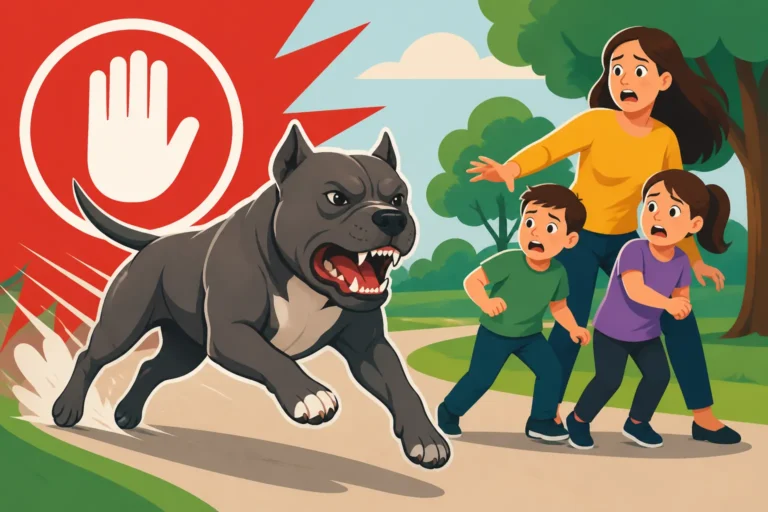
Let's be real: Pit Bulls face an uphill battle when it comes to public perception. Despite their often loving and goofy personalities, negative stereotypes persist, and unfortunately, any incident involving a Pit Bull tends to be scrutinized more heavily than with other breeds. This isn't fair, but it's the reality we live in, and it means that as Pit Bull owners, we carry a unique responsibility to ensure our dogs are exemplary citizens. Impeccable manners, including outstanding bite inhibition, are not just a luxury; they are a necessity for the safety of others and the reputation of the breed.
An accidental bite from a Pit Bull, even a mild one, can have far greater consequences than a similar bite from a smaller, less powerful dog. It can lead to severe legal repercussions, housing issues, insurance problems, and sadly, can sometimes even lead to a dog being surrendered or euthanized. Beyond the legalities, consider the safety within your own home. If you have children, other pets, or frequent visitors, a dog with poor bite inhibition is a significant risk. Teaching your Pit Bull excellent bite inhibition is an act of responsible ownership that safeguards your dog, your family, your community, and actively works to counter unfair stereotypes. It sets your Pit Bull up for success in a world that often judges them harshly, allowing them to confidently navigate interactions in public spaces, knowing they possess The Manners a Pit Bull Needs in Public.
The Natural Stages of Puppy Mouthing Development
Bringing home a Pit Bull puppy often means entering the "sharky" phase – a period where their needle-sharp teeth seem to be everywhere, constantly nipping and mouthing. While it can be incredibly frustrating and even painful for new owners, it's important to understand that this behavior is a completely normal, instinctual part of puppy development. They aren't trying to be malicious; they're simply exploring their world, testing boundaries, and communicating in the only way they know how with their mouths.
The Sharky Puppy Phase: Nipping and Teething
From around 8 to 16 weeks, Pit Bull puppies are veritable land sharks. They use their mouths for everything: exploring new objects, playing with littermates, seeking attention, and crucially, dealing with the discomfort of teething. Just like human babies, puppies experience significant gum irritation as their baby teeth emerge and then as those baby teeth are replaced by adult teeth. This discomfort drives an intense need to chew and mouth on anything they can get their jaws around. Your fingers, toes, clothing, and even your hair become prime targets for their sharp little choppers.
During this stage, the puppy is learning about their environment through their mouth. They’re figuring out what is hard, what is soft, what moves, and what resists. Their nips are often an attempt to initiate play, to get a reaction, or simply to relieve the aching in their gums. It's a critical window for learning appropriate mouth control. While it's tempting to get angry or shout, remember that your puppy isn't doing this to annoy you. They're doing what comes naturally, and it's our job to guide them toward more acceptable behaviors. Understanding this physiological drive can help you approach the situation with more patience and effective training strategies.
The Role of Littermates and Mother Dogs in Early Bite Inhibition
In a perfect world, a Pit Bull puppy would spend its first 8-10 weeks with its mother and littermates. This time is absolutely invaluable for developing crucial social skills, including bite inhibition. When puppies play rough, they often mouth and nip at each other. If one puppy bites another too hard, the bitten puppy will yelp loudly and immediately disengage from play. This sudden cessation of fun is a powerful lesson for the biter: "Too hard a bite means the game stops." This natural consequence is repeated countless times, slowly teaching the puppy to moderate the force of their bites.
The mother dog also plays a vital role. If her puppies get too rambunctious or mouth her too hard, she'll often deliver a subtle, but firm, correction – a growl, a snarl, or a quick nip of her own (never hurting them, but conveying a clear message). This teaches respect for boundaries and reinforces the "soft mouth" lesson. Puppies who are removed from their litter too early, or who come from situations where they didn't have much interaction with siblings or a good mother, often struggle significantly more with bite inhibition. They missed out on those crucial early lessons, placing a greater burden on the new owner to teach these foundational skills from scratch. This is why when considering a puppy, What a Pit Bull Health History Should Cover should include details about their early socialization.
Strategies for Teaching a Pit Bull Puppy a Soft Mouth
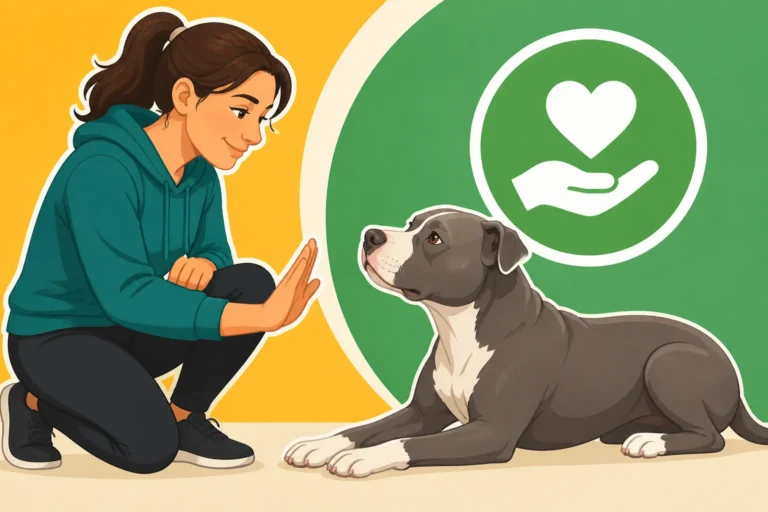
Teaching a Pit Bull puppy a soft mouth requires patience, consistency, and a deep understanding of positive reinforcement. You’re not just stopping an undesirable behavior; you’re actively teaching an alternative, more appropriate one. It’s about building a foundation of trust and clear communication, rather than fear or intimidation. The key is to respond consistently to every hard bite and to reward all instances of gentle behavior.
The "Ouch!" Method and Consistent Feedback
The "Ouch!" method is a classic and highly effective way to teach bite inhibition, mimicking how littermates teach each other. Here’s how it works: the moment your Pit Bull puppy’s teeth make contact with your skin with too much pressure, let out a sharp, high-pitched "Ouch!" or "Yip!" Immediately withdraw your hand or body part and completely stop interacting with the puppy for 10-15 seconds. Turn your back, cross your arms, or even calmly stand up and walk away if the puppy persists. The goal is to make the fun stop immediately when the bite is too hard.
The crucial part here is consistency. Everyone in the household must respond the exact same way, every single time. If one person yelps and stops, but another lets the puppy keep mouthing roughly, the message becomes confusing and ineffective. After the 10-15 second "time-out" from attention, you can resume play. If the puppy bites hard again, repeat the "Ouch!" and withdrawal. Over time, you can gradually decrease the level of pressure you tolerate, aiming for bites that feel less and less impactful. Remember, the puppy is learning about pressure, so some gentle mouthing is still acceptable in play, as long as it doesn't hurt. This method teaches your pup that gentle play continues, but painful play stops instantly.
Redirecting Chewing and Providing Appropriate Outlets
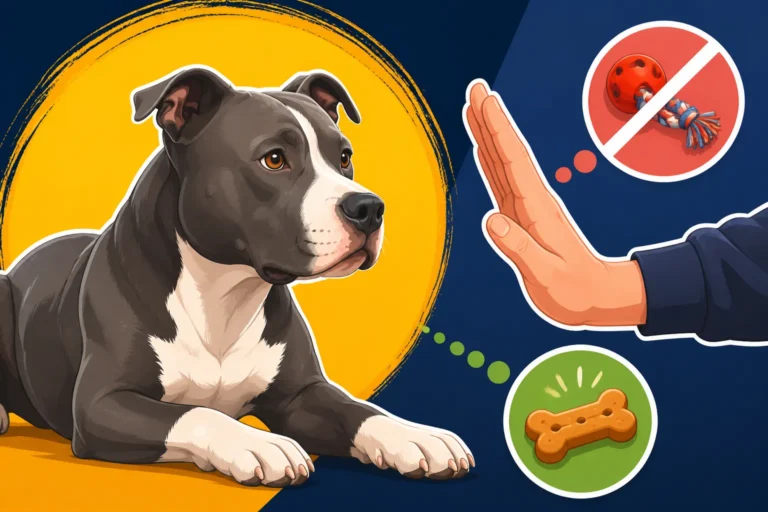
Pit Bull puppies have a natural, strong drive to chew, especially during their teething phases. Simply telling them "no" to biting your hands isn't enough; you must provide them with acceptable alternatives. Always have a variety of sturdy, appropriate chew toys readily available. When your puppy mouths your hand, immediately and calmly present them with an appropriate chew toy. As soon as they shift their attention to the toy and start chewing on it, offer enthusiastic praise like "Good chew!" or "Yes!" and even a small, tasty treat. This teaches them, "Hands are not for biting; this toy is for chewing, and I get rewarded for choosing it."
The type of chew toys matters significantly for a Pit Bull. They have powerful jaws, so flimsy toys won't last and could even be a choking hazard. Look for durable rubber toys, hard nylon chews, or sturdy rope toys. Rotate these toys to keep them interesting, and consider puzzle toys that dispense treats, which can keep their minds engaged while they chew. Investing in a good selection of Chew Toys That Hold Up to a Pit Bull is crucial. You can find a fantastic array of these on platforms like Amazon, ensuring you have plenty of options to keep your pup's chewing instincts satisfied. Always supervise your puppy with new toys to ensure they are safe and durable enough for their chewing style. This redirection strategy is fundamental to teaching your Pit Bull where and what it's acceptable to chew, leading to a much calmer and safer home environment. In addition to toys, consider methods like Redirecting a Pit Bull Puppy Onto a Chew to reinforce good habits.
When Mouthing Becomes Hard Biting: Addressing Nipping in Older Pups
As your Pit Bull puppy grows, their mouthing habits can evolve. What started as innocent, exploratory nips might sometimes transition into harder biting, especially if bite inhibition wasn't consistently taught, or if the puppy is entering adolescence. It's crucial to recognize this shift and address it promptly, as unchecked hard biting can become a serious behavioral issue that needs more intensive intervention.
Recognizing the Shift from Playful Nips to Problematic Biting
There's a noticeable difference between a clumsy puppy testing boundaries with its mouth and an older pup or adolescent Pit Bull delivering truly hard bites. Playful nips, even if a bit sharp, usually lack malice. The puppy might be over-excited, overtired, or simply trying to engage you in play. Problematic biting, however, often involves more pressure, a lack of immediate release, and can be accompanied by stiff body language, a furrowed brow, or even a growl. This might indicate frustration, fear, or a developing sense of resource guarding.
If your Pit Bull is consistently drawing blood, leaving noticeable marks, or biting in situations where they seem stressed or possessive, you've likely moved beyond typical puppy mouthing. This is especially important for adolescent Pit Bulls, typically between 6 months and 2 years, who are often testing boundaries and asserting themselves. Ignoring these more serious bites can inadvertently reinforce the behavior, teaching the dog that hard biting is an effective way to get what they want or to make something stop. It's vital not to suppress warnings like growling, but rather to investigate why the dog feels the need to resort to such communication, and address the underlying cause.
Time-Outs and Management Techniques
For older Pit Bull puppies or adolescents who are delivering hard bites, the "Ouch!" method might not be enough on its own. In these cases, implementing immediate, clear time-outs becomes a more powerful tool. The moment a hard bite occurs, even if it's during play, calmly but firmly say "Too bad!" or "No bite!" and immediately remove yourself from the situation. This is often called a "reverse time-out." Instead of putting the dog in a time-out, you leave the room for about 30-60 seconds, closing a door between you and your dog. This communicates unequivocally that hard biting makes the human disappear and the fun stop.
Management techniques are also essential to prevent biting incidents, especially while you're actively training. Use crates or baby gates to create safe spaces where your Pit Bull can be contained when you can't actively supervise them, or if they're showing signs of being over-aroused and prone to nipping. For instance, if your pup gets mouthy during evening zoomies, a brief, calm crate time with a chew toy can help them settle down without practicing the unwanted behavior. Investing in a sturdy, inescapable crate that holds up to a powerful Pit Bull is key here. These management tools aren't punishments; they are strategies to prevent opportunities for bad habits to form and to keep everyone safe during the learning process.
Avoiding Common Pitfalls: Why Punishment Can Backfire
It's natural to feel frustrated, angry, or even scared when your Pit Bull puppy bites hard. However, resorting to physical punishment, yelling, alpha rolls, or using harsh tools like prong collars or shock collars when addressing biting can be incredibly detrimental, especially for a powerful and sensitive breed like a Pit Bull. While these methods might suppress the biting in the short term, they don't teach the dog what to do instead. Instead, they teach fear, anxiety, and can erode the trust between you and your dog. Why Harsh Handling Backfires on a Pit Bull is a critical piece to understand.
A common and dangerous outcome of punishing biting is that you suppress the dog's warning signals. A dog that is consistently punished for growling or nipping might learn to skip those clear communications and go straight to a full, uninhibited bite with no warning. This is far more dangerous than a dog that gives clear signals when it's uncomfortable. Furthermore, punishment can lead to defensiveness and aggression, exacerbating the problem rather than solving it. Your Pit Bull needs to learn that you are a safe, predictable leader who will guide them with fairness and consistency, not someone to fear. Focus on positive reinforcement, redirection, and consistent time-outs to teach your Pit Bull that a gentle mouth is always rewarded and appreciated.
Managing Mouthing and Accidental Bites in Adult Pit Bulls
While most intense mouthing behavior is seen in puppies and adolescents, adult Pit Bulls can still mouth, sometimes accidentally, or due to certain triggers. It's important to continue reinforcing good mouth manners throughout their lives and to understand the context of any adult mouthing incidents. An adult dog's bite, even an accidental one, carries more force and potential for injury, making ongoing diligence crucial.
Reinforcing Gentle Mouth Manners Throughout Adulthood
Just because your Pit Bull has moved past its puppy phase doesn't mean bite inhibition training is over. It's a skill that benefits from continued reinforcement, especially in situations that might lead to over-arousal. Think about your Pit Bull's play style; many Pit Bulls love vigorous games of tug or chase. During these games, ensure that any mouthing is directed towards toys, not skin. If their excitement causes them to accidentally nip your hand during tug, a quick "Too rough!" and a brief pause in play can serve as a gentle reminder.
Incorporate training games that specifically require gentle handling. For instance, practice taking treats gently from your open palm, rewarding them heavily for a soft approach. You can also work on "give" or "drop it" commands for toys, ensuring they release items willingly without mouthing your hand. Even calm petting sessions can be used to reinforce gentleness. If your dog leans into your hand and offers a soft lick, praise and reward. These consistent, positive interactions reinforce the idea that a soft mouth is always preferred and leads to good things. For a deeper understanding of play, consider exploring Pit Bull Play Style and Rough Games.
Addressing Specific Triggers for Mouthing in Adults
If an adult Pit Bull starts mouthing or nipping, it's essential to identify the underlying trigger rather than just reacting to the behavior. Mouthing in adults can be a symptom of various issues. Sometimes, it's an attention-seeking behavior; the dog has learned that mouthing gets your immediate reaction, even if it's a negative one. In this case, ignore the mouthing (if safe to do so) and only give attention when they are calm and offering alternative behaviors.
Other triggers can be more serious. Mouthing can be a sign of stress or anxiety, particularly if the dog is overwhelmed in a new situation or around unfamiliar people. Resource guarding, where a dog becomes possessive over food, toys, or even space, can also manifest as mouthing or nipping if someone approaches their valued item. Pain or discomfort from an injury or underlying medical condition can also make a normally gentle dog mouthy, as they might react defensively if touched in a sensitive area. If you suspect pain, a vet visit is imperative. Understanding the "why" behind the mouthing is the first step in effectively addressing it and helping your Pit Bull manage their emotions and reactions in a constructive way.
Essential Tools and Resources for Bite Inhibition Training
Effective bite inhibition training isn't just about technique; it's also about having the right tools and resources to support your efforts. From indestructible chew toys to online learning platforms, these aids can make a significant difference in your Pit Bull's journey to developing a soft mouth.
Recommended Chew Toys and Enrichment Items
For a powerful chewer like a Pit Bull, the right chew toys are indispensable. You need items that can withstand their strong jaws and provide appropriate mental and physical stimulation.
- Durable Rubber Toys: Brands like Kong offer classic rubber toys that can be stuffed with treats, providing a long-lasting and engaging chewing experience. Freezing these can extend the fun.
- Hard Nylon Chews: Nylabone and Benebone make nylon chews in various shapes and flavors designed to satisfy intense chewers. Always choose a size appropriate for your Pit Bull's weight and chewing style.
- Sturdy Rope Toys: For interactive tug games (always with rules about releasing the toy), thick, tightly woven rope toys can be great, but supervise to prevent ingestion of strands.
- Puzzle Toys: These toys require your dog to manipulate them to release treats, combining mental stimulation with their natural chewing drive. This is excellent for keeping them occupied and redirecting mouthing.
Having a variety of these toys on hand, perhaps sourced easily from Amazon, ensures your Pit Bull always has an appropriate outlet for their chewing instincts. Rotate them regularly to maintain interest. Remember, your hands are not chew toys, and providing plenty of stimulating alternatives is key to teaching your Pit Bull where their powerful jaws are welcome. These chews also contribute to Pit Bull Dental Care Around Hard Chewing.
Harnesses, Leashes, and Management Equipment
Beyond chew toys, certain equipment can aid in managing and training a Pit Bull with mouthing tendencies, especially during moments of high excitement or when you need greater control.
- Front-Clip Harnesses or Head Halters: For Pit Bulls that tend to get overly excited and mouthy during greetings on walks, a front-clip harness or a head halter can offer better control. They discourage pulling and make it easier to redirect your dog's attention, preventing them from jumping up and mouthing strangers or other dogs. Make sure the fit is snug but comfortable, allowing full range of motion.
- Crates and Gates: As mentioned before, crates and baby gates are invaluable management tools. They allow you to safely contain your Pit Bull in situations where they might be prone to problematic mouthing, giving them a designated "chill out" zone with appropriate chews. This prevents them from practicing undesirable behaviors when you can't give them your full attention.
- Basket Muzzles: While the idea of a muzzle might initially seem negative, muzzle training is a responsible practice for any dog owner, and especially for Pit Bulls. A well-fitted basket muzzle allows your dog to pant, drink, and even take treats, but prevents hard biting. It's a management tool, not a punishment, and can be crucial for vet visits, grooming, or during intensive training periods when you need to prevent any risk of a bite. Every Pit Bull owner should seriously consider Muzzle Training Every Pit Bull Should Have as a proactive measure, regardless of their dog's current behavior.
Using these tools wisely and consistently supports your training efforts, providing safety and structure for your Pit Bull as they learn.
Online Courses and Community Support
In today's digital age, you don't have to tackle bite inhibition training alone. There's a wealth of online resources, courses, and communities that can provide structured guidance and invaluable support.
- Structured Online Training Programs: Many professional dog trainers offer comprehensive online courses specifically designed for puppy socialization and bite inhibition. These often include video demonstrations, step-by-step instructions, and troubleshooting tips. A good program will emphasize positive reinforcement techniques and understand the unique needs of powerful breeds. For example, BAXTER & Bella offers extensive online puppy training programs that cover bite inhibition, socialization, and general obedience using force-free methods. These platforms provide consistent, expert advice you can access from home.
- Virtual Consultations: If you're struggling with specific challenges, many trainers now offer virtual one-on-one consultations. This allows a certified professional to observe your dog's behavior (via video) and provide personalized advice tailored to your situation, even if you don't have a local trainer experienced with Pit Bulls.
- Online Communities and Forums: Connecting with other Pit Bull owners online can provide a strong support system. Forums, social media groups, and breed-specific communities offer a space to ask questions, share experiences, and get advice from people who truly understand the unique aspects of owning a Pit Bull. Just be sure to vet advice for positive, science-based methods.
These resources can empower you with knowledge and confidence, turning frustrating moments into effective learning opportunities for both you and your Pit Bull. Remember, consistent effort and a supportive learning environment are key to nurturing a well-behaved companion. For comprehensive early socialization, also consider Socializing a Pit Bull Puppy Thoroughly.
Here is a quick overview of bite inhibition training stages and responses:
| Puppy Age / Behavior Stage | Description of Mouthing | Appropriate Owner Response | Goals |
|---|---|---|---|
| 8-16 Weeks (Sharky Puppy) | Frequent, sharp nips during play/exploration; painful but unintentional | Yelp "Ouch!", withdraw attention for 10-15 seconds. Immediately redirect to a suitable chew toy. | Teach "skin is sensitive," reduce pressure of bites. |
| 4-6 Months (Adolescent Nips) | Stronger, more persistent nips; may be testing boundaries or frustrated. | Implement reverse time-outs (you leave the room for 30-60 seconds). Consistent redirection. | Refine bite pressure control, establish clear boundaries. |
| 6+ Months (Occasional Hard Bites) | Hard bites that break skin, sustained pressure, or growling. | Immediate, firm time-outs. Identify and address triggers (stress, pain, resource guarding). | Eliminate painful biting, reinforce gentle mouth in all contexts. |
| Ongoing Adulthood | Accidental nips during excited play, attention-seeking gentle mouthing. | Consistent positive reinforcement for gentle interactions. Gentle reminders as needed. | Maintain learned inhibition, ensure lifelong soft mouth. |
When to Seek Professional Guidance
While much of bite inhibition training can be successfully managed by owners, there are times when professional help is not just beneficial, but absolutely necessary. Recognizing when you've reached your limit or when a behavior problem is beyond your scope is a sign of responsible ownership. Don't hesitate to reach out for expert assistance if your Pit Bull's mouthing or biting becomes concerning.
Identifying When You've Reached Your Limit
It's okay to admit when you need help. Bite inhibition training can be exhausting, especially with a high-energy Pit Bull puppy. If you find yourself in any of these situations, it's a strong indicator that professional intervention is needed:
- Persistent Hard Biting: Despite consistent application of the "Ouch!" method, time-outs, and redirection, your Pit Bull continues to bite hard, break skin, or leave significant marks. This suggests a deeper issue or that your current methods aren't effective for your particular dog.
- Fear or Anxiety: You feel genuinely afraid of your dog's mouth, or you're constantly anxious about their interactions with others. This fear can prevent you from training effectively and enjoying your companion.
- Escalating Aggression: The mouthing seems to be escalating beyond play-biting into something that feels like true aggression, accompanied by growling, snarls, stiff body language, or lunging, particularly if Pit Bull Puppy Biting That Draws Blood is occurring frequently.
- Resource Guarding: If your Pit Bull starts biting or snapping when guarding food, toys, or even resting spots, this is a serious issue that requires expert guidance to manage safely.
- Unusual Onset: An adult Pit Bull who previously had good bite inhibition suddenly starts mouthing or biting hard. This could indicate pain, fear, or a medical issue, and a vet check should be the first step, followed by a behaviorist.
These are not failures on your part, but rather signals that the situation requires a different level of expertise.
Finding a Qualified Trainer or Behaviorist
When seeking professional help, it's crucial to find someone qualified, ethical, and experienced with powerful breeds like Pit Bulls. Not all trainers are created equal, and some methods can be counterproductive or even harmful.
- Look for Certifications: Seek out trainers certified by reputable organizations that emphasize positive reinforcement, such as the Certification Council for Professional Dog Trainers (CCPDT) or the Karen Pryor Academy (KPA). These certifications indicate a commitment to ongoing education and ethical practices.
- Positive Reinforcement Only: Insist on a trainer who uses only positive, force-free methods. Avoid anyone who suggests using physical punishment, intimidation, or dominance theory (e.g., "alpha rolling" or harsh corrections). These methods can severely damage your relationship with your Pit Bull and exacerbate aggressive tendencies.
- Experience with Pit Bulls: Ask specifically about their experience working with Pit Bull type dogs and similar strong, energetic breeds. A trainer who understands the breed's physical capabilities and societal perception will be better equipped to help you.
- Observation and Assessment: A good trainer will want to observe your Pit Bull's behavior in person and ask detailed questions about their history and your living situation before recommending a plan. They should focus on understanding the root cause of the biting, not just suppressing the symptoms. For further guidance, checking out Finding a Trainer Experienced With Pit Bulls can provide valuable insights.
Working with a professional can provide you with tailored strategies, hands-on guidance, and the confidence to address your Pit Bull's bite inhibition challenges effectively, ensuring a safe, harmonious, and lifelong bond.
Disclaimer
This article is for general informational purposes only and does not constitute professional advice. Laws, prices and regulations vary by location and change over time. Consult a qualified professional for guidance on your specific situation.