Supervision Rules for a Pit Bull and a Child
Bringing a Pit Bull into a home with children, or introducing a child to an already beloved Pit Bull, can bring a mix of joy and understandable apprehension. Despite their often undeserved reputation, responsible ownership means proactively addressing safety, especially with the vulnerable. This guide will walk you through essential supervision rules and practical strategies to ensure a harmonious and secure environment for both your Pit Bull and the children in your life.
Understanding the Dynamics: Pit Bulls, Children, and Expectations
It’s completely natural to be concerned about how any dog, especially a powerful breed type like a Pit Bull, will interact with children. The key to success lies in understanding the inherent dynamics at play and setting realistic expectations, rather than relying on myths or stereotypes.
Dispelling the "Nanny Dog" Myth
Let's get one thing straight right from the start: the idea of Pit Bulls as "nanny dogs" is a persistent and charming myth, but it's fundamentally untrue and potentially dangerous. While many Pit Bulls are incredibly gentle and tolerant with children, they are still dogs with instincts, teeth, and individual personalities. No dog, regardless of breed, should ever be left unsupervised with a child. The "nanny dog" narrative can lead owners into a false sense of security, which can have tragic consequences. It's crucial to remember that a dog's primary interactions are based on canine communication, which children often don't understand, and that patience can wear thin in any animal. Why No Pit Bull Should Be Left With a Child delves into this further, but the bottom line is: constant, active supervision is non-negotiable.
Recognizing a Pit Bull's Body Language
One of the most powerful tools you have as a Pit Bull owner is the ability to read your dog's body language. Dogs communicate constantly, and learning to interpret their signals can prevent incidents before they ever happen. Look for subtle cues:
- Stress signals: Lip licking, yawning (when not tired), turning the head away, holding the ears back or to the side, stiffening of the body, whale eye (where the whites of the eyes are visible), tail tucked low or stiffly wagging.
- Comfort signals: Loose, wagging tail (not stiff!), relaxed body posture, soft eyes, gentle nudges, offering a paw, leaning into a pet.
- Warning signals: Growling, snarling, prolonged hard stare, showing teeth, snapping (often a last resort before a bite).
It's vital to catch the early stress signals. A Pit Bull that is lip-licking or turning its head away might be communicating, "I'm uncomfortable, please give me space," long before it feels the need to growl. Being proactive and removing your dog (or child) from the situation at these early signs is paramount. Reading a Pit Bull Before a Scuffle Starts offers more insights into these crucial canine communications.
Understanding a Child's Behavior Around Dogs
Children, especially very young ones, often lack the understanding of how to interact respectfully and safely with dogs. They might pull ears, grab tails, try to ride the dog, poke eyes, or invade personal space without malicious intent, simply because they don't know any better. Their movements can be sudden, loud, and unpredictable, which can startle or overwhelm even the most tolerant dog. A child's high-pitched squeal or sudden run could trigger a chase instinct in a dog with high prey drive. Teaching children from a very young age how to behave around dogs – how to pet gently, how to give space, how to avoid startling them – is just as important as training your dog.
Establishing Non-Negotiable Rules for Interaction
Creating a structured environment with clear boundaries is the cornerstone of safe Pit Bull and child interactions. These aren't just suggestions; they are rules that must be consistently enforced by every adult in the household.
The "Always Supervised" Mandate
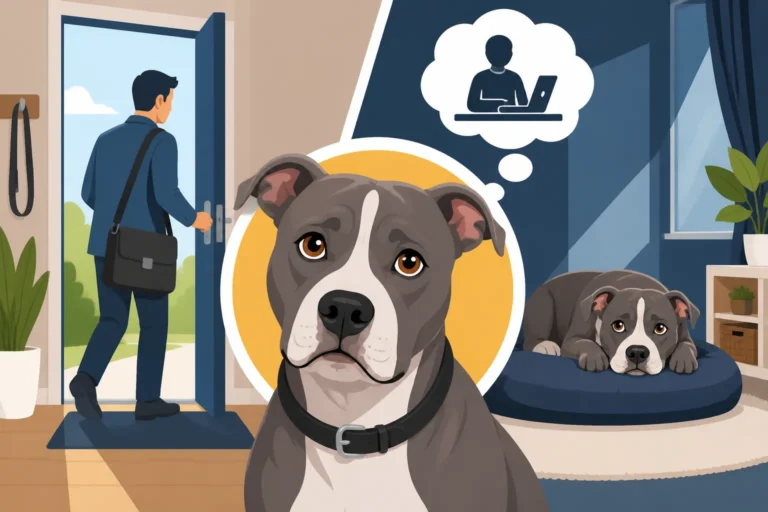
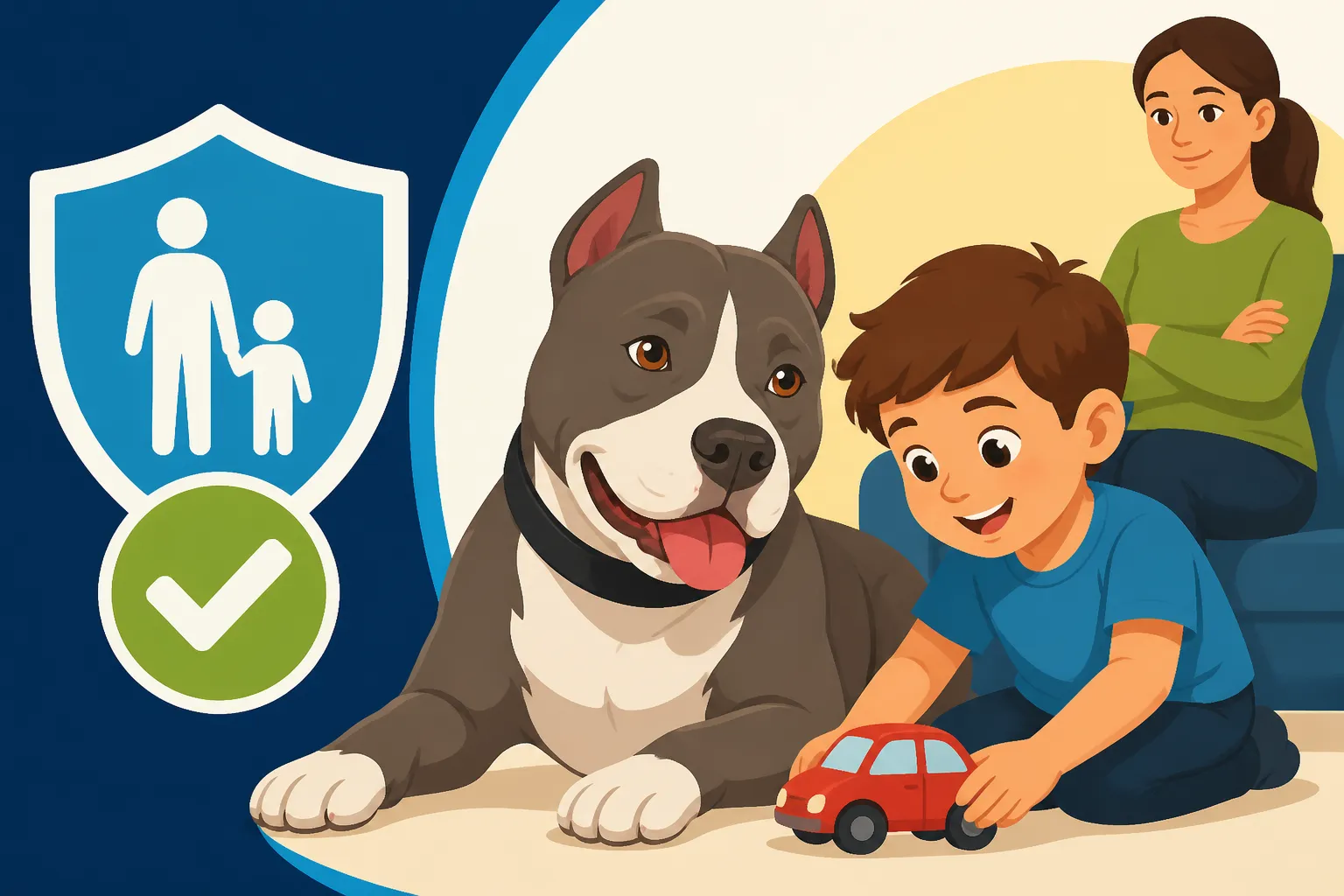
This is the golden rule, the absolute most important guideline: Never leave a Pit Bull and a child unsupervised, even for a second. This means if you need to step away to answer the door, grab a drink from the kitchen, or use the restroom, either the child or the dog (or both) must be moved to a separate, secure area. This isn't about distrusting your dog; it's about eliminating risk. Accidents happen fastest when no one is actively monitoring the situation. Active supervision means being fully present, paying attention to both the child's and the dog's body language, and being ready to intervene at any moment. This might sound exhausting, but it's the reality of responsible multi-species household management.
Creating Safe Spaces for Both Dog and Child
Both your Pit Bull and your child need their own zones where they can retreat and feel completely safe and undisturbed.
- For the dog: A comfortable crate, a dog bed in a quiet room, or a designated "place" command spot where they can go to escape the hubbub. This space should be off-limits to children, teaching them to respect the dog's need for alone time. Having a sturdy, comfortable crate, perhaps from a brand like Chewy, can be invaluable for this, giving your Pit Bull a den where they can truly relax without interruption. The Crate a Pit Bull Cannot Break Out Of is a useful read here.
- For the child: A playpen, a separate playroom with a baby gate, or a high chair can provide a safe zone where they can play without inadvertently bothering the dog. These physical barriers are excellent tools to manage interactions, especially when children are too young to understand verbal commands. This setup also helps teach children that the dog isn't a toy to be constantly engaged with, but a living creature with its own needs.
Teaching Children How to Interact Respectfully
It's not just about managing the dog; it's equally about educating the child. Start early, making these lessons consistent and age-appropriate.
- Gentle hands: Teach children to always pet dogs gently, on the shoulders or chest, avoiding the head, face, tail, or feet. Emphasize "soft touches."
- No teasing or poking: Explain that dogs are not toys and should not be teased, pulled, or poked.
- Respecting space: Teach children that when the dog is eating, sleeping, or in its designated safe space, they must leave it alone.
- Asking permission: Encourage older children to always ask an adult for permission before interacting with the dog, and to then ask the dog if it wants to be petted by offering a hand for a sniff (without forcing it).
- No running or screaming: Explain that sudden loud noises or running can scare or over-excite a dog, and to instead use calm voices and movements.
Here's a quick guide to what behaviors to encourage and discourage:
| Behavior Type | Child Behavior (Green Light) | Child Behavior (Red Light) | Pit Bull Behavior (Green Light) | Pit Bull Behavior (Red Light) |
|---|---|---|---|---|
| Interaction | Gentle petting (shoulder/chest) | Pulling ears/tail, poking, riding dog | Loose body, relaxed tail wag | Stiff body, tucked tail, whale eye |
| Approach | Calm, slow movements, soft voice | Running, screaming, sudden movements | Approaching calmly, sniffing | Avoiding eye contact, moving away, growling |
| Space | Respecting dog's crate/bed | Invading dog's eating/sleeping space | Resting quietly in designated area | Guarding food/toys, snapping |
| Vocalization | Gentle speaking, quiet play | High-pitched screams, loud shouts | Soft pant, happy whine | Growling, barking (excessive, tense) |
| Play | Supervised fetch, tug (with rules) | Roughhousing, wrestling, chase games | Play bow, bouncy movements, soft mouth | Hard stare, lunging, biting hard |
Proactive Training and Management for a Safe Household
Supervision is essential, but it should be complemented by proactive training and diligent management strategies to build a strong foundation of safety and good behavior.
Muzzle Conditioning as a Precaution
This might sound extreme to some, but muzzle conditioning is a responsible, proactive step for any dog owner, especially those with powerful breeds and children in the home. It’s not about having an aggressive dog; it’s about preparedness. A muzzle is a tool, just like a leash or a crate. If your Pit Bull ever needs veterinary care, grooming, or is in a stressful situation, being comfortable with a muzzle can prevent a bite born of fear or pain. Furthermore, for initial supervised interactions, or during times of high stress in the household, a well-fitted basket muzzle can add an extra layer of safety without causing distress to the dog. Start muzzle training early and make it a positive experience with high-value treats. Your dog should view the muzzle as a normal, comfortable piece of equipment. Muzzle Training Every Pit Bull Should Have provides a great starting point for this crucial skill. Brands like Baskerville offer muzzles that allow panting and drinking, making them comfortable for extended wear.
Foundational Obedience for Impulse Control
A well-trained Pit Bull is a safer Pit Bull. Strong foundational obedience commands are critical for managing impulse control, especially around exciting things like children.
- "Sit" and "Stay": These are crucial for teaching patience and keeping your dog from rushing children.
- "Come" (Recall): A rock-solid recall allows you to call your dog away from a potentially problematic situation immediately.
- "Leave It": This command teaches your dog to ignore tempting items, whether it's a child's dropped snack or a toy the child is holding.
- "Go to your Place": This command provides a reliable way to send your dog to its safe space when you need a break from supervision or when things get too boisterous.
Consistency in training, using positive reinforcement methods, and practicing these commands in various scenarios will make them reliable when you need them most. Short, fun training sessions, perhaps with tasty treats from Chewy, can help reinforce these behaviors. Pit Bull Leash Manners and Physical Strength is also relevant here, as good leash manners often translate to better impulse control in other areas.
Enrichment and Exercise to Prevent Frustration
A bored, under-exercised Pit Bull is more likely to develop behavioral issues, including seeking out inappropriate forms of attention or becoming destructive. Pit Bulls are powerful, intelligent dogs that thrive on physical activity and mental stimulation.
- Daily Exercise: Ensure your Pit Bull gets sufficient daily exercise, tailored to its age and energy level. This might include long walks, runs (once fully grown), fetch, or controlled play sessions in a secure yard. A tired dog is a good dog. Pit Bull Exercise for a Powerful Athletic Dog has more details on appropriate activities.
- Mental Stimulation: Don't forget their brains! Puzzle toys, treat-dispensing toys, scent work games, or even learning new tricks can tire them out mentally and prevent boredom. This is another area where products from retailers like Chewy can be incredibly useful, offering a wide array of engaging toys that can stand up to a Pit Bull's powerful jaws.
- Consistent Routine: Dogs thrive on routine. A predictable schedule for meals, walks, potty breaks, and playtime helps reduce anxiety and provides a sense of security for your Pit Bull. A well-adjusted dog that feels secure in its environment is less likely to react negatively to new or stressful stimuli, like the unpredictable movements of a child.
When to Seek Professional Guidance
Even with the best intentions and diligent efforts, sometimes you might encounter challenges that feel beyond your scope. Knowing when to call in a professional is a sign of responsible pet ownership, not a failure.
When to Call a Certified Professional
If you're noticing any concerning behaviors, or if you simply feel overwhelmed or unsure about how to manage the dynamic between your Pit Bull and your children, don't hesitate to seek help. Look for a certified professional dog trainer or a veterinary behaviorist who uses positive reinforcement methods and has experience with Pit Bulls and child-dog interactions. They can observe your specific household dynamics, identify potential triggers, and provide tailored strategies. Red flags that definitely warrant professional intervention include:
- Any instance of growling, snarling, or snapping directed at a child.
- Your dog consistently retreating or showing severe stress signals when children are present.
- Resource guarding (of food, toys, or even you) against children.
- Any unexplained changes in your Pit Bull's temperament or behavior around children.
Finding a vet or trainer experienced with the unique needs of a Pit Bull can be really helpful. Finding a Vet Comfortable With Pit Bulls can help guide you here.
Addressing Specific Behavioral Concerns
A professional can help you troubleshoot specific issues that may arise. For example, if your Pit Bull is excessively mouthy with children (even playfully), they can guide you through exercises for Pit Bull Bite Inhibition and Mouthing. If your dog shows signs of anxiety when left alone with children, they can help develop a desensitization and counter-conditioning plan. They can also assist with management techniques, such as proper leash handling or gate placement, to ensure safety. Remember, addressing these concerns early is always better than waiting until a serious incident occurs. Sometimes, what seems like a small problem can escalate if left unaddressed.
The Importance of Ongoing Education
The relationship between your Pit Bull and your child is an evolving one. As your child grows, their understanding and interactions will change, and your dog will also age and potentially develop new behaviors or needs. This means your approach to supervision and management needs to evolve too. Continuously educate yourself by reading reputable books, attending workshops, or consulting with your professional trainer. Staying informed about canine behavior, child development, and safe interaction practices will empower you to make the best decisions for your family. The goal is to build a relationship based on mutual respect and understanding, creating a safe and loving home for everyone.
Disclaimer
This article is for general informational purposes only and does not constitute professional advice. Laws, prices and regulations vary by location and change over time. Consult a qualified professional for guidance on your specific situation.