Pit Bull Type Dogs on Old Product Labels
It's quite a modern phenomenon, isn't it, how certain breeds carry such a heavy weight of public opinion and often, misunderstanding? For many Pit Bull owners, navigating public spaces and even finding housing can feel like an uphill battle. But what if I told you there was a time, not so long ago, when dogs we now call "Pit Bulls" were celebrated national icons, gracing everything from tobacco tins to record players? This guide delves into the fascinating history of Pit Bull type dogs on old product labels, exploring why they were chosen, what they symbolized, and how our perception has dramatically shifted.
The Enduring Image of the Pit Bull in Early Advertising
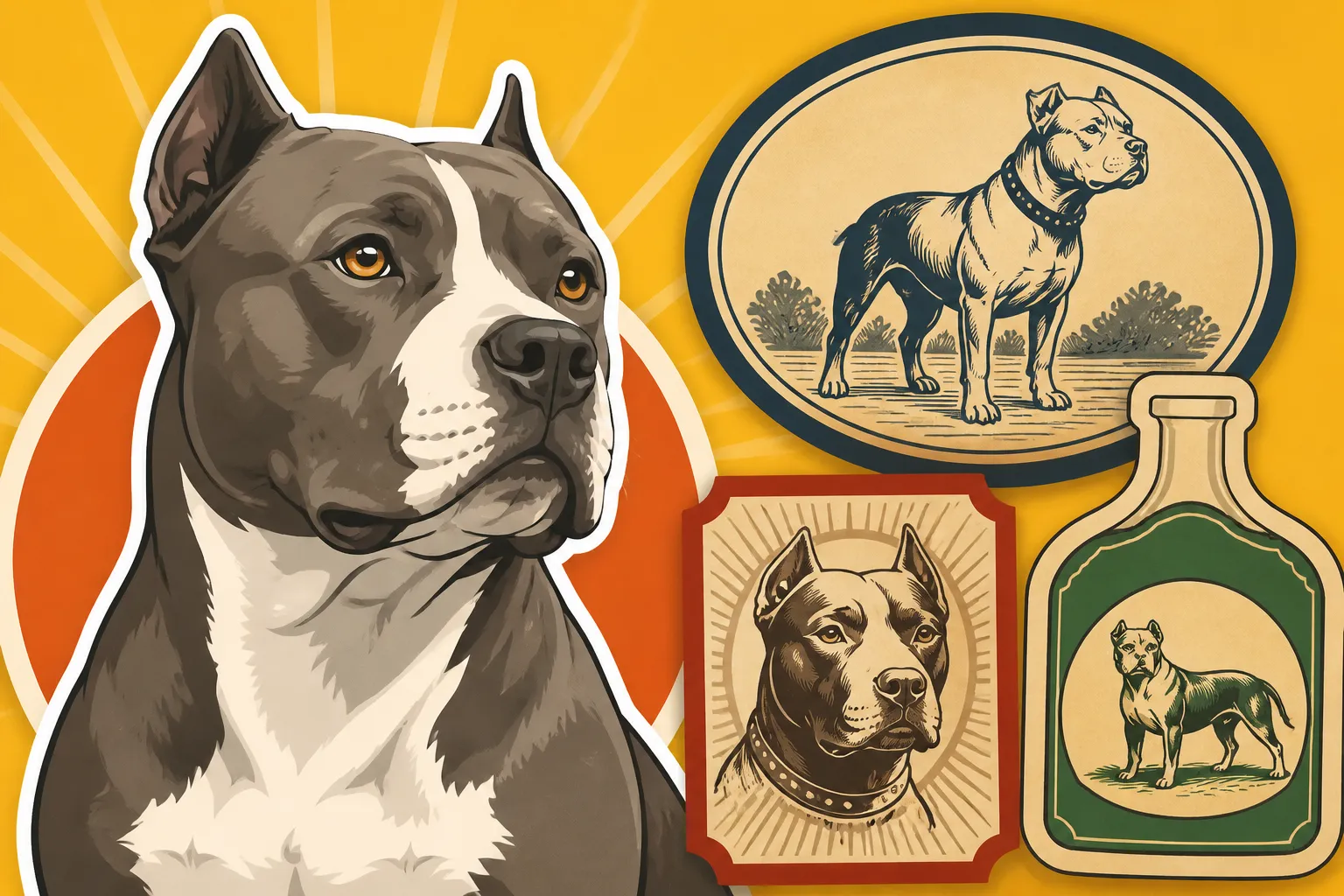
There’s a common misconception today that Pit Bull type dogs have always been viewed with suspicion or fear. However, if you look back at American history, particularly from the late 19th century through the mid-20th century, you'll find a very different story. These dogs, often simply referred to as "bull and terrier" breeds, were widely embraced as symbols of strength, loyalty, and the rugged American spirit. They weren't tucked away in backyards; they were front and center, smiling from magazine ads and product packaging. This wasn't just a fleeting trend; it was a deeply ingrained cultural acceptance that permeated everyday life.
Why Companies Chose the "Bully" Image
Companies in those days weren't looking to provoke fear; quite the opposite. They wanted their products to convey dependability, resilience, and a touch of patriotic charm. The Pit Bull type dog, with its muscular build, confident stance, and often cheerful expression, embodied these qualities perfectly. Imagine a farmer looking for a sturdy pair of work boots or a family buying a new brand of coffee. Seeing a robust, loyal-looking dog on the label suggested that the product inside was just as strong, reliable, and trustworthy. It was an era when marketing often leaned on archetypes of hardiness and steadfastness, and these dogs fit the bill beautifully. They represented a no-nonsense, honest quality that resonated deeply with the American consumer base.
It wasn't about aggression; it was about character. These dogs were seen as protectors of the home, loyal companions, and tireless workers. This made them ideal mascots for products that promised durability, security, or even good health. Brands wanted to associate themselves with positive traits, and the Pit Bull was a canine embodiment of many virtues valued by the average American household. From the perspective of early advertisers, a Pit Bull on a label wasn't a liability; it was an asset, a silent endorsement of the product's quality and integrity.
Beyond the Stereotype: A Symbol of American Values
Many people forget that Pit Bull type dogs played a significant role in American history, not just as pets but as symbols of national pride. During World War I and II, these dogs were featured prominently on propaganda posters, representing courage and tenacity. They were the "American dog," standing strong against adversaries. This image translated seamlessly into commercial advertising. A Pit Bull on a product label wasn't just selling an item; it was often subtly selling a piece of Americana, a sense of shared values and national identity. Pit Bulls in Culture and Public Perception explores this broader cultural connection.
This era truly showcased how different the public perception of these dogs once was. They were seen as family dogs, working dogs, and symbols of resilience. Their image on consumer goods wasn't an anomaly; it was an affirmation of their esteemed place in society. When we talk about Why Pit Bull Is a Type and Not a Breed, it becomes clear that these advertising icons represented a widely accepted, beloved canine archetype, not a specific, feared breed. The marketing teams of the time understood the positive associations people had with these dogs and leveraged that goodwill to sell everything from food to hardware.
Common Industries and Products Featuring Pit Bulls
The ubiquity of Pit Bull type dogs on product labels was truly remarkable. It wasn't just one or two niche products; their image permeated a wide array of consumer goods, reflecting their broad appeal across different sectors of daily life. These aren't just obscure collectibles; they are tangible pieces of evidence showcasing a historical narrative that many today find hard to believe given current societal views.
The Iconic RCA Victor Dog and Its Legacy
Perhaps the most famous example of a Pit Bull type dog in early advertising is Nipper, the dog featured in the iconic RCA Victor logo, listening intently to "His Master's Voice." While Nipper was likely a mixed-breed bull terrier type, his image is unmistakably associated with the "Pit Bull look" that was popular at the time. This logo, created in the late 19th century and gaining immense popularity throughout the 20th, became a global symbol of sound quality and loyalty.
Nipper wasn't just a cute mascot; he symbolized faithfulness and the enduring bond between humans and their animals. His image suggested that RCA Victor products were so true to life, so clear, that even a dog would recognize its master's voice. This wasn't an image chosen casually; it was a carefully crafted symbol that resonated deeply with consumers, lending an air of trustworthiness and nostalgia to the brand. Even today, though the dog's breed identification might be debated, the image continues to evoke a sense of classic Americana. For more on how these dogs were portrayed, check out Pit Bull Type Dogs in Early Twentieth Century Advertising.
From Tobacco to Tough Goods: Diverse Product Placements
Beyond the likes of RCA Victor, Pit Bull type dogs were practically everywhere. You could find them on labels for tobacco products, often depicted in a strong, masculine light, appealing to a sense of rugged individualism. Imagine a packet of "Bully Brand" tobacco or a tin of "Patriot Plug" chewing tobacco featuring a proud, alert Pit Bull. These images weren't just decorative; they were carefully chosen to evoke specific feelings and associations in the consumer.
They also appeared on advertisements for tools, hardware, and various industrial goods, symbolizing strength, endurance, and reliability. A wrench company might feature a Pit Bull to suggest its products were "tough as nails," or a safe manufacturer might use the image to convey security and protection. Even children's toys, such as cast-iron banks or pull-toys, sometimes featured these dogs, further cementing their status as beloved and wholesome figures. You might even stumble upon old ads for pet supplies from brands like those now found on Chewy, which might have once featured these dogs prominently, a stark contrast to how some modern pet product advertising avoids specific breed imagery. This widespread use across such a variety of products truly demonstrates the positive regard these dogs held in the public eye.
The Shift in Perception and Vanishing Labels
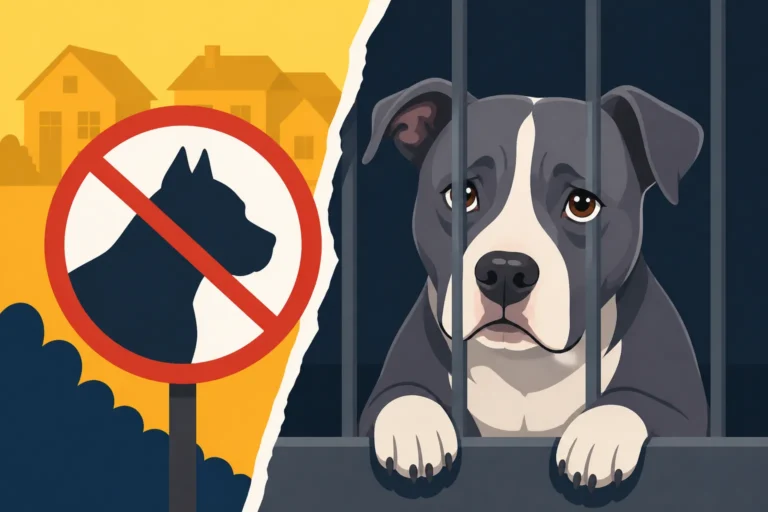
It's a stark contrast, isn't it? To go from a national darling on product labels to a subject of intense scrutiny and breed-specific legislation. This shift didn't happen overnight, but it has undeniably altered the way Pit Bull type dogs are portrayed in media and marketing today.
Modern Marketing's Hesitation
In today's marketing landscape, you'd be hard-pressed to find a major brand intentionally featuring a Pit Bull type dog as its primary mascot, especially without careful contextualization. The reason is simple: the widespread negative stereotypes and public fear campaigns that began to gain traction in the latter half of the 20th century. Companies are incredibly sensitive to public perception, and associating a product with a dog that some people view as "dangerous" could easily backfire, leading to boycotts or negative publicity. It's a sad reality that the dogs once celebrated for their loyalty and courage are now often avoided in advertising due to unfounded fears.
This isn't to say Pit Bulls aren't loved and celebrated by millions of owners, but the commercial world often opts for universally "safe" imagery, like Golden Retrievers or Labradors, to avoid alienating any segment of the consumer base. This reluctance reflects a deeply ingrained societal anxiety that wasn't present a century ago. It’s a challenge that many advocate groups try to tackle, highlighting the true nature of these dogs versus the media portrayal.
Reclaiming the Narrative: Advocacy and Awareness
Despite the commercial world's hesitation, there is a powerful movement to reclaim the positive image of Pit Bull type dogs. Advocacy groups, rescue organizations, and passionate owners are working tirelessly to educate the public about the true temperament of these dogs and their rich history. They emphasize that Pit Bull Temperament and What Testing Shows actually points to their stable and often friendly nature, contrasting sharply with popular myths. Many organizations promote responsible ownership and highlight the loving, gentle nature of their dogs through social media campaigns, community events, and educational materials.
This movement is slowly but surely shifting perceptions, one interaction at a time. While you might not see Pit Bulls on mainstream cereal boxes anytime soon, their presence is growing in niche markets, particularly within the pet industry where a more informed consumer base exists. You might find specialty brands or rescue organizations that proudly feature Pit Bulls, understanding the deep connection and loyalty they inspire in their adopters. This effort to change minds is about more than just marketing; it's about justice for a group of dogs unfairly maligned. The narrative is slowly beginning to change, focusing on individual dogs and their qualities rather than broad, damaging generalizations. How Public Opinion on Pit Bulls Has Shifted further delves into this evolving dialogue.
Unearthing Vintage Labels and Their Historical Context
For enthusiasts of history, advertising, or Pit Bull type dogs, collecting these old product labels is a fascinating journey. Each piece tells a story, not just about the product it once adorned, but about the societal values and perceptions of an bygone era. These artifacts are tangible links to a time when these dogs were universally admired.
Where to Find These Pieces of History
If you're interested in collecting vintage product labels featuring Pit Bull type dogs, there are several avenues to explore. Antique shops and flea markets are often treasure troves, particularly in older towns or regions with a rich industrial past. Estate sales can also yield surprising finds, as families clear out decades of accumulated household items. Online auction sites are another popular resource, offering a global marketplace for collectors. Search terms like "vintage dog labels," "tobacco tins dog," "old advertising Pit Bull," or "RCA Victor Nipper collectibles" can help you narrow your search.
It's important to remember that condition plays a big role in value, but even a worn label can be a significant historical artifact. You might find anything from old matchbooks and beer coasters to larger tins and posters. These items are more than just collectibles; they are conversation starters, powerful visual aids that can help illustrate the historical truth about these dogs. When you're searching, sometimes you'll even find modern reproductions, so it's good to learn how to distinguish between true vintage and new prints.
Understanding the Cultural Climate of the Past
When we look at these old labels, it's crucial to understand the cultural climate in which they were created. The early 20th century was a different time, with different values and societal norms. Dog breeds were not categorized and legislated in the same way they are today, and the term "Pit Bull" itself was more of a general descriptor for a type of dog, rather than a specific breed with stringent regulations. What the Word Pit Bull Actually Covers and The American Pit Bull Terrier and the UKC highlight the nuances of breed identification.
These labels serve as a powerful reminder that our perceptions of animals, like everything else, are shaped by our culture and evolve over time. The loyalty, strength, and courageous spirit that advertisers celebrated in the Pit Bull type dog were genuinely admired traits. They were seen as part of the American landscape, a symbol that resonated with common folk and national heroes alike. By examining these historical artifacts, we gain a deeper appreciation for the dogs themselves and the complex journey of their public image. They stand as silent witnesses to a time when these dogs were simply, and unequivocally, good dogs.
Here's a quick look at the contrasting imagery and associated qualities:
| Era | Common Imagery of Pit Bull Type Dogs | Associated Qualities in Advertising | Public Perception |
|---|---|---|---|
| Early 20th Century | Product labels, propaganda, family photos | Strength, loyalty, courage, American spirit | Beloved, trustworthy, "nanny dog" (mythical), companion |
| Late 20th/21st Century | News headlines, sensationalized stories | Aggression, danger, unpredictability | Feared, misunderstood, subject to bans, controversial |
This table clearly illustrates the dramatic shift in perception over the decades, highlighting why finding Pit Bulls on modern commercial labels is so rare compared to their historical ubiquity.
Disclaimer
This article is for general informational purposes only and does not constitute professional advice. Laws, prices and regulations vary by location and change over time. Consult a qualified professional for guidance on your specific situation.