Intake Numbers for Pit Bull Type Dogs
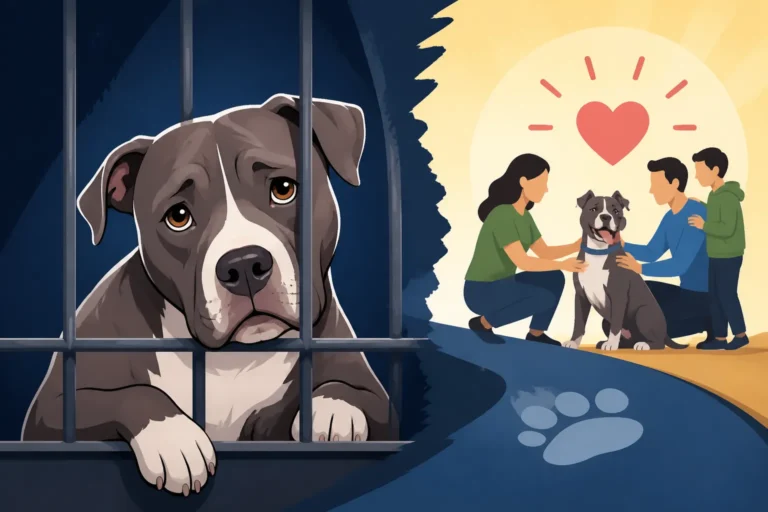
It's a heartbreaking sight, isn't it? Walking into a local animal shelter and seeing row after row of kennels filled with loving, hopeful dogs, many of them unmistakably what we call "Pit Bull type dogs." You can't help but wonder why there are so many, and what leads to such high intake numbers for these particular dogs. This guide is here to shed some light on the complex factors that contribute to the overwhelming presence of Pit Bull type dogs in shelters, from broad identification practices to societal challenges, and what we can all do to help.
Understanding "Pit Bull Type" in Shelter Intake
One of the biggest hurdles in discussing Pit Bull intake numbers is the very term itself. "Pit Bull" isn't a single breed recognized by major kennel clubs like the American Kennel Club (AKC). Instead, it's an umbrella term that covers several breeds and many mixed-breed dogs that share certain physical characteristics. This broad definition has a profound impact on how these dogs are counted and perceived in shelters.
The Broad Definition Shelters Use
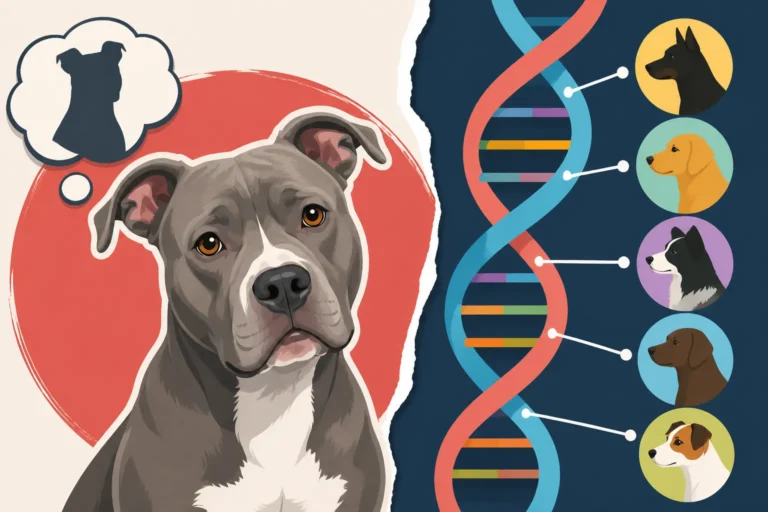
When a dog arrives at a shelter, staff often make a visual assessment to identify its breed or primary breed type. For dogs fitting the "Pit Bull" description, this usually means any dog with a blocky head, muscular build, and short coat. This can include American Pit Bull Terriers, Staffordshire Bull Terriers, American Staffordshire Terriers, and even mixes of these with other breeds like Boxers or Bulldogs. Because of this visual classification, a dog that might be 15% American Pit Bull Terrier, 30% Boxer, and 55% unknown terrier mix could still be labeled simply as a "Pit Bull type." This creates a scenario where the term casts a very wide net, encompassing a vast array of dogs. It’s important to remember that for many of these dogs, their true genetic makeup is far more complex than a simple "Pit Bull" label suggests. This broad categorization, while sometimes necessary for quick intake processing, often obscures the diversity within this group of dogs and contributes to inflated "Pit Bull" statistics. For a deeper dive into this, you might find our article Why Pit Bull Is a Type and Not a Breed illuminating.
Why Visual Identification Leads to Higher Numbers
The reliance on visual identification by shelter staff, while often based on years of experience, isn't always accurate when compared to DNA analysis. However, it's the standard practice for many facilities due to time and resource constraints. Dogs with strong, athletic builds, broad heads, and distinctive facial features are frequently identified as Pit Bull types. These are traits that are common across many bully breeds and their mixes. Consequently, if a dog looks like a Pit Bull, it's often labeled as one, regardless of its precise genetic heritage. This broad visual grouping means that a significant portion of the general dog population, particularly those who end up as strays or are surrendered, fall under this 'type' simply by appearance. This isn't to say that shelters are intentionally mislabeling dogs, but rather that the practical need for quick identification leads to a broader categorization that swells the numbers reported as "Pit Bull type" intake. Understanding How Shelters Decide a Dog Is a Pit Bull can really open your eyes to the challenges involved.
Factors Contributing to High Intake Numbers
The sheer volume of Pit Bull type dogs entering shelters isn't just about how they're identified; it's also a reflection of deeply entrenched societal issues, economic challenges, and the unfortunate consequences of irresponsible ownership and breeding practices.
Owner Surrenders Due to Housing and Insurance Restrictions
This is perhaps one of the most heartbreaking reasons behind high intake numbers. Many loving, responsible owners are forced to surrender their Pit Bull type dogs not because of behavioral issues, but because they simply cannot find housing or obtain affordable homeowner's insurance that accepts their dog. It's an agonizing decision, often made under immense pressure, when faced with eviction or the inability to secure shelter for their family. Landlords, apartment complexes, and even entire communities often have breed-specific restrictions that explicitly name Pit Bull type dogs, regardless of the individual dog's temperament or training. These rules don't consider the dog as an individual but rather as a stereotype.
Insurance companies, too, frequently have "dangerous breed" lists that include Pit Bull types, leading to higher premiums, denial of coverage, or requirements for specific liability policies. Imagine having to choose between a roof over your head and your beloved companion – it's a choice no pet owner should ever have to make, yet it's a reality for far too many. This systemic discrimination drives countless well-loved dogs into shelters, exacerbating the overcrowding problem. Our article Why Housing Rules Send Pit Bulls to Shelters delves into this issue in greater detail. When owners are put in such a tight spot, resources like Chewy can be helpful for their other pet supply needs, but unfortunately, they can't solve the core issue of breed restrictions.
Stray Intakes and Lack of Identification
Another major contributor to high intake numbers is the sheer volume of Pit Bull type dogs entering shelters as strays. This isn't necessarily because these dogs are more prone to running away, but rather a reflection of their prevalence in the general population. When a dog goes missing, especially one without proper identification like a microchip or visible tags, the chances of it being reunited with its owner diminish dramatically.
Many strays picked up by animal control or brought in by concerned citizens are Pit Bull types. Without identification, they become part of the shelter's intake, adding to the census. This problem is compounded in areas where responsible ownership practices, such as routine microchipping and licensing, are less common. A microchip, in particular, is a game-changer; it provides a permanent link back to the owner, significantly increasing the odds of a happy reunion. Without it, even the most well-behaved and loved dog can become just another number in the shelter system. We've talked more about this in Why a Pit Bull Microchip Matters More.
Overpopulation and Breeding Practices
The reality is that a significant portion of Pit Bull type dogs entering shelters are a result of overpopulation, often stemming from irresponsible or accidental breeding. "Backyard breeders" who breed dogs without proper health testing, temperament screening, or a plan for placing puppies contribute to the problem. Additionally, many unplanned litters occur when owners don't spay or neuter their pets, leading to more puppies than homes available.
While there are many dedicated, responsible breeders of recognized Pit Bull type breeds (like American Staffordshire Terriers or Staffordshire Bull Terriers), they are a minority compared to the sheer volume of indiscriminate breeding. The accessibility of breeding Pit Bull types, sometimes seen as a way to make quick money or simply allowing pets to reproduce, means there's a constant influx of puppies that often end up in shelters when they aren't sold or when new owners are unprepared for the commitment. This constant supply overwhelms demand, making it harder for existing shelter dogs to find homes. Understanding What a Pit Bull Costs to Adopt or Buy can shed light on the economic side of dog acquisition, both responsible and otherwise.
The Impact of High Intake on Shelters and Dogs
The constant influx of Pit Bull type dogs isn't just a number; it creates immense strain on the entire animal welfare system, from the physical resources of shelters to the emotional well-being of the dogs themselves and the dedicated staff who care for them.
Strain on Shelter Resources
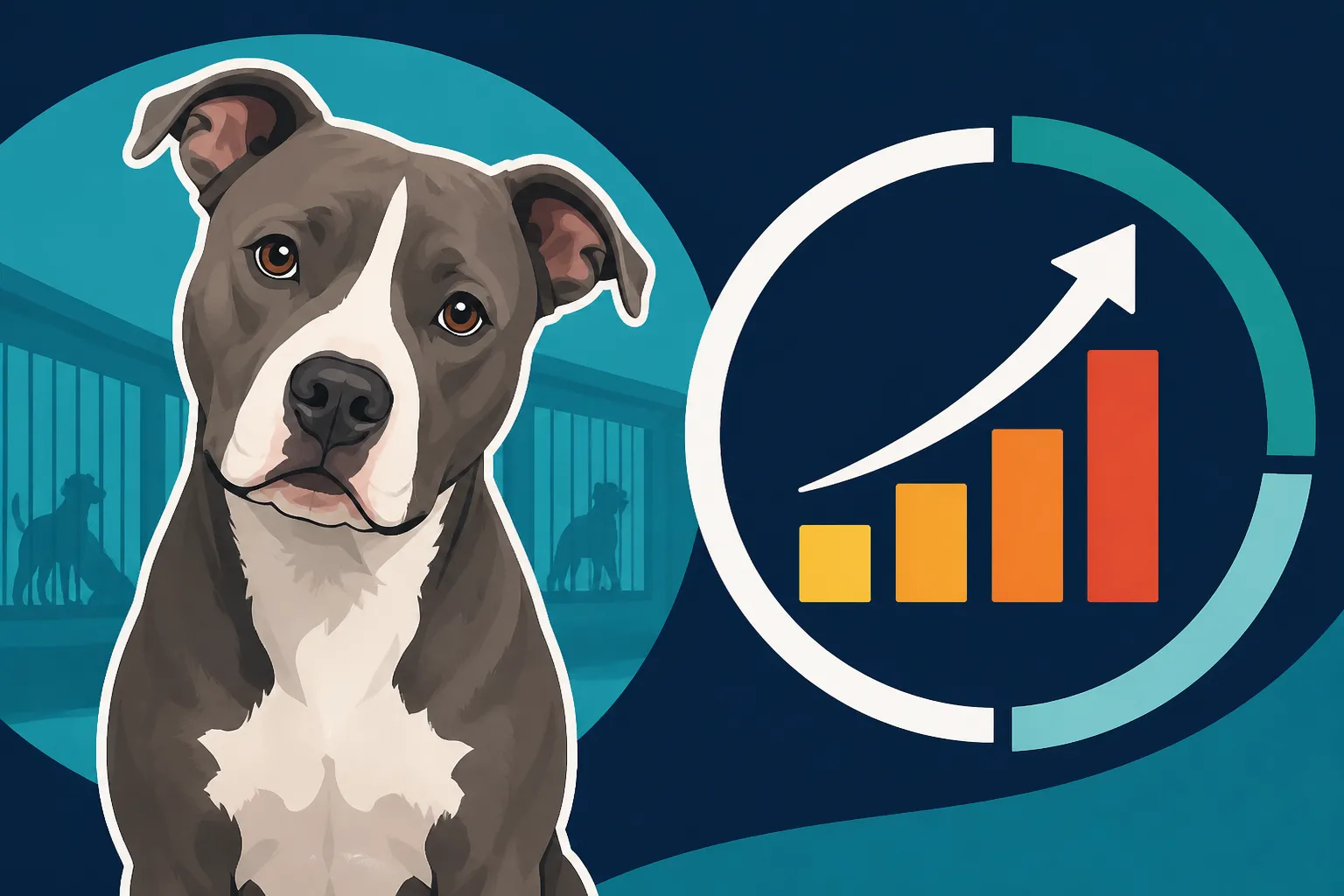
Imagine a system that's always at or beyond its capacity. That's the reality for many shelters dealing with high intake numbers, especially of Pit Bull types. Each dog that enters requires food, fresh water, a clean kennel, medical assessments, vaccinations, deworming, and often spay/neuter surgery. All of this comes at a significant cost. Overcrowding means less space per animal, increasing stress levels and the risk of disease transmission. It also means shelters are constantly scrambling for resources—more food, more cleaning supplies, more medications, and critically, more staff.
The financial burden can be immense, stretching already tight budgets to their breaking point. Staff members are often overworked and emotionally drained, facing difficult decisions daily about space, care, and the ultimate fate of the animals. They pour their hearts into caring for these dogs, knowing that many face an uphill battle to find a home. Resources from companies like Chewy, offering bulk orders of food and supplies, can be a lifesaver for shelters, but it’s still a constant struggle to meet the overwhelming demand.
Longer Stays and Lower Adoption Rates
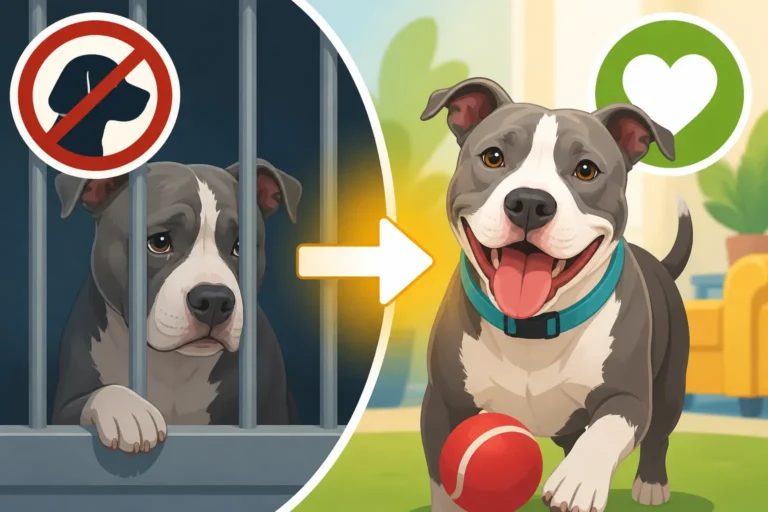
Unfortunately, Pit Bull type dogs often face longer stays in shelters compared to other breeds. This is due to a combination of factors: the sheer volume of them available for adoption, combined with persistent negative stereotypes and breed restrictions imposed by landlords and insurance companies. While every dog deserves a loving home, the public perception and legal barriers often mean that a well-behaved Pit Bull type dog will be overlooked in favor of a different breed, even if the "other" breed has more behavioral challenges.
Extended stays in a kennel environment can take a serious toll on a dog's mental and physical health. What might be a confident, happy dog upon intake can become stressed, anxious, or even depressed after weeks or months in a loud, confined space. This can manifest as kennel reactivity, withdrawal, or other behaviors that make them less appealing to potential adopters, creating a vicious cycle. It's a sad truth that despite their loving nature, these dogs often pay the highest price for human misconceptions and policies. Our article How Long a Labelled Pit Bull Waits for Adoption explores this heartbreaking reality.
Euthanasia Rates and the "Pit Bull Problem" Narrative
The most tragic consequence of high intake and long stays is the elevated euthanasia rate for Pit Bull type dogs in many shelters. When shelters are consistently operating beyond capacity, and dogs aren't being adopted at a rate that matches intake, difficult and heartbreaking decisions have to be made. While shelters strive for "no-kill" status, the reality for many is that space and resources are finite.
It's crucial to understand that these euthanasia decisions are not made lightly, nor are they a reflection of the dogs themselves being inherently "bad." Instead, they are a symptom of a systemic problem: too many dogs, not enough homes, and societal biases that disproportionately affect Pit Bull types. The narrative of a "Pit Bull problem" is often misdirected; it's not the dogs that are the problem, but rather the complex web of human factors—breeding practices, housing policies, public perception, and lack of responsible ownership—that lead them to shelters in the first place. For a deeper understanding of this grim reality, consider reading Euthanasia Rates for Pit Bull Type Dogs.
What We Can Do to Help
While the challenges are significant, it's not a hopeless situation. There are many ways individuals and communities can make a tangible difference in reducing Pit Bull type dog intake and improving outcomes for these deserving animals.
Support Responsible Ownership and Spay/Neuter
One of the most impactful things we can do is to champion responsible pet ownership across the board. This starts with emphasizing the importance of spaying and neutering all companion animals, not just Pit Bull types. High-volume, low-cost spay/neuter programs are critical to reducing accidental litters and overall pet overpopulation. Education is key, ensuring potential owners understand the full commitment required to care for a dog for its entire lifespan, including proper training, socialization, and healthcare.
For existing owners, consistent, positive reinforcement training is essential. A well-trained and socialized Pit Bull type dog is a wonderful ambassador for their type. Basic obedience classes, teaching good leash manners, and exposing puppies to a variety of sights, sounds, and people in a positive way can build confidence and prevent future behavioral issues that might lead to surrender. Companies like Chewy can provide fantastic resources for training treats, durable toys, and educational materials that support responsible ownership. Consider our article When to Neuter a Pit Bull Without Costing Joints for more insights on responsible care.
Advocacy Against Breed-Specific Legislation
Fighting against breed-specific legislation (BSL) is a direct way to impact intake numbers. BSL does not make communities safer; instead, it punishes responsible owners and dogs based on appearance, driving countless innocent animals into shelters. By getting involved in local advocacy groups, contacting your elected officials, and educating your community about the ineffectiveness and unfairness of BSL, you can help create a more humane environment for all dogs.
Many organizations actively work to repeal existing BSL and prevent new ones from being enacted. Supporting these efforts, whether through donations, volunteering, or simply sharing information, can make a huge difference in allowing Pit Bull type dogs to remain in loving homes. The goal is breed-neutral laws that focus on individual dog behavior and responsible ownership, rather than discriminatory bans based on breed stereotypes. Learn more about this by reading What Breed Neutral Law Means for Pit Bulls.
Foster, Adopt, and Volunteer
If you're looking for a direct way to help, consider fostering, adopting, or volunteering at your local shelter or rescue. Fostering a Pit Bull type dog provides them with a temporary home, reducing stress, teaching them house manners, and giving the shelter valuable insights into their personality—all of which increase their chances of adoption. It also frees up critical kennel space for another animal in need.
Adopting a Pit Bull type dog is, of course, the ultimate act of kindness, providing a permanent, loving home. Before you adopt, be sure to assess your living situation, local regulations, and insurance policies to ensure you can provide a stable environment. If you can't adopt or foster, volunteering your time—walking dogs, cleaning kennels, helping with events—is incredibly valuable. Every hour you contribute helps stretch shelter resources and provides much-needed interaction for the dogs. Check out Foster Programs for Shelter Pit Bulls for more information on how fostering can help.
Factors Affecting Pit Bull Type Dog Shelter Intake
| Factor | Description | Impact on Intake | Potential Solutions |
|---|---|---|---|
| Broad Definition | Visual identification lumps many mixes under "Pit Bull type." | Inflates numbers, fuels misperception. | DNA testing (when feasible), public education. |
| Housing & Insurance Bans | Landlords/insurers prohibit "Pit Bulls" regardless of behavior. | High owner surrenders, forced rehoming. | Advocate against BSL, support breed-neutral policies. |
| Stray Population | High numbers of unidentified strays enter shelters. | Increases intake, complicates reunions. | Microchipping, visible ID tags, community outreach. |
| Irresponsible Breeding | Accidental litters, "backyard" breeding, lack of spay/neuter. | Creates overpopulation, overwhelms demand. | High-volume spay/neuter, responsible breeder education. |
| Public Perception/Stigma | Negative stereotypes deter potential adopters. | Longer shelter stays, lower adoption rates. | Education, positive media portrayal, ambassador dogs. |
The high intake numbers for Pit Bull type dogs in shelters are a symptom of a much larger, more complex issue than just the dogs themselves. It's a reflection of human choices, societal biases, and systemic challenges in animal welfare. But understanding these factors is the first step toward change. By advocating for responsible ownership, fighting discriminatory legislation, and actively supporting our local shelters through adoption, fostering, or volunteering, we can collectively work towards a future where every Pit Bull type dog has the chance to live a full, happy life in a loving home.
Disclaimer
This article is for general informational purposes only and does not constitute professional advice. Laws, prices and regulations vary by location and change over time. Consult a qualified professional for guidance on your specific situation.