What Pit Bull Temperament Testing Cannot Predict
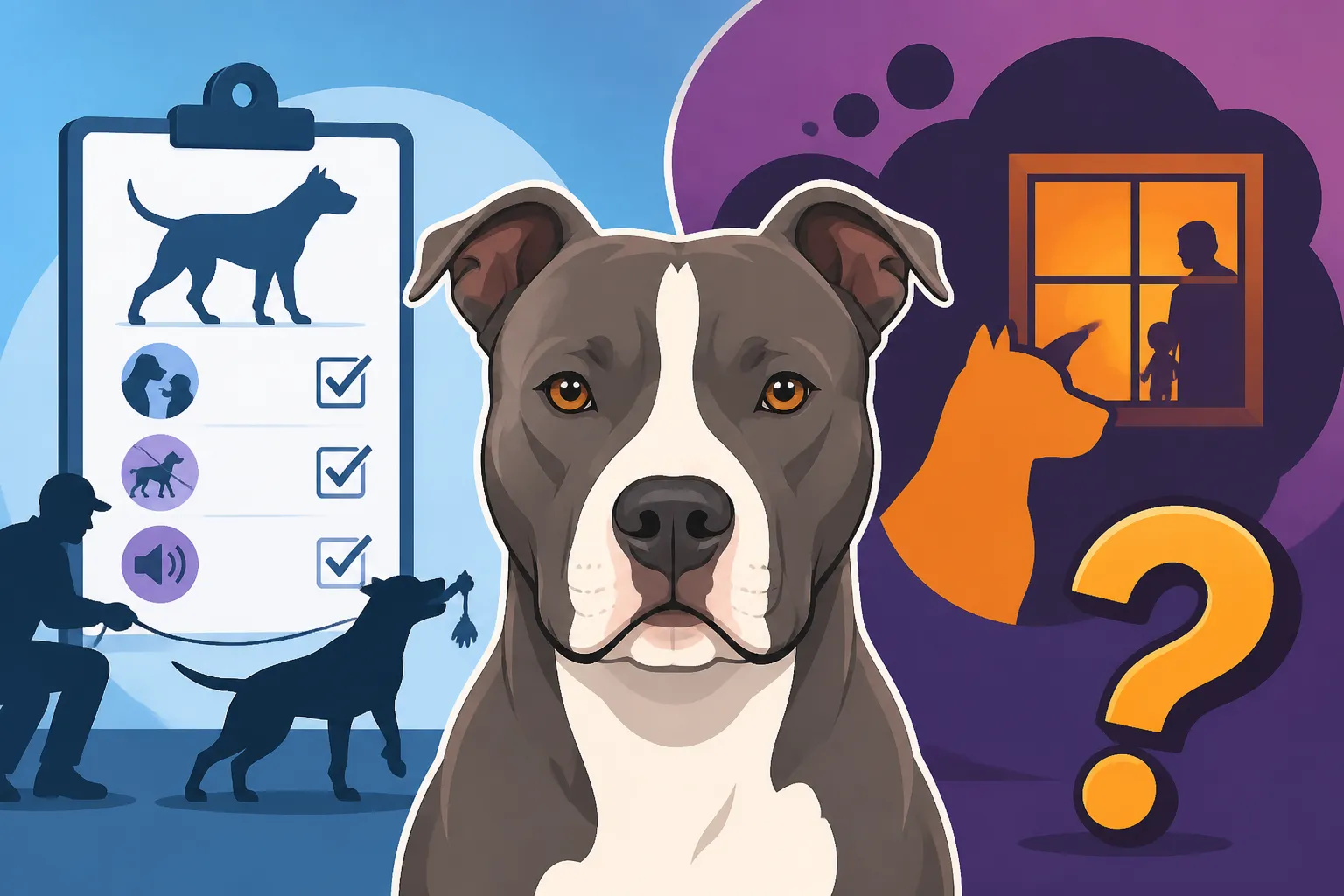
It’s a common frustration for Pit Bull owners: you know your dog is a loving, stable companion, yet the breed often faces a negative public perception. When people look for ways to "prove" their Pit Bull's good nature, they often turn to temperament tests, hoping for a definitive stamp of approval. But the truth is, while temperament tests like the American Temperament Test Society (ATTS) can offer a snapshot of a dog's behavior on a given day, they cannot definitively predict how an individual Pit Bull will behave in every future situation or throughout its entire life. This guide will explore the nuances of these tests, what they measure, and, crucially, what they simply cannot foretell about your beloved dog.
The Appeal and Limits of Temperament Testing for Dogs
Temperament testing in dogs serves various purposes, from evaluating a dog's suitability for specific roles (like therapy work or competitive sports) to assessing potential adoptability in shelter environments. For breeds like the Pit Bull, which carry a heavy burden of public misconception and breed-specific legislation, these tests often feel like a vital tool to demonstrate their inherent goodness. Owners desperately want objective proof that their dog is sound, stable, and safe.
The idea is compelling: subject a dog to a series of stimuli and observe its reactions. Does it shy away from strange noises? Does it react aggressively to a stranger? Does it recover quickly from startling events? These observations are then scored, theoretically giving an insight into the dog's "temperament." Many tests are designed to expose a dog to common, everyday situations, assessing its responses to things like unfamiliar people, sudden movements, or strange objects.
However, the very nature of these tests—a single event in a specific environment on a particular day—inherently limits their predictive power. A dog might be having an off day, feeling unwell, or simply be distracted. Conversely, a dog that performs well in a controlled testing environment might react differently when faced with real-world stressors, like a child running past unexpectedly or another dog invading its personal space during a walk. It's a snapshot, not a full-length feature film of their personality.
Delving into the American Temperament Test Society ATTS and Pit Bulls
The American Temperament Test Society (ATTS) is one of the most widely recognized temperament evaluations, and its results are often cited in discussions about Pit Bull temperament. This test exposes dogs to a series of 10 stations designed to assess their reactions to visual, auditory, and tactile stimuli. It includes encounters with friendly strangers, aggressive-acting strangers, neutral strangers, strange objects, and unusual surfaces, along with sudden loud noises. The dog either passes or fails based on how it responds to these challenges.
For Pit Bull type dogs, specifically the American Pit Bull Terrier (APBT) and American Staffordshire Terrier (AmStaff), the ATTS test often shows impressive pass rates, frequently matching or exceeding those of many other popular breeds. Pit Bull Temperament and the ATTS Results often highlight these positive statistics, which is a source of pride for owners and advocates. The test aims to determine if a dog is shy, nervous, unstable, or aggressive, or if it demonstrates confidence, friendliness, and stability under various pressures.
What the ATTS test does measure effectively is a dog's immediate, observable reaction to a controlled set of circumstances. It can indicate a general disposition towards certain types of stimuli. For instance, a dog that confidently approaches a stranger or recovers quickly from a startling noise is demonstrating resilience and a positive outlook in that moment. However, What the ATTS Test Measures in a Pit Bull is ultimately limited to that specific moment and context. It doesn't delve into the complex interplay of factors that truly shape a dog's long-term behavior or how they might react under extreme or novel stress not covered in the test.
Core Truth: Why No Single Test Predicts Future Pit Bull Behavior
This is where the rubber meets the road. No matter how well-designed, a single temperament test cannot offer a definitive crystal ball into a Pit Bull's future behavior. The reasons are multifaceted and deeply rooted in the complex nature of dog behavior itself.
First, a dog's temperament is not static; it's dynamic and influenced by a myriad of internal and external factors. Think about it: even humans have "good days" and "bad days." A dog's health, current stress levels, recent experiences, and even the handler's demeanor on the day of the test can all skew results. A dog might pass with flying colors one day, but if it experiences a traumatic event or develops a painful medical condition, its behavior could change drastically in the future. The test can't possibly account for every potential life scenario.
Secondly, temperament tests are primarily reactive assessments. They observe how a dog reacts to a stimulus, but they don't necessarily reveal the underlying motivation for that reaction or how a dog might initiate an interaction. They often don't test for specific behavioral issues like resource guarding, dog-on-dog aggression, or separation anxiety, which can develop later in life or manifest only under very specific circumstances. For example, a dog might be perfectly fine with a strange human in a test scenario but exhibit strong prey drive towards a cat that is part of the family, a behavior not typically covered in a general temperament test.
| What Temperament Tests CAN Assess | What Temperament Tests CANNOT Predict |
|---|---|
| General sociability on the day | Future behavioral problems |
| Reaction to novel sights/sounds | Dog's coping mechanisms for long-term stress |
| Recovery from startling events | Response to pain or chronic illness |
| Immediate handler focus | How past trauma might resurface |
| Comfort with light handling | Development of breed-specific traits over time |
| Willingness to engage with strangers | Reactions to children in various situations |
| Fearfulness or extreme shyness | How a dog will bond with a new family |
| Initial aggression display | Consistency of behavior across all environments |
Beyond the Scorecard: The Real Influences on a Pit Bull's Demeanor
So, if a single test isn't the be-all and end-all, what does genuinely shape a Pit Bull's temperament and behavior over its lifetime? It's a blend of genetics, early life experiences, ongoing training, socialization, and general health.
Genetics and Inherited Predispositions
While often misunderstood, genetics play a foundational role. A well-bred Pit Bull from a reputable breeder, where parents have stable temperaments and health clearances, has a better chance of inheriting a good disposition. This isn't about specific "aggression genes" but rather the predisposition for traits like nerve strength, resilience, and general confidence. However, even with excellent genetics, environmental factors can still steer behavior in unexpected directions. A dog with naturally good nerves can still become fearful if not properly socialized or if it experiences trauma. Whether a DNA Test Settles the Pit Bull Question explores this more deeply.
Breeders, for instance, might use temperament evaluations on parent dogs to select for desirable traits, but these are part of a larger picture that includes observation of the dog's overall behavior, health, and lineage. When considering a puppy, asking about the temperament of the parents and their close relatives is often more informative than a single test score from an unrelated dog.
The Power of Early Socialization and Environment
Few things are as crucial as robust, thoughtful socialization, particularly during a Pit Bull puppy's critical developmental window (roughly 3-16 weeks). Exposing a puppy to a wide variety of sights, sounds, people, places, and appropriate dog interactions in a positive, controlled manner helps build confidence and adaptability. A well-socialized puppy learns that the world is generally a safe and interesting place. Socializing a Pit Bull Puppy Thoroughly is vital.
Conversely, a lack of early socialization, or even negative experiences during this formative period, can lay the groundwork for fear-based reactions or anxiety later on. Even a dog with excellent genetics can become reactive or fearful if its early environment is deprived or traumatic. The environment a dog grows up in, the consistency of its routine, and the safety it feels within its home all profoundly influence its long-term temperament. This is a continuous process, not a one-time event, and needs to be maintained throughout the dog's life.
Ongoing Training and Consistent Management
Training isn't just about teaching commands; it's about building a language between you and your Pit Bull, fostering trust, and setting clear boundaries. Consistent positive reinforcement training helps a Pit Bull understand what is expected of it, channel its energy appropriately, and develop impulse control. What to Teach a Pit Bull Puppy and When is a great starting point for new owners. Training, coupled with responsible management, such as appropriate leash use, secure fencing, and supervised interactions, is key.
A Pit Bull's physical strength and drive mean that responsible management is not just a good idea, it's often a necessity for their safety and the peace of mind of others. Using strong, reliable equipment, like a comfortable harness from Chewy for walks, can make a huge difference in managing a powerful dog. Training also involves addressing potential issues as they arise, such as Pit Bull Leash Manners and Physical Strength to prevent pulling or Pit Bull Puppy Biting and Bite Inhibition to teach a soft mouth.
Health and Physical Well-being
It's easy to overlook, but a dog's physical health dramatically impacts its behavior. A dog in chronic pain, suffering from allergies, or experiencing a neurological condition may exhibit behaviors that are completely out of character. An itchy Pit Bull due to skin allergies, for instance, might become irritable, snap when touched, or lose focus during training. When a Pit Bull's Manners Slip Because It Itches is a perfect example of how health directly affects temperament.
Regular veterinary check-ups are essential to catch and address health issues early. Dietary changes, like switching to a sensitive stomach formula found on Chewy, might also alleviate discomfort that contributes to behavioral changes. Sometimes, what looks like a temperament problem is simply a dog trying to communicate that it doesn't feel well. Addressing underlying health concerns often resolves accompanying behavioral changes.
Building a Well-Adjusted Pit Bull: A Holistic Approach for Owners
Instead of relying on a single test score to predict everything, responsible Pit Bull ownership involves a holistic and ongoing commitment to nurturing a well-adjusted dog.
Prioritize Early and Ongoing Socialization
Continue to expose your Pit Bull to new experiences throughout its life, always ensuring they are positive and controlled. Introduce them to different people, sounds, environments, and well-behaved dogs. Supervised playdates with trusted canine companions can be incredibly beneficial. However, be realistic about Pit Bull Dog Selectivity and Multi-Dog Homes, as some Pit Bulls may prefer to be the only dog or have a small, select group of canine friends. The goal is confident neutrality, not necessarily universal friendliness with every dog they meet.
Consider enrolling in a variety of classes, not just basic obedience. Puppy kindergarten, advanced obedience, agility, or even trick training can continue socialization and bonding experiences. A local dog park may or may not be the right environment for your individual Pit Bull, and it's important to know your dog's limits and preferences.
Invest in Consistent Positive Reinforcement Training
Training should be a lifelong endeavor. Beyond basic commands, focus on impulse control, building a strong recall, and teaching your Pit Bull to settle calmly in various environments. Utilize high-value treats and praise to reinforce desired behaviors. A wide range of durable training toys and high-quality treats can be found on platforms like Chewy, making it easier to keep training sessions engaging and rewarding.
Look for trainers who use positive, modern methods and have experience with powerful breeds. Avoid any training methods that rely on fear, intimidation, or pain, as these can severely damage trust and potentially lead to defensive aggression, especially in a breed that already faces scrutiny. A well-trained Pit Bull is not only a joy to live with but also an excellent ambassador for its breed.
Be a Proactive and Observant Owner
Know your dog. Learn to read its body language, understand its triggers, and recognize when it's uncomfortable or stressed. Being proactive means managing situations before they escalate. If your Pit Bull is sensitive to certain stimuli, avoid those situations or work with a professional trainer to systematically desensitize and counter-condition them. This might mean choosing quieter walking routes or limiting interactions with overly boisterous dogs.
It also means being your dog's advocate. Educate yourself and others about responsible Pit Bull ownership and understand the public perception challenges the breed faces. Always consider how your dog's behavior reflects on the breed as a whole, and strive to set a positive example. Being present and engaged in your dog's daily life is the best way to understand its evolving temperament.
Maintain Excellent Health and Well-being
Regular veterinary care, a high-quality diet, appropriate exercise, and mental enrichment are all fundamental to a balanced temperament. A physically healthy dog is much more likely to be mentally sound. Address any health concerns promptly, as pain or discomfort can be a significant driver of behavioral changes. Don't underestimate the role of mental stimulation; puzzle toys, scent work, and training games can tire a Pit Bull's mind as much as physical exercise tires its body.
Make sure your Pit Bull gets enough appropriate exercise for its age and fitness level. Pit Bull Weight and Muscle on a Working Frame emphasizes the importance of a lean, fit body for these athletic dogs. A tired Pit Bull is often a well-behaved Pit Bull, but ensure the exercise is structured and safe.
Ultimately, a temperament test is just one small piece of a much larger puzzle. The journey of understanding and nurturing your Pit Bull's temperament is a continuous one, built on love, consistency, thoughtful training, and a deep commitment to their well-being.
Disclaimer
This article is for general informational purposes only and does not constitute professional advice. Laws, prices and regulations vary by location and change over time. Consult a qualified professional for guidance on your specific situation.