What the Word Pit Bull Actually Covers
Navigating the world of "Pit Bulls" can be incredibly confusing, leaving many prospective and current owners scratching their heads. The frustration is real when you hear the term used so broadly, often with negative connotations, without a clear understanding of what it actually means. This guide aims to demystify the "Pit Bull" label, exploring the specific breeds it commonly encompasses, why such ambiguity exists, and the significant impact this often-misunderstood term has on both dogs and their families.
The Common Understanding Versus Reality
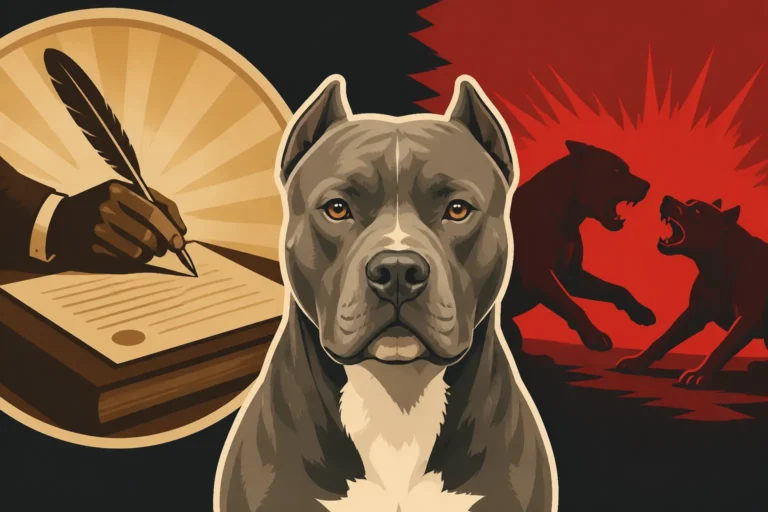
When most people utter the words "Pit Bull," they likely have a distinct image in their mind: a powerfully built dog with a short coat and a broad head. However, this common perception often clashes with the reality that "Pit Bull" is not a single, formally recognized breed in the way that, say, a German Shepherd or a Labrador Retriever is. This fundamental misunderstanding is where much of the confusion and public debate begins.
A Catch-All Term, Not a Single Breed
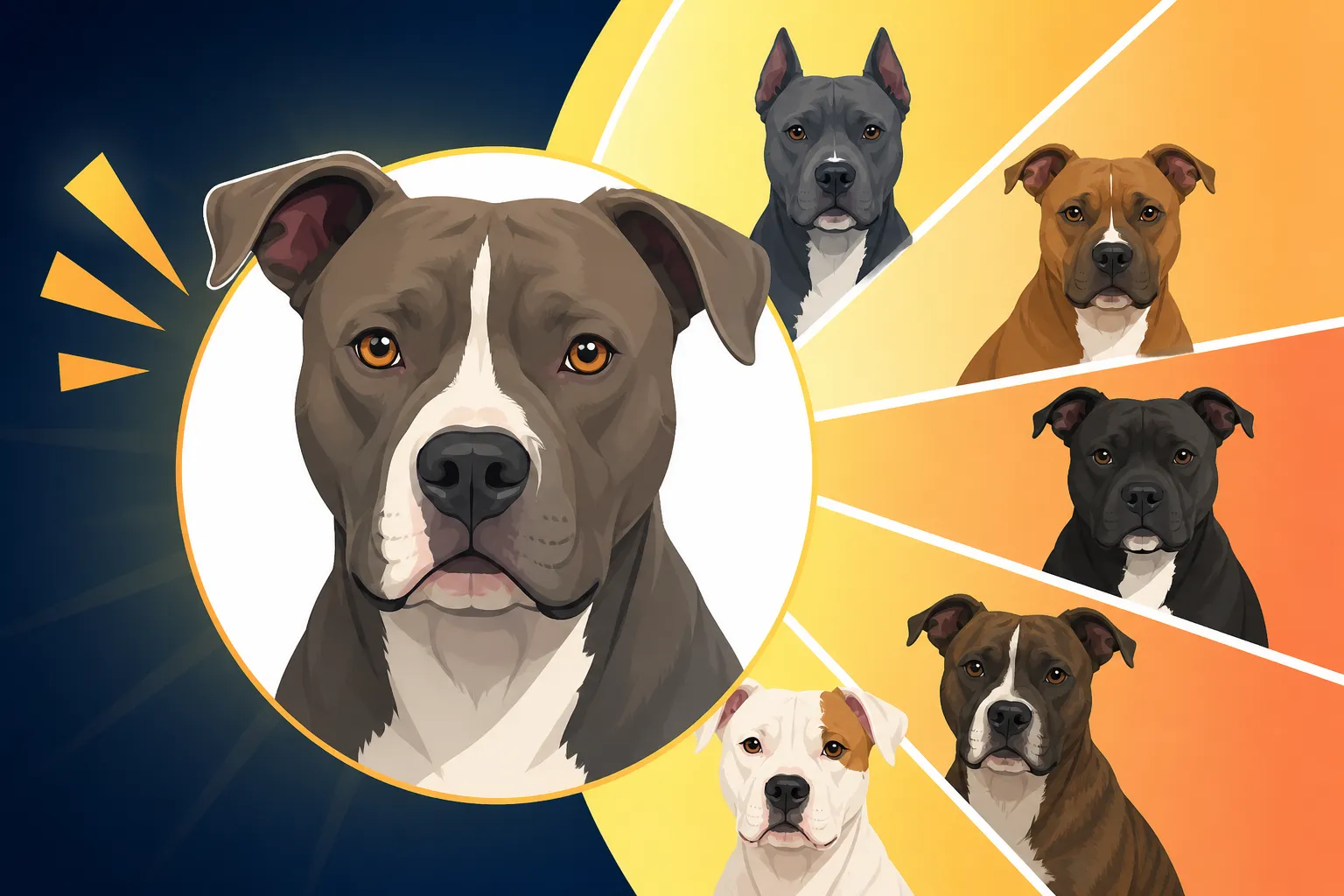
Imagine walking into a dog show and looking for a category specifically for "Pit Bulls." You wouldn't find one. That's because "Pit Bull" is, at its heart, a generic, umbrella term that encompasses several distinct breeds and even mixes that share a similar ancestry and physical characteristics. It's more of a "type" of dog than a singular breed, much like "hound" or "terrier" can refer to a group of breeds. This nuance is often lost in casual conversation and media representation, leading to widespread mischaracterization.
This lack of a precise definition can be incredibly frustrating for owners who know their dogs by their actual breed (or mix of breeds) but are constantly confronted with the blanket "Pit Bull" label. It creates a situation where a dog's identity is defined by a broad public interpretation rather than recognized canine standards. For a deeper dive into this distinction, check out Why Pit Bull Is a Type and Not a Breed.
The Public's Perception Versus Breeder Definitions
The way the general public, media, and even some municipal authorities use the term "Pit Bull" frequently diverges from how breed enthusiasts or genetic experts might define it. For decades, the public narrative has coalesced around a visual stereotype: a strong, muscled dog with a distinctive head shape. If a dog looks the part, it gets the label, regardless of its actual lineage.
This disconnect means that a dog with a diverse genetic background, perhaps a mix of Boxer, Mastiff, and something else entirely, could easily be labeled a "Pit Bull" by someone simply based on its appearance. This visual shorthand, while convenient, erases the individuality of countless dogs and fuels prejudices. It places an unfair burden on owners to constantly educate and advocate for their pets, battling deeply ingrained stereotypes perpetuated by popular culture. Understanding the historical context of how these dogs came to be perceived is crucial, and you can learn more by reading Pit Bulls in Culture and Public Perception.
The Specific Breeds Often Labeled Pit Bulls
While "Pit Bull" itself isn't a single breed, several distinct breeds consistently fall under this broad classification due to their shared ancestry, physical appearance, and historical development. These are the dogs that are most commonly identified as "Pit Bulls" in shelters, homes, and public discourse.
American Pit Bull Terrier (APBT)
If there's one breed that truly embodies the spirit of the "Pit Bull" label, it's the American Pit Bull Terrier (APBT). Recognized by the United Kennel Club (UKC) and the American Dog Breeders Association (ADBA), the APBT is often considered the original "Pit Bull" breed. These dogs are celebrated for their incredible athleticism, tenacious spirit, and profound loyalty to their human families.
Historically, APBTs were bred for performance, leading to their powerful physique, agility, and formidable jaw strength. While their past is unfortunately tied to dog-fighting, responsible breeders today focus on temperament, health, and maintaining the breed's impressive physical prowess for legitimate dog sports. They are known for being incredibly intelligent and eager to please, thriving with consistent training and socialization. You can explore more about their formal recognition in The American Pit Bull Terrier and the UKC.
American Staffordshire Terrier (AmStaff)
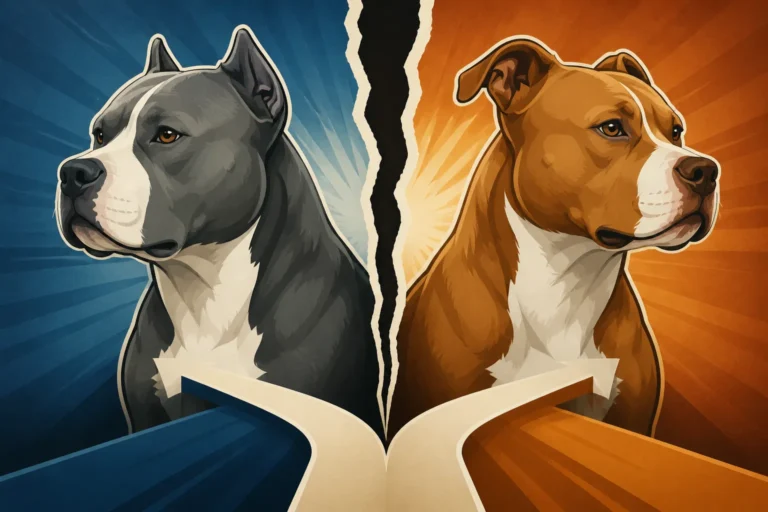
Sharing a common ancestor with the APBT, the American Staffordshire Terrier (AmStaff) branched off to become a distinct breed recognized by the American Kennel Club (AKC) in the 1930s. AmStaffs tend to have a slightly heavier bone structure and a broader head compared to many APBTs, often bred with an emphasis on conformation for show rings.
Despite their close genetic ties and similar appearance, the AKC's recognition created a separate identity focused on a particular standard. AmStaffs are known for their confident, courageous, and stable temperaments. They make excellent family companions and are often very good with children, provided they receive proper training and socialization from a young age. Their robust build and intelligence make them suitable for various dog activities, from obedience to agility. Dive deeper into their AKC recognition with The AmStaff as the AKC Recognizes It.
Staffordshire Bull Terrier (Staffie)
Hailing from England, the Staffordshire Bull Terrier, affectionately known as a "Staffie," is a smaller and often more compact breed than its American cousins. These dogs are absolutely legendary for their immense affection for people, particularly children, earning them the endearing but often misconstrued nickname "nanny dog." While no dog should ever be left unsupervised with children, their gentle nature with people is a hallmark of the breed.
Staffies possess a powerful build for their size, reflecting their bull-and-terrier heritage. They are incredibly loyal, playful, and energetic, requiring ample exercise and mental stimulation. Their expressive faces and unwavering devotion often win over even the most skeptical individuals, proving that a dog's heart can be much larger than its sometimes intimidating appearance. Learn more about their English origins and how they compare in The Staffordshire Bull Terrier From England.
The American Bully
The American Bully is a relatively new kid on the block, a breed developed more recently, within the last three decades or so, largely from the American Pit Bull Terrier mixed with other bulldog-type breeds. The goal was to create a dog with a more massive, stockier build, a broader head, and a generally more exaggerated, powerful appearance. They often have a lower center of gravity and a very distinctive, heavily muscled look.
American Bullies come in several size classifications, including Pocket, Standard, Classic, and the increasingly prominent XL Bully. While they share genetic roots with the traditional "Pit Bull" breeds, they have been selectively bred for specific physical aesthetics, making them distinct. They are known for their calm and confident demeanor, often described as gentle giants, despite their formidable appearance. Many American Bully owners are passionate about demonstrating their dogs' loving and stable temperaments. Discover more about how they fit into the broader "Pit Bull" discussion by reading Whether an American Bully Is a Pit Bull.
Why the Term "Pit Bull" Causes Confusion
The ambiguity surrounding the term "Pit Bull" isn't accidental; it's a product of history, visual identification challenges, and the complexities of canine genetics. This confusion has far-reaching implications, complicating everything from breed identification to legal issues.
Visual Identification and Phenotype
One of the primary drivers of the "Pit Bull" confusion is the human tendency to identify dogs purely by their looks – what we call their phenotype. If a dog possesses a blocky head, a muscular physique, a short coat, and a certain powerful stance, it's often automatically labeled a "Pit Bull." This happens constantly in shelters, by animal control officers, and by the general public, regardless of the dog's actual genetic makeup.
Research has repeatedly shown that visual breed identification is notoriously unreliable. Even seasoned animal professionals frequently misidentify breeds when relying solely on appearance. A dog might be a mixed breed with no direct "Pit Bull" ancestry, yet its physical traits could lead to it being branded as such. This poses a significant challenge for owners, as a visual label can have serious consequences, overriding factual genetics. Understanding how appearance can be deceiving is key, and you can gain more insight from How Accurate a Visual Pit Bull Call Is.
Historical Context and Breed Development
The murky waters of "Pit Bull" identification are further stirred by their intricate historical development. The term itself originated from the dog-fighting pits of the 19th century, where various "bull and terrier" crosses were used. These dogs were selectively bred for traits like gameness, strength, and resilience, rather than for a uniform physical appearance or a single, standardized breed. As a result, many different-looking dogs could have been considered "pit bulls" historically.
Over time, some of these "pit bull" types were refined into the distinct breeds we know today, such as the American Pit Bull Terrier and the American Staffordshire Terrier. However, their shared origins and the emphasis on functional traits over aesthetics meant that a wide variety of dogs continued to share similar physical characteristics. This shared, yet diverse, lineage contributes significantly to why many different dogs can still be lumped under the "Pit Bull" umbrella. To understand the origins of this type, explore The Bull and Terrier Origin of the Pit Bull.
DNA Testing Against the Label
In today's world, we have powerful tools like DNA testing that can cut through the visual guesswork. It's becoming increasingly common for owners of visually "Pit Bull-type" dogs to get their pet's DNA tested, only to discover a fascinating tapestry of breeds. Many dogs that are definitively labeled as "Pit Bulls" by eye often turn out to be complex mixes of breeds like Boxers, Bulldogs, Mastiffs, German Shepherds, or even Labrador Retrievers, with varying, or sometimes no, direct American Pit Bull Terrier or American Staffordshire Terrier genetics.
This isn't to say that the recognized Pit Bull breeds don't exist genetically; they absolutely do. Rather, it highlights how inaccurate the broad "Pit Bull" label can be when based solely on appearance. A DNA test can offer concrete, scientific evidence of your dog's true ancestry, which can be an invaluable asset when facing breed-specific policies. Services like Chewy offer a range of reliable DNA test kits that can empower owners with accurate information about their dog's heritage, moving beyond simple visual assumptions. This knowledge can be a powerful advocacy tool, especially when dealing with shelters or landlords. For more on this, consider reading DNA Testing Against a Shelter Pit Bull Label.
How the "Pit Bull" Label Impacts Owners and Dogs
The label "Pit Bull," whether accurately applied to a specific breed or generally used for a type, carries substantial weight in society. This weight translates into real-world challenges and biases that deeply affect the lives of countless dogs and their devoted human families.
Breed-Specific Legislation (BSL)
Perhaps the most impactful consequence of the "Pit Bull" label is its role in Breed-Specific Legislation (BSL). In numerous cities, counties, states, and even entire countries, dogs identified as "Pit Bulls" are subjected to stringent laws, outright bans, or specific, often burdensome, requirements. These requirements can include mandatory muzzling in public, forced sterilization, microchipping, special licensing, or strict containment rules. In the most severe cases, BSL can lead to the confiscation and even euthanasia of beloved family pets simply because they are deemed a "Pit Bull" by appearance or perceived breed.
This legal framework means that a dog's fate can be determined by a visual assessment, often an inaccurate one, rather than its individual behavior or temperament. Families are forced to make agonizing decisions, sometimes having to move from their homes or surrender their pets, all due to a label. It creates a climate of fear and injustice for responsible owners and well-behaved dogs. Understanding these laws is critical for any owner, as highlighted in Where Pit Bull Legislation Still Applies.
Housing and Insurance Challenges
Beyond direct legal bans, the "Pit Bull" label presents pervasive challenges in everyday life, particularly concerning housing and insurance. Many landlords and property management companies, influenced by outdated stereotypes or insurance policies, maintain "dangerous dog breed" lists, with "Pit Bull" or similar classifications almost invariably topping them. This can lead to qualified renters being denied housing or facing significantly higher pet deposits and monthly pet rents.
Homeowners aren't immune either. Many homeowner's insurance providers will either refuse coverage outright for homes with "Pit Bull-type" dogs, increase premiums dramatically, or include specific exclusions that deny coverage for any incidents involving the dog. This forces owners to seek out specialized, often more expensive, insurance policies or risk being uninsured. It's an unfair burden that often targets responsible pet parents. To learn more about navigating these hurdles, you might find Getting Home Insurance With a Pit Bull or Finding a Rental That Takes a Pit Bull helpful. For specific insurance concerns, Pit Bull Pet Insurance and Breed Exclusions delves into breed exclusions.
Public Perception and Stigma
Beyond legal and financial hurdles, the "Pit Bull" label carries a heavy social stigma. Despite overwhelming evidence of their individual temperaments, countless Pit Bull-type dogs and their owners face wary glances, fearful reactions, or even outright hostility from the public. This pervasive negative perception often casts these dogs as inherently aggressive or dangerous, a stereotype that is incredibly difficult to shake.
For owners, this means constantly being an ambassador for their dog and the entire "type." Many Pit Bull owners feel compelled to ensure their dogs are exceptionally well-behaved in public, not just for their dog's safety and manners, but to counteract negative assumptions. They often go above and beyond in training and socialization, demonstrating that a dog's character is shaped by upbringing and individual personality, not simply by its perceived breed. Resources found at retailers like Chewy often include training tools and guides that can assist owners in this important work of public education and positive reinforcement. This extra effort is a testament to the love and dedication of Pit Bull owners who strive to change hearts and minds, one well-behaved dog at a time. For insights into the rigorous training often pursued by Pit Bull owners, consider Training a Pit Bull to a Higher Standard Than Other Dogs.
| Breed/Type | Primary Recognitions | Key Physical Characteristics | Temperament Tendencies (General) | Common Challenges for Owners |
|---|---|---|---|---|
| American Pit Bull Terrier | UKC, ADBA | Athletic build, medium size, strong musculature, broad head, various colors | Highly intelligent, tenacious, people-focused, energetic, strong prey drive | Breed-specific legislation, housing/insurance issues, dog selectivity |
| American Staffordshire Terrier | AKC, UKC | Stockier build, broader head, typically heavier bone than APBT, various colors | Confident, courageous, stable, affectionate, good with families | Similar to APBT, often mistaken for it, public stigma |
| Staffordshire Bull Terrier | AKC, UKC, The Kennel Club (UK) | Smaller, compact, muscular, distinct "Staffie smile," deep affection | Devoted, playful, fearless, gentle with people (especially children) | Size often leads to misidentification as a larger Pit Bull type |
| American Bully | ABKC (American Bully Kennel Club), UKC | Very heavy musculature, massive head, thick bone, stocky build (varying sizes: Pocket, Standard, XL) | Calm, confident, loyal, gentle despite appearance, lower energy than APBTs | Exaggerated appearance can draw negative attention, BSL implications |
| "Pit Bull" (umbrella term) | None (visual identification only) | Any dog sharing general physical traits: blocky head, muscular body, short coat | Highly variable, depends entirely on individual dog and its actual breed mix | Broadest impact from stereotypes, BSL, and housing discrimination |
Disclaimer
This article is for general informational purposes only and does not constitute professional advice. Laws, prices and regulations vary by location and change over time. Consult a qualified professional for guidance on your specific situation.