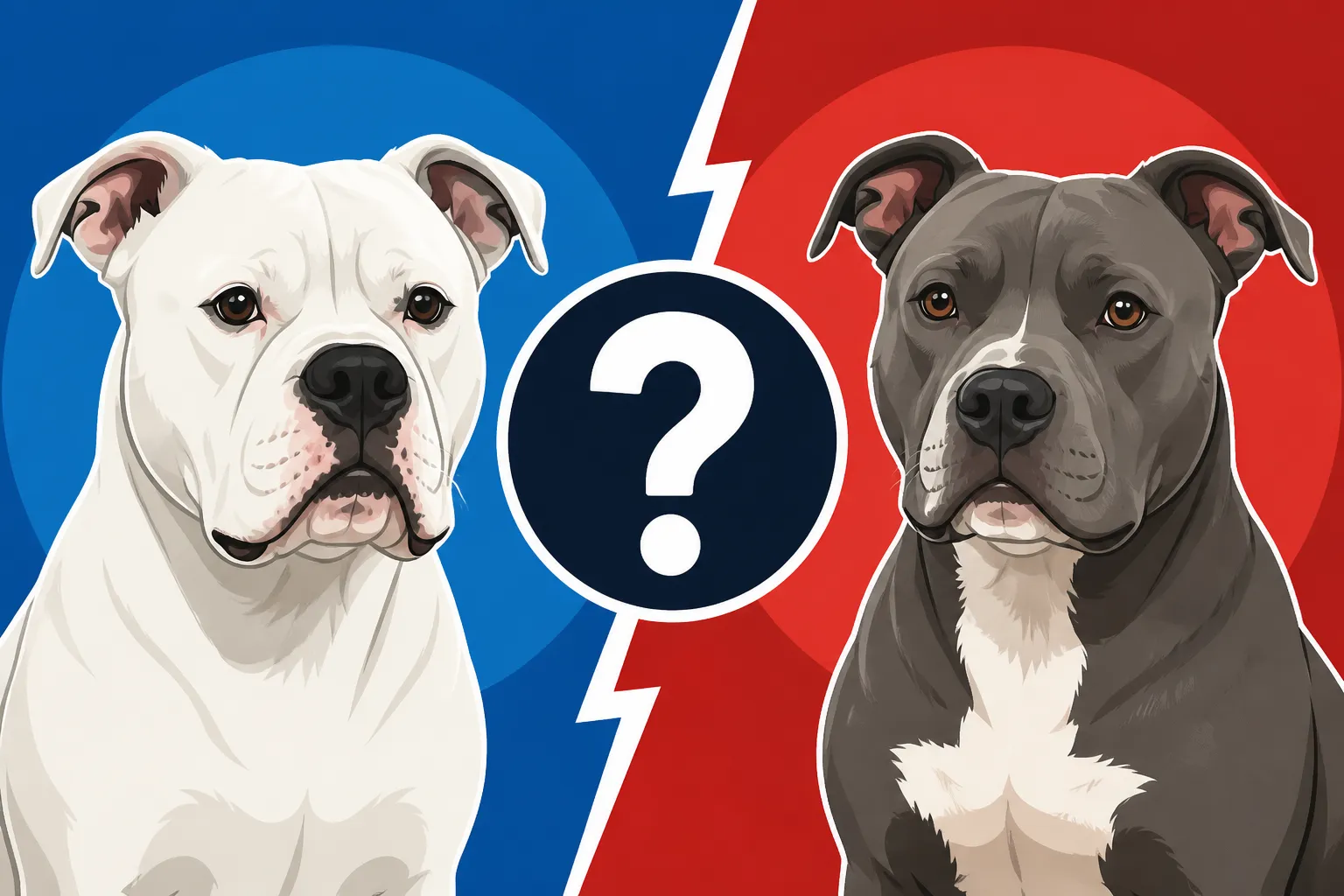
Whether an American Bulldog Counts as a Pit Bull
It's incredibly frustrating when you own a dog you adore, a loyal companion, only to have them mislabeled or misunderstood by others. One of the most common points of confusion revolves around the term "Pit Bull" and whether it encompasses other strong, muscular breeds, particularly the American Bulldog. This guide is here to untangle that knot, explain why the confusion exists, and clarify the distinct identity of the American Bulldog, while acknowledging the very real challenges owners face due to broad breed definitions.
The Broad Umbrella of "Pit Bull"
The very first thing we need to clear up is that "Pit Bull" isn't actually a single breed, and this is where so much of the misunderstanding begins. It's a frustrating reality for owners and a significant hurdle in public perception. When people say "Pit Bull," they're usually referring to a group of breeds with similar physical characteristics – a strong, muscular build, a broad head, and a short coat. This generalized label lumps together several distinct breeds, each with its own history, temperament, and breed standard.
Why "Pit Bull" Isn't a Single Breed
Imagine trying to describe "sports car" by pointing to a Ferrari, a Porsche, and a Lamborghini and calling them all "sports car breed." It's similar with "Pit Bull." The primary breeds often categorized under this umbrella term are the American Pit Bull Terrier (APBT), the American Staffordshire Terrier (AmStaff), and the Staffordshire Bull Terrier. These breeds, while sharing some ancestry and physical traits, are recognized as separate entities by various kennel clubs. For instance, the United Kennel Club (UKC) recognizes the American Pit Bull Terrier, while the American Kennel Club (AKC) recognizes the American Staffordshire Terrier. But there's no official registry that recognizes a single breed simply called "Pit Bull." This distinction is crucial, yet it's often overlooked, leading to widespread misidentification and unfair stereotypes. Why Pit Bull Is a Type and Not a Breed
The history behind these breeds, primarily bull-and-terrier crosses developed for fighting in the 19th century before becoming valued farm and family dogs, has contributed to the collective "Pit Bull" identity. People often see the strong jaw, the powerful build, and the confident stance, and immediately assign the label, without understanding the nuances of breed-specific traits. This generalization impacts countless dogs and their owners, often unfairly. You might have a perfectly well-behaved dog, but simply because they look a certain way, they're judged.
Visual Identification Challenges
One of the biggest culprits behind the confusion is how difficult it is to accurately identify a dog's breed just by looking at them. Even experienced professionals, like shelter staff and veterinarians, can struggle, and studies have shown visual identification to be notoriously unreliable. Think about it: a dog can inherit traits from multiple breeds, and many breeds share similar physical characteristics. A broad chest, a blocky head, or a muscular physique aren't exclusive to the "Pit Bull" type dogs.
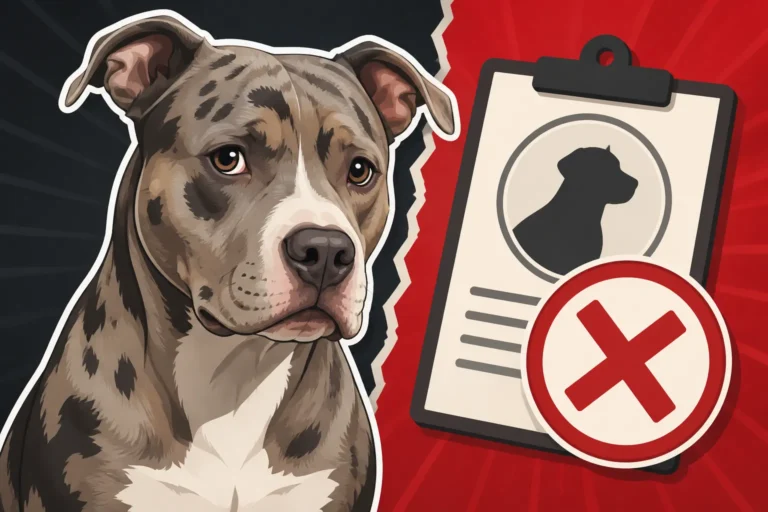
For example, a boxer mix, a Presa Canario, or even certain bulldog types can easily be mistaken for a "Pit Bull" by someone unfamiliar with breed-specific distinctions. This visual bias means that dogs are often labeled based on appearance rather than actual genetic makeup. This problem is particularly acute in shelters, where dogs are often assigned a "Pit Bull" or "Pit Bull mix" label based on a quick visual assessment, which can unfortunately affect their chances of adoption. How Shelters Decide a Dog Is a Pit Bull It's a frustrating situation because your beloved pet, who might be a blend of many different breeds, ends up with a label that carries baggage and can dictate whether you can live in certain housing or get insurance.
Understanding the American Bulldog
Now, let's talk about the magnificent American Bulldog. They are frequently swept into the "Pit Bull" category, but they are, in fact, a distinct and unique breed with their own rich history and characteristics. It's important for current and prospective owners to understand this difference, not just for accuracy, but for navigating the world with their dog.
American Bulldog as a Distinct Breed
The American Bulldog is a true American original, developed in the Southern United States. Unlike the bull-and-terrier crosses that gave rise to the Pit Bull types, American Bulldogs largely descended from the old English Bulldog stock that accompanied immigrants to America. They were primarily used as working farm dogs, tasked with catching feral hogs and cattle, and guarding property. This demanding work required a dog that was strong, agile, tenacious, and intelligent – qualities that are still hallmarks of the breed today. They are recognized by the United Kennel Club (UKC) and other registries, confirming their status as a separate breed.
Physically, American Bulldogs are robust and powerful. They typically have a large, muscular build, a broad head, and a strong jaw. Their coat is short and usually white, or white with patches of brindle, fawn, red, or various shades of brown. While they share some "bully" characteristics with Pit Bull types, their overall structure, head shape, and working heritage are quite distinct. Their temperament is generally described as confident, alert, and devoted to their families, but they can also be protective, reflecting their guarding instincts. They are typically lower energy indoors but require significant daily exercise and mental stimulation.
Key Differences in Breed Standards
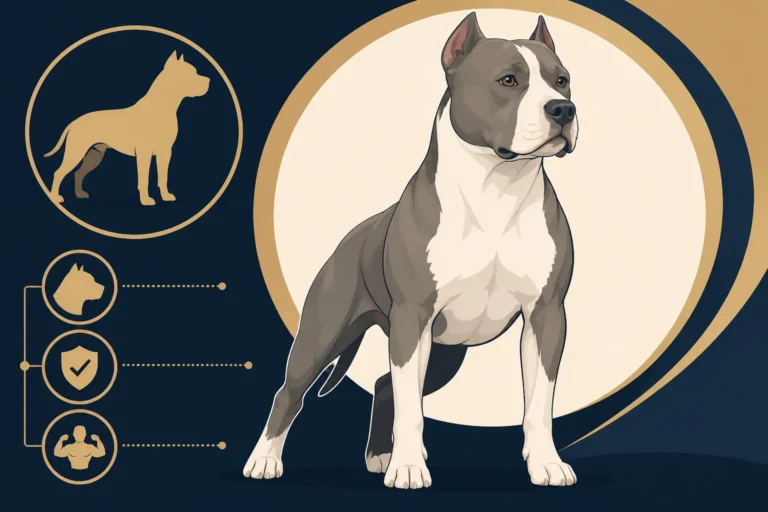
To truly differentiate, we need to look at the breed standards. While both American Bulldogs and "Pit Bull" type dogs (like the American Pit Bull Terrier or American Staffordshire Terrier) are powerful, muscular breeds, there are notable differences in their size, proportions, and head structure. American Bulldogs tend to be larger and heavier, often weighing between 60 to 120 pounds, with a height of 20 to 28 inches at the shoulder. The American Pit Bull Terrier and American Staffordshire Terrier typically fall in the 30 to 60 pound range, though there's certainly overlap and variation. Pit Bull Height, Weight and Build
The head shape is another key differentiator. While both have broad heads, the American Bulldog's head is often described as square or boxy, with a more pronounced muzzle and often a larger skull in proportion to its body. Pit Bull type dogs tend to have a slightly more refined, wedge-shaped head. American Bulldogs can come in two main types: the Johnson type (often larger, more mastiff-like, and sometimes called "Bully" type) and the Scott type (more athletic, less extreme). This variation within the American Bulldog breed itself can sometimes add to the confusion.
Here's a simplified comparison:
| Feature | American Bulldog | "Pit Bull" Type (APBT/AmStaff) |
|---|---|---|
| Average Weight | 60-120 lbs (can vary by type) | 30-60 lbs (can vary) |
| Average Height | 20-28 inches | 17-21 inches |
| Build | More heavily built, often larger bone structure | Athletic, powerful, but generally more agile/leaner |
| Head Shape | Broad, square/boxy head, pronounced muzzle | Broad, wedge-shaped head, moderate muzzle |
| Coat Colors | Predominantly white, or white with patches | Wide range of colors (except merle) and patterns |
| Primary Use | Working farm dog (hog hunting, guarding) | Originally fighting, now companion, sport, working |
| Recognition | UKC, ABRA, others | UKC (APBT), AKC (AmStaff), others |
It's clear that while they share a powerful aesthetic, they are not the same breed. Their breed standards outline distinct characteristics that set them apart, even if the casual observer might not immediately recognize these nuances.
When an American Bulldog Gets Labeled a "Pit Bull"
Despite being a distinct breed, American Bulldogs are unfortunately frequently caught in the crossfire of breed-specific legislation and public misunderstanding. This can lead to significant challenges for owners, from finding suitable housing to securing adequate insurance. The impact of a "Pit Bull" label, whether accurate or not, is very real.
Shelter and Rescue Classifications
Walk into many animal shelters, and you'll often see dogs labeled as "Pit Bull mix" or "Bully breed" even when their actual ancestry might be quite different. This practice stems from a few factors. First, as discussed, visual identification is prone to error, and many breeds share similar physical traits. Shelter staff, often dealing with a high volume of animals and limited resources, might rely on general appearance to categorize dogs, especially when exact parentage is unknown. An American Bulldog's strong, muscular build, often with a broad head, easily fits into this visual "type" for many.
Second, the term "Pit Bull" has become a catch-all for any dog that looks remotely similar to the commonly recognized breeds. This broad labeling can have serious consequences for the dog. Dogs labeled as "Pit Bull type" often face longer stays in shelters, higher euthanasia rates, and increased difficulty in adoption due to breed bans, landlord restrictions, and negative public perception. For an American Bulldog owner, this means their dog, despite being a loving and well-behaved companion, might carry a stigma that makes everyday life more complicated. This is why understanding the nuances of how these labels are applied is so crucial. Why Shelters Over-Identify Pit Bull Type Dogs
Legal and Insurance Implications
The impact of this mislabeling extends far beyond the shelter environment. Breed-specific legislation (BSL) in various cities and counties, as well as breed restrictions imposed by homeowners insurance companies and landlords, often cast a wide net. These policies rarely distinguish between the American Pit Bull Terrier, American Staffordshire Terrier, or even other powerful bully breeds like the American Bulldog. If a jurisdiction has a "Pit Bull ban" or if an insurance company has a "dangerous dog breed" list, an American Bulldog can easily be included based purely on visual assessment or a broad definition that includes "any dog with characteristics of a Pit Bull."
This can create immense headaches for owners. Imagine trying to find a rental apartment only to be turned down because your American Bulldog is deemed a "Pit Bull" by the landlord's insurance policy, despite proving their excellent temperament and training. Getting a Landlord to Accept a Pit Bull Or perhaps your current homeowners insurance policy is suddenly canceled or significantly increased after they learn you own an American Bulldog, simply because they appear on a generic "restricted breeds" list. Getting Home Insurance With a Pit Bull It's an unfair reality that forces many responsible owners to navigate a complex and often discriminatory landscape. The frustration is palpable, as owners are often left feeling that their beloved pet is being judged by its cover, not its character.
Navigating the Misconception for Owners
Living with an American Bulldog means you might encounter these misconceptions regularly. It's a challenging situation, but there are proactive steps you can take to advocate for your dog and help educate those around you. Being prepared and informed can make a significant difference in how you and your American Bulldog are perceived.
DNA Testing for Clarity
If you're unsure about your dog's exact breed makeup or are facing breed-specific restrictions, DNA testing can offer valuable insights. While not every test is 100% perfect, and some may struggle with less common breeds, a reputable DNA test can provide a detailed breakdown of your dog's ancestry. This can be especially useful if your dog is a mix, revealing specific breeds that might not be immediately obvious. For an American Bulldog owner, a DNA test could definitively show that your dog is, in fact, an American Bulldog, or a mix predominantly of that breed, rather than an American Pit Bull Terrier or American Staffordshire Terrier.
Having this information can be a powerful tool in advocating for your dog. When faced with a landlord or insurer who has a "Pit Bull" ban, presenting a DNA report showing a different breed composition might help your case. It provides objective data beyond a simple visual guess. However, it's important to remember that not all entities will accept DNA test results as definitive proof, especially if their policies are rigidly based on a visual "type" or broad definitions. Still, it's a step many owners find worthwhile for their peace of mind and as an aid in discussions. What a DNA Panel Says About a Pit Bull
Advocacy and Education
Ultimately, addressing the misconception that an American Bulldog counts as a Pit Bull often comes down to advocacy and education. As an owner, you become an ambassador for your dog and their breed. Start by being knowledgeable yourself. Understand the history, temperament, and breed standard of the American Bulldog. Be able to articulate the differences between your dog and the breeds commonly labeled as "Pit Bulls." This knowledge empowers you in conversations with neighbors, strangers, or officials.
Beyond personal interactions, supporting breed-neutral legislation and advocating against breed-specific bans is crucial. Organizations dedicated to protecting all dogs, regardless of appearance, work tirelessly to change discriminatory laws and policies. Showing off your well-trained, well-socialized American Bulldog is one of the most powerful forms of advocacy. A dog that is a Canine Good Citizen, for example, demonstrates excellent manners and can help challenge negative stereotypes. Canine Good Citizen Training With a Pit Bull When people see a well-behaved, loving American Bulldog, it humanizes the breed and chips away at the unfair generalizations that plague them. Your actions, your knowledge, and your willingness to educate others are your best tools in making sure your American Bulldog is seen for who they truly are.
Disclaimer
This article is for general informational purposes only and does not constitute professional advice. Laws, prices and regulations vary by location and change over time. Consult a qualified professional for guidance on your specific situation.