Why Registries Reject Merle Pit Bulls
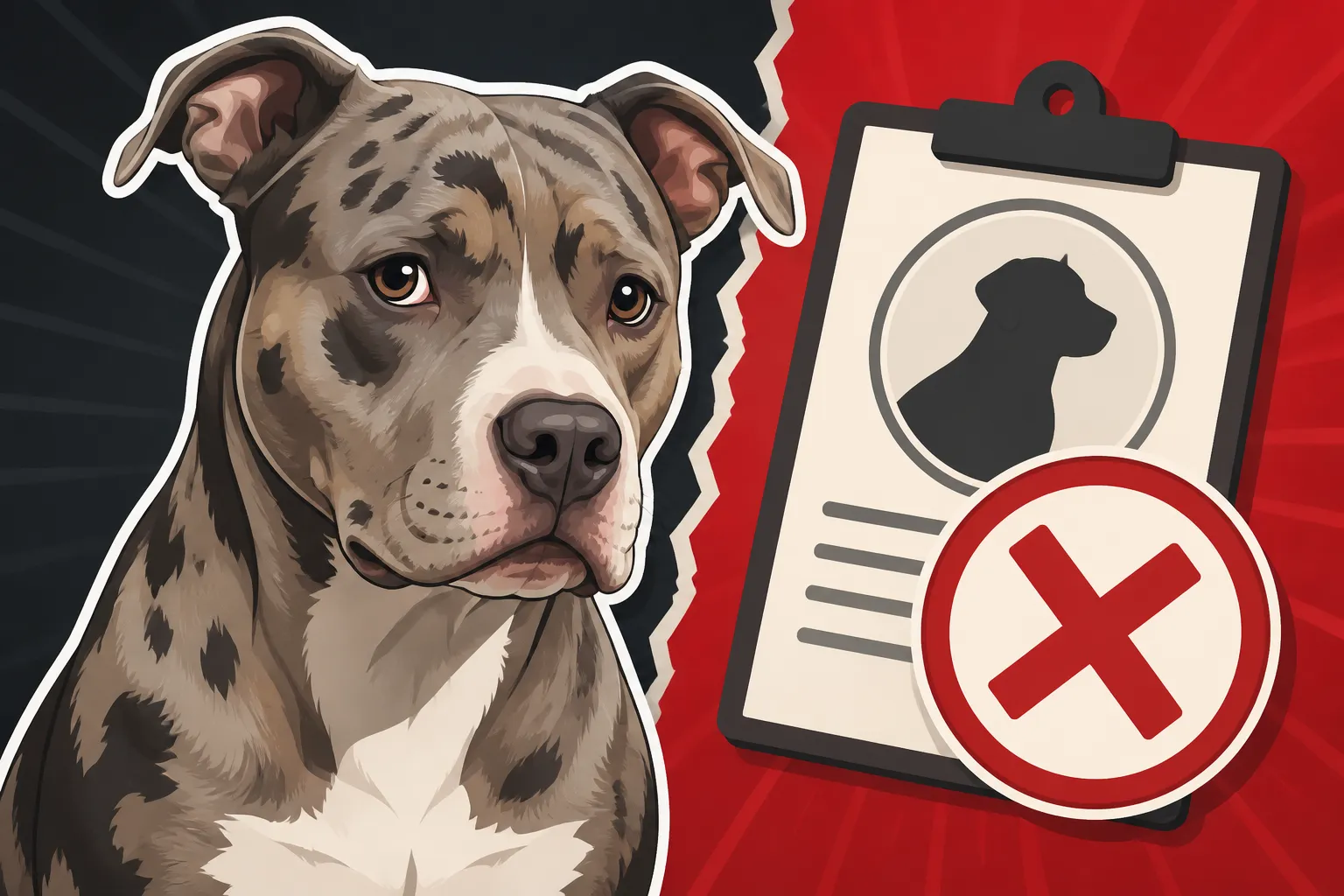
It’s a truly captivating sight, isn't it? Those striking merle patterns, often with swirling patches of color and sometimes even dazzling blue eyes, can make a Pit Bull-type dog look absolutely stunning. But if you’ve ever tried to delve deeper into the origins of a merle Pit Bull, or wondered why you never see them in sanctioned dog shows, you've likely stumbled upon a bit of a controversy. Many official breed registries outright reject merle-patterned Pit Bulls, leaving owners and hopeful breeders feeling confused, frustrated, and sometimes even judged. This guide will walk you through the complex reasons behind this rejection, from genetics and health concerns to breed history and the very definitions that govern what a "Pit Bull" truly is.
Understanding the Merle Gene Itself
The merle pattern is caused by a dominant gene that dilutes random areas of the dog's base coat color, creating mottled patches of lighter and darker shades. While visually appealing, this gene carries significant health implications, especially when inherited in a specific way.
What is the Merle Pattern?
Think of the merle gene as a selective bleach. It takes a solid color coat – be it black, brown, or red – and dilutes random sections of it, leaving irregular patches of the original color interspersed with lighter, diluted areas. This can result in striking blue, grey, or liver patches, often with darker spots or streaks within them. Merle can also affect eye color, leading to dogs with one or both eyes partially or entirely blue, or even heterochromia (eyes of different colors). It's a genetic lottery that creates unique, often beautiful, patterns.
However, it's crucial to understand that merle isn't just about pretty colors. It’s a dilution gene, and like many genetic traits, it doesn't always come without a cost. While a single copy of the merle gene (Mm) can produce a visually stunning dog, the issues truly escalate when a dog inherits two copies.
Health Concerns Associated with Merle
This is where the story of merle Pit Bulls often hits a difficult note. The primary reason for the widespread rejection of merle in certain breeds, including Pit Bulls, is the significant health risks associated with it, particularly in what's known as "double merle" dogs. A double merle dog inherits a merle gene from both parents (MM genotype).
When a dog is a double merle, the dilution effect is much more extreme and can severely impact the development of the eyes and ears. These dogs often present with:
- Auditory Defects: Profound deafness, either unilateral (one ear) or bilateral (both ears), is sadly common. The merle gene interferes with the development of the cells in the inner ear responsible for hearing.
- Ocular Defects: A wide range of eye abnormalities can occur, from microphthalmia (abnormally small eyes), colobomas (missing tissue in the eye structures), and retinal detachment, to complete blindness. Often, the eyes themselves appear pale or oddly shaped.
- Skin and Coat Issues: While less common than the sensory problems, some double merles can also experience thin or patchy coats and sensitive skin.
Even dogs with a single merle gene can sometimes have milder versions of these issues, though it's much less frequent. The risk, however, is significantly amplified when two merle carriers are bred together. A responsible breeder of any merle-carrying breed will always ensure that a merle dog is only bred to a non-merle dog to avoid producing double merles and the associated suffering. The fact that the merle gene is even present in Pit Bull-type dogs immediately raises questions about their lineage and the breeding practices involved.
The Ethical Breeding Perspective
For any dog breeder, ethical responsibility should be paramount. This means prioritizing the health, temperament, and welfare of the dogs above all else. When a genetic trait carries a known, high risk of debilitating health conditions, ethical breeders will either select against that trait or, if it's an accepted trait in their breed, take extreme precautions to prevent its most harmful manifestations.
The merle gene falls squarely into this category. Because of the serious risks of deafness and blindness in double merles, breeding two merle-carrying dogs together is widely considered unethical by responsible dog communities. This concern extends to breeds where merle is not traditionally found, like the Pit Bull. The presence of merle in a Pit Bull strongly suggests that somewhere in the dog's recent ancestry, there was an outcross to another breed that does carry merle. This outcrossing, when done without clear purpose or transparency, further complicates the notion of maintaining a purebred lineage and raises questions about the breeder's understanding of genetics and commitment to breed health. When considering what a Pit Bull Health History Should Cover, genetic testing for known issues, including merle, would certainly be on a comprehensive list for any breed.
How Breed Registries View Merle
Breed registries are the gatekeepers of canine lineage, establishing and maintaining the standards that define a particular breed. Their stance on merle in Pit Bull-type dogs is rooted deeply in these standards and the historical development of the breeds.
The Role of Breed Standards
Every recognized dog breed has a "breed standard" – a detailed written description of the ideal specimen. This standard covers everything from physical appearance (size, coat color, eye color, ear set) to temperament and movement. It acts as a blueprint, guiding breeders in their efforts to produce dogs that conform to the breed's distinct characteristics and purpose. For organizations like the United Kennel Club (UKC) which recognizes the American Pit Bull Terrier, and the American Kennel Club (AKC) which recognizes the American Staffordshire Terrier, these standards are sacrosanct.
The problem with merle is simply this: it is not part of the historical breed standard for either the American Pit Bull Terrier (APBT) or the American Staffordshire Terrier (AmStaff). These standards delineate acceptable coat colors and patterns, and merle is conspicuously absent. Any dog exhibiting a merle pattern would automatically be considered "non-standard" and therefore ineligible for registration or participation in conformation events under these organizations. This isn't arbitrary; it reflects a long-standing commitment to the historical development and genetic health of these specific breeds.
Historical Context of Pit Bull Development
The breeds commonly referred to as "Pit Bulls"—primarily the American Pit Bull Terrier and the American Staffordshire Terrier—have a rich and sometimes challenging history. Their origins trace back to the bull and terrier crosses of 19th-century England, bred for specific traits like strength, tenacity, and gameness. When these dogs arrived in America, they were further developed into the distinct breeds we know today.
Crucially, throughout their development, the merle gene was not present in their foundational stock. The original Bulldogs and Terriers that contributed to the Pit Bull lineage did not carry the merle gene. It’s a pattern that has historically been associated with other breeds, such as Collies, Australian Shepherds, and some Dachshunds. Therefore, when a merle pattern appears in a dog identified as a Pit Bull, it strongly suggests a relatively recent outcross – a breeding event with a dog of a different breed that does carry the merle gene. This kind of outcrossing fundamentally alters the genetic makeup and potentially introduces traits that were never part of the breed's original design or genetic pool. This is why Why Registries List No Breed Named Pit Bull is an important concept; the term "Pit Bull" is often used broadly, but specific registries have very strict definitions for their recognized breeds.
Protecting the Breed's Integrity
Registries see themselves as stewards of their respective breeds. Their mission includes preserving the historical lineage, genetic purity, and characteristic traits of the breed. Allowing dogs with non-standard traits, especially those carrying significant health risks through outcrossing, would be seen as compromising this integrity.
For a registry to accept a merle-patterned American Pit Bull Terrier or American Staffordshire Terrier would mean acknowledging and validating an outcross that introduces a non-native gene and the potential for severe health issues. This is a path most reputable registries are unwilling to take. They prioritize the long-term health and stability of the breed lines they oversee. If a potential breeder claims to have "registered" merle Pit Bulls, it's highly likely they are either registered with a less reputable, non-standard organization, or the dog is registered under a different breed entirely. Understanding The American Pit Bull Terrier as the UKC Defines It or The AmStaff as the AKC Recognizes It helps clarify the strict parameters involved.
The Implications for Owners and Breeders
For individuals who adore the Pit Bull type but are drawn to the merle pattern, or for breeders navigating this landscape, the registry's stance has significant practical implications.
Registering a Merle-Patterned Pit Bull
If you own a dog that looks like a Pit Bull but has a merle coat, the chances of registering it with a major, reputable breed club like the UKC or AKC are virtually non-existent. They will simply not accept it for registration because the merle pattern is a disqualifying fault under their breed standards for the APBT and AmStaff, respectively. This means:
- No Pedigree: Your dog will not have an officially recognized pedigree through these major registries. While it might have a "pedigree" from a smaller, less established registry, its lineage would not be recognized by the mainstream dog world.
- No Conformation Showing: You won't be able to compete in conformation shows where dogs are judged against the breed standard. This impacts the ability to earn championship titles that signify a dog's adherence to its breed's ideal form.
- Limited Breeding Options: If your goal is to breed, the lack of official registration and the non-standard color will significantly limit your options if you aim for reputable breeding.
This isn't to say your dog is any less wonderful or beloved, but it means it doesn't fit the established definition of a "purebred" American Pit Bull Terrier or American Staffordshire Terrier according to these specific standards. This often ties into the broader discussion of Why Pit Bull Is a Type and Not a Breed, as many dogs labeled "Pit Bulls" are indeed mixes, and the merle gene is often a tell-tale sign of that mixed ancestry.
Finding Reputable Breeders
This is a critical point for anyone looking to add a Pit Bull-type dog to their family. A truly reputable breeder of American Pit Bull Terriers or American Staffordshire Terriers will not produce merle-patterned dogs. Period. Their breeding program will adhere strictly to the breed standard and prioritize the health and proven lineage of their stock.
If you encounter a breeder advertising "merle Pit Bull puppies," proceed with extreme caution. This often indicates one of several things:
- Outcrossing: The breeder has intentionally or unintentionally crossed their Pit Bull with another breed that carries merle (e.g., Australian Shepherd, Catahoula Leopard Dog, or even a mixed breed with merle in its background). This isn't inherently "bad" if openly disclosed as a deliberate crossbreed, but it means the resulting puppies are not purebred APBTs or AmStaffs.
- Lack of Knowledge: The breeder may not understand basic canine genetics or the importance of breed standards, which is a red flag for any breeding operation.
- Exploiting Trends: Merle is a visually appealing trait, and some breeders, unfortunately, prioritize aesthetics and marketability over health and breed integrity. They might charge inflated prices for "rare" merle puppies, despite the genetic risks and non-standard status.
Always ask to see parent pedigrees, health testing results (OFA, CERF, DNA panels, etc.), and inquire about the breeder's philosophy. A reputable breeder will be transparent and educate you on why merle is not part of their program. You want a breeder focused on solid temperaments and sound health, not just flashy colors. When considering What Testing a Pit Bull Breeder Should Have Done, ensuring they understand and screen for such genetic risks is paramount.
Living with a Merle-Patterned Dog
If you already have a merle-patterned dog that you identify as a Pit Bull, or if you're considering adopting one, the important thing is to focus on its individual health and well-being. Regardless of its genetic makeup or registry status, every dog deserves a loving home and proper care.
- Health Screening: If your dog is merle, it's wise to discuss the potential for auditory and ocular issues with your veterinarian. They might recommend specific screenings or keep a closer eye on hearing and vision as your dog ages. Early detection can help you manage any challenges that arise.
- Preventive Care: Ensure your dog receives regular veterinary check-ups, appropriate vaccinations, and year-round parasite prevention. Organizations like Chewy offer a fantastic range of preventative care products, from flea and tick treatments to joint supplements that can contribute to your dog's overall health, regardless of coat color.
- Training and Enrichment: Merle or not, a dog with Pit Bull ancestry benefits immensely from consistent training, early socialization, and plenty of mental and physical enrichment. This helps them become well-adjusted members of your family and community.
- Advocacy: Understand that your dog, while visually striking, may not be accepted by breed-specific organizations or in certain venues. Focus on advocating for your individual dog and demonstrating responsible ownership. If you adopted from a shelter, it’s worth noting that How Shelters Decide a Dog Is a Pit Bull can be subjective, and DNA testing might reveal the true mix.
The Gray Areas and Misconceptions
The conversation around merle Pit Bulls is often muddied by misconceptions and the broader complexities of dog identification and breeding trends.
Merle in Other Breeds
It's absolutely true that merle is a recognized and accepted coat pattern in many established dog breeds. Think of the stunning blue merle Australian Shepherds, the striking merle Border Collies, or the unique patterns seen in Catahoula Leopard Dogs. In these breeds, the merle gene has been part of their genetic lineage for generations, and their breed standards explicitly allow for it. Ethical breeders of these dogs understand the gene's mechanics and responsibly breed merle-to-non-merle to avoid double merles.
The key distinction lies in the historical origin and breed standards. Merle was simply not present in the genetic foundation of the American Pit Bull Terrier or the American Staffordshire Terrier. Its appearance in these dogs signifies an introduction from outside the breed, making it a non-standard and often genetically questionable trait for these specific breeds. It’s a bit like finding a naturally curly tail on a Greyhound; while curly tails are fine on a Pug, it's not part of the Greyhound's genetic makeup or breed standard.
The 'Designer Dog' Trend
The rise of "designer dogs" – intentional crosses between two purebreds – and the general demand for unique aesthetics have contributed to the increasing appearance of merle in dogs misidentified or marketed as "Pit Bulls." Because merle is visually appealing, some individuals or breeders have sought to introduce it into Pit Bull-type dogs, either by crossing with merle-carrying breeds or acquiring dogs that already have this mixed ancestry.
This trend often prioritizes novelty over health and breed integrity. While there's nothing inherently wrong with a mixed-breed dog, problems arise when these merle mixes are then marketed or bred as purebred Pit Bulls, often at exorbitant prices, without proper disclosure of their genetic background or the associated health risks. This can mislead buyers and contribute to the proliferation of dogs with unknown health histories and genetic predispositions. This is why when considering Which DNA Panel Tells You If It Is a Pit Bull, it's important to understand it will identify all breeds present, not just a single "Pit Bull" label.
The "Pit Bull" Label vs. Genetic Reality
One of the biggest challenges in discussing "merle Pit Bulls" is the very definition of "Pit Bull." As touched upon in What the Word Pit Bull Actually Covers, "Pit Bull" is often used as a catch-all term for several distinct breeds (American Pit Bull Terrier, American Staffordshire Terrier, Staffordshire Bull Terrier) and numerous mixes that share similar physical characteristics.
Many dogs commonly referred to as "Pit Bulls" are, in fact, mixed breeds. If a dog with a merle coat is called a "Pit Bull," it is highly likely that somewhere in its recent ancestry, a merle-carrying breed was introduced. This could be a Catahoula, an Australian Shepherd, a Border Collie, or another mix. A DNA test would likely confirm the presence of multiple breeds, including those known to carry the merle gene. Whether a DNA Test Settles the Pit Bull Question is a common query, and in the case of merle, it almost certainly would clarify the mixed ancestry.
Therefore, while you might see a "merle Pit Bull," it’s technically more accurate to describe it as a Pit Bull-type mix with merle patterning, rather than a purebred American Pit Bull Terrier or American Staffordshire Terrier. The registries' rejection of merle Pit Bulls is not a judgment on the individual dog, but a strict adherence to their defined breed standards and a protective measure against the introduction of potentially harmful genetic traits into their recognized bloodlines.
| Merle Genotype | Description | Primary Health Risks (General) | Registry Status (APBT/AmStaff) |
|---|---|---|---|
| Mm | Single Merle (one copy of merle gene) | Low risk of mild hearing/vision issues; generally healthy | Rejected |
| MM | Double Merle (two copies of merle gene) | High risk of severe deafness (unilateral/bilateral), blindness, microphthalmia, other eye defects | Rejected |
| mm | Non-Merle (no copies of merle gene) | No merle-related health risks | Accepted (if all other standards met) |
Disclaimer
This article is for general informational purposes only and does not constitute professional advice. Laws, prices and regulations vary by location and change over time. Consult a qualified professional for guidance on your specific situation.