Taking a Pit Bull Home From a Shelter
Bringing a Pit Bull home from a shelter can be one of the most rewarding experiences, but it often comes with a unique set of challenges and questions, from navigating breed perceptions to ensuring a smooth transition for a dog that might have a complex past. This guide is here to walk you through every step, offering practical advice to help you prepare your home and heart for a wonderful new companion and ensure a successful, loving adoption.
Preparing Your Home and Heart Before Adoption
Before you even step foot into a shelter, there's quite a bit of groundwork to lay. Adopting any dog is a big commitment, but bringing a Pit Bull into your life, especially from a shelter environment, means being extra thoughtful and prepared. You're not just getting a dog; you're often welcoming a survivor who needs patience, understanding, and a clear, stable environment.
Understanding the "Pit Bull" Label
One of the first things you'll encounter is the term "Pit Bull" itself. It's crucial to understand that "Pit Bull" isn't a single breed registered by major kennel clubs like the AKC. Instead, it's a general term often used to describe several breeds and mixes, including the American Pit Bull Terrier, American Staffordshire Terrier, and Staffordshire Bull Terrier, among others. When a shelter labels a dog a "Pit Bull," it's usually based on visual characteristics, which can be surprisingly inaccurate. Many dogs with little to no true "Pit Bull" ancestry are labeled as such due to their physical appearance – a broad head, muscular build, and short coat. This generalized labeling can unfortunately affect their chances of adoption and how they are perceived by the public.
It’s important to see beyond the label and focus on the individual dog’s temperament and needs. The stigma associated with the term "Pit Bull" means that these dogs often wait longer in shelters. Knowing this allows you to approach the adoption process with an open mind, ready to evaluate the dog in front of you, not just the label attached to it. Remember, you're looking for a companion whose personality aligns with your lifestyle, regardless of what mix of breeds led to their appearance. You might find our article Why Pit Bull Is a Type and Not a Breed illuminating in this regard.
Assessing Your Home and Lifestyle
Before bringing any dog home, but particularly a powerful and often misunderstood one, you need to honestly assess if your living situation and daily routine are a good fit. Pit Bulls are generally active, intelligent dogs that thrive on consistent training, mental stimulation, and physical exercise. Do you have the time each day for walks, play, and training sessions? A quick stroll around the block might not cut it for a younger, energetic Pit Bull. They often need outlets for their energy, whether it's a vigorous game of fetch, structured walks, or engaging in puzzle toys.
Consider your home environment: Is it secure? A sturdy fence is a must for many Pit Bulls, who can be surprisingly agile and determined if something catches their eye. What about other pets or children? While the "nanny dog" myth is just that, a myth, many Pit Bulls are wonderful with children when properly introduced and supervised. However, their physical strength and sometimes boisterous play style mean supervision is always key, especially with younger kids. If you have other dogs, you'll need to consider how a new dog might integrate, as some Pit Bulls can be "dog selective," meaning they do well with certain dogs but not all. Be prepared for a gradual introduction process, potentially with professional help, to ensure everyone gets along. Your home's layout, access to a yard, and even local leash laws all play a role in making a Pit Bull feel safe and settled.
Financial Preparedness
Adopting a dog is a financial commitment, and a Pit Bull is no exception. While adoption fees at a city pound might be lower than purchasing from a breeder, the ongoing costs quickly add up. Beyond the initial fee, you'll need to budget for high-quality food, which can be especially important if your Pit Bull develops Pit Bull Skin Allergies and the Atopy Pattern or needs a Limited Ingredient Food for a Pit Bull With Atopy. Durable chew toys are essential for these strong-jawed dogs, and they aren't always cheap. Think about regular vet check-ups, vaccinations, and year-round parasite prevention.
Furthermore, training costs can be a significant investment, especially if you opt for group classes or private sessions to address specific behaviors or work towards certifications like Canine Good Citizen, which can be invaluable for breaking down breed stereotypes. Don't forget potential emergency vet visits – life happens, and a sudden illness or injury can lead to substantial bills. Having a savings account dedicated to your pet or researching pet insurance options before an issue arises is a smart move. Pit Bulls are prone to certain health conditions like Pit Bull Hip Dysplasia Showing at One to Two Years, and knowing the potential costs involved for these down the line can help you make a fully informed decision.
Navigating the Shelter Adoption Process
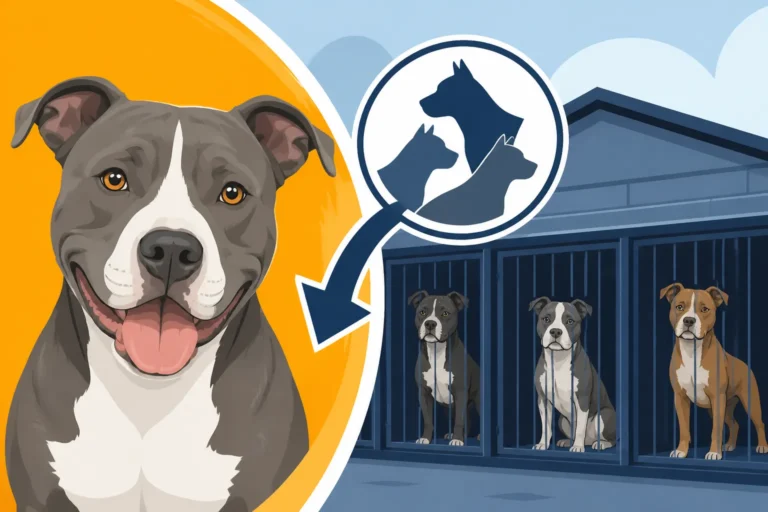
Visiting a shelter can be an emotional experience, filled with wagging tails and hopeful eyes. For Pit Bulls, who often make up a significant portion of shelter populations, this step is even more critical. Knowing what questions to ask and what to look for can help you make the best match for your family.
What to Ask Shelter Staff
The shelter staff and volunteers are invaluable resources. They spend every day with these dogs and often have detailed insights into their personalities and quirks. Don't be shy about asking questions! Inquire about the dog's history, if known. Was it a stray? Surrendered by a previous owner? Knowing if the dog has lived in a home before, has been around children or other pets, or has any known triggers can provide crucial context. Ask about their observed temperament: Are they shy or outgoing? Energetic or mellow? Do they have any known anxieties, like separation anxiety or fear of loud noises?
Crucially, ask about any existing medical history. Has the dog been spayed or neutered? Are they up to date on vaccinations? Have they had any health issues while at the shelter? Many shelters provide basic veterinary care, microchipping, and initial vaccinations, but it’s vital to know exactly what medical information and care they can provide. Also, ask about their daily routine at the shelter – how much exercise do they get? How do they interact with other dogs in playgroups? This information can give you a clearer picture of how they might adapt to your home.
Meeting Your Potential Pit Bull
When you finally meet a potential Pit Bull, take your time. Don't rush the interaction. Observe their body language carefully. Are they relaxed, or do they seem stressed? A loose wagging tail, soft eyes, and relaxed posture are good signs. Avoid approaching a dog directly head-on; instead, turn slightly sideways and let them come to you. Offer the back of your hand for them to sniff, and then gently scratch their chest or behind their ears if they lean into it. Pay attention to how they respond to different stimuli: loud noises, sudden movements, or even just you standing up.
Spend time walking them outside the kennel if possible. How do they handle a leash? Do they pull excessively, or do they walk calmly? Many shelter dogs can be over-aroused or anxious in the shelter environment, and their true personality might not shine until they are in a calmer setting. Some shelters offer "meet and greet" rooms, or even foster-to-adopt programs, which can be excellent ways to see how a dog behaves outside the stress of the kennel. A dog that is barking intensely in its kennel might be completely different once it's out in the yard with you. Being patient and observant during this initial meeting is key to forming an accurate impression.
Behavioral Assessments and Records
Most reputable shelters conduct some form of behavioral assessment on the dogs in their care. These assessments aren't foolproof, as the shelter environment itself can skew results, but they can offer valuable insights. Ask to see the results of any behavioral evaluations. Do they have a history of resource guarding, for example? Or are they noted as being tolerant of handling? These reports can highlight potential areas where you might need to invest in training or management strategies. Remember, these are snapshots in time, and a dog's behavior can change significantly once they feel safe and secure in a stable home.
Beyond behavioral notes, shelters should also provide any existing health records. This includes vaccination history, deworming dates, spay/neuter certificates, and any notes from veterinary examinations. This history is invaluable for your new veterinarian, allowing them to continue care without repeating unnecessary procedures. If the dog was surrendered, there might also be a surrender profile from the previous owner, which can offer details about their former life, habits, and preferences. For Pit Bulls, who often face scrutiny, having a detailed record of their health and behavior from the shelter can be a huge asset.
Bringing Your Pit Bull Home
The day you bring your Pit Bull home from the shelter is exciting, but for your new dog, it can be overwhelming. Creating a calm, predictable environment from the moment they arrive is paramount to a successful transition.
The First 24 Hours: Decompression
The first day is all about decompression. Your new Pit Bull has just left a noisy, often stressful shelter environment and is now in a completely new place with new smells, sounds, and people. It's common for them to be anxious, withdrawn, or even overly excited. Have a quiet, secure space set up for them before they arrive – this could be a crate, a designated room, or a corner with a comfortable bed. Use items like durable chew toys or a puzzle feeder filled with a small meal to offer a positive distraction. Many new owners buy a supply of these items from Chewy before the dog arrives.
Keep interactions low-key. Avoid inviting over a crowd of eager friends or family members right away. Let the dog explore at their own pace. Show them where their water bowl is, and gently lead them outside to a designated potty spot on a leash. Even if you have a fenced yard, keep them on a leash for the first few trips to prevent them from bolting if they get startled. For the first night, consider having them sleep in their designated safe space or a crate near your bed so they don't feel completely alone. Accidents might happen, even with a house-trained dog, so be patient and understanding.
Establishing a Routine
Dogs thrive on routine and predictability, especially those from a shelter who may have experienced inconsistency. From day two, start establishing a consistent daily schedule for feeding, potty breaks, walks, and playtime. This structure helps them understand what to expect and builds their confidence in their new environment. Feed them at the same times each day, and take them out to potty frequently, especially after waking up, eating, and playing.
Consistent walks are not just for exercise; they are also prime opportunities for mental enrichment and bonding. Even a short walk around the block allows them to sniff and explore. Incorporate short, positive training sessions into your routine – five to ten minutes a few times a day is more effective than one long, overwhelming session. Focus on basic commands like "sit," "stay," and "come," using positive reinforcement with high-value treats. This consistent routine will help your Pit Bull settle in, learn boundaries, and understand their place in your family. Our article The Daily Exercise a Pit Bull Actually Needs offers great insights into physical activity.
Managing Introductions
Introducing your new Pit Bull to existing pets or new people needs to be handled slowly and carefully. If you have another dog, initial introductions should always be done on neutral territory, like a park or a quiet street, with both dogs on leash. Keep the leashes loose to avoid tension. Allow them to sniff each other naturally, and look for signs of relaxation (loose body, sniffing, play bows) versus stress (stiff body, lip licking, whale eye). Keep first meetings short and positive. Once at home, supervise all interactions closely, providing separate resources like food bowls, beds, and toys to prevent potential guarding issues. You might find more detailed advice in Introducing a Pit Bull to an Existing Dog Slowly.
For children, emphasize respectful interaction. Teach children how to approach and pet the dog gently, always under adult supervision. Ensure the dog has a safe, private retreat where they can go to be undisturbed. Never leave a Pit Bull, or any dog, unsupervised with young children. Guests should be managed carefully; ask them to ignore the dog initially and allow the dog to approach them when ready. Many Pit Bulls are eager to please and love people, but some may be wary of strangers, especially after a traumatic past. Patience and controlled introductions are key to building positive associations.
Setting Up for Success in the Long Term
Bringing a Pit Bull home isn't just about the first few weeks; it's about setting them up for a fulfilling life with you. This involves ongoing commitment to their development, health, and well-being.
Continued Training and Socialization
Training is an ongoing journey, not a one-time event. Pit Bulls are intelligent and eager to learn, and consistent, positive reinforcement training will strengthen your bond and help them be well-mannered members of society. Consider enrolling in obedience classes. These provide structure, professional guidance, and a controlled environment for your dog to learn around distractions. A Canine Good Citizen Testing With a Pit Bull certificate, for example, can be a great goal and can even help with some housing and insurance situations.
Socialization also continues throughout their life, though it looks different for an adult dog than a puppy. It's about maintaining positive experiences with different people, environments, and well-behaved dogs. Continue to expose your Pit Bull to new sights, sounds, and smells in a positive way. This doesn't necessarily mean dog parks, especially if your dog shows signs of dog selectivity. Instead, it might mean calm walks in various neighborhoods, visits to pet-friendly stores (like your local store, or picking up an order from Chewy in person, if available), or controlled playdates with known, stable dogs. The goal is to build confidence and resilience, allowing them to navigate the world calmly. Our piece on Training a Pit Bull to a Higher Standard Than Other Dogs delves into this.
Nutrition and Health Foundations
Good health starts with good nutrition. Choose a high-quality dog food appropriate for your Pit Bull's age, activity level, and any specific health needs. If you're unsure, consult your veterinarian. Many Pit Bulls can be prone to skin sensitivities or allergies, so paying attention to ingredients and potential food allergens is important. You might choose to stock up on their favorite brand from Chewy to ensure you never run out.
Regular veterinary care is non-negotiable. Schedule annual check-ups, keep vaccinations up to date, and maintain year-round parasite prevention for fleas, ticks, and heartworm. Be vigilant about observing your Pit Bull for any changes in appetite, energy levels, coat condition, or behavior, as these can be early indicators of health issues. Pit Bulls are robust dogs, but like all breeds, they can be susceptible to certain conditions, such as Pit Bull Heart and Thyroid Conditions or Pit Bull Joint and Ligament Injuries. Early detection and intervention are always best. Don't forget their dental health too! Incorporate regular tooth brushing or dental chews into their routine to prevent Pit Bull Dental Disease and Hard Chewing.
Long-Term Commitment
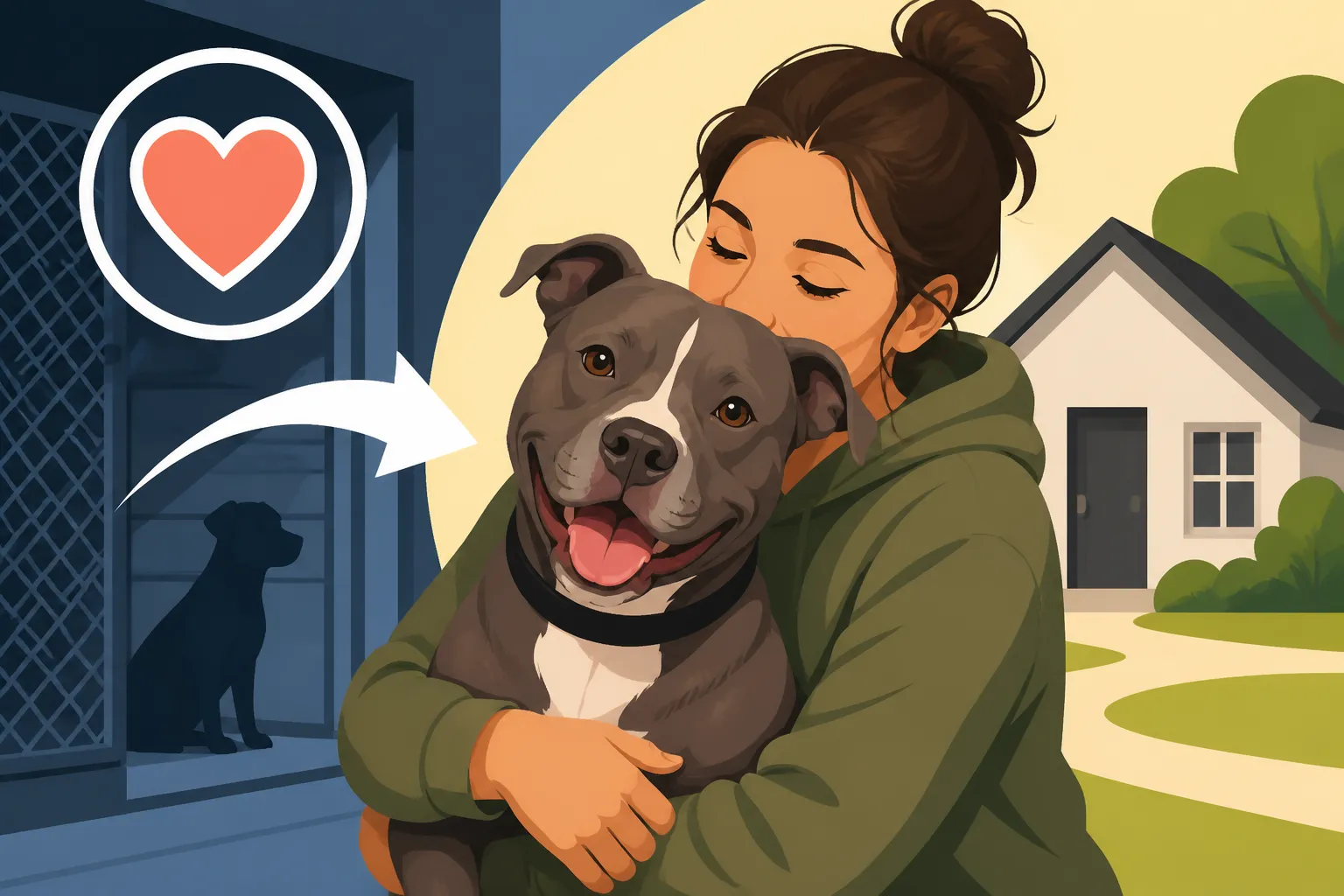
Bringing a shelter Pit Bull home is a journey that requires a significant long-term commitment. These dogs often carry histories that require extra understanding and patience. Be prepared for moments of frustration, setbacks in training, or unexpected vet bills. However, the loyalty, affection, and joy that a well-loved Pit Bull brings to a family are immeasurable.
Your role as an advocate for your Pit Bull is also a lifelong one. Due to enduring stereotypes, you may encounter people who are wary or even fearful. By having a well-behaved, well-socialized dog and being a responsible owner, you become an ambassador for the breed. This means educating others respectfully, adhering to leash laws, and always striving for responsible pet ownership. The bond you forge with a shelter Pit Bull is truly special, built on trust, perseverance, and unconditional love, transforming both your lives for the better.
Here is a quick checklist for bringing your Pit Bull home:
| Task | Importance | Details |
|---|---|---|
| Pre-Adoption Checklist | ||
| Research "Pit Bull" type and traits | High | Understand the various breeds often grouped under this label and common temperamental characteristics. |
| Assess home security (fencing, gates) | High | Ensure your yard is secure; Pit Bulls can be agile. |
| Evaluate lifestyle and time commitment | High | Consider daily exercise, training, and socialization needs. |
| Budget for ongoing costs | High | Food, vet care, training, toys, and potential emergency funds. |
| Research local breed-specific laws | Medium | Check for any restrictions in your city or county on Pit Bull ownership. |
| Shelter Visit Checklist | ||
| Ask about dog's history (if known) | High | Previous home life, interactions with kids/pets, known anxieties. |
| Inquire about medical history | High | Vaccinations, spay/neuter, any existing health conditions or medications. |
| Review behavioral assessments | High | Understand observed temperament, potential triggers, or training needs. |
| Observe body language during meetings | High | Look for signs of relaxation or stress, let the dog approach you. |
| First Week Home Checklist | ||
| Prepare a safe, quiet space | High | Crate or designated room with a comfy bed, water, and chew toys. |
| Establish a consistent routine | High | Regular feeding, potty breaks, and short, positive training sessions. |
| Supervise all interactions | High | Especially with children and other pets; keep initial meetings short and controlled. |
| Keep on leash in yard (initially) | High | Even in a fenced yard, until you are certain they are comfortable and won't bolt. |
| Provide durable, engaging toys | High | To prevent destructive chewing and provide mental stimulation. |
| Schedule a vet check-up | High | Within the first few days/weeks to establish care and address any immediate health concerns. |
Disclaimer
This article is for general informational purposes only and does not constitute professional advice. Laws, prices and regulations vary by location and change over time. Consult a qualified professional for guidance on your specific situation.