Cleaning a Pit Bull Ear Properly
Few things are quite as frustrating as watching your beloved Pit Bull shake their head incessantly or dig at their ears with a paw, all while a less-than-pleasant odor wafts your way. Ear infections and irritation are incredibly common in our deep-chested, often allergy-prone dogs, and knowing how to properly clean their ears can be a game-changer for their comfort and your peace of mind. This comprehensive guide will walk you through everything you need to know, from understanding their unique ear anatomy to the step-by-step cleaning process and how to troubleshoot common issues, helping you keep those ears healthy and happy.
Understanding Your Pit Bull's Ears and Why They Need Special Attention
Pit Bulls, with their generally short coats and athletic builds, might not seem like candidates for chronic ear problems, but their ear structure and common predispositions often make them particularly susceptible. It's not just about a quick swab; it's about understanding why their ears can be a recurring battleground for discomfort.
The Anatomy of a Pit Bull Ear and Common Issues
Your Pit Bull's ear isn't just the floppy or cropped part you see on the outside. Beneath that visible ear flap lies a complex L-shaped ear canal that provides a perfect environment for trouble if not properly cared for. This vertical canal drops down and then takes a sharp turn horizontally before reaching the eardrum. This design, while normal for dogs, makes drainage difficult and traps moisture, debris, and allergens. Imagine trying to clean a long, winding tunnel with a single entrance – that’s pretty much what you’re up against.
Because of this structure, things like yeast, bacteria, or even microscopic mites can set up shop and thrive in the warm, moist conditions. Pit Bulls are also, unfortunately, prone to allergies, which often manifest as itchy, inflamed skin, and the ears are a prime target. When the ear canal itself becomes irritated due to an allergic reaction, it produces more wax and creates an even more hospitable environment for secondary infections. We've talked extensively about Pit Bull Ear Infections and What Drives Them, and often, the root cause links back to these anatomical quirks and underlying sensitivities.
Recognizing the Signs of Ear Trouble
Before you even reach for the cleaning solution, it's crucial to know what you're looking for. Many owners mistakenly think their dog is "just itchy" when, in fact, a full-blown infection is brewing. The earliest signs are often subtle. You might notice your Pit Bull shaking their head a little more than usual, or perhaps rubbing their ear on the furniture or carpet. As things progress, the signs become more obvious and uncomfortable for your dog.
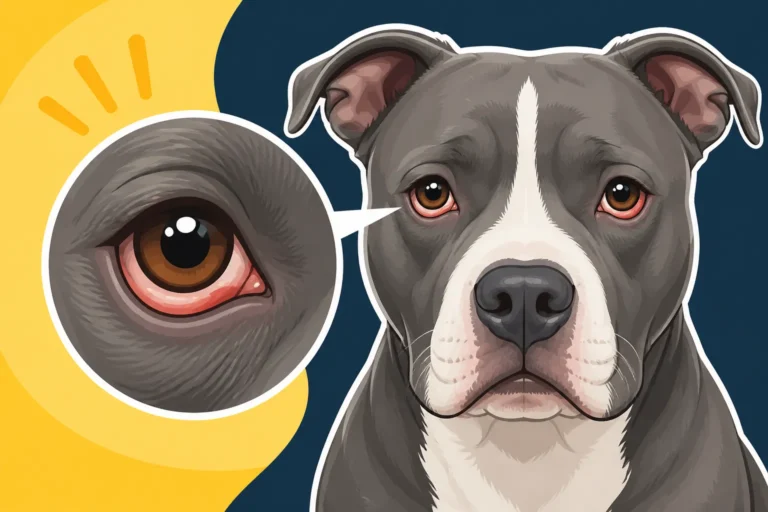
Look out for persistent scratching at the ears or around the head. A distinct, often pungent odor emanating from the ear is a huge red flag – it can smell yeasty, sweet, or just plain foul. Inside the ear, you might see redness or swelling, especially around the ear flap and opening of the canal. Discharge can vary widely, from a dark, waxy buildup that looks like coffee grounds (often associated with yeast or mites) to yellowish or greenish pus (indicating a bacterial infection). Your dog might also hold their head tilted, whimper when you touch their ear, or become unusually sensitive around that area. Catching these signs early, before the problem escalates, can make cleaning much easier and prevent a more serious infection from taking hold.
Essential Tools and Supplies for Proper Ear Cleaning
You wouldn't try to fix a leaky faucet with a butter knife, right? The same goes for ear cleaning. Having the right tools isn't just about effectiveness; it's about ensuring your Pit Bull's comfort and safety throughout the process. Skimping on the proper supplies can lead to frustration for both of you and potentially exacerbate existing ear issues.
Choosing the Right Ear Cleaning Solution
This is perhaps the most critical component of your ear cleaning arsenal. Not all ear cleaners are created equal, and what works for one dog might not be suitable for another, especially if your Pit Bull has sensitive skin or known allergies. Generally, you'll want a solution specifically formulated for canine ears. These solutions are designed to be pH-balanced, non-irritating, and effective at breaking down wax and debris.
Look for ingredients like salicylic acid, lactic acid, or malic acid, which help to gently exfoliate and dry the ear canal, creating an environment less hospitable to yeast and bacteria. Some solutions also contain aloe vera or witch hazel for soothing properties. If your Pit Bull is prone to infections or allergies, a veterinarian-recommended cleaning solution is always the best bet. Avoid anything with alcohol, hydrogen peroxide, or harsh detergents, as these can irritate the delicate skin inside the ear canal and even damage cells. For Pit Bulls prone to allergies, a specialized cleaner that's gentle but effective is crucial. We often discuss Which Ear Solutions Suit an Allergic Pit Bull because it's such a common struggle. When it comes to managing the ongoing costs of these specialized solutions and potential vet visits for chronic issues, pet insurance from providers like Healthy Paws can be a real lifeline for dedicated Pit Bull owners. They can help offset the sometimes significant expenses associated with keeping those ears healthy year-round.
Gathering Your Cleaning Arsenal
Beyond the cleaning solution itself, a few other items will make the process smoother and more effective.
- Cotton Balls or Gauze Pads: These are essential for wiping away debris and excess solution. Steer clear of cotton swabs (Q-tips) for deep cleaning. While they might seem perfect for getting into nooks and crannies, their use in the horizontal canal can push debris further in, potentially damaging the eardrum or compacting wax. Think of them as tools for the visible outer folds only.
- Towels: Keep a few old towels handy. Ear cleaning can be a messy business, especially if your Pit Bull decides to shake their head mid-clean.
- Gloves: Disposable gloves can be helpful, especially if there's discharge or an odor that you'd rather not get on your hands.
- Treats: Plenty of high-value treats! Positive reinforcement is key to making ear cleaning a tolerable, or even enjoyable, experience for your Pit Bull. A distraction during the process can also be beneficial, like a lick mat smeared with peanut butter.
- Flashlight: A small flashlight can help you visualize the outer ear canal and identify any obvious debris or redness.
- A Calm Space: Choose an area where your Pit Bull feels comfortable and secure, like on a mat or a non-slip surface in the bathroom. If they're nervous, avoid slippery floors that might make them feel more anxious.
Having everything laid out and ready before you start will minimize stress and make the cleaning process much more efficient for both you and your furry friend. Remember, consistency and a positive attitude from you will go a long way in conditioning your Pit Bull to accept this necessary routine.
A Step-by-Step Guide to Cleaning Your Pit Bull's Ears
Now that you understand the "why" and have gathered your "what," it's time for the "how." Cleaning your Pit Bull's ears properly isn't a race; it's a careful, methodical process that prioritizes their comfort and safety. Rushing through it can create a negative association, making future cleanings a struggle.
Preparing Your Pit Bull for the Process
Preparation is half the battle when it comes to any grooming task with a strong-willed, intelligent breed like a Pit Bull. Start by creating a calm, positive atmosphere. Choose a time when your dog is relaxed, perhaps after a good walk or a play session when they're a little tired. Avoid approaching them when they're already anxious or agitated.
Gently introduce the ear cleaner and cotton balls. Let your Pit Bull sniff them, offer a treat, and praise them for being curious. The goal is to make these items seem benign, even rewarding. If your dog is particularly sensitive about their ears, start with just handling their ear flaps. Gently stroke them, lift them, and peek inside, always pairing these actions with lavish praise and high-value treats. Keep these initial sessions very short – just a few seconds – and gradually build up the duration. You might spend a week simply getting them comfortable with their ears being touched before you even introduce the cleaning solution. This desensitization process is crucial for long-term cooperation and helps build trust, especially if your Pit Bull has already experienced painful ear infections.
The Cleaning Technique
Once your Pit Bull is calm and accepting of having their ears handled, you're ready to proceed with the actual cleaning.
- Positioning: Have your Pit Bull sit or lie down in a comfortable position. If they're a wiggle worm, having another person gently hold them (and offer treats!) can be incredibly helpful.
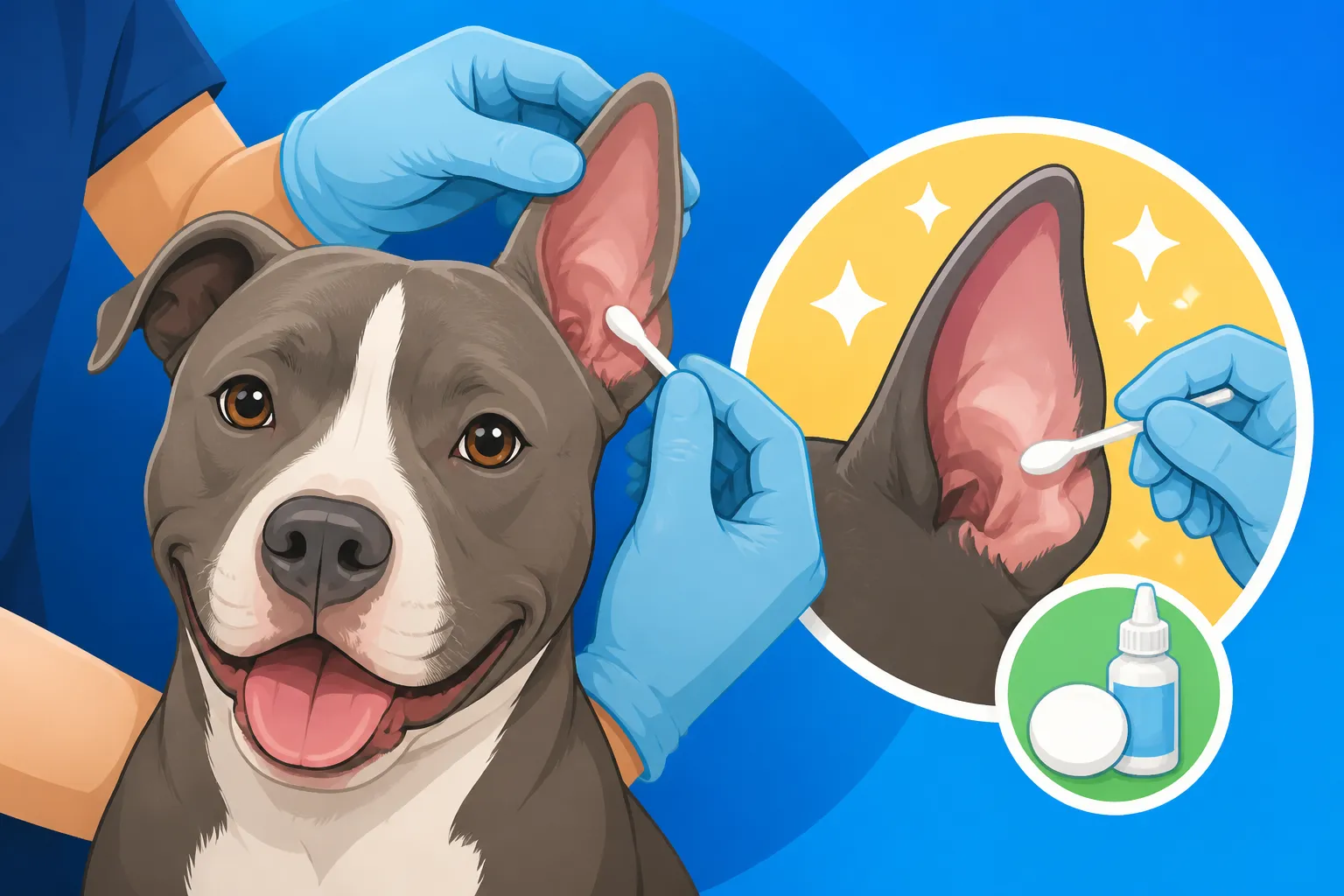
- Lift the Ear Flap: Gently lift their ear flap to expose the opening of the ear canal.
- Apply Solution: Carefully insert the tip of the ear cleaner bottle just into the opening of the ear canal. Do not push it deep into the ear. Squeeze the bottle to fill the ear canal with the cleaning solution. You want to hear a squishing sound, indicating enough solution has entered. For a typical Pit Bull, this usually means a good squirt or two.
- Massage the Base: Keep the ear flap held up and gently massage the base of the ear (the part below the visible opening) for about 20-30 seconds. You should hear that squishing sound again as the solution works its way down the canal and helps break up wax and debris. This massage is vital as it helps dislodge anything stuck deeper in the L-shaped canal.
- Let Them Shake (Carefully): After massaging, step back a little and allow your Pit Bull to shake their head. This is instinctual and helps bring a lot of the loosened debris and excess solution to the surface. Have those towels ready – this is where it can get messy!
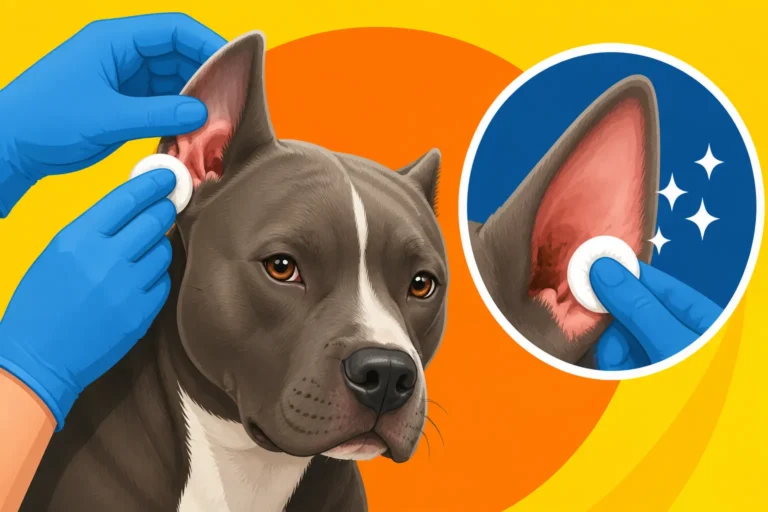
- Wipe Clean: Once they've shaken, take a clean cotton ball or gauze pad and gently wipe the visible parts of the outer ear canal and the ear flap. You'll likely see a lot of brown or yellowish gunk come out. Keep wiping with fresh cotton until no more debris is visible on the cotton. Remember the "no cotton swab deep in the ear" rule. If you feel like you can't get the ear completely clean, or if there's an excessive amount of waxy buildup, it's always best to consult your vet.
It’s important to clean one ear thoroughly before moving on to the next. This allows you to give individual attention and ensures you don't miss anything. If one ear is significantly dirtier or more irritated, focus extra care there.
Post-Cleaning Care and Rewards
The cleaning isn't over when the gunk is gone. Finishing on a positive note is just as important as starting one. After you've wiped the visible parts of the ear, ensure the outer ear is as dry as possible. Any residual moisture can encourage new problems. Some owners use a soft cloth to gently dry the inner folds of the ear flap.
Immediately after cleaning, offer your Pit Bull lavish praise and a highly coveted treat or engage in a quick game of fetch. The more positive reinforcement you provide, the more tolerable – and even anticipated – future cleanings will become. This helps build a strong, positive association with the entire process. Continue to observe your Pit Bull over the next few hours and days. Are they still shaking their head? Is the odor gone? If signs of irritation persist or worsen, it’s a clear signal that a deeper issue might be at play, requiring a veterinary visit. Consistent, positive experiences with ear cleaning contribute immensely to your Pit Bull's overall well-being and willingness to cooperate with necessary health maintenance.
Common Pitfalls and Troubleshooting Ear Cleaning Challenges
Even with the best intentions and the right tools, ear cleaning can sometimes feel like a wrestling match. It's easy to get discouraged when your Pit Bull resists, or when persistent problems just won't clear up. Understanding these common challenges and how to address them can save you a lot of stress and ensure your dog gets the care they need.
Dealing with a Reluctant Pit Bull
It's a common scenario: you've got the solution, the cotton balls, and your Pit Bull is nowhere near as cooperative as you'd hoped. Their strength and stubbornness can make ear cleaning a significant challenge. If your Pit Bull is actively fighting you, pulling away, growling, or even snapping, it's crucial to stop and reassess. Forcing the issue will only create a more negative association and make future attempts harder, potentially leading to fear or aggression towards necessary handling.
Instead, go back to basics. Work on gradual desensitization, as mentioned earlier. Start by just touching their ears for a second, then immediately reward with a treat. Slowly increase the duration of touches, working your way up to lifting the flap, and eventually, touching the cleaning solution bottle to their ear. Keep sessions extremely short and positive. Using a helper to distract with treats while you perform the cleaning can be invaluable. If your dog has a history of painful ear infections, their reluctance is likely rooted in fear or anticipated pain. In these cases, a vet visit is essential first to rule out active infection and pain, as cleaning an already painful ear can be agonizing for your dog. Your vet can provide medication to reduce pain and inflammation before you attempt cleaning. If you're struggling, don't hesitate to seek guidance from a professional dog trainer experienced in cooperative care or a veterinary technician. They can show you techniques for safe restraint and positive reinforcement tailored to your Pit Bull's temperament.
When Cleaning Isn't Enough: Recognizing Deeper Issues
You've followed all the steps, you're consistent, but those ears just aren't improving. Maybe the odor lingers, the discharge returns quickly, or your Pit Bull is still shaking their head and scratching. This is a clear indicator that cleaning alone isn't going to solve the problem; a trip to the veterinarian is absolutely necessary. Persistent ear issues are almost always symptoms of an underlying problem that requires professional diagnosis and treatment.
Common culprits include:
- Active Infections: Bacteria or yeast can multiply rapidly in the ear canal, leading to painful infections that require prescription medication (antibiotics or antifungals), not just a regular cleaner.
- Allergies: This is a huge one for Pit Bulls. Many chronic ear infections are secondary to environmental or food allergies. If your Pit Bull has Pit Bull Ear Infections and Allergy Links, addressing the allergy itself is paramount. This might involve dietary changes, allergy medication like Apoquel or Cytopoint, or even immunotherapy. We've discussed Pit Bull Skin Allergies and the Atopy Pattern in depth, and the ears are a common manifestation of these broader skin sensitivities.
- Foreign Bodies: Sometimes, a grass awn (foxtail), insect, or other small object can get lodged deep in the ear canal, causing immense irritation and pain. This absolutely requires veterinary removal.
- Ear Mites: While less common in adult dogs, ear mites can cause intense itching and a dark, waxy discharge.
- Polyps or Tumors: In rarer cases, growths within the ear canal can cause chronic issues.
A veterinarian will use an otoscope to examine the ear canal thoroughly, check the eardrum, and likely take a swab for cytology (looking at the cells under a microscope) to identify the type of infection. They can then prescribe appropriate medication. When faced with these potentially costly diagnostics and treatments, having pet insurance from a reputable provider like Healthy Paws can significantly ease the financial burden, allowing you to prioritize your Pit Bull's health without added stress.
Maintaining Ear Health Between Cleanings
Preventative care is always better than reactive treatment, and this holds especially true for your Pit Bull's ears. Establishing a consistent routine and being vigilant about changes can drastically reduce the incidence of painful infections and chronic irritation. Think of it as part of their overall wellness plan, just like regular exercise and a balanced diet.
Establishing a Regular Ear Care Routine
How often should you clean your Pit Bull's ears? There's no one-size-fits-all answer, as it depends on your individual dog's predispositions and activity level. For a Pit Bull with healthy, non-itchy ears, a monthly check and cleaning might be sufficient. If they are prone to Pit Bull Atopy and Seasonal Itching or have a history of mild infections, increasing the frequency to once every week or two could be beneficial.
Factors that influence frequency:
- Swimming: If your Pit Bull loves to swim, water can get trapped in that L-shaped canal, creating a prime breeding ground for bacteria and yeast. Cleaning their ears immediately after swimming (or using a drying ear solution) is highly recommended.
- Allergies: Dogs with allergies often benefit from more frequent cleaning, as their ears tend to produce more wax and become inflamed easily.
- Environment: If your Pit Bull spends a lot of time outdoors, especially in dusty or grassy areas, more debris can accumulate, warranting more regular attention.
- Breed Predisposition: Pit Bulls, as we know, are just generally prone to ear issues, making a proactive routine even more important.
It's helpful to incorporate ear checks into your weekly grooming routine. Lift their ear flaps, take a quick sniff, and glance inside. Early detection of redness, odor, or discharge can prevent a minor irritation from escalating into a full-blown infection. Consistency is key – a quick check and occasional cleaning are far less stressful than battling a severe infection.
The Link Between Allergies and Ear Infections
This cannot be stressed enough: for many Pit Bulls, recurrent ear infections are not just "bad luck"; they are often a direct manifestation of underlying allergies. When a Pit Bull experiences an allergic reaction, whether to pollen, dust mites, or certain food ingredients, their immune system overreacts, causing inflammation. This inflammation often targets the skin, and the lining of the ear canal is essentially specialized skin.
When the ear canal becomes inflamed due to allergies, it starts to produce more wax and becomes a warm, moist environment ripe for opportunistic yeast and bacteria to take hold. This leads to that vicious cycle of itching, head shaking (which can even lead to A Pit Bull Ear Swollen From Shaking due to hematomas), and then a full-blown infection. Cleaning helps manage the secondary infection, but if the underlying allergy isn't addressed, the problem will keep coming back.
Recognizing the signs of allergic ear issues often involves looking beyond the ears themselves. Are they also licking their paws, rubbing their face, or experiencing belly irritation? These are all common signs of allergies in Pit Bulls. If you suspect allergies are the root cause, your vet might recommend An Eight Week Food Trial on an Itchy Pit Bull or allergy testing to identify specific environmental triggers. Long-term management might involve antihistamines, prescription allergy medications like Apoquel or Cytopoint, or even allergy shots (immunotherapy). While these treatments can be costly, knowing that pet insurance from providers like Healthy Paws can often help cover the expenses for chronic conditions and specialist visits can provide significant relief for owners committed to managing their Pit Bull's allergies and associated ear problems.
Special Considerations for Different Pit Bull Types and Conditions
While the general principles of ear cleaning remain the same, certain nuances might apply depending on your Pit Bull's specific ear type or if they're grappling with chronic health issues. Tailoring your approach can make a big difference in effectiveness and comfort.
Cleaning Cropped Versus Natural Ears
The decision to crop a Pit Bull's ears is a personal one, but it does introduce different considerations when it comes to ear care.
- Cropped Ears: These ears stand erect, which generally allows for better airflow into the ear canal. This improved ventilation can sometimes mean less moisture retention, potentially reducing the risk of yeast and bacterial overgrowth. However, cropped ears are still susceptible to environmental allergens and can still develop infections. When cleaning a cropped ear, you'll still focus on the visible folds and the ear canal opening. The main difference might be simply less "flap" to lift out of the way, making direct access slightly easier. It's still vital to be gentle and ensure the canal itself is clean and dry. We have a dedicated resource on Cleaning a Cropped Pit Bull Ear Properly for those with specific concerns related to this ear type.
- Natural Ears (Floppy): Most Pit Bulls today have natural, uncropped ears that fold over. These floppy ears can trap more moisture and heat, making them more prone to infections. The folded flap can also obscure the ear canal, making it slightly harder to get a good view or direct the cleaning solution. When cleaning, ensure you gently lift the entire flap out of the way to gain full access to the ear canal opening. Pay extra attention to the underside of the flap and the folds within the ear, as these areas can harbor dirt and debris. Due to the reduced airflow, regular cleaning and thorough drying are even more critical for Pit Bulls with natural ears.
Regardless of whether your Pit Bull's ears are cropped or natural, the primary goal remains the same: to keep the ear canal clean, dry, and free from irritation. Always adapt your technique to ensure you are being gentle and effective without causing discomfort or injury.
Addressing Chronic Ear Problems
For some Pit Bulls, ear problems aren't an occasional nuisance but a chronic, recurring battle. If your dog consistently suffers from ear infections, despite your best cleaning efforts, it's time to shift from simple cleaning to a more comprehensive management strategy in partnership with your veterinarian. This can feel incredibly draining, both emotionally and financially, but there are ways to approach it.
Chronic ear issues often point to a deeper, underlying cause that needs to be identified and managed. This typically involves:
- Aggressive Diagnostics: Your vet might recommend sedated otoscopic exams for a better view, deep ear flushes, bacterial cultures to identify specific pathogens, and in some cases, advanced imaging like CT scans if polyps or tumors are suspected.
- Allergy Management: As discussed, allergies are huge. This could mean prescription diets (if food allergies are suspected), long-term allergy medications, or immunotherapy. This is often where owners feel the most frustration, as finding the right allergy management plan can be a long road of trial and error.
- Specialist Referrals: For severe, intractable cases, your vet might refer you to a veterinary dermatologist or an internal medicine specialist. These specialists have advanced tools and knowledge to tackle complex cases.
- Long-Term Medication: Some Pit Bulls with severe chronic inflammation might require ongoing low-dose steroids or other anti-inflammatory medications to keep their ears comfortable.
The financial strain of managing chronic ear problems can be significant. Repeated vet visits, diagnostic tests, prescription medications, and potentially specialist consultations can add up quickly. This is where a robust pet insurance plan, such as one from Healthy Paws, becomes invaluable. Policies often cover diagnostics, specialist visits, and medications for chronic conditions, providing crucial financial support and ensuring your Pit Bull receives the continuous, high-level care they need to live comfortably, even with persistent health challenges. Don't give up on finding a solution for your furry friend; while challenging, chronic ear issues are often manageable with the right approach and dedicated care.
| Item | Purpose | Usage for Pit Bull Ear Cleaning | Important Notes |
|---|---|---|---|
| Canine Ear Cleaner | Dissolves wax, dries canal, fights microbes | Fill canal, massage, allow shake. Use vet-approved, non-irritating formulas. | Avoid alcohol, peroxide. Choose solutions for allergies if applicable. Consult vet for severe infections. |
| Cotton Balls/Gauze | Wiping debris, excess solution | Wipe visible outer ear, folds, ear flap. | NEVER use cotton swabs deep in the ear canal – only for outer folds. |
| Soft Towels | Catching solution, drying, comfort | Keep handy for shaking. Place under your Pit Bull for mess control. | Old towels are best, as they might get stained. |
| High-Value Treats | Positive reinforcement, distraction | Offer generously before, during, and especially after cleaning. | Makes the experience positive, building cooperation for future sessions. |
| Disposable Gloves | Hygiene, protection from odor/discharge | Optional, but recommended if ears are very dirty or infected. | Keeps your hands clean and reduces contact with potential irritants. |
| Small Flashlight | Visual inspection | Helps you see inside the outer ear canal more clearly. | Useful for spotting redness, foreign bodies, or excessive buildup. |
| Calm Space | Reduces stress for your Pit Bull | Choose a quiet, comfortable area where your dog feels secure. | Avoid slippery floors; consider a mat or rug. |
Disclaimer
The information provided in this guide is for general informational purposes only and does not constitute veterinary advice. Always consult with a qualified veterinarian for any health concerns or before starting any new treatment or care routine for your Pit Bull. Prompt professional attention is essential for ear infections or persistent irritation.