Cleaning a Cropped Pit Bull Ear
Caring for a Pit Bull with cropped ears comes with its own specific set of considerations, and neglecting the unique needs of these ears can unfortunately lead to discomfort, irritation, and even painful infections for your beloved companion. Many owners struggle with how to properly maintain them, often feeling unsure about the right tools or techniques. This guide aims to demystify the process, providing clear, empathetic steps to keep your Pit Bull's cropped ears healthy and clean.
Understanding the Unique Challenges of Cropped Pit Bull Ears
When we talk about cropped ears, we're discussing an aesthetic modification that, while popular in some circles, fundamentally alters the natural design of a dog's ear. This change, while often done with good intentions or breed standards in mind, does come with practical implications for ear hygiene that owners need to be aware of and actively manage.
Why Cropped Ears Need Special Attention
Unlike natural, floppy ears that often hang down, shielding the ear canal and potentially trapping some moisture, cropped ears stand upright. While this might seem like it would allow for better airflow and prevent moisture buildup, the reality is a bit more nuanced. The surgical alteration can sometimes create new nooks and crannies or scar tissue that can be harder to clean effectively. Moreover, without the protective flap of a natural ear, the ear canal is more exposed to dust, dirt, and foreign debris, which can settle in more easily.
The delicate skin inside the ear canal and around the edges of the crop can also be more sensitive to environmental factors. Regular checks are crucial because issues can escalate quickly. Think of it like a small, intricate architectural feature on your house—it looks sharp, but it also requires specific maintenance to prevent problems that might not affect a simpler design. We need to respect the change and adapt our care routine accordingly.
Common Issues in Cropped Ears
Because of these unique structural changes, cropped ears can be prone to certain problems. One of the most common adversaries is the dreaded ear infection. Without proper cleaning, a buildup of wax, dirt, and moisture can create a perfect breeding ground for bacteria and yeast. You might notice your dog shaking their head more, scratching at their ears, or even holding one ear at a strange angle. These are all red flags that something isn't quite right.
Another frequent concern is simple irritation or inflammation, often around the edges of the crop itself. Sometimes this is due to friction, or perhaps a residual sensitivity from the surgical site. Left unaddressed, this can turn into a nasty open sore or a secondary bacterial infection. It’s also worth noting that many Pit Bulls are predisposed to skin sensitivities and allergies, which can manifest as ear problems regardless of whether their ears are cropped. If your Pit Bull is already dealing with widespread issues like Pit Bull Skin Allergies and the Atopy Pattern or Pit Bull Paw Licking and Chewing, their ears might be more susceptible to irritation too. Regular, thorough, but gentle cleaning becomes an even more critical line of defense.
Gathering Your Essential Ear Cleaning Tools
Before you embark on your ear cleaning mission, it’s vital to have all your supplies ready and within arm’s reach. This isn’t just about convenience; it’s about making the process as smooth and stress-free as possible for both you and your Pit Bull. Fumbling around for supplies midway through can turn a potentially calm experience into a chaotic one.
Selecting the Right Ear Cleaning Solution
This is perhaps the most critical item on your list. Not all ear cleaners are created equal, and choosing the right one for your Pit Bull’s cropped ears is paramount. You'll generally want a veterinary-approved ear cleaning solution. Many excellent options are available, often containing ingredients that help break down wax, dry the ear canal, and even provide mild antiseptic properties. Look for solutions that are pH-balanced and free from harsh chemicals or alcohol, which can irritate sensitive ear skin, especially around the scar tissue of a cropped ear.
Some popular brands formulate solutions specifically for dogs with sensitive ears or those prone to yeast and bacterial issues. If your Pit Bull has a history of recurrent ear infections, your vet might recommend a specific medicated cleaner. Always chat with your veterinarian about which solution they recommend for your particular dog. They might suggest a product with a drying agent if your dog frequently swims or if moisture is a recurring problem, or an antiseptic one if mild bacterial issues are often present. You’ll want to be proactive with their ear health, and knowing that potential issues like ear infections can be costly, having a robust pet insurance plan like those offered by Healthy Paws might provide peace of mind for unexpected vet bills. Regular preventative care, including proper ear cleaning, can certainly help minimize those instances.
Other Must-Have Supplies
Beyond the cleaning solution, you’ll need a few other items to ensure a successful and hygienic cleaning session.
- Cotton Balls or Gauze Pads: These are ideal for wiping away debris and excess solution. Avoid cotton swabs (Q-tips) for probing deep into the ear canal, as they can push debris further in or damage the delicate structures of the inner ear. Only use them for cleaning the outer folds and visible parts of the ear.
- Soft Towels: Have a couple of clean, soft towels ready. One can be used to drape over your shoulder or lap to protect your clothes from splashes, and the other for gently drying the ear afterwards.
- Plenty of High-Value Treats: This isn't just a suggestion; it’s a necessity for creating a positive association with ear cleaning. Whether it's small pieces of cheese, boiled chicken, or their absolute favorite store-bought treats, have them ready to reward cooperation.
- Headlamp (Optional but Recommended): A small headlamp can be incredibly helpful, especially if you’re cleaning in an area with less-than-perfect lighting. It allows you to clearly see inside the ear canal and ensures you don't miss any spots.
- Gloves: If you're sensitive to the cleaning solution or just prefer to keep your hands clean, a pair of disposable gloves can be useful.
Having everything laid out means you can focus entirely on your Pit Bull, keeping the experience calm and efficient.
A Step-by-Step Guide to Cleaning Your Pit Bull's Cropped Ears
Now that you have all your tools ready, let's walk through the actual cleaning process. Remember, the goal is not just cleanliness, but also to make this a positive or at least neutral experience for your Pit Bull. Force and anxiety will only make future cleanings harder.
Creating a Calm and Positive Experience
Before you even touch an ear, set the stage for success. Choose a quiet time when your Pit Bull is relaxed. Avoid trying this when they are overly energetic or stressed. A calm environment, perhaps with some soothing music or a quiet room, can make a huge difference. Start by gently handling their ears outside of cleaning time, offering treats and praise. This desensitization will pay dividends.
During the actual cleaning, maintain a calm, reassuring demeanor. Speak in a gentle, encouraging tone. Show them the supplies, let them sniff the ear cleaner (briefly, just for curiosity), and give them a treat before you even start. The aim is for them to associate the presence of the cleaning supplies and your handling of their ears with good things. If your Pit Bull gets squirmy or anxious, take a short break, offer more treats, and try again. Never punish them for being uncomfortable; that will only make the situation worse next time. This positive reinforcement approach is key for all handling, much like in general Training a Pit Bull to a Higher Standard Than Other Dogs.
The Gentle Cleaning Process
With your Pit Bull calm and cooperative (or at least tolerant), it's time to get down to business.
- Positioning: Have your Pit Bull sit or lie down comfortably. You might sit on the floor with them, or have them on a sturdy table if they're used to it (and if it's safe). Gently hold the ear flap (the cropped portion) upright to expose the ear canal.
- Applying the Solution: Carefully squirt the vet-approved ear cleaning solution directly into the ear canal until it's full or nearly full. Don't be shy; it needs to reach deep enough to loosen debris. For most Pit Bulls, a full squeeze of the bottle is appropriate.
- Massaging the Ear: This is crucial. Gently but firmly massage the base of the ear, just below the opening of the canal, for about 20-30 seconds. You should hear a squishy sound as the solution works its way around and dislodges wax and debris. This part often feels good to dogs, so many will tolerate it well.
- Allowing the Shake: Step back and let your Pit Bull shake their head vigorously. This action helps to bring loosened debris and excess solution to the outer ear. Be prepared for a spray of liquid – this is where your towel comes in handy!
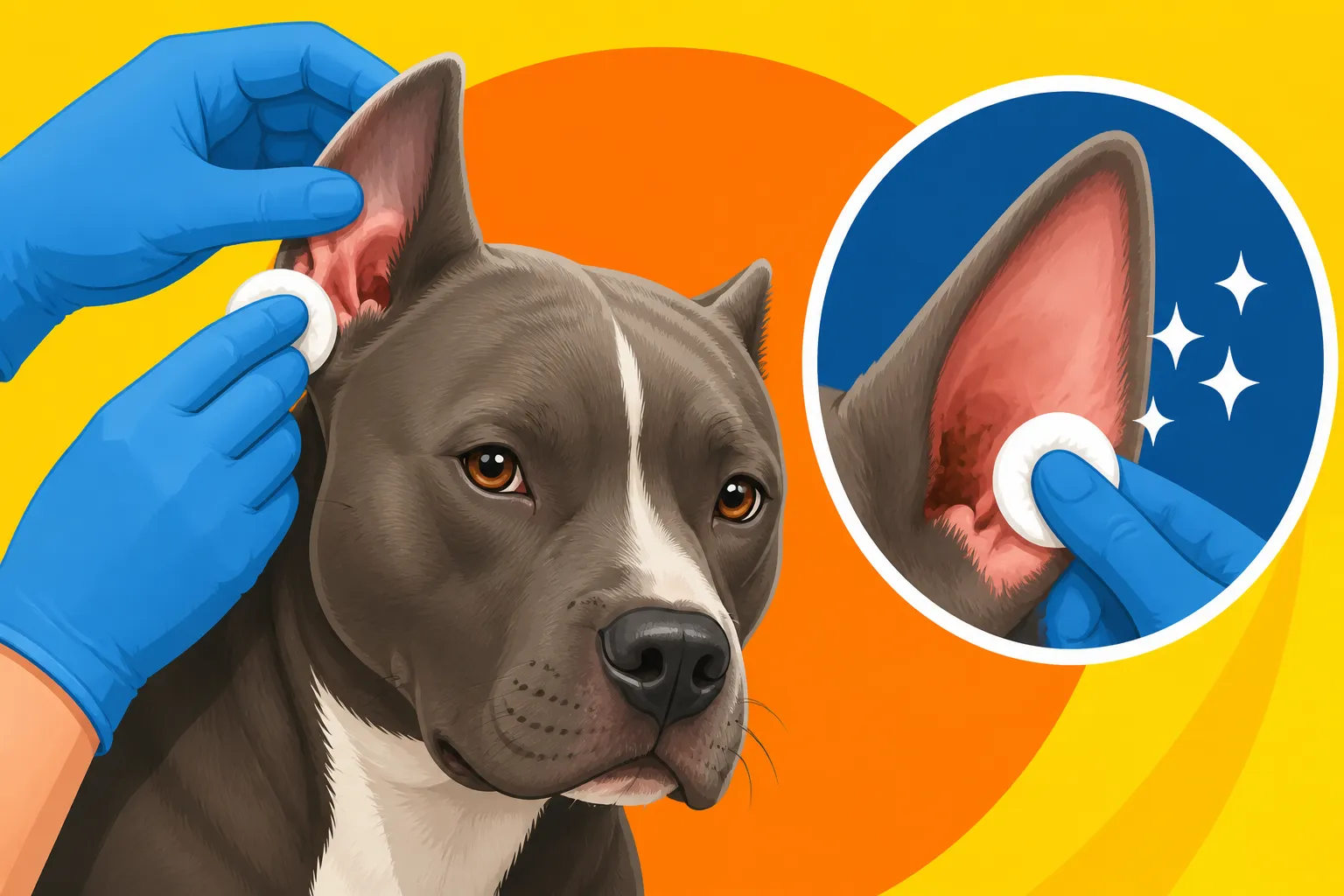
- Wiping Away Debris: After they've shaken, use a fresh cotton ball or gauze pad to gently wipe away any visible solution and debris from the outer ear and the folds of the cropped ear. Work from the inside out. Remember, no cotton swabs deep into the canal! Only clean what you can clearly see.
- Repeat (if necessary): If the ear is particularly dirty, you might need to repeat steps 2-5 with a fresh cotton ball or pad until the discharge on the cotton comes out clean.
- Dry Thoroughly: Once clean, use a dry, soft towel or fresh cotton ball to gently dry the outer ear and the inside of the ear flap as much as possible. Moisture left behind can contribute to yeast growth, so drying is an important step, especially if your dog tends to get Pit Bull Ear Infections Every Few Months.
- Reward, Reward, Reward!: Shower your Pit Bull with praise and plenty of those high-value treats for their cooperation. Make the end of the session a truly positive experience.
When to Seek Professional Help
Even with the most diligent cleaning routine, sometimes issues arise that are beyond home care. It's vital to know when to put down the ear cleaner and pick up the phone to call your vet. You should contact your veterinarian immediately if you notice any of the following:
- Strong, Unpleasant Odor: A foul smell coming from the ear often indicates an infection.
- Excessive Redness or Swelling: More than just a slight pinkness from the cleaning itself.
- Pain or Tenderness: If your Pit Bull cries out, flinches, or acts aggressively when their ear is touched, it’s a sign of significant discomfort.
- Thick, Dark, or Pus-like Discharge: While some light brown wax is normal, dark, waxy, or yellowish-green discharge is indicative of infection.
- Constant Head Shaking or Scratching: Persistent symptoms despite cleaning.
- Lethargy or Loss of Appetite: General signs of illness that might accompany a severe ear infection.
These symptoms could point to a bacterial or yeast infection, foreign body, or even something more serious like a ruptured eardrum, which requires professional diagnosis and treatment. Prompt veterinary attention can prevent minor issues from becoming chronic and painful problems. Remember, your vet is your best partner in managing your Pit Bull’s health, and early intervention is always better. Pet insurance providers like Healthy Paws can be invaluable here, helping to cover unexpected veterinary costs for conditions like severe ear infections or chronic allergies.
Preventing Future Ear Problems in Cropped Ears
An ounce of prevention is worth a pound of cure, especially when it comes to ear health. By being proactive and consistent, you can significantly reduce the likelihood of your Pit Bull developing painful ear problems, even with their uniquely cropped ears.
Establishing a Regular Cleaning Schedule
Consistency is key. For most Pit Bulls with cropped ears, a weekly to bi-weekly cleaning schedule is a good starting point. However, this isn't a one-size-fits-all rule. Some dogs, particularly those prone to allergies or who spend a lot of time outdoors, might need more frequent cleaning, perhaps even two or three times a week. Others, with naturally cleaner ears, might be fine with less.
The best way to determine the ideal schedule is to observe your dog and consult with your vet. After a few weeks of regular cleaning, you'll start to notice how quickly their ears get dirty. If you consistently find a lot of buildup, increase the frequency. If they stay quite clean, you might be able to stretch the time between cleanings a bit. Always err on the side of slightly more frequent cleaning rather than less. A good habit can also be to clean their ears after activities that might introduce debris, such as a dusty hike or a playful session in the backyard.
Environmental and Dietary Considerations
Your Pit Bull’s environment and diet play a significant role in their overall health, including their ear health. Humidity can be a culprit, as it creates a moist environment conducive to yeast growth. If you live in a humid climate, or if your dog loves to swim, extra attention to drying their ears thoroughly after exposure to water is paramount. You might even consider using an ear drying solution recommended by your vet.
Diet is another huge factor, especially for Pit Bulls. Many Pit Bulls suffer from allergies – environmental or food-related – and these often manifest as itchy skin and recurrent ear infections. If your Pit Bull is constantly battling ear issues, it's worth exploring potential underlying allergies. A vet can help you with Pit Bull Skin Allergy Testing or suggest An Eight Week Food Trial on an Itchy Pit Bull to identify potential triggers. Switching to a limited ingredient diet or incorporating Omega-3 fatty acids, under vet guidance, can sometimes make a world of difference for dogs with chronic ear problems stemming from allergies. For more detailed advice on this, you might explore articles like Whether Allergies Cause Pit Bull Ear Infections or Which Ear Solutions Suit an Allergic Pit Bull.
Observing for Early Warning Signs
Between cleanings, it's important to be an attentive owner and keep an eye out for any subtle changes that could signal an emerging problem. Quick intervention can often prevent a full-blown infection.
- Increased Head Shaking or Scratching: This is usually the first sign. Even if it's only occasional, it's worth a closer look.
- Rubbing Ears on Furniture or Carpet: Your Pit Bull might try to relieve itchiness by rubbing their ears against surfaces. A Pit Bull Rubbing Its Face on the Carpet can often signal an ear problem or allergies.
- Redness or Swelling: A quick visual check during petting sessions can catch redness on the outer ear or within the visible canal.
- Odor: A healthy ear has a very faint, neutral smell. Any noticeable odor, especially a cheesy or yeasty one, is a red flag.
- Discharge: Check for any discharge on the ear flap or just inside the canal.
- Sensitivity: If your dog flinches when you touch their ear, even lightly, it's a sign of pain or discomfort.
Making these quick observations a part of your daily routine – perhaps during morning greetings or evening cuddles – will help you catch issues early. Remember, dogs are masters at hiding discomfort, so being proactive in your observation is a testament to your loving care.
Common Pit Bull Ear Issues and Signs to Watch For
Here's a quick overview of some common ear problems in Pit Bulls, especially those with cropped ears, and the signs that should prompt you to call your vet.
| Ear Issue | Common Signs | What it Means |
|---|---|---|
| Bacterial Infection | Yellowish-green discharge, strong foul odor, redness, swelling, pain | Overgrowth of bacteria, often secondary to moisture or allergies. |
| Yeast Infection | Dark brown/black waxy discharge, sweet/yeasty odor, itching, redness | Overgrowth of yeast, common in moist environments or allergic dogs. |
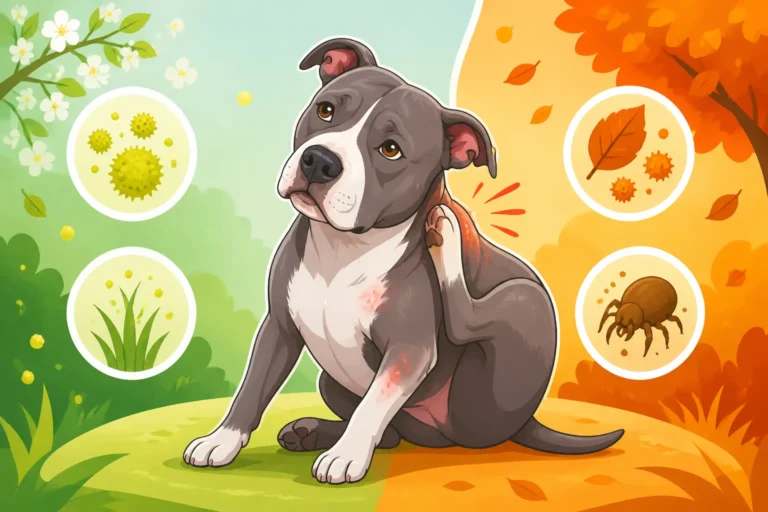
| Allergies | Frequent itching, head shaking, paw chewing, general skin irritation, recurring infections | Underlying environmental or food allergies causing inflammation and itchiness. |
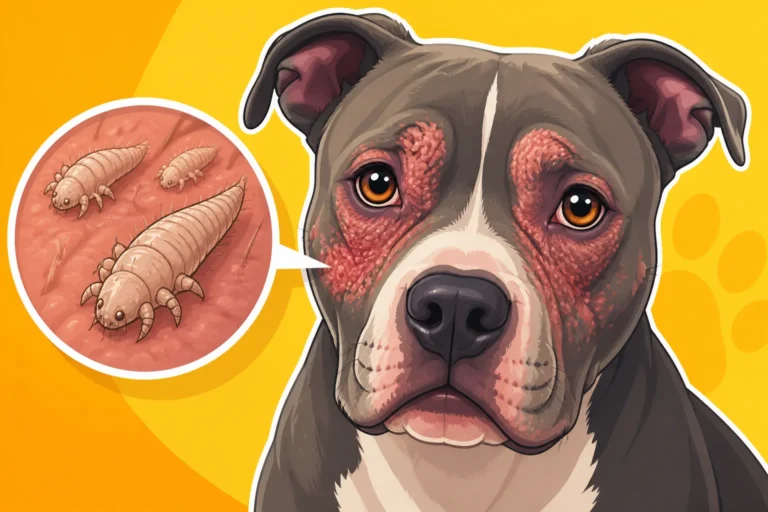
| Ear Mites | Dark, crumbly "coffee ground" discharge, intense itching, head shaking | Tiny parasites causing irritation; highly contagious. (More common in puppies) |
| Hematoma | Swollen, fluid-filled ear flap (like a balloon), often warm to touch, pain | Blood vessel rupture from excessive head shaking or scratching due to an underlying issue. |
| Foreign Body | Sudden, intense head shaking, pawing at ear, pain, discharge in one ear | Something lodged in the ear canal (e.g., grass awn, insect). |
Disclaimer
This guide offers general information and recommendations for cleaning cropped Pit Bull ears and is not a substitute for professional veterinary advice. Always consult with your veterinarian for specific concerns about your pet's health, diagnosis, and treatment plans. Ear cropping is a surgical procedure, and any ongoing issues related to the crop itself should be discussed with a veterinary professional.