Pit Bull Cerebellar Ataxia and the DNA Test
It's absolutely heartbreaking when you see your strong, vibrant Pit Bull suddenly start stumbling, losing their balance, or struggling with movements that used to be second nature. That sudden shift from a confident stride to an unsteady gait can fill any loving owner with immediate fear and confusion. This guide is here to walk you through understanding cerebellar ataxia in Pit Bulls, especially the specific form known as Neuronal Ceroid Lipofuscinosis Type A (NCL-A), and how a crucial DNA test can help identify, manage, and even prevent this devastating genetic condition.
Understanding Cerebellar Ataxia in Pit Bulls
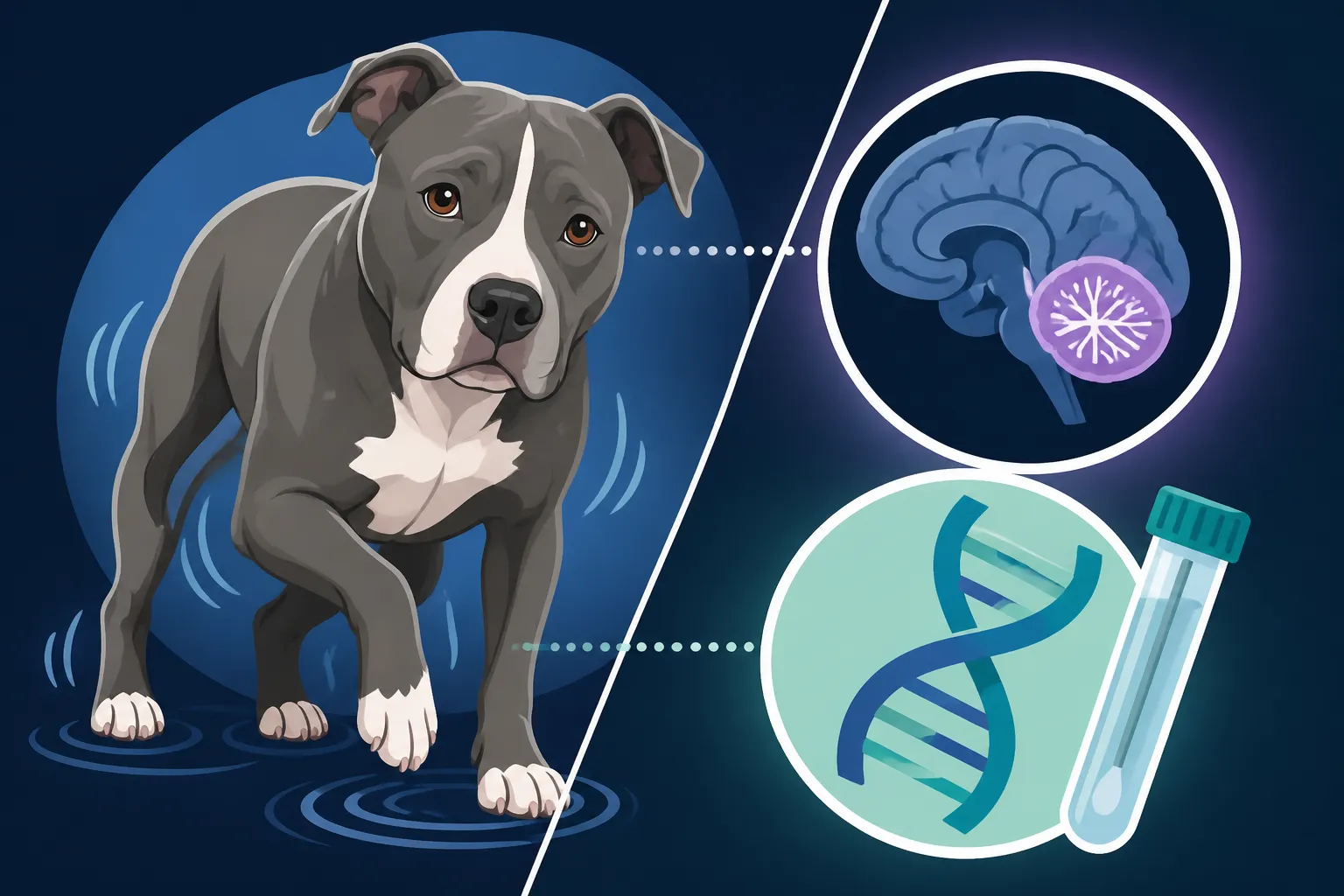
Cerebellar ataxia is a neurological disorder that affects coordination, balance, and fine motor skills. In Pit Bulls, specifically the American Pit Bull Terrier and American Staffordshire Terrier lines, there's a particular inherited form called Neuronal Ceroid Lipofuscinosis Type A (NCL-A). This isn't just a generic clumsiness; it's a progressive and serious condition that targets the cerebellum, the part of the brain responsible for coordinating voluntary movements, balance, and posture.
The Role of the Cerebellum
Imagine your dog's brain as a highly sophisticated command center. The cerebellum is like the super-efficient air traffic controller, making sure all the signals from the brain to the muscles happen smoothly and precisely. It doesn't initiate movement, but rather refines it. When your Pit Bull decides to run, jump, or even just lift a paw, the cerebellum ensures those actions are fluid, balanced, and appropriately scaled. It's why they can navigate rough terrain, play enthusiastically, and maintain their powerful, athletic physique.
When the cerebellum isn't functioning correctly due to ataxia, this "air traffic controller" is compromised. The signals get scrambled, timing is off, and the result is a loss of coordination that can range from subtle unsteadiness to severe tremors and an inability to stand. It's a cruel condition that slowly robs our dogs of their physical capabilities, making even simple tasks profoundly difficult. Understanding this foundational role helps us grasp the severity of what ataxia does to a Pit Bull.
Specifics of Pit Bull NCL-A Ataxia
The NCL-A form of cerebellar ataxia in Pit Bulls is caused by a specific genetic mutation. It's an autosomal recessive disorder, which means a puppy must inherit two copies of the defective gene – one from each parent – to be affected. If a dog inherits only one copy, they are considered a "carrier" and won't show symptoms themselves, but they can pass the gene on to their offspring. This is a critical point for breeders, as seemingly healthy parents can unknowingly produce affected puppies.
The disease typically manifests in young Pit Bulls, often between three to five years of age, though symptoms can appear earlier or later. It's a neurodegenerative condition, meaning the nerve cells in the cerebellum progressively die off. This isn't something that gets better or stays static; it worsens over time. Knowing this upfront, while difficult, helps owners prepare for the challenging journey ahead and make informed decisions about their dog's care. It’s also why understanding What a Carrier Ataxia Result Means for a Pit Bull is so important for those involved in breeding or who own a carrier.
Recognizing the Signs of Ataxia
The early signs of cerebellar ataxia can be incredibly subtle, often mistaken for simple clumsiness or a momentary lapse in attention. But as the condition progresses, these signs become more pronounced and truly alarming. It’s important to pay close attention to any changes in your Pit Bull's movement, especially given their naturally robust and agile build.
Early Indicators and Progression
Typically, the first symptoms an owner might notice are a slight lack of coordination, a wobbly gait, or an exaggerated high-stepping walk, often described as "goose-stepping." Your Pit Bull might stumble occasionally, particularly when turning corners or moving quickly. They might miss toys when trying to grab them or have trouble judging distances. You might see a head tremor, especially when they focus on something or try to eat and drink. These initial signs are easy to dismiss, but for an owner familiar with their dog's normal powerful movements, they can be a red flag.
As NCL-A ataxia progresses, these symptoms become much more severe. The unsteadiness will increase, leading to frequent falls. Your dog might struggle to stand up after lying down, and their legs could splay out. Tremors may become constant, affecting their entire body, making it difficult for them to eat, drink, or even just relax. Their balance will deteriorate to the point where they can no longer walk without significant support. This progression is heartbreaking to witness, as a once athletic dog like a Pit Bull, known for its Pit Bull Weight and Muscle on a Working Frame, slowly loses its ability to move independently.
Differentiating from Other Conditions
It's crucial to understand that not every stumble or tremor indicates cerebellar ataxia. Other conditions can mimic some of these symptoms, making a proper veterinary diagnosis essential. For instance, an ear infection can cause balance issues, certain toxins or medications can lead to neurological signs, and orthopedic problems like Pit Bull Hip Dysplasia Showing at One to Two Years can manifest as lameness or an altered gait. Even simple aging can bring about changes, leading owners to wonder When a Pit Bull Starts Slowing Down.
Your veterinarian will need to perform a thorough neurological exam, which includes checking reflexes, balance, gait, and coordination. They will likely ask detailed questions about the onset and progression of symptoms, your dog's medical history, and any recent changes in their environment or diet. This comprehensive evaluation helps rule out other potential causes and points towards the need for more specific testing, like the DNA test for NCL-A, to confirm the diagnosis. Don't self-diagnose based on symptoms alone; always consult with a vet to get an accurate assessment.
The Role of DNA Testing
DNA testing has revolutionized how we diagnose and manage genetic diseases in dogs, and NCL-A cerebellar ataxia in Pit Bulls is a prime example. This simple test provides definitive answers, empowering owners and breeders to make informed decisions for their dogs' health and the future of the breed.
How the NCL-A DNA Test Works
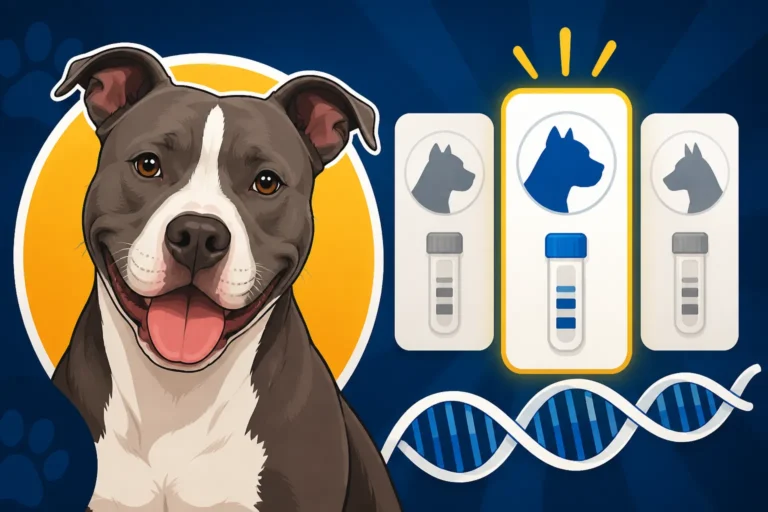
The NCL-A DNA test is a straightforward and non-invasive procedure, typically requiring a buccal swab (a fancy term for a cheek swab) or a small blood sample. This sample is sent to a specialized veterinary genetics laboratory, where scientists analyze your Pit Bull's DNA for the specific mutation known to cause NCL-A. It's like checking a specific word in a vast book for a known typo.
The test identifies whether your dog carries the gene associated with NCL-A cerebellar ataxia. Labs like Optimal Selection or Animal Genetics offer these tests, providing reliable results quickly. This test can be performed at any age, even on young puppies, offering peace of mind or early warning for owners and crucial information for breeders. This is a vital tool, especially as part of What Testing a Pit Bull Breeder Should Have Done to ensure responsible breeding practices.
Interpreting the Results
Once your Pit Bull's DNA sample is analyzed, you'll receive one of three possible results, each with significant implications:
- Clear/Normal: This means your Pit Bull does not carry the NCL-A mutation and cannot develop the disease or pass it on to its offspring. This is the ideal result for both pet owners and breeders.
- Carrier (Affected Heterozygous): Your Pit Bull carries one copy of the NCL-A mutation but will not develop symptoms of the disease themselves. However, they can pass the gene to 50% of their puppies. This result is crucial for breeders to prevent accidentally producing affected puppies. For pet owners, it means their dog won't get sick from this specific ataxia, but if they were to breed them, careful selection of a "clear" mate would be essential. To dive deeper into this, you might find What a Carrier Ataxia Result Means for a Pit Bull particularly helpful.
- Affected (Affected Homozygous): This means your Pit Bull has inherited two copies of the NCL-A mutation (one from each parent) and will develop the disease. While the test doesn't predict the exact age of onset or severity, it confirms the genetic predisposition. This diagnosis is devastating, but it allows owners to prepare for the challenges ahead and work with their vet on managing the condition and ensuring the best possible quality of life.
Here’s a quick summary of what these results mean:
| Test Result | Genetic Status | Clinical Signs | Breeding Implication (if applicable) |
|---|---|---|---|
| Clear/Normal | Two normal genes | Will not develop Ataxia | Can be bred to any dog; all offspring will be clear or carriers. |
| Carrier | One normal gene, one mutated gene | Will not develop Ataxia | Should only be bred to a "Clear" dog to avoid producing affected puppies. |
| Affected | Two mutated genes | Will develop Ataxia | Should not be bred. |
This DNA test, specifically The NCL-A DNA Test for a Pit Bull Line, is invaluable. It removes the guesswork, allowing for early intervention, ethical breeding decisions, and ultimately, a better future for Pit Bulls susceptible to this condition.
Managing Ataxia and Supporting Your Pit Bull
Receiving an "affected" diagnosis for NCL-A cerebellar ataxia is incredibly challenging, but it doesn't mean the end of hope. While there is currently no cure, there are many ways to manage the symptoms, improve your Pit Bull's quality of life, and provide the loving support they need as the disease progresses. This journey requires patience, dedication, and a strong partnership with your veterinary team.
Treatment Options and Palliative Care
Since NCL-A is a progressive neurodegenerative disease, treatment focuses primarily on palliative care – managing symptoms and maintaining comfort. This might include medications to help with tremors, reduce anxiety, or alleviate any associated pain if the dog is straining their muscles constantly trying to maintain balance. Your vet might also suggest antioxidants or supplements that support neurological health, though their efficacy in slowing the progression of NCL-A is not definitively proven.
Environmental modifications are often key. Creating a safe, easily navigable space for your Pit Bull can make a huge difference. This means removing tripping hazards, providing non-slip rugs on hard floors, and ensuring their food and water bowls are easily accessible. Ramps can help them get onto furniture or into cars if they can still manage some movement. As mobility decreases, supportive harnesses (like those with handles over the hips) can help you assist them with walking and standing. Regular communication with your vet, exploring options for physical therapy, and discussing quality-of-life considerations are ongoing necessities.
Enhancing Quality of Life
Beyond medical management, actively working to enhance your Pit Bull's daily quality of life is paramount. This means focusing on their mental enrichment even as their physical abilities decline. Puzzle toys, scent games, and short, gentle training sessions (if they're still able) can keep their minds engaged and prevent boredom and frustration. Think about ways to adapt their favorite activities. If they loved chasing a ball, maybe a gentle game of "find the treat" in the house can be a good substitute.
Physical therapy, even simple assisted exercises at home, can help maintain muscle mass and flexibility for as long as possible. Massage can also be incredibly soothing. Many owners find great benefit from mobility aids like supportive slings, carts, or even wheelchairs designed for dogs, allowing their Pit Bull to continue experiencing the world. Investing in pet insurance like Healthy Paws can be a real lifesaver here, as ongoing physical therapy, medications, and specialized equipment can quickly add up. They often cover accidents and illnesses, which can be a huge comfort when faced with chronic conditions like ataxia. Remember that Pit Bull Mobility Aids in Old Age can be adapted for dogs with ataxia, regardless of age. Creating a calm, predictable routine also helps, as sudden changes can be disorienting for a dog with neurological challenges.
Breeding Responsibly and Preventing Ataxia
The most powerful tool we have against genetic diseases like NCL-A cerebellar ataxia is responsible breeding. Understanding the genetics and utilizing DNA testing allows breeders to make informed decisions that can prevent the birth of affected puppies and gradually reduce the prevalence of the gene in the Pit Bull population.
Ethical Breeding Practices
For any breeder, the health of their puppies should be a top priority. Ethical breeding practices for Pit Bulls, especially concerning NCL-A, demand that all breeding dogs be DNA tested for this specific condition. Reputable breeders will not only test their dogs but will be transparent about the results, providing proof to potential buyers. A "clear" result is always preferred for breeding animals. If a dog tests as a "carrier," it can still be bred, but only to a dog that has tested "clear." This pairing ensures that no affected puppies are produced, though approximately half of the puppies will still be carriers.
The goal isn't necessarily to eliminate all carriers from the breeding pool overnight, as some carriers might possess other desirable traits (temperament, conformation) that are valuable to the breed. Instead, it's about making educated pairings to ensure no affected puppies are born. This careful approach helps maintain genetic diversity while actively working to reduce the incidence of debilitating diseases. It's a key part of what truly defines What Testing a Pit Bull Breeder Should Have Done before planning any litter.
Screening and Genetic Counseling
Beyond NCL-A, responsible breeders will also screen for other common health issues in Pit Bulls, such as hip and elbow dysplasia, cardiac conditions, and thyroid problems. Comprehensive health screening demonstrates a commitment to producing healthy, well-adjusted puppies who can live out their full Pit Bull Lifespan Across Twelve to Sixteen Years.
Genetic counseling involves understanding how specific genes are inherited and making informed decisions about breeding pairs. For NCL-A, if both parents are carriers, there's a 25% chance of producing affected puppies, a 50% chance of producing carriers, and a 25% chance of producing clear puppies in each litter. This is a risk that ethical breeders will avoid entirely by ensuring at least one parent is clear. If you're looking for a Pit Bull puppy, always ask to see the DNA test results for both parents, including proof of NCL-A testing. This due diligence on your part supports responsible breeding and helps safeguard the health of future generations. If a breeder is unwilling or unable to provide this documentation, it should be a significant red flag.
The Impact on the Breed
The widespread use of DNA testing for NCL-A can have a profound positive impact on the Pit Bull breed. By systematically identifying carriers and planning breeding pairs responsibly, the frequency of the mutated gene in the population can be reduced over time, eventually leading to a significant decrease in the number of affected dogs. This not only spares individual dogs and their owners from immense suffering but also helps to improve the overall health and reputation of the Pit Bull breed.
It's a testament to how modern veterinary science and committed breeders and owners can work together to combat genetic diseases. While the "NCL-A DNA Test for a Pit Bull Line" may seem like a small step, it is a giant leap for the well-being of these incredible dogs. For families adopting a Pit Bull, especially from a rescue, understanding the potential for genetic conditions like this one can help them prepare for the future. Although genetic testing can't predict every challenge, being informed offers a path forward, whether that's through proactive care or by being ready for potential expenses, which pet insurance providers like Healthy Paws can help mitigate. Facing this diagnosis is one of the hardest calls a Pit Bull owner makes, but knowledge and preparation can ease the burden.
Final Thoughts for Pit Bull Owners
Living with a Pit Bull diagnosed with cerebellar ataxia, particularly NCL-A, is an emotional and practical challenge. There will be good days and bad days, and you'll likely feel a mix of sorrow, frustration, and immense love for your resilient companion. Remember that your Pit Bull doesn't understand why their body is failing them, and they rely entirely on you for comfort, care, and reassurance.
As the disease progresses, you may need to consider adaptations for Caring for a Pit Bull in Its Second Decade even if your dog is much younger, because the needs can be similar. There will come a time when you’ll need to evaluate their quality of life, and this can be the most difficult part of the journey. Making The Hardest Call a Pit Bull Owner Makes is never easy, but it’s a decision rooted in love and compassion, ensuring your beloved friend doesn’t suffer unnecessarily. Prioritize their comfort, dignity, and the bond you share above all else. Seek support from your veterinarian, online communities, or local support groups if available; you don't have to face this alone.
Disclaimer
This article is intended for informational purposes only and does not constitute medical advice. Always consult with a qualified veterinarian for any health concerns or before making any decisions about your pet's care or treatment.