Pit Bull Ear Infections and Allergy Links
It's incredibly frustrating when your beloved Pit Bull starts shaking their head, pawing at their ears, or developing that tell-tale yeasty smell. You clean them, maybe even get some drops from the vet, and they seem to get better, only for the infection to flare right back up a few weeks later. This cycle of recurring ear infections is a common heartache for many Pit Bull owners, and often, the root cause isn't just a simple bacterial bug, but a deeper link to underlying allergies. This guide aims to unravel that connection, helping you understand why your Pit Bull might be so prone to ear troubles and how to break the cycle.
Understanding the Commonality of Pit Bull Ear Infections
If you're a Pit Bull owner, you're probably already familiar with ear infections. They're one of the most common reasons we end up at the vet, often leading to a lot of head-shaking, scratching, and general misery for our dogs. It's not just bad luck; there are some very real reasons why our Pits seem to suffer more than other breeds.
Why Pit Bulls Are Prone to Ear Troubles
Our Pit Bulls, with their sturdy builds and powerful jaws, often have ear canals that can be a bit of a perfect storm for infections. Their ear canals are typically narrow and can have a good amount of hair, creating a warm, moist, and poorly ventilated environment. Think of it as a cozy, dark cave where bacteria and yeast absolutely thrive. Unlike breeds with open, upright ears that get plenty of airflow, Pit Bulls' floppy ears can trap moisture and debris. This lack of air circulation, combined with potential genetic predispositions to certain skin conditions, means that once an inflammatory process begins, it can quickly escalate into a full-blown infection. It’s not a design flaw, but it does mean we need to be extra vigilant.
Another factor that sometimes gets overlooked is their active lifestyle. Pit Bulls love to run, roll in the grass, and explore. All that joyous activity can introduce foreign bodies, dirt, and allergens into their ears. If they’re splashing in puddles or swimming, water can get trapped deep inside, further exacerbating that moist environment. It’s a constant battle against nature, and sometimes our dogs' enthusiasm inadvertently sets them up for discomfort.
The Frustration of Recurrent Infections
There’s nothing quite as disheartening as thinking you’ve finally beaten an ear infection, only for the signs to reappear just a few short weeks later. Many Pit Bull owners find themselves stuck in this frustrating loop: a trip to the vet, a course of ear drops and sometimes oral medications, a period of relief, and then the tell-tale head shaking starts all over again. This isn't just annoying for us; it's genuinely painful and distressing for our dogs. Constant itching, pain, and discomfort can affect their mood, energy levels, and even their willingness to interact.
Imagine having a persistent itch or ache that just won't go away, constantly distracting you and making you feel miserable. That's often what our Pit Bulls are experiencing. The cycle of infection, temporary relief, and recurrence is exhausting for everyone involved, often leading to increased vet bills and a feeling of helplessness. You might find yourself asking if there’s something you’re missing, something more fundamental causing this endless struggle. And you’d be right; often, there is.
The Deep Link Between Allergies and Ear Infections
If your Pit Bull is experiencing chronic ear infections, it's highly likely that allergies are playing a significant, if not primary, role. Many veterinarians and specialists will tell you that the ear is often just a reflection of what's happening elsewhere in the body – specifically, the skin. And for Pit Bulls, skin issues frequently stem from allergies.
Environmental Allergies Atopy and Ear Flare-Ups
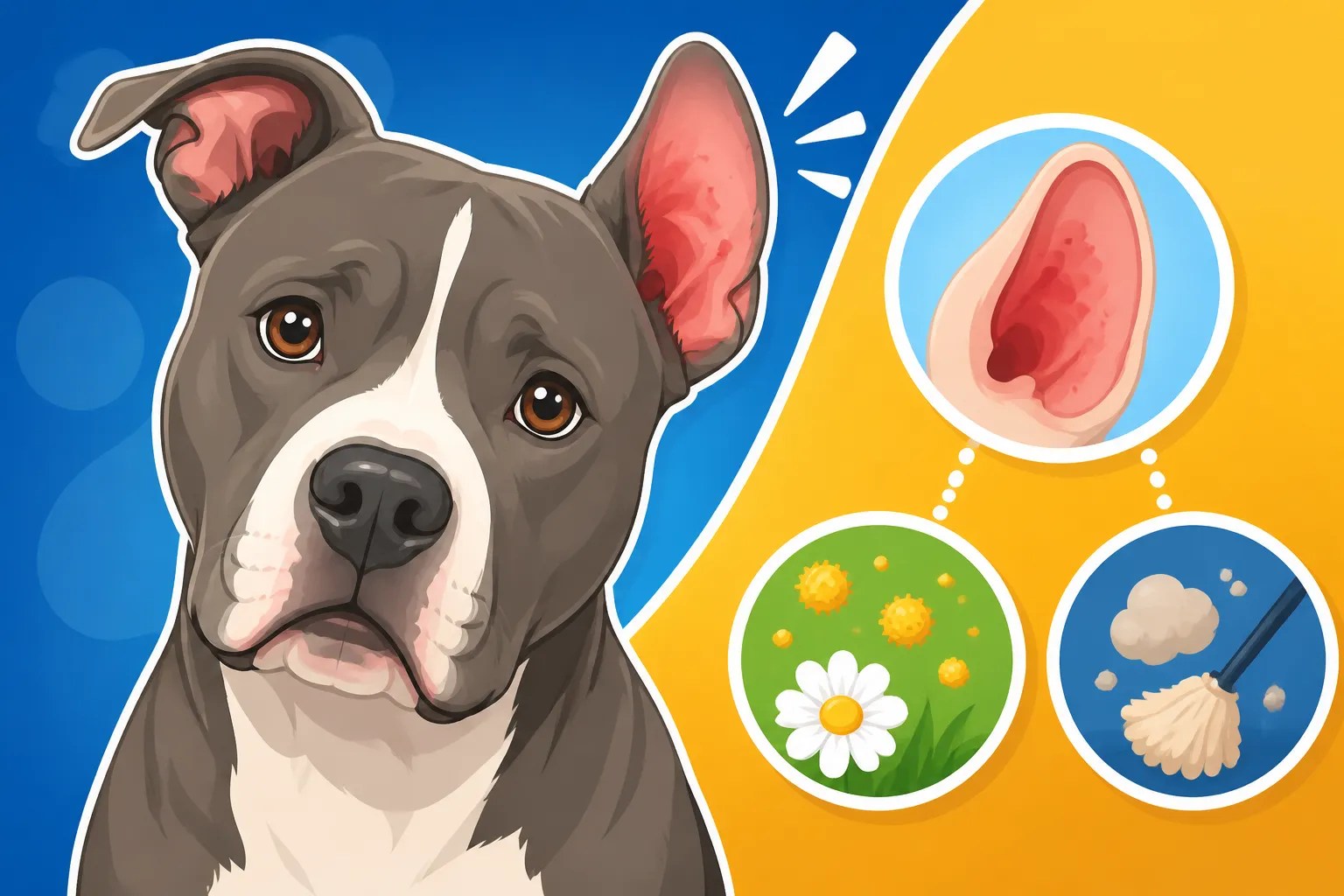
One of the most common culprits behind recurrent ear infections in Pit Bulls is environmental allergies, often referred to as atopy. Just like people can get hay fever, dogs can react to allergens like pollen from trees, grasses, and weeds, dust mites, mold spores, and even dander from other animals. When your Pit Bull is exposed to these allergens, their immune system overreacts, leading to widespread inflammation throughout their skin. While you might notice them scratching their paws or rubbing their face on the carpet, their ears are often particularly susceptible.
The delicate skin lining the ear canal becomes inflamed, itchy, and irritated. This creates a perfect breeding ground for secondary bacterial and yeast infections. The excessive moisture and warmth in the ear canal, already a problem for Pit Bulls, combine with the allergic inflammation to essentially roll out the welcome mat for pathogens. So, while your vet might treat the infection, if the underlying allergy isn't addressed, the inflammation continues, and the infection will inevitably return. For a deeper dive into these seasonal troubles, check out our article on Pit Bull Atopy and Seasonal Itching.
Food Allergies as a Hidden Culprit
While environmental allergies are a huge factor, don't rule out food allergies or sensitivities as a cause of chronic ear infections. It might sound strange that what your dog eats could affect their ears, but food allergies in dogs often manifest as skin issues, including chronic ear infections, paw licking, and generalized itching. Unlike environmental allergies, which often have seasonal patterns, food allergies tend to cause year-round symptoms.
Common food allergens for dogs include proteins like beef, chicken, dairy, and wheat, though any ingredient can potentially cause a reaction. Diagnosing a food allergy is notoriously tricky because there isn't a simple blood test that reliably identifies them. The gold standard for diagnosis is typically an elimination diet, where your dog is fed a novel protein or hydrolyzed protein diet for a strict eight to twelve weeks. This means absolutely no other treats, flavored medications, or accidental scraps – a real challenge, but often the only way to pinpoint the trigger. You can find more detailed information about this often-overlooked cause in our article, Food Allergies Behind Pit Bull Itching.
Recognizing the Signs of an Ear Infection in Your Pit Bull
Spotting an ear infection early can make a big difference in treatment and comfort for your Pit Bull. Sometimes the signs are glaringly obvious, but other times, they can be subtle and easily missed until the problem is quite advanced. Learning to recognize both the visible and behavioral cues is key.
Visible and Behavioral Cues
The most classic signs of an ear infection are usually hard to ignore. You might see your Pit Bull shaking their head vigorously, often tilting it to one side. They might be pawing at their ear, rubbing it against furniture, or even scratching so intensely that they cause secondary damage to the skin around the ear. Inside the ear, you could observe redness, swelling, or crusting. A dark, waxy, or purulent discharge is also a strong indicator, often accompanied by a distinct, unpleasant odor – frequently described as yeasty or sweet, or sometimes quite foul.
Beyond these overt signs, pay attention to more subtle behavioral changes. Your usually playful Pit Bull might become withdrawn, less energetic, or even show signs of pain when you try to touch their head or ears. They might flinch or yelp, or become reluctant to allow you to inspect the area. Sometimes, chronic itching can lead to secondary skin issues on the outside of the ear flap or even down the neck, due to constant scratching. Any deviation from their normal behavior, especially concerning their head or balance, warrants a closer look.
Distinguishing Between Allergy Symptoms and Infection
This is where it gets a little nuanced. Many of the symptoms of an ear infection (redness, itching, head shaking) are also symptoms of the underlying allergy that causes the infection. The key difference lies in the presence of discharge, odor, and often pain. If your Pit Bull's ears are merely red and itchy with no significant discharge or odor, it's more likely to be pure allergic inflammation. However, once bacteria or yeast take hold, you'll start to see pus, waxy buildup, a strong smell, and the discomfort will likely increase significantly.
A veterinarian will use an otoscope to look deep into the ear canal and often take a swab for cytology. This involves looking at the discharge under a microscope to identify whether bacteria, yeast, or mites are present, and in what quantities. This microscopic examination is crucial because different types of infections require different medications. Trying to guess whether it’s "just allergies" or a full-blown infection can lead to ineffective treatment and prolong your dog's suffering. While not directly related to ear infections, our article Telling Demodex From an Allergy in a Pit Bull covers similar diagnostic challenges with skin conditions that might cause itching.
Effective Diagnosis and Treatment Approaches
When your Pit Bull is suffering from an ear infection, getting them proper veterinary care is paramount. Self-treating can often make things worse or mask a more serious issue, leading to chronic problems that are harder to resolve down the line.
The Vet Visit Critical Steps
The very first step is always a trip to your veterinarian. They’ll perform a thorough physical exam, paying close attention to your Pit Bull’s ears. Using an otoscope, they'll peer deep into the ear canal to check for foreign bodies, polyps, tumors, or damage to the eardrum. This visual inspection is critical, as some infections can perforate the eardrum, which changes the type of medication that can be safely used.
After the visual inspection, the vet will almost certainly take a sample of the ear discharge for cytology. This involves gently swabbing the inside of the ear, then rolling the swab onto a slide and examining it under a microscope. This simple test allows the vet to identify the specific culprits: whether it's predominantly bacteria (and what shape they are), yeast, or ear mites. Sometimes a bacterial culture and sensitivity test might be recommended, especially for chronic or non-responsive infections, to determine the exact type of bacteria and which antibiotics will be most effective against it. Without this precise diagnosis, you're essentially shooting in the dark with treatments.
Medical Treatment Protocols
Once the cause of the infection is identified, your vet will prescribe the appropriate medication. For bacterial infections, this will typically be antibiotic ear drops, sometimes combined with oral antibiotics if the infection is severe or chronic. Yeast infections are treated with antifungal ear drops. Often, combination drops that contain antibiotics, antifungals, and anti-inflammatory steroids are used to tackle multiple issues at once and reduce swelling. It is absolutely crucial to administer the medication exactly as prescribed and to complete the entire course, even if your dog's ears appear to be better after a few days. Stopping early is a prime reason for relapse and antibiotic resistance.
In cases where significant inflammation or pain is present, your vet might also prescribe oral anti-inflammatory medications. For Pit Bulls specifically, who tend to be prone to allergies, addressing the underlying allergic inflammation is key to long-term success. While not a direct treatment for the infection itself, medications like Apoquel or Cytopoint can significantly reduce the itch and inflammation associated with allergies, thereby reducing the chances of future infections. Our article on Apoquel and Cytopoint for an Itchy Pit Bull details how these medications work to manage allergic symptoms. For more on dealing with stubborn skin infections, take a look at Pit Bull Pyoderma and Antibiotic Courses.
Addressing the Underlying Allergy
Treating the active ear infection is just one piece of the puzzle; the real long-term solution lies in managing the underlying allergy. If food allergies are suspected, your vet will guide you through a strict elimination diet, which often means feeding a novel protein (like duck, venison, or rabbit) or a hydrolyzed protein diet for several weeks. This requires incredible diligence but can be truly life-changing if a food allergen is identified.
For environmental allergies, management can be more complex. Options include medications like the aforementioned Apoquel or Cytopoint, which reduce the allergic response without suppressing the entire immune system. Another powerful tool is immunotherapy, often referred to as allergy shots or drops. After allergy testing (which you can learn more about in What Allergy Testing Runs on a Pit Bull), a custom vaccine is formulated to desensitize your Pit Bull to the specific allergens they react to. This is a long-term commitment but can significantly improve their quality of life and reduce the frequency of secondary infections. Unfortunately, allergies usually don't "go away," as discussed in Whether a Pit Bull Allergy Ever Goes Away, meaning consistent management is key.
Long-Term Management and Prevention Strategies
Preventing recurrent ear infections in your Pit Bull often comes down to a consistent, proactive approach that addresses both ear hygiene and the underlying allergic triggers. It’s a marathon, not a sprint, but the effort is well worth the comfort it brings your dog.
Regular Ear Cleaning and Maintenance
One of the most effective preventive measures is regular ear cleaning, especially for Pit Bulls with their prone-to-infection ear structure. This isn't about deep cleaning every day, but rather maintaining a healthy ear environment. Your vet can recommend a gentle, non-irritating ear cleaner that’s appropriate for your Pit Bull. For allergic dogs, cleaners specifically formulated to soothe and dry the ear canal can be beneficial. It's often recommended to clean their ears after swimming or particularly dusty outings, and perhaps once a week or every other week as a routine, depending on their individual needs.
When cleaning, remember to be gentle. Apply the cleaner into the ear canal, gently massage the base of the ear for 20-30 seconds to help break up debris, and then let your Pit Bull shake their head (which they will enthusiastically do!). Afterward, use a soft cotton ball or gauze wrapped around your finger to wipe out any visible debris from the outer ear canal. Never use cotton swabs deep inside the ear, as this can push debris further in or damage the eardrum. For a detailed, step-by-step guide, our article on Cleaning a Pit Bull Ear Properly is an excellent resource, as is Which Ear Solutions Suit an Allergic Pit Bull for product recommendations.
Environmental and Dietary Management
Managing your Pit Bull's environment can significantly reduce their allergen exposure. During peak allergy seasons, consider wiping down their paws, belly, and face with a damp cloth after outdoor excursions to remove pollen. Using high-efficiency particulate air (HEPA) filters in your home can help reduce airborne allergens like dust mites and pollen. Regular vacuuming and washing your dog's bedding in hot water can also make a difference. Even something as simple as providing an elevated feeding bowl can help reduce irritation, as it keeps their head in a more natural position and prevents food particles from falling into their ears.
If a food allergy has been identified, strictly adhering to the prescribed diet is paramount. Even small cheats can trigger a flare-up. Always check treat ingredients, and be mindful of flavored medications. Sometimes, incorporating supplements like Omega-3 fatty acids can help improve skin barrier function, making their skin (including their ears) less reactive to allergens. This holistic approach to their overall health supports their immune system in managing allergic responses more effectively.
When to Seek Specialist Care
For Pit Bulls with chronic, severe, or non-responsive ear infections, your regular veterinarian might recommend referral to a veterinary dermatologist. These specialists have advanced knowledge and tools to delve deeper into complex allergy cases and persistent ear issues. They can conduct more advanced allergy testing, explore different immunotherapy options, and offer specialized treatments for resistant infections.
In extremely rare and severe cases of chronic ear infections that have caused irreversible damage to the ear canal, a surgical procedure called a Total Ear Canal Ablation (TECA) might be considered. This involves removing the entire ear canal, leaving the ear flap intact. It’s a major surgery and typically a last resort, reserved for dogs in constant pain with no other viable treatment options. While it resolves the infection, it also results in permanent hearing loss in the affected ear. Thankfully, with proper management of underlying allergies and diligent care, most Pit Bulls will never need such drastic measures.
The Financial Reality of Chronic Ear Issues
Let’s be honest, loving a Pit Bull, especially one prone to health issues like chronic ear infections, can put a significant dent in your wallet. The emotional toll is one thing, but the financial burden is another stressor that many owners face. It's important to understand the potential costs involved and how to best prepare.
Understanding the Costs Involved
Each vet visit for an ear infection typically includes the consultation fee, an otoscopic exam, and cytology, which can quickly add up. Then there are the medications – often several types of ear drops, oral antibiotics, antifungals, or anti-inflammatories. If the infection is recurrent, you're looking at multiple visits and multiple rounds of medication each year. Should allergy testing be recommended, that's another substantial cost. An elimination diet may require purchasing specialized, often more expensive, prescription foods. For very complex cases, referral to a specialist adds another layer of fees for consultations, advanced diagnostics, and potentially long-term immunotherapy.
It's not uncommon for a Pit Bull with chronic allergies and recurring ear infections to cost hundreds, if not thousands, of dollars a year in veterinary care alone. This doesn't even account for special foods, medicated shampoos, or specialized cleaning solutions. This can be a huge shock for new owners or those who haven't dealt with chronic conditions before. For a broader picture of these expenses, our guide What a Pit Bull Costs a Year With Allergies offers valuable insights.
The Role of Pet Insurance
Given the potential for high veterinary bills associated with chronic conditions like allergic ear infections, pet insurance can be an absolute lifesaver. Many Pit Bull owners find that a good pet insurance policy provides immense peace of mind, allowing them to make treatment decisions based on what’s best for their dog’s health, rather than what they can afford out-of-pocket. Policies typically cover accidents and illnesses, which would include ear infection treatments and diagnostics, as well as the ongoing management of allergies, provided the condition wasn't "pre-existing" before you enrolled your dog.
When choosing pet insurance, it’s crucial to read the fine print, especially regarding chronic conditions and breed-specific predispositions. Some providers might have breed exclusions or different waiting periods. However, a reputable provider like Healthy Paws offers comprehensive coverage that can help significantly with the costs of diagnostics, medications, and even specialist visits for chronic conditions such as those arising from Pit Bull allergies. It’s always best to enroll your Pit Bull when they are young and healthy, before any chronic conditions manifest, to ensure maximum coverage. You can find more information about navigating insurance options for your dog in Pit Bull Pet Insurance and Breed Exclusions.
Ear Infection Symptoms vs. Allergy Symptoms
Understanding the subtle differences can help you determine when to seek veterinary care for your Pit Bull.
| Symptom Feature | Primarily Allergy (Inflammation) | Primarily Infection (Secondary Complication) |
|---|---|---|
| Itching | Mild to moderate, often generalized with other skin sites (paws, belly) | Intense, localized to ears, often accompanied by pain |
| Redness | Present, mild to moderate, especially inside ear flap | Pronounced, often with swelling of ear canal |
| Odor | Typically absent or very mild | Distinct, strong (yeasty, sweet, or foul) |
| Discharge | Absent or minimal clear/light brown wax | Present, often dark brown/black, yellow, green, or pus-like |
| Head Shaking | Intermittent, due to itch | Frequent, vigorous, due to pain and discomfort |
| Pain | Minimal or absent | Moderate to severe, dog may guard ears |
| Response to OTC | May offer temporary mild relief | Little to no sustained improvement |
| Other Skin Signs | Common (paw licking, body itching, rash) | May or may not be present, depending on underlying allergy |
Disclaimer
This guide is for informational purposes only and is not a substitute for professional veterinary advice. Always consult with a qualified veterinarian for any health concerns or before making any decisions about your Pit Bull's care and treatment.