Pit Bull Skin Allergy Testing
If you're a Pit Bull owner, you've likely experienced the relentless frustration of watching your beloved companion scratch, lick, and rub themselves raw. That constant itching isn't just annoying; it can lead to painful skin infections, sleepless nights for both of you, and an endless cycle of vet visits and temporary fixes. This comprehensive guide is here to walk you through the various options for Pit Bull skin allergy testing, helping you understand what's available and how to finally get to the root cause of your dog's discomfort, paving the way for lasting relief.
Understanding Why Pit Bulls Itch So Much
The sheer power and loyalty of a Pit Bull is undeniable, but unfortunately, many of these wonderful dogs also come with a predisposition to skin issues. It's a common complaint among owners, and it can feel like a never-ending battle to keep their skin healthy and calm. The robust muscle tone and often short, sparse coat can actually make underlying skin problems more visible and sometimes even more susceptible to environmental irritants.
Common Causes of Pit Bull Skin Irritation
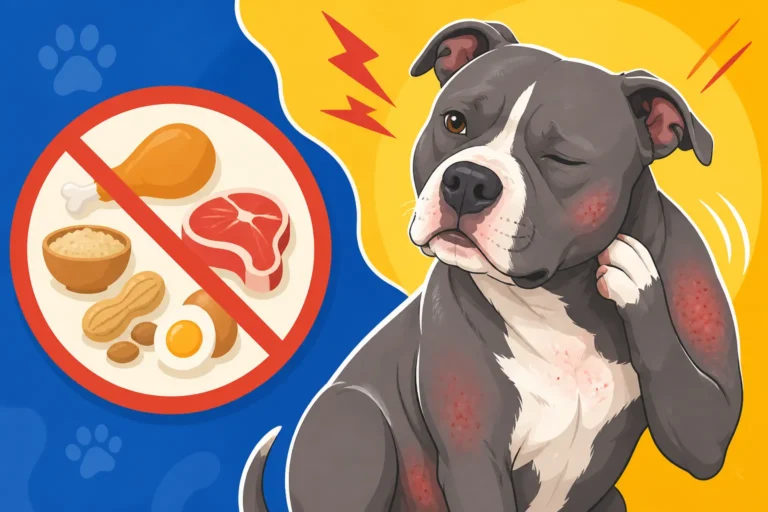
When your Pit Bull starts scratching, it’s rarely for no reason, and often, it’s a symptom of deeper underlying allergies. These aren't just minor irritations; they're chronic conditions that need proper diagnosis and management. The most frequent culprits fall into a few main categories. First and foremost, environmental allergies, often referred to as atopy, are incredibly prevalent in Pit Bulls. Just like people can be allergic to pollen, dust mites, or mold, so can your dog. This means they might start scratching seasonally when pollen counts are high, or year-round if dust mites are the primary trigger in your home. Think of the misery of hay fever, but instead of sneezing, your dog gets itchy skin. You might notice them rubbing their face on the carpet or constantly licking their paws, especially at night, trying to alleviate that relentless itch. If this sounds familiar, our article on Pit Bull Atopy and Seasonal Itching offers more detailed insights.
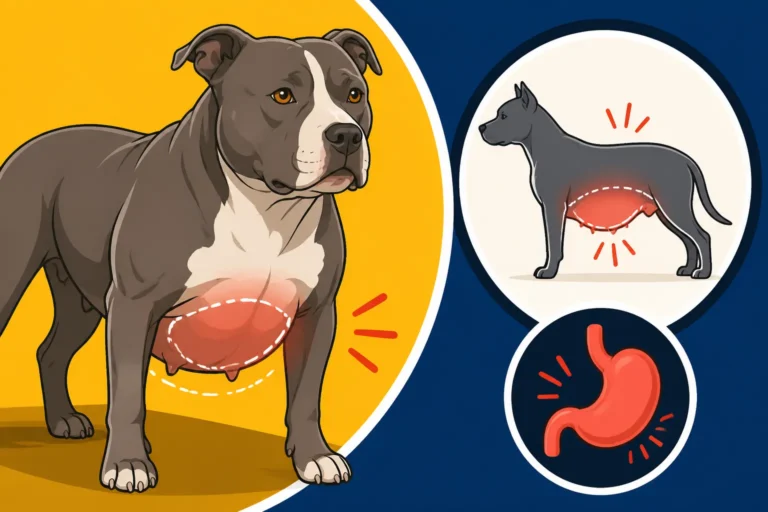
Then there are food allergies, which can be tricky to pinpoint because the symptoms often mirror environmental allergies. While environmental allergies tend to manifest more as itching, food allergies can also cause gastrointestinal upset, though skin issues are still a major sign. It’s not necessarily about the brand of food, but specific protein sources like chicken, beef, or even grains. You might switch foods repeatedly, only to find the itching persists, making you wonder what on earth could be the problem. And let's not forget parasites like fleas, which can cause intense itching, especially if your Pit Bull develops flea allergy dermatitis. Even a single flea bite can set off an allergic reaction in sensitive dogs, leading to widespread itching and irritation. All of these factors can contribute to a complex skin puzzle that requires careful investigation.
The Cycle of Itch and Infection
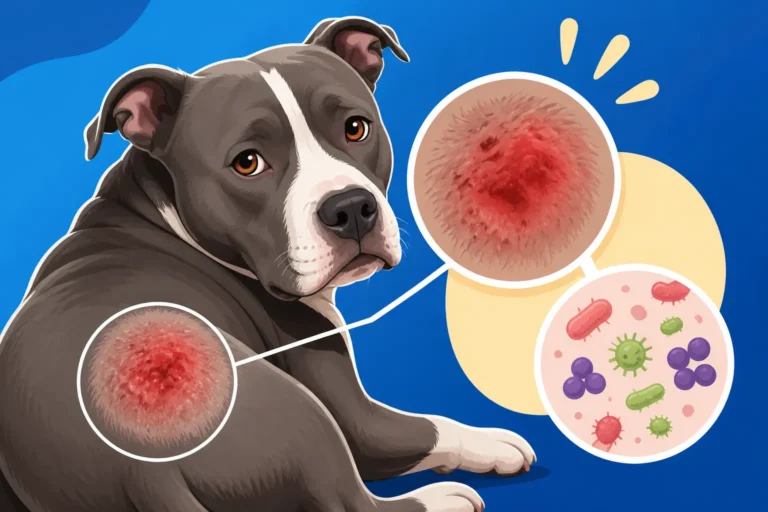
The real problem with chronic itching is that it’s rarely just "just itching." When a Pit Bull starts to feel that persistent skin irritation, their natural response is to scratch, chew, and lick. Unfortunately, this scratching, while providing momentary relief, causes micro-abrasions and breaks in the skin barrier. Imagine constantly scratching an annoying mosquito bite until it bleeds; that’s essentially what’s happening on a larger scale for your dog. This damaged skin is no longer an effective protective barrier and becomes an open invitation for bacteria and yeast, which are naturally present on the skin, to proliferate and cause secondary infections.
These secondary infections, known as pyoderma (bacterial) or yeast dermatitis, add another layer of misery to your dog’s already compromised skin. They create even more inflammation and itching, perpetuating a vicious cycle. What started as an allergic reaction now has a bacterial or fungal component, making the original itch much worse and often leading to hot spots that appear overnight. You might notice redness, scabs, crusting, hair loss, a foul odor, or even a greasy feel to their skin. In areas with skin folds, like around the mouth or belly, yeast infections can be particularly common. Addressing these secondary infections is critical for short-term relief, but until the underlying allergy is identified and managed, the cycle will simply repeat. Our guide on Pit Bull Hot Spots and Secondary Infection explores this topic in more detail.
Types of Skin Allergy Testing for Your Pit Bull
When your Pit Bull is struggling with persistent skin problems, finding the specific allergen can feel like searching for a needle in a haystack. Thankfully, veterinary medicine offers several sophisticated methods to pinpoint these triggers, each with its own advantages and considerations.
Intradermal Skin Testing
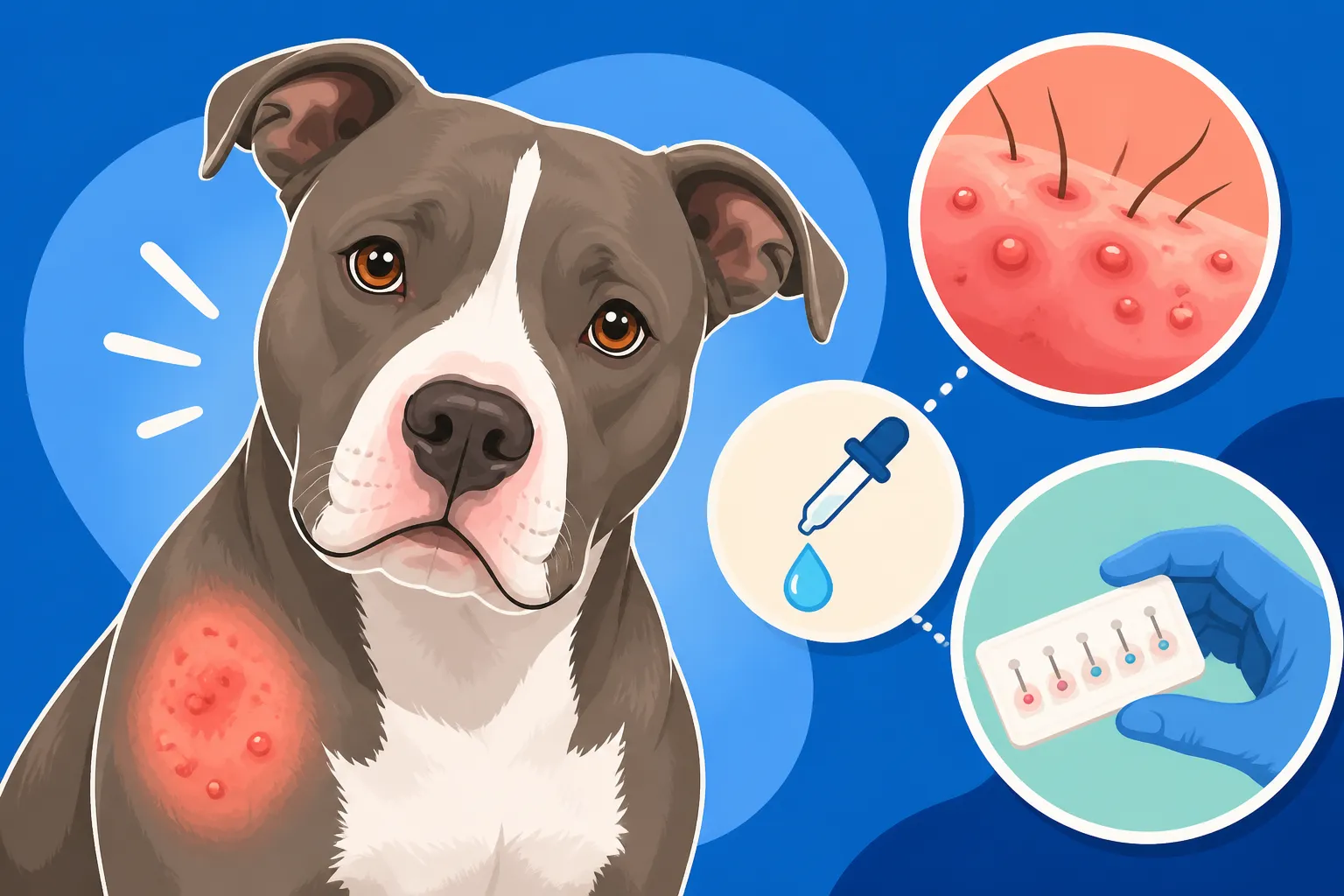
Often considered the "gold standard" for diagnosing environmental allergies (atopy), intradermal skin testing (IDST) is a direct and highly accurate method. This test is typically performed by a board-certified veterinary dermatologist. The process involves gently sedating your Pit Bull, as they need to remain perfectly still, and then shaving a small area on their side. Once the skin is prepped, tiny amounts of various common environmental allergens, such as pollens from trees, grasses, and weeds, molds, and dust mites, are injected just under the skin.
The dermatologist then carefully observes the injection sites for approximately 15-30 minutes for reactions. A positive reaction manifests as a small, red, raised welt, similar to a mosquito bite or a human allergy test. The size and intensity of these welts help the dermatologist determine which allergens your Pit Bull is sensitive to. The biggest advantage of IDST is its precision; it provides a very clear picture of what environmental factors are triggering your dog's allergies. However, it's more invasive than other tests, requires specialized equipment and expertise, and generally comes with a higher cost. It's an excellent option for owners committed to pursuing allergen-specific immunotherapy, often referred to as allergy shots, to desensitize their dog. Before undergoing such a procedure, it's wise to check with your pet insurance provider, like Healthy Paws, to understand your coverage for specialist consultations and testing.
Serum IgE Blood Testing
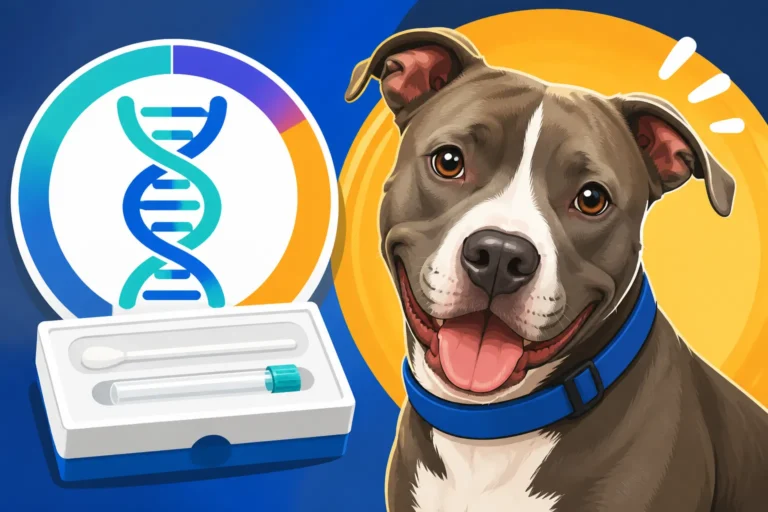
An alternative to intradermal testing is serum IgE blood testing. This method involves taking a simple blood sample from your Pit Bull, which is then sent to a specialized laboratory for analysis. The lab measures the levels of allergen-specific IgE antibodies in your dog's blood. IgE antibodies are proteins produced by the immune system in response to allergens. Elevated levels of specific IgE antibodies can indicate an allergic sensitivity to those particular substances.
One of the main benefits of blood testing is that it's far less invasive than intradermal testing, requiring only a routine blood draw. It’s also more widely available, as most general veterinarians can perform the blood collection and send it to a commercial lab. This convenience makes it a popular first step for many owners. However, a significant drawback is that blood tests can sometimes produce false positives or false negatives, making them generally less precise and definitive than intradermal testing. While a blood test can give you a good indication of potential allergens, it’s not always as reliable for guiding immunotherapy. It tests for both environmental and some food allergens, though its accuracy for food allergies is often debated by veterinary professionals. Despite its limitations, it can be a valuable screening tool to narrow down potential culprits and can be a good starting point for discussion with your vet. Many pet insurance plans, including those offered by Healthy Paws, often cover diagnostic blood work, which can help offset the costs.
Elimination Food Trials
When it comes to diagnosing food allergies, an elimination food trial is universally recognized as the only truly accurate method. Unlike blood or skin tests, which can be unreliable for food sensitivities, a strict dietary trial removes all potential allergens and then reintroduces them systematically. This process can be incredibly challenging, requiring immense dedication from you, the owner, but it's often the most rewarding path to identifying food triggers. For a detailed breakdown, check out our guide on An Eight Week Food Trial on an Itchy Pit Bull.
The trial involves feeding your Pit Bull a novel protein diet (a protein source they've never eaten before, like venison, duck, or kangaroo) or a hydrolyzed protein diet (where proteins are broken down into particles too small to trigger an immune response). This strict diet must be fed for a minimum of 8 to 12 weeks – and this means nothing else. No treats, no table scraps, no flavored medications, no flavored toys. If your dog accidentally gets into something not on the diet, you often have to restart the clock. During this period, if food is the issue, you should see a significant improvement in their skin condition, including less itching, redness, and secondary infections.
After the elimination period, if your dog has improved, you'll then slowly reintroduce individual food items, one at a time, for about a week each, while closely monitoring for any return of symptoms. For example, you might add a small amount of chicken to their novel protein diet for a week. If the itching flares up, you've likely identified chicken as an allergen. This reintroduction phase is crucial because it confirms the allergy. Without it, you only know what they don't react to, not what they do. It's a long process, but for many Pit Bulls suffering from chronic itching, identifying a food allergy through this method can lead to profound and lasting relief.
Preparing for and Interpreting Your Pit Bull's Allergy Test Results
Embarking on the journey of allergy testing for your Pit Bull requires careful preparation and a clear understanding of what the results will tell you. It's not a quick fix, but a vital step in developing a long-term management strategy for your dog's skin health.
Before the Test
Proper preparation is paramount for accurate allergy test results. If your Pit Bull is currently on certain medications, particularly oral corticosteroids (like prednisone) or even some antihistamines, these will need to be gradually weaned off, typically weeks before the scheduled test. These medications can suppress the immune response and lead to false negative results, especially for intradermal skin testing. Your veterinarian or veterinary dermatologist will provide a specific timeline for discontinuing these drugs. For example, antihistamines might need to be stopped for 7-10 days, while oral steroids could require a cessation of 4-6 weeks or even longer, depending on the dose and duration of use.
For serum IgE blood testing, while it's less affected by topical steroids, oral steroids can still impact results, so it's often recommended to stop them if possible. Some vets also recommend a short fast before blood work to ensure clear serum, though this is less critical for allergy-specific tests. It's also incredibly helpful to keep a detailed diary of your Pit Bull's symptoms – when they started, what makes them worse, what provides temporary relief, and any patterns you've noticed (like seasonal flare-ups or specific food reactions). This history is invaluable to your vet in interpreting results and formulating a treatment plan. Finding a board-certified veterinary dermatologist is often recommended for intradermal testing, as they have the specialized training and equipment to perform and interpret these tests correctly.
What the Results Mean for Treatment
Once the allergy test results are in, whether from intradermal testing, blood work, or the conclusions of an elimination food trial, they serve as a critical roadmap for treatment. It’s important to understand that these tests don’t usually offer a "cure," but rather illuminate the specific triggers that need to be managed.
If your Pit Bull tests positive for environmental allergens via intradermal or blood testing, the most common long-term treatment strategy is allergen-specific immunotherapy. This involves formulating custom allergy shots or oral drops based on your dog's unique sensitivities. The goal of immunotherapy is to gradually desensitize your Pit Bull's immune system to these allergens, reducing their allergic reaction over time. It's a commitment, requiring regular administration, but it can significantly improve your dog's quality of life and reduce the need for other medications. Our guide on What Allergy Shots Cost a Pit Bull Owner delves into the financial aspects of this treatment.
For food allergies, a positive result from an elimination diet means permanent dietary changes. This often involves switching to a specific limited ingredient diet featuring novel proteins, or a hydrolyzed protein diet, that avoids all identified allergens. Strict adherence is key here, and it extends beyond just food to treats, supplements, and even flavored toys. If both environmental and food allergies are identified, treatment will involve a combination of dietary management and potentially immunotherapy or other symptomatic relief measures. Remember, the test results are tools; your vet will combine them with your dog's clinical signs and history to create the most effective, personalized plan.
| Test Type | Method | Primary Use | Invasiveness | Accuracy (for primary use) | Pros | Cons |
|---|---|---|---|---|---|---|
| Intradermal Skin Test | Small injections into shaved skin | Environmental allergies (atopy) | Moderate | High (Gold Standard) | Highly specific, best for immunotherapy formulation | Requires sedation, specialist vet, higher cost, medication withdrawal |
| Serum IgE Blood Test | Blood sample sent to lab | Environmental & some food allergies | Low | Moderate | Less invasive, more accessible, no sedation needed, general screening | Can have false positives/negatives, less precise for immunotherapy |
| Elimination Food Trial | Strict novel/hydrolyzed diet | Food allergies | Low (dietary only) | High (Gold Standard) | Only truly definitive test for food allergies, avoids medication | Requires extreme owner compliance, very long duration (8-12+ weeks) |
Long-Term Management and Expectations
It’s crucial to set realistic expectations when dealing with Pit Bull skin allergies. In most cases, allergies are a chronic condition that can be managed, but rarely "cured." Think of it more like managing a human's asthma or eczema; it requires ongoing attention and adjustments. Successful long-term management often involves a multi-pronged approach tailored to your Pit Bull's specific needs.
This might include regular medicated baths to control secondary bacterial or yeast infections, especially if your Pit Bull is prone to Yeast Infections in Pit Bull Skin Folds. Topical treatments like sprays or mousse can also help soothe irritated skin. Dietary management for identified food allergies is a lifelong commitment. For environmental allergies, immunotherapy can take 6-12 months to show full effects, and some dogs may still require additional medications, especially during peak allergy seasons. Medications like Apoquel and Cytopoint for an Itchy Pit Bull are excellent for controlling the itch quickly and effectively, providing relief while longer-term solutions like immunotherapy take effect.
Regular veterinary check-ups are essential to monitor your Pit Bull's progress, adjust medications as needed, and catch any new flare-ups early. The cost of managing chronic allergies can add up significantly over your dog's lifespan, covering everything from specialized diets and medications to vet visits and testing. Many owners find that pet insurance, such as a comprehensive policy from Healthy Paws, can be invaluable in mitigating these expenses, especially if allergies are diagnosed early and covered. Remember, consistency and patience are your best allies in helping your Pit Bull live a comfortable, itch-free life. While it's a journey, the relief you can bring to your beloved companion is immeasurable. Our article, Whether a Pit Bull Allergy Ever Goes Away, offers further perspective on this ongoing commitment.
Disclaimer
The information provided in this article is for general informational purposes only and is not intended as a substitute for professional veterinary advice. Always consult with a qualified veterinarian or veterinary dermatologist for any health concerns or before making any decisions about your Pit Bull's health or treatment plan.