Caring for a Pit Bull in Its Second Decade
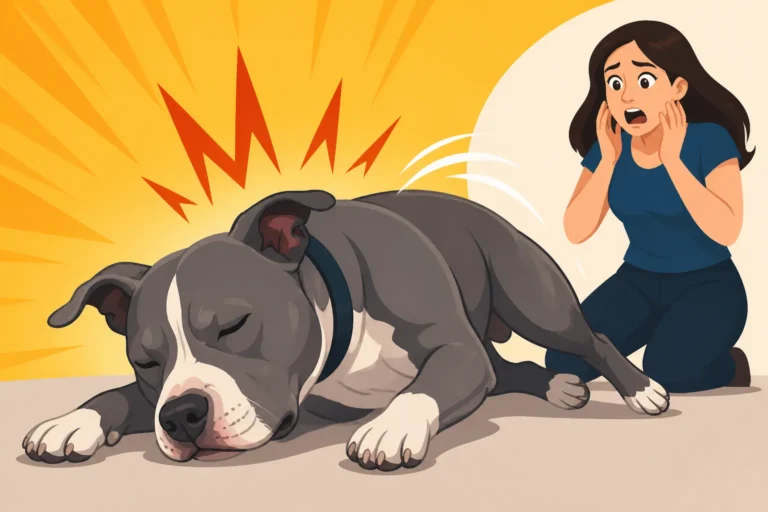
Watching your beloved Pit Bull transition into their golden years is a bittersweet experience. While the joy of their enduring companionship deepens, the inevitable signs of aging can bring a wave of worry and even a touch of sadness. Those once boundless bursts of energy might become shorter, slower strolls, and the keen, bright eyes you've known for so long might start to cloud just a little. It's a challenging phase, full of questions about how best to support them and ensure their comfort. This comprehensive guide is here to walk you through the unique aspects of caring for your Pit Bull as they enter their second decade, offering practical advice and empathetic understanding for every step of this precious journey.
Understanding the Aging Pit Bull
It's easy to think of Pit Bulls as these indomitable, energetic dogs, almost immune to the passage of time. They're often portrayed as robust, powerful, and full of youthful vigor. So, when you start to notice the subtle (or sometimes not-so-subtle) changes that come with age, it can feel like a real jolt. It's like, "Wait, my forever-young companion is getting old?" This initial recognition can be tough, but understanding what's happening physiologically is the first step toward providing the best senior care.
When the "Senior" Label Kicks In
For many larger and powerful breeds, the "senior" label often starts around 7-8 years old. While Pit Bulls are incredibly muscular and generally robust, they're not exempt from this timeline. Some Pit Bulls might start showing subtle signs of slowing down closer to 8 or 9, while others, particularly those with a history of joint issues or certain genetic predispositions, might exhibit senior characteristics a bit earlier. Conversely, a healthy Pit Bull with great genetics and a lifetime of excellent care might still be acting like a youngster well into their late single-digit years, making the transition feel sudden when it finally arrives.
You might first notice they're a bit slower to rise from a deep sleep, maybe a slight stiffness after a long nap. That enthusiastic dash to the door when you grab the leash might be replaced by a more deliberate, albeit still excited, walk. Their coat, which once had that unmistakable youthful sheen, might appear a little duller, or you might find a few more grey hairs around their muzzle – those charming "wisdom whiskers." Perhaps they don't seem quite as interested in chasing that frisbee for an hour straight, preferring a more sedate session in the yard or a longer sniff walk. These aren't necessarily signs of a major problem, but rather gentle nudges from nature, reminding us that their bodies are changing. It's perfectly normal to feel a pang of sadness at these observations; it's a testament to the deep bond you share.
Common Health Changes in Older Pit Bulls
As Pit Bulls age, like all dogs, they become more susceptible to certain health conditions. Being aware of these common changes can help you spot potential issues early and seek veterinary intervention. One of the most prevalent concerns is arthritis and general joint stiffness. Years of high-impact play, powerful musculature, and sometimes genetic predispositions can take a toll on their joints, leading to conditions like Arthritis in a Pit Bull at Seven. You might notice they hesitate before jumping onto the couch, or seem less eager to navigate stairs. This discomfort can manifest as a slight limp, a reluctance to bear weight, or even changes in their demeanor, as chronic pain can be debilitating.
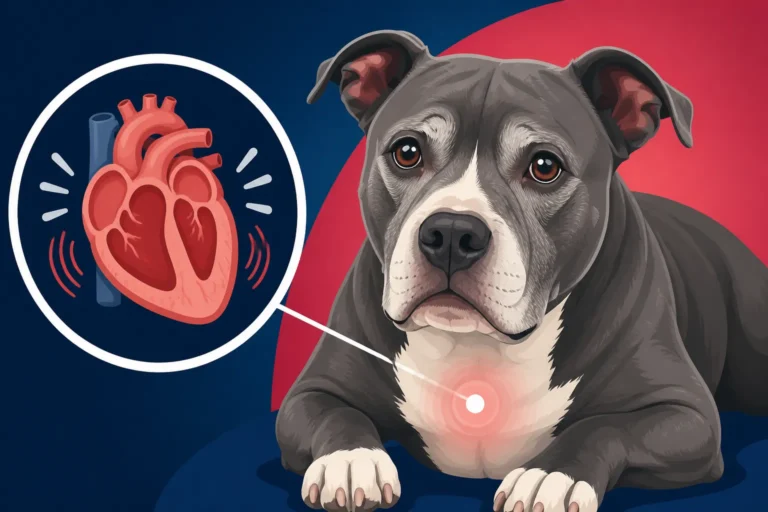
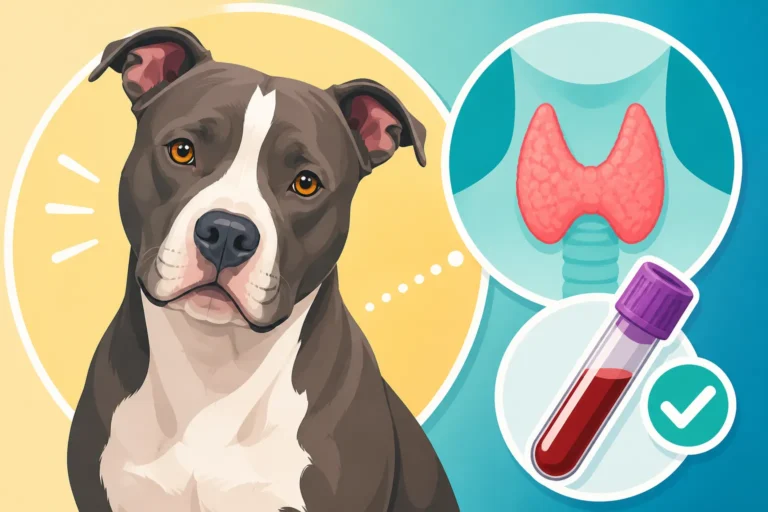
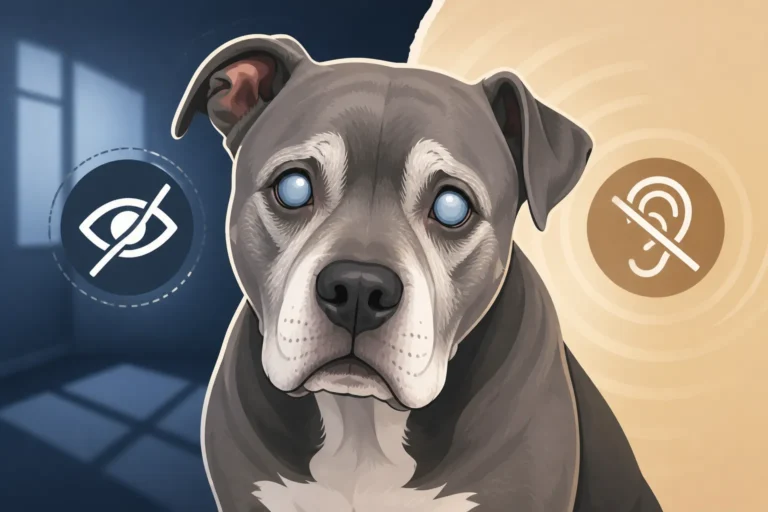
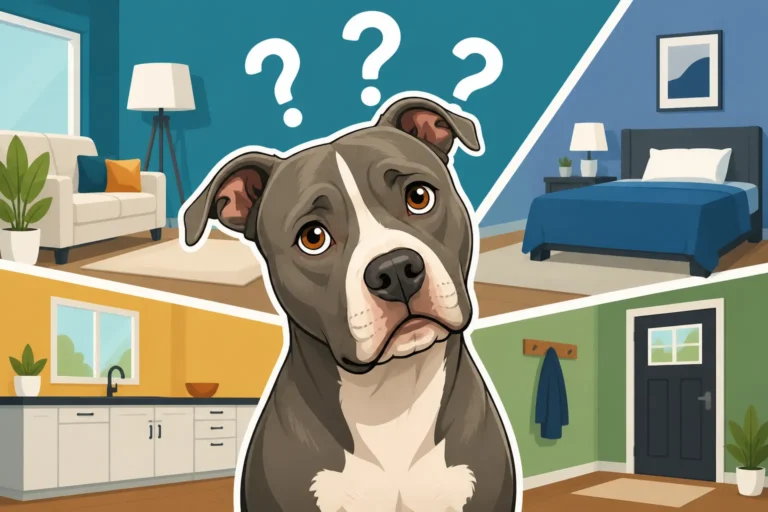
Beyond joints, vision and hearing decline are also common. Your Pit Bull might start bumping into furniture in dim light, or struggle to find a toy you’ve thrown. Their hearing might diminish, leading them to seem less responsive to commands or the doorbell. This isn't defiance; it's simply a change in their ability to perceive the world. Cognitive changes, often referred to as Canine Cognitive Dysfunction (CCD), can also emerge. This might look like disorientation in familiar rooms, altered sleep-wake cycles (pacing at night, sleeping more during the day), changes in social interaction, or even house-soiling accidents in an otherwise perfectly trained dog. It can be incredibly frustrating and heartbreaking to witness your once sharp and connected companion seem confused in rooms it knows, as detailed in A Pit Bull Confused in Rooms It Knows. Their teeth, too, will show the wear and tear of a decade of chewing, crunching, and perhaps a few too many inappropriate objects. Dental disease can become severe, leading to pain, infection, and impacting their overall health. And, of course, their internal organs—kidneys, liver, heart, and thyroid—are all working overtime for longer, increasing the risk of conditions like Hypothyroidism and a Thinning Pit Bull Coat or other systemic issues. Regular monitoring is key to catching these changes before they become critical.
Adapting Their Environment for Comfort
Just as we might make adjustments to our own homes as we age, our senior Pit Bulls benefit immensely from a living space that caters to their evolving needs. Their world often shrinks a bit as physical limitations set in, so making their immediate environment as comfortable and navigable as possible is paramount. These changes aren't about babying them, but rather empowering them to maintain dignity and ease in their daily lives.
Creating a Joint-Friendly Home
One of the biggest impacts of aging on a Pit Bull is often felt in their joints. What was once an effortless leap onto the bed or into the car can become a painful struggle, or even an impossible feat. Investing in ramps or sturdy steps can make a world of difference. A good quality ramp for getting into and out of the car can save their back and yours, preventing injuries for both of you. Similarly, smaller ramps or steps can help them access their favorite couch or bed without the strain of jumping. Imagine trying to jump onto a high surface with stiff knees every day – it’s exhausting and painful. Providing an easier path maintains their independence and reduces discomfort.
Orthopedic beds are no longer a luxury but a necessity for an older Pit Bull. These beds, often made with memory foam, distribute weight evenly, relieving pressure points and providing crucial support for aching joints. Placing these beds in multiple favorite spots around the house ensures they always have a comfortable, supportive resting place, whether it's by the sunny window or next to your desk. On hard floors, like wood or tile, senior dogs often struggle with traction, leading to slips and falls that can cause serious injuries. Laying down non-slip mats or runners in high-traffic areas, especially where they eat, drink, or frequently move, can provide much-needed grip and confidence. For Pit Bulls who used to bound up and down stairs, the stairs can become a dangerous obstacle. Consider using baby gates to restrict access to stairs if necessary, or carefully supervise them, perhaps even carrying them if they are small enough and if it's safe for both of you. The goal is to minimize risky movements and maximize their comfort and safety within their familiar territory.
Managing Sensory Decline and Cognitive Changes
It's truly heartbreaking to watch a dog you've known your whole life start to lose their way, even in their own home, or seem to not hear you anymore. However, with a few thoughtful adjustments, you can help your Pit Bull navigate these challenges with grace and minimize their anxiety. For dogs experiencing vision loss, consistency is key. Try to avoid rearranging furniture or leaving obstacles in pathways they frequent. If you must move something, do so gradually and guide them around it until they've familiarized themselves with the new layout. Speaking to them as you approach, or making a gentle noise, can prevent startling them. A tired dog, or one that is confused, can become reactive.
When hearing declines, verbal cues might become ineffective. This is where you can lean on visual cues and hand signals you may have taught them earlier in life. Gentle touches, light tapping on the floor, or even a flashlight beam can get their attention. Consistent routines also become even more vital; knowing when to expect meals, walks, and potty breaks reduces stress and provides a sense of security when other senses are failing. For Pit Bulls grappling with cognitive decline, mental stimulation, though gentle, is still incredibly important. Puzzle toys that dispense treats, slow feeders, or simple scent games where they have to sniff out hidden kibble can engage their minds without over-exerting their bodies. These activities help keep their brains active and provide a sense of accomplishment. It’s a way to connect with them on a different level when the old games might be too much. Seeing your once-vibrant companion get lost in a room they've known for years or pace restlessly at night can be deeply distressing, validating the feelings of helplessness many owners experience. But remember, your presence, patience, and these simple adaptations are powerful tools in maintaining their peace of mind.
Nutrition and Weight Management for Seniors
Nutrition plays an even more critical role as your Pit Bull ages. Their metabolism slows down, activity levels decrease, and their bodies require different nutrients to support aging organs and joints. Getting their diet right can significantly impact their comfort, energy levels, and overall health in their golden years. It's not just about feeding them less; it's about feeding them smarter.
Adjusting Their Diet as They Age
As your Pit Bull enters their second decade, their caloric needs will likely decrease. They aren't burning as much energy as they once did, so continuing to feed them the same amount of food can quickly lead to unwanted weight gain, which only exacerbates joint pain and puts strain on internal organs. However, while calories may need to drop, the quality and type of protein can actually become more important. Older dogs often experience muscle loss (sarcopenia), and a diet with adequate, high-quality protein can help preserve muscle mass. Many senior-specific dog foods are formulated with this in mind, offering a slightly reduced calorie count but often increased protein content.
These specialized senior diets also frequently include beneficial supplements like glucosamine and chondroitin for joint support, and higher levels of omega-3 fatty acids, which are anti-inflammatory and great for joint health, skin, and cognitive function. If your Pit Bull is starting to experience dental issues, such as sensitive gums or worn-down teeth, a softer food consistency might be beneficial. This could mean switching to a wet food, or simply adding warm water to their kibble to soften it. Always monitor their weight closely using a body condition score, and don't rely solely on the bag's recommendations, as every dog is an individual. What works for one senior Pit Bull might not be ideal for another. If you're using a pet insurance like Healthy Paws, making sure you're proactive about their diet can potentially help prevent future issues that might require vet visits.
The Importance of Maintaining a Healthy Weight
For a Pit Bull, maintaining a healthy weight throughout their life is important, but it becomes absolutely crucial in their senior years. Every extra pound puts additional stress on aging joints, exacerbating arthritis pain and accelerating cartilage degeneration. Imagine carrying an extra backpack all day, every day – it would wear on your knees and back. It's the same for your dog. For more on this, you can look into Pit Bull Obesity and Joint Strain. The challenge with Pit Bulls is that their muscular build can sometimes mask weight gain; what looks like a solid, broad-chested dog might actually be carrying too much fat beneath that muscle. This is why learning Telling Muscle From Fat on a Pit Bull is so important. You should be able to feel their ribs easily without pressing hard, and they should have a discernible waist when viewed from above.
Preventing obesity in an older Pit Bull requires a two-pronged approach: careful dietary management and appropriate, gentle exercise. Continue to measure or weigh their food precisely rather than free-feeding. Limit high-calorie treats and opt for healthier, low-calorie options, or even use a portion of their daily kibble for treats during training or puzzle feeders. Gentle, consistent exercise, as we'll discuss, also plays a huge role. Even if they can't go for long runs anymore, regular short walks keep their metabolism ticking and help burn calories. Consult your vet to determine the ideal weight range for your individual Pit Bull and adjust their diet accordingly. It's a proactive step that pays dividends in their comfort and longevity.
Tailored Exercise and Mobility Support
The days of hour-long, high-intensity fetch sessions might be behind your senior Pit Bull, but that doesn't mean exercise is off the table. In fact, maintaining appropriate physical activity is crucial for keeping their muscles strong, joints lubricated, and minds engaged. The key is to adapt the exercise to their changing abilities, focusing on quality over quantity and comfort over exertion.
Gentle Exercise Routines
As your Pit Bull ages, their stamina will naturally decrease, and their joints will appreciate a gentler approach to movement. Instead of one long, strenuous walk, consider breaking it up into shorter, more frequent strolls throughout the day. A 15-20 minute walk in the morning, another at lunchtime, and one more in the evening might be far more beneficial than pushing for a single 45-minute trek. These shorter bursts of activity help maintain muscle tone, improve circulation, and keep their digestive system regular without causing excessive fatigue or pain.
Swimming is an incredible low-impact exercise option for senior dogs, especially Pit Bulls who often enjoy the water. The buoyancy of the water takes pressure off their joints while still providing an excellent cardiovascular and muscle-strengthening workout. If you have access to a safe pool or a calm body of water, supervised swimming can be a fantastic way for them to stay active. Just be sure to rinse them thoroughly afterward to prevent skin irritation. When physical activity is significantly limited, mental stimulation becomes even more important. Scent games, where you hide treats or toys around the house for them to find using their nose, can be incredibly engaging and satisfying without putting any strain on their body. These activities tap into their natural instincts and provide a wonderful outlet for their energy. Avoid any activities that involve hard jumping, sudden stops, or quick turns, as these movements can be particularly jarring for aging joints.
Exploring Mobility Aids and Therapies
When joint pain or weakness starts to significantly impact your Pit Bull's mobility, there's a whole world of supportive aids and therapies available to help them stay active and comfortable. One of the most common and effective aids is a supportive harness with a handle, such as a Help 'Em Up Harness. These harnesses allow you to easily lift and support their rear or front end, assisting them with stairs, getting into a car, or simply steadying them on slippery surfaces. This can be a game-changer for dogs with hind leg weakness, giving them renewed confidence. For dogs with more advanced mobility issues, doggy wheelchairs, sometimes called carts, can offer a truly transformative solution. These custom-fitted devices allow dogs with paralyzed or severely weakened hind legs to move independently, run, and play, vastly improving their quality of life. While it takes some adjustment, many dogs adapt remarkably well and thrive with the newfound freedom. You can learn more about these options in Pit Bull Mobility Aids in Old Age.
Beyond mechanical aids, various therapeutic options can significantly improve a senior Pit Bull's comfort and mobility. Physical therapy, often guided by a certified canine rehabilitation therapist, involves exercises and modalities designed to strengthen muscles, improve range of motion, and reduce pain. Hydrotherapy, performed in a water treadmill or pool, is particularly beneficial as it allows for weight-bearing exercise without the full impact on joints. Acupuncture, a traditional Chinese veterinary medicine technique, can also be highly effective for managing chronic pain, especially arthritis. Laser therapy and therapeutic massage are other non-invasive options that can reduce inflammation and muscle stiffness. Exploring these options with your veterinarian can open up new possibilities for keeping your older Pit Bull comfortable and mobile for as long as possible.
Proactive Veterinary Care and Health Monitoring
As Pit Bulls enter their golden years, proactive veterinary care shifts from routine check-ups to a more vigilant and comprehensive approach. It’s no longer just about vaccinations and parasite prevention; it’s about closely monitoring their internal systems, catching subtle changes, and managing chronic conditions before they escalate. This increased attention can literally add quality time to their life.
Regular Senior Check-ups and Screenings
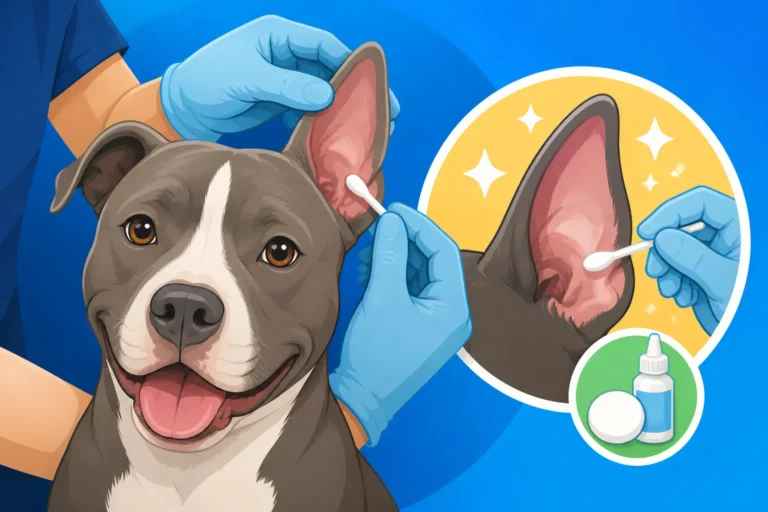
For an older Pit Bull, annual vet visits are simply not enough. The American Veterinary Medical Association (AVMA) and other leading organizations recommend twice-yearly examinations for senior dogs. This allows your veterinarian to catch age-related issues much earlier, when they are often more manageable. During these senior check-ups, your vet will perform a thorough physical examination, paying close attention to their joints, teeth, eyes, ears, and palpating for any lumps or bumps that might be new. They'll also listen carefully to their heart and lungs, which is vital as conditions like heart disease can sometimes present subtly.
Comprehensive bloodwork is a cornerstone of senior care. This typically includes a complete blood count (CBC) to check for anemia or infection, and a full chemistry panel to assess kidney, liver, and pancreatic function. Thyroid testing is also common, as older dogs, including Pit Bulls, can develop hypothyroidism, which can affect metabolism, coat quality, and energy levels. A urinalysis is also standard, as changes in urine can indicate kidney disease, urinary tract infections, or even diabetes. Monitoring blood pressure is another important aspect, as hypertension can impact kidney function, heart health, and even vision. While the financial strain of these increased vet visits can be a concern for many owners, it's an investment in your dog's well-being. This is where pet insurance, like Healthy Paws, can be incredibly helpful. While it generally won't cover pre-existing conditions, having a policy in place for your senior Pit Bull can significantly alleviate the burden of unexpected new illnesses, diagnostics, or surgical costs that might arise. Even if your Pit Bull is already a senior, it's worth looking into. For a deeper dive into what to expect, consider reviewing The Bloodwork an Old Pit Bull Should Have.
Managing Chronic Conditions and Pain
Many senior Pit Bulls will develop at least one chronic condition, with arthritis being particularly common due to their powerful build. The good news is that there are numerous ways to manage these conditions and keep your dog comfortable. Non-Steroidal Anti-Inflammatory Drugs (NSAIDs) like carprofen (Rimadyl), firocoxib (Previcox), or galliprant are often prescribed for arthritis pain and inflammation. Newer medications, such as Librela, an injectable antibody therapy, offer another powerful option for managing osteoarthritis pain with potentially fewer side effects than traditional NSAIDs. Always administer these medications under veterinary guidance, as they require careful monitoring.
Beyond prescription medications, many vets recommend joint supplements containing glucosamine, chondroitin, and MSM, which can help support cartilage health and reduce inflammation. Omega-3 fatty acids, typically found in fish oil supplements, also have potent anti-inflammatory properties. It's crucial to be vigilant in recognizing signs of pain in your Pit Bull. They are incredibly stoic animals and often hide discomfort until it becomes severe. Subtle signs might include a slight limp, reluctance to jump or use stairs, decreased activity, changes in appetite or mood, or even growling or snapping when touched in a sensitive area. What might seem like "slowing down" could actually be chronic pain. Discussing these observations openly with your vet is vital to developing an effective pain management plan. For more in-depth information on managing specific conditions, you might find Pit Bull Joint and Ligament Injuries a useful read. Remember, their comfort is paramount, and there's no shame in seeking solutions to alleviate their suffering.
Emotional Support and Quality of Life
The emotional well-being of your senior Pit Bull is just as important as their physical health. As their senses decline and their bodies slow down, they often become more reliant on their human companions for comfort, security, and reassurance. Nurturing their mental and emotional state contributes significantly to their overall quality of life.
Nurturing Their Mental and Emotional Well-being
Even as physical abilities wane, your senior Pit Bull still craves companionship and affection. Maintaining a consistent routine for meals, potty breaks, and gentle walks provides a predictable structure that reduces anxiety, especially for dogs experiencing cognitive decline or vision/hearing loss. Knowing what to expect helps them feel secure in their changing world. Continue to engage with them through gentle interactive play, even if it’s just a short game of tug with a soft toy or a slow roll of a tennis ball. Praise and positive reinforcement are just as impactful now as they were when they were puppies; a kind word, a gentle stroke, or a favorite treat can brighten their day and reinforce your bond.
It’s easy to feel overwhelmed by the physical care needs of an aging dog, but don't forget the power of simple presence. Cuddle sessions on the couch, quiet moments spent grooming them, or simply having them lie near you while you work can provide immense comfort. For many owners, watching their once-energetic Pit Bull slow down can be emotionally taxing, bringing feelings of sadness, guilt, or even resentment. These feelings are valid. It's a significant emotional investment to care for a senior pet, and acknowledging your own feelings is part of the process. Remember, your calm and loving presence is often the most profound comfort you can offer your aging friend.
Recognizing When Quality of Life Declines
This is perhaps the hardest aspect of senior pet ownership. The moment comes when you have to honestly assess their quality of life, not just for a day, but consistently over time. It's a conversation often had in hushed tones with your vet, your family, and, most importantly, yourself. Key indicators of declining quality of life include persistent, unmanageable pain, a significant loss of appetite or refusal to eat, chronic vomiting or diarrhea, severe incontinence, or an inability to stand or move independently. A Pit Bull who no longer enjoys their favorite activities—be it a gentle walk, interacting with family, or even just a good chew—is also signaling that their joy might be diminishing.
Many veterinarians and pet hospice services offer "quality of life scales" that can help you objectively assess various aspects of your dog's well-being (pain, hunger, hydration, hygiene, happiness, mobility, etc.) and track them over time. This tool can be incredibly helpful in making an informed, compassionate decision. It's about weighing the good days against the bad, and ensuring that their remaining time is truly comfortable and joyful, not just endured. This is a topic that touches the core of our bond with our pets, and it’s okay to struggle with it. For guidance on this incredibly difficult decision, please refer to Judging a Pit Bull's Last Year Honestly and The Hardest Call a Pit Bull Owner Makes. It's a testament to your love that you're even contemplating this, and whatever decision you make, it will come from a place of deep care.
End-of-Life Planning and Support
Navigating the final chapter of your Pit Bull's life is undoubtedly one of the most challenging experiences any pet owner will face. While it's a topic we often shy away from, preparing for it thoughtfully can bring a sense of peace and ensure your beloved companion's last moments are as comfortable and dignified as possible.
Discussing End-of-Life Options with Your Vet
It's never too early to have an open and honest conversation with your veterinarian about your Pit Bull's prognosis and potential end-of-life options. This discussion can help you understand the progression of their illness, what to expect, and what choices are available to you. Palliative care, or hospice care, focuses on maximizing comfort and reducing pain without necessarily treating the underlying disease. This might involve adjusted pain medications, anti-nausea drugs, subcutaneous fluids for hydration, or specific environmental changes to improve their daily experience. The goal is to ensure that every remaining day is as good as it can be.
When the time comes, and quality of life has significantly diminished, euthanasia is a compassionate option to prevent prolonged suffering. Many veterinary clinics offer both in-clinic and at-home euthanasia services. At-home euthanasia can provide a peaceful, familiar environment for your Pit Bull's final moments, surrounded by their loved ones. Discussing the process, what to expect, and aftercare options (like cremation or burial) beforehand can help you feel more prepared when the moment arrives. Remember, this decision, however painful, is a final act of love, prioritizing their freedom from pain and suffering above all else. Your vet is there to support you through every step of this difficult conversation, offering guidance and compassion.
Coping with Grief
The bond we share with our Pit Bulls is profound, extending deeply into our hearts and daily lives. When that bond is broken by loss, the grief can be overwhelming and deeply personal. It's essential to acknowledge that the pain you feel is valid and a natural response to losing a cherished family member. Don't let anyone diminish your grief; it is real and deserves to be honored. There's no right or wrong way to grieve, and everyone processes loss differently. Some people find comfort in sharing stories and memories, while others prefer quiet solitude.
Allow yourself to feel the emotions that arise – sadness, anger, guilt, emptiness. These are all normal parts of the grieving process. Consider creating a memorial for your Pit Bull, whether it's a photo album, a special place in your garden, or a donation in their name to a rescue organization. Talking about your feelings with understanding friends, family members, or even a support group for pet loss can be incredibly helpful. There are also many pet loss hotlines and online communities where you can connect with others who understand your pain. Remember that healing takes time, and there is no timeline for grief. Be kind to yourself, honor your feelings, and allow yourself the space to mourn. Your Pit Bull brought immense joy into your life, and the love you shared will always be a part of you.
Senior Pit Bull Health & Care Overview
Here's a quick look at some common age-related issues in Pit Bulls and how to address them:
| Health Issue | Common Symptoms | Care & Management Tips |
|---|---|---|
| Arthritis/Joint Pain | Stiffness, reluctance to move, limping, difficulty with stairs/jumps | Orthopedic beds, ramps, NSAIDs, joint supplements (glucosamine/chondroitin), hydrotherapy, physical therapy, weight management. |
| Vision/Hearing Loss | Bumping into objects, unresponsiveness to commands, disorientation | Maintain consistent home layout, use hand signals, speak louder/clearer, gentle touches, consistent routines. |
| Cognitive Dysfunction (CCD) | Disorientation, altered sleep cycles, house-soiling, decreased interaction | Consistent routine, gentle mental stimulation (puzzle toys), L-carnitine, SAMe supplements, specific prescription diets. |
| Dental Disease | Bad breath, difficulty eating, pawing at mouth, visible tartar | Regular professional dental cleanings, soft food, dental chews/water additives (if tolerated), daily brushing (if possible). |
| Organ Decline (Kidney, Liver, Heart) | Increased thirst/urination, lethargy, vomiting, weight loss, coughing | Regular vet check-ups (twice yearly), bloodwork/urinalysis, specialized prescription diets, medications to support organ function (e.g., vet-prescribed kidney or heart meds). |
| Weight Changes (Obesity/Muscle Loss) | Visible fat deposits, muscle wasting, lethargy | Calorie-controlled diet, senior-specific food, portion control, tailored gentle exercise, high-quality protein. |
| Skin & Coat Changes | Dull coat, dry skin, thinning hair, lumps/bumps | Omega-3 supplements, hydrating shampoos, regular grooming, vet check for thyroid issues or skin conditions, prompt lump assessment. |
Disclaimer
This article is intended for informational purposes only and does not constitute medical advice. Always consult with a qualified veterinarian for any health concerns or before making any decisions about your Pit Bull's care or treatment plan.