Pit Bull Hot Spots and Secondary Infection
It’s heartbreaking to see your usually vibrant Pit Bull suddenly develop a raw, weeping patch of skin, seemingly overnight. These 'hot spots,' officially known as acute moist dermatitis, are not only unsightly but incredibly painful and itchy for your dog, often leading to frantic licking and chewing that makes everything much worse. This comprehensive guide is here to walk you through understanding what hot spots are, how to identify them, effective treatment strategies, and most importantly, how to prevent these frustrating skin issues from plaguing your beloved Pit Bull.
What Are Hot Spots and Why Pit Bulls Get Them?
Hot spots are a common and incredibly vexing skin problem that can appear with alarming speed on any dog, and our Pit Bulls are certainly not immune. They represent a rapid-onset, localized inflammation and bacterial infection of the skin, often made much worse by the dog's own efforts to relieve the intense itch. It’s like a tiny itch that turns into a raging inferno within hours because your dog can’t stop scratching, licking, or chewing it.
Understanding Acute Moist Dermatitis
Acute Moist Dermatitis, the fancy veterinary term for a hot spot, truly lives up to its name. "Acute" means it appears suddenly, often without much warning, while "moist dermatitis" perfectly describes the weeping, oozing nature of the lesion. Imagine a small irritation on your Pit Bull's skin – perhaps from a flea bite, an allergy flare, or just a bit of moisture trapped in their coat. This tiny irritation begins to itch. Your Pit Bull, being a dog, responds by licking, scratching, or chewing the spot. This self-trauma quickly breaks the skin barrier, creating an open wound.
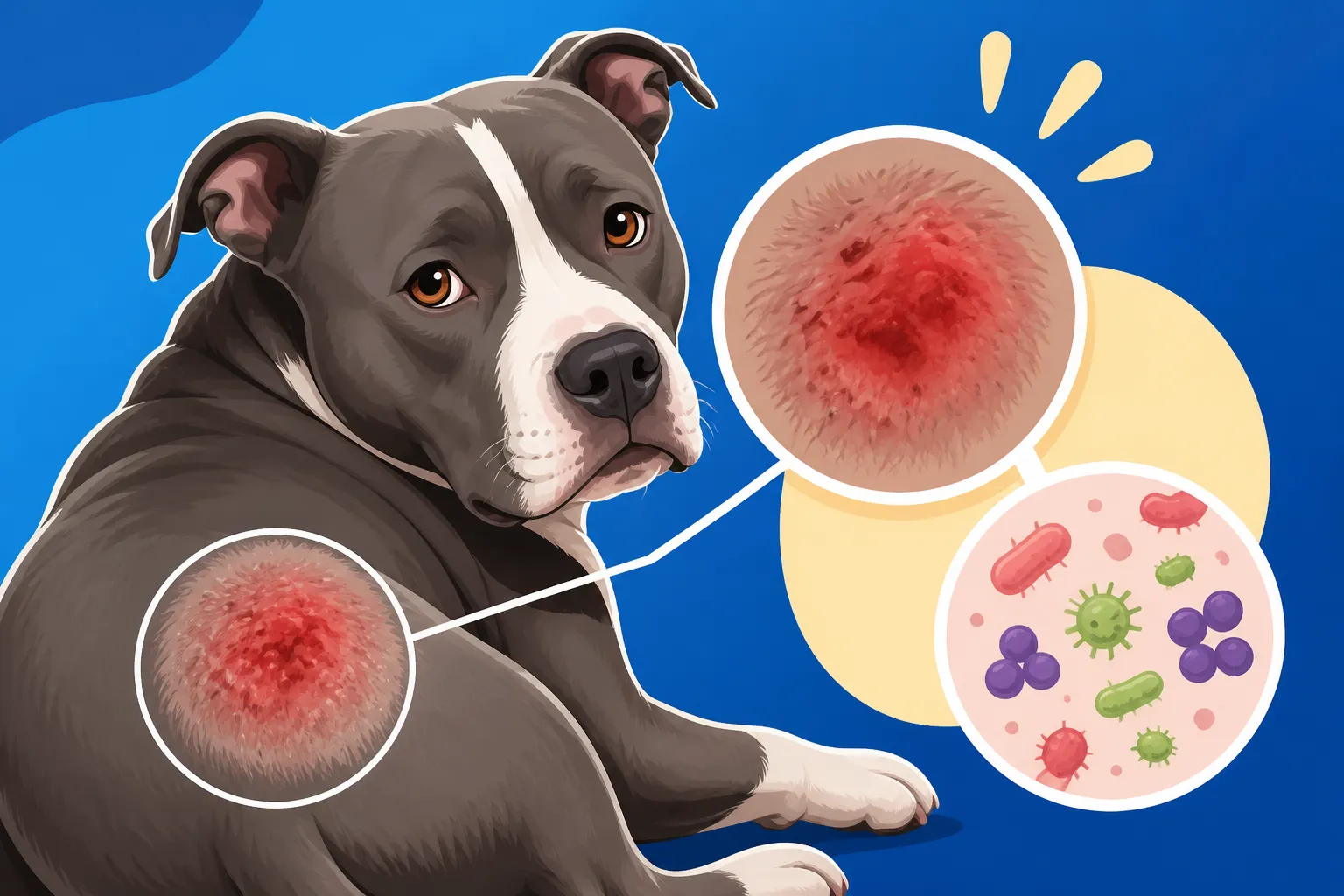
Once the skin is broken, the normal bacteria living on the surface of your Pit Bull's skin, typically Staphylococcus species, seize the opportunity. They invade the damaged tissue, leading to a rapid bacterial overgrowth and infection. The constant licking and chewing not only introduce more bacteria but also keep the area warm and moist, creating the perfect breeding ground for these microbes. This cycle of itch, self-trauma, and infection rapidly escalates, turning a minor irritation into a painful, expanding, red, and often oozy lesion, sometimes in just a few hours. It’s a classic example of a "vicious cycle" in dermatology.
Common Triggers for Pit Bull Hot Spots
The sheer speed at which hot spots develop can make pinpointing the initial trigger a challenge, but there are several common culprits that frequently set off this chain reaction in Pit Bulls. One of the most widespread triggers is parasitic infestations, particularly fleas. Even a single flea bite on a Pit Bull with Flea Allergy Dermatitis in a Pit Bull can unleash an allergic reaction so intense that they will chew themselves raw trying to find relief. Other external parasites like mites (think demodex or sarcoptes) can also initiate the itch-scratch cycle.
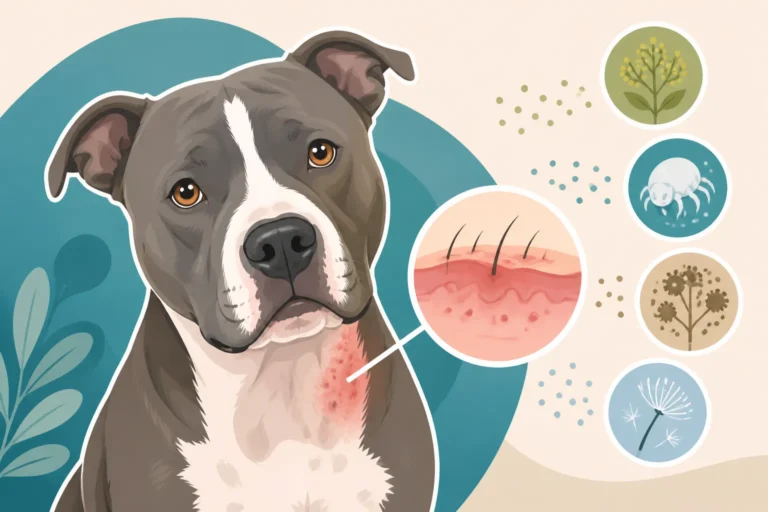
Beyond parasites, allergies are a massive factor for Pit Bulls. Many Pit Bulls are prone to environmental allergies, also known as atopy. These can manifest as intense itching from pollen, dust mites, or molds, leading to constant scratching and licking in areas like their paws, flanks, or face. If you've ever dealt with Pit Bull Atopy and Seasonal Itching, you know how relentless these irritations can be, creating prime conditions for hot spots. Food allergies are another significant trigger, causing generalized itching that can lead to localized hot spots. Some Pit Bulls also experience irritation from contact with certain plants, chemicals, or even materials in their bedding, resulting in a similar itchy response. Furthermore, ear infections, especially those caused by yeast or bacteria, can cause a Pit Bull to scratch intensely at their ears and the skin around them, leading to hot spots on the cheek or neck. Even things like boredom, stress, or anxiety can manifest as obsessive licking, which can eventually break the skin and invite infection.
The Role of Pit Bull Skin and Coat Type
While any dog can develop a hot spot, certain characteristics of Pit Bulls can make them particularly susceptible. Their short, dense coats, while seemingly low-maintenance, can actually trap moisture against the skin after a bath, a swim, or even just heavy dew on the grass. This trapped moisture, combined with body heat, creates a humid environment perfect for bacterial and yeast overgrowth. Think about how quickly skin gets irritated if it stays wet and warm under a bandage – it’s a similar principle.
Additionally, some Pit Bulls have natural skin folds, particularly around their neck, jowls, or at the base of their tail. These folds are notorious for trapping moisture, dirt, and oils, leading to irritation and potential infection, especially Yeast Infections in Pit Bull Skin Folds. The skin within these folds is often less exposed to air, making it harder to dry out and more prone to issues. While their strong, muscular build is one of their defining traits, it also means they have powerful jaws and strong legs, capable of inflicting significant self-trauma when they get an itch. A quick, vigorous scratch or an intense chewing session can turn a minor irritation into a full-blown hot spot much faster in a Pit Bull than in a more delicate-skinned breed. Understanding these breed-specific factors helps us appreciate why proactive care and quick intervention are so crucial for these wonderful dogs.
Recognizing the Signs of a Pit Bull Hot Spot
One of the most frustrating things about hot spots is how quickly they seem to go from "nothing" to "oh my goodness!" You might notice your Pit Bull was a little itchy yesterday, and today there's a golf-ball-sized, angry red lesion. Learning to recognize the early signs can help you intervene before it becomes a major problem.
Visual Cues and Physical Appearance
The classic hot spot is often described as a rapidly developing, red, moist, and often hairless lesion on the skin. It typically starts as a small, itchy patch, but within hours, due to constant licking and chewing by your Pit Bull, it can expand significantly. The affected area will look raw, angry, and inflamed, much like a severe abrasion or burn. The skin itself will be bright red, and you might see clear or yellowish fluid oozing from the surface, which can then dry into crusts or mats in the surrounding fur.
The hair in and around the hot spot often becomes matted and sticky, making the area look even more unpleasant. As the lesion progresses, the central area might appear ulcerated or eroded, with raised edges indicating the active inflammation. Hot spots are most commonly found on the flanks, hips, chest, neck, face (especially around the ears or eyes), or the base of the tail. When you part your Pit Bull's fur, the contrast between their healthy, clear skin and the angry, wet patch will be stark. Sometimes, the area will even feel warmer to the touch due to the intense inflammation. It's a truly uncomfortable sight, and it’s a clear signal that your Pit Bull needs some help.
Behavioral Changes and Discomfort
Beyond the obvious visual changes, your Pit Bull’s behavior will give you strong clues that something is amiss. The primary behavioral sign is, of course, the relentless licking, chewing, and scratching of the affected area. This isn't just a casual itch; it's often an obsessive, non-stop effort to relieve intense discomfort. You might notice them fixating on one particular spot, even ignoring toys or treats they'd normally love. This incessant self-trauma is both the cause and the exacerbating factor of the hot spot.
Your Pit Bull might become restless, unable to settle down, constantly shifting positions to get at the itch. They might whine or whimper softly when trying to reach the spot, or even snap or growl if you attempt to touch the area. This pain response is a crucial indicator of how severe their discomfort is. Some Pit Bulls might even show signs of general malaise, such as decreased appetite, lethargy, or a reluctance to engage in their usual activities, especially if the hot spot is particularly painful or large. If you notice your dog excessively engaged in Pit Bull Paw Licking and Chewing or constantly rubbing their face on the carpet, it’s worth investigating further, as these could be precursors to a hot spot or signs of an underlying allergy that leads to them.
Secondary Infections: What to Look For
While hot spots are, by definition, a superficial bacterial infection, they can quickly be complicated by other types of secondary infections, making the situation even worse. The most common secondary invaders are yeast (Malassezia) and deeper bacterial infections. If you notice a strong, unpleasant, yeasty odor emanating from the hot spot, or if the skin looks greasy and has a reddish-brown discoloration, especially in skin folds, you might be dealing with a concurrent yeast infection. This can add another layer of intense itchiness.
Deeper bacterial infections can also occur. Look for pustules (small pus-filled bumps), papules (small red bumps), or the formation of thick, adherent crusts over the raw surface. If the discharge from the hot spot changes from clear or yellowish to thick, green, or foul-smelling pus, this is a strong indicator of a more severe bacterial infection. In some cases, the infection can spread beyond the localized hot spot, leading to folliculitis (inflammation of hair follicles) or even cellulitis (a more widespread skin infection). If your Pit Bull seems feverish, lethargic, or has swollen lymph nodes, it’s a sign that the infection is becoming systemic and needs immediate veterinary attention. Timely intervention is crucial, as secondary infections can significantly prolong healing time and increase discomfort.
First Aid and Initial Management for Pit Bull Hot Spots
Finding a hot spot on your Pit Bull can be alarming, but there are crucial first steps you can take at home to halt its progression and offer some immediate relief. The key is to act quickly to break the itch-scratch cycle and prevent further self-trauma.
Cleaning and Clipping the Affected Area
This is perhaps the most critical first step. Hot spots thrive in warm, moist, hair-covered environments. To effectively treat a hot spot, you need to expose it to air and allow it to dry. This almost always means gently clipping the hair away from the lesion. Using electric clippers with a #40 blade is ideal, as it’s less likely to nick the skin than scissors. Be incredibly gentle, as the skin is raw and painful. You'll want to clip a generous margin around the visible hot spot, extending at least an inch or two into apparently healthy skin. This allows you to see the true extent of the lesion, remove matted hair, and promote airflow.
Once clipped, the area needs to be cleaned thoroughly but gently. Avoid harsh soaps or alcohol. Instead, use a mild antiseptic solution. A diluted chlorhexidine solution (commonly available at pet stores or vet offices) or a diluted povidone-iodine solution (to a weak tea color) works well. You can also use a saline solution or simply lukewarm water to gently wipe away any crusts, debris, and oozing discharge. Pat the area dry with a clean cloth or paper towel afterward. The goal is to clean and dry the surface, not to scrub or irritate it further. This initial clipping and cleaning might be painful for your Pit Bull, so having another person to help gently restrain them and offer reassurance or treats can make a big difference.
Controlling Licking and Chewing
This step is non-negotiable for hot spot healing. If your Pit Bull continues to lick or chew the area, all your cleaning and efforts will be in vain. The relentless self-trauma will prevent healing, reintroduce bacteria, and keep the hot spot moist and inflamed. The most effective tool for this is an Elizabethan collar, or "E-collar," often called a "cone of shame." Yes, your Pit Bull will likely hate it, but it’s absolutely essential for their recovery. There are various types of E-collars available, including rigid plastic ones, softer fabric cones, and inflatable collars. Choose one that prevents your Pit Bull from reaching the hot spot without impeding their ability to eat, drink, or lie down comfortably.
If an E-collar isn't feasible or your Pit Bull absolutely refuses it, consider a recovery suit or a T-shirt that covers the affected area. Just be sure the fabric is breathable and doesn't trap moisture, which could exacerbate the problem. You might also consider using a bitter spray around the edges of the clipped area (never directly on the raw wound) to deter licking, but this is usually secondary to a physical barrier. Consistency is key here; even a few minutes of unsupervised licking can undo hours of progress. Remember, your vet may recommend specific anti-itch medications if the urge to lick is overwhelming, which can make managing this step much easier.
Soothing the Irritation at Home
After clipping and cleaning, your Pit Bull will still be itchy and uncomfortable. While these home remedies are not a substitute for veterinary care, they can provide temporary relief and aid in the healing process. Cool compresses applied to the hot spot can help reduce inflammation and soothe the intense itch. You can use a clean cloth soaked in cool water (or a weak solution of chamomile tea for its anti-inflammatory properties) and gently hold it against the area for 5-10 minutes several times a day. Ensure the cloth isn't dripping wet, as you don't want to re-moisten the area.
Topical soothing agents designed for pets can also be helpful. Look for sprays or gels containing ingredients like hydrocortisone (a mild steroid to reduce inflammation), witch hazel, or colloidal oatmeal. Products like Vetericyn Plus Antimicrobial Wound and Skin Care are excellent as they are safe if licked and help with both cleaning and healing. However, always read the labels carefully and avoid anything with alcohol, perfumes, or ingredients that could be toxic if ingested, especially since your Pit Bull will likely try to lick it off. Remember, these are palliative measures. If the hot spot is large, deeply infected, or not showing improvement within 24 hours of diligent home care, it’s time to call your veterinarian. What works for a minor irritation might not be enough for a full-blown hot spot, and without professional help, it can quickly worsen.
| Feature | Initial Home Care Steps | When to Seek Veterinary Care |
|---|---|---|
| Action | Gentle clipping, cleaning with mild antiseptic, E-collar | Prescription medications, diagnostic tests, deeper wound care |
| Area Size | Small, localized, recent onset | Spreading rapidly, large, deep, recurrent |
| Symptoms | Mild oozing, discomfort | Intense pain, foul odor, pus, fever, lethargy |
| Response | Improving within 24 hours | Worsening or no improvement after 24 hours |
| Underlying | Clear cause (e.g., obvious flea bite) | Unknown cause, suspected allergies or systemic issues |
| Cost (approx) | Minimal (clippers, antiseptic, cone) | Moderate to significant (exams, meds, diagnostics) |
Veterinary Diagnosis and Treatment Options
Even with the best home care, many hot spots require professional veterinary intervention to heal properly and prevent recurrence. Your vet can provide stronger medications and diagnostic tools to get to the root of the problem.
When to Seek Professional Help
It’s often hard to know when a home remedy isn't enough, but for hot spots, the general rule is: when in doubt, call your vet. You should definitely make an appointment if the hot spot is rapidly expanding, if it's exceptionally painful and your Pit Bull won't let you touch it, or if it's deep and appears to involve more than just the surface skin. Any signs of generalized illness, like fever, lethargy, loss of appetite, or swollen lymph nodes, indicate a more serious infection that needs immediate medical attention.
Furthermore, if the hot spot shows no signs of improvement or continues to worsen after 24 hours of your diligent at-home clipping, cleaning, and cone-wearing, it’s time for the pros. Don't wait longer, as these lesions can quickly become much larger and more complicated. Recurring hot spots are also a strong signal that there's an underlying issue that needs to be diagnosed and managed, whether it’s allergies, parasites, or something else. A good pet insurance plan, like one from Healthy Paws, can be incredibly helpful for managing unexpected vet bills from recurring conditions like this, helping you focus on your Pit Bull's health rather than the financial strain.
Common Medications and Therapies
Once at the vet, they will likely start by performing a thorough physical exam and assessing the hot spot. They may re-clip and clean the area more extensively than you could at home. The primary goal of veterinary treatment is to control the infection, reduce inflammation and itch, and break the self-trauma cycle. This usually involves a combination of medications.
Oral antibiotics are almost always prescribed to tackle the bacterial infection. These are typically given for a minimum of two to three weeks, sometimes longer, depending on the severity of the infection. In some cases, your vet might take a swab for culture and sensitivity testing to identify the specific bacteria and choose the most effective antibiotic, especially if previous treatments haven't worked. To combat the intense inflammation and itch, corticosteroids (steroids) are commonly used. These might be given as oral tablets for a short course or, in some instances, as an injectable medication for immediate relief. For Pit Bulls with severe itching, non-steroidal options like Apoquel or Cytopoint injections, specifically designed to target the itch pathway, may be prescribed. You can learn more about these in Apoquel and Cytopoint for an Itchy Pit Bull. Additionally, your vet will likely send you home with a prescription topical spray, ointment, or medicated shampoo for ongoing daily care. These topical treatments often contain antibiotics, steroids, and/or antifungal agents to directly treat the skin. Always follow your vet's instructions carefully when administering medications, as incorrect dosages or durations can lead to resistance or ineffective treatment.
Addressing Underlying Causes
Treating the hot spot itself is only half the battle; the real victory comes from identifying and managing the underlying trigger to prevent future occurrences. Your vet will ask a lot of questions about your Pit Bull's history: diet, flea prevention, seasonal itching, other health issues, and even their daily routine. If fleas are suspected, strong, year-round flea control will be recommended. This is vital, even if you don't see live fleas, as some dogs are so allergic that a single bite can cause a major flare-up.
For Pit Bulls prone to allergies, addressing the specific type of allergy is paramount. This might involve a strict An Eight Week Food Trial on an Itchy Pit Bull to rule out food allergies, or discussions about environmental allergy testing (intradermal skin testing or blood tests) to pinpoint specific allergens. Once identified, managing environmental allergies might include immunotherapy (allergy shots), regular bathing with medicated shampoos (like those discussed in Medicated Baths for a Pit Bull With Atopy), antihistamines, or ongoing use of anti-itch medications. Conditions like Pit Bull Ear Infections and What Drives Them also need to be thoroughly treated and prevented, as an untreated ear infection is a common precursor to hot spots on the head or neck. If boredom or anxiety is suspected as a trigger, enrichment activities, increased exercise, or even behavioral modification might be part of the long-term solution. Comprehensive care means looking beyond the immediate wound to the whole picture of your Pit Bull's health.
Preventing Hot Spots in Pit Bulls
The best hot spot is the one that never happens. While you can't eliminate all risks, adopting a proactive approach to your Pit Bull's skin health, diet, and environment can significantly reduce their susceptibility to these painful lesions.
Regular Grooming and Skin Checks
Consistent grooming is a cornerstone of preventing hot spots, especially for our short-coated Pit Bulls. Even though their fur isn't long, a good brushing a few times a week can help remove loose hair, dirt, and potential allergens from their coat. More importantly, it gives you a fantastic opportunity to perform a thorough skin check. Run your hands over your Pit Bull’s entire body, paying close attention to common hot spot areas like the flanks, neck, base of the tail, and behind the ears.
Look for any redness, bumps, scabs, or signs of irritation. Feel for any changes in skin texture, like warmth or unusual lumps. Don't forget to check between their toes, in their armpits, and under any skin folds, as these are prime spots for moisture and irritation to hide. After baths or swims, make sure your Pit Bull is thoroughly dried. A damp coat, especially in a thick undercoat, creates a perfect breeding ground for bacteria and yeast. If you live in an area with high humidity or your Pit Bull loves to swim, a pet-specific forced-air dryer can be a worthy investment to ensure their skin and coat are truly dry. Regular cleaning of any Pit Bull Skin Fold and Belly Irritation with appropriate wipes can also prevent issues from developing.
Managing Allergies and Parasites
Since allergies and parasites are such significant triggers for hot spots, year-round, consistent management is non-negotiable for Pit Bulls. Start with a robust flea and tick prevention program recommended by your veterinarian. This isn't just a seasonal thing; fleas can be a problem all year, even indoors. There are many effective options available, from oral medications to topical treatments. Discuss with your vet which product is best for your Pit Bull’s lifestyle and any existing sensitivities. Many pet insurance providers, such as Healthy Paws, emphasize preventative care and may even offer wellness plan add-ons that can help cover the costs of these crucial parasite preventatives, making it easier to keep your Pit Bull protected.
For Pit Bulls with known or suspected environmental allergies, a multi-faceted approach is often required. This might include regular bathing with a soothing, hypoallergenic shampoo to wash off environmental allergens. Wiping down their paws and belly after outdoor excursions can also reduce allergen exposure. Consider air purifiers in your home if dust mites or pollen are major triggers. If food allergies are at play, sticking to a vet-recommended limited ingredient diet is crucial. Consistency in managing these underlying allergic conditions dramatically reduces the chances of a hot spot flaring up.
Dietary Considerations for Skin Health
A healthy diet plays a vital role in supporting overall skin health and can make your Pit Bull more resilient to conditions like hot spots. A high-quality dog food, rich in easily digestible proteins and healthy fats, provides the building blocks for strong skin and a healthy coat. Avoid foods with common allergens if your Pit Bull has a suspected food sensitivity.
Omega-3 fatty acid supplements, such as fish oil, are often recommended by veterinarians to improve skin barrier function and reduce inflammation. These can make the skin less reactive and help it heal more effectively when problems do arise. Look for supplements specifically formulated for dogs and always discuss appropriate dosages with your vet. For Pit Bulls with chronic skin issues, your veterinarian might recommend a prescription diet formulated to support skin health, often containing higher levels of omega fatty acids, antioxidants, and novel proteins. While diet alone might not prevent every hot spot, providing optimal nutrition certainly gives your Pit Bull's skin its best chance at staying healthy and resisting the infections that hot spots bring.
Disclaimer
The information provided in this article is for general informational purposes only and is not a substitute for professional veterinary advice, diagnosis, or treatment. Always seek the advice of your veterinarian or other qualified animal health provider with any questions you may have regarding a medical condition. Never disregard professional veterinary advice or delay in seeking it because of something you have read in this article.