Whether a Pit Bull Allergy Ever Goes Away
It's incredibly frustrating, isn't it, when your beloved Pit Bull starts scratching, licking, and generally making themselves miserable with an itch they just can't shake? You try everything, from diet changes to fancy shampoos, hoping against hope that one day, this constant battle with allergies will simply vanish. But the honest truth about whether a Pit Bull allergy ever truly goes away is a nuanced and often difficult one to accept. This guide will delve deep into the realities of canine allergies in Pit Bulls, helping you understand why they persist and what long-term management truly entails.
Understanding the Chronic Nature of Pit Bull Allergies
When your Pit Bull starts showing signs of environmental or food sensitivities, it's natural to wish for a quick fix, a magical cure that makes it all disappear forever. Unfortunately, for most dogs, especially those prone to allergies like many Pit Bulls, allergies are a chronic condition. They aren't like a bacterial infection that clears up with a course of antibiotics; instead, they are an overreaction of the immune system to substances that should be harmless. This fundamental misunderstanding can often lead to frustration and burnout for owners who feel like they're constantly fighting a losing battle.
Genetic Predisposition and Immune Response
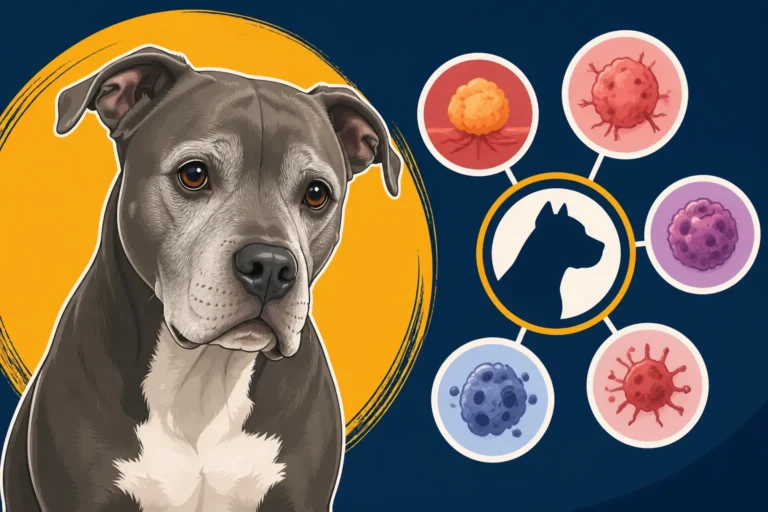
The primary reason why allergies rarely "go away" in Pit Bulls is rooted deeply in their genetics. Many Pit Bull type dogs, including American Pit Bull Terriers and American Staffordshire Terriers, are genetically predisposed to developing allergies, particularly environmental allergies known as atopy. Their immune systems are wired to react strongly to common allergens like pollen, dust mites, and mold spores. It's not a flaw in their system, but rather an inherited trait that means their bodies will always recognize these environmental triggers as threats. This genetic wiring means that even if symptoms temporarily subside, the underlying susceptibility remains.
Think of it like someone with hay fever; they might have good days or even good seasons, but their body will always be predisposed to react when exposed to pollen. The same goes for your Pit Bull. Their immune system has learned to overreact, and it rarely unlearns that lesson entirely. We talk a lot about Pit Bull Skin Allergies and the Atopy Pattern because it's such a common issue, and understanding its genetic basis is key to realistic expectations.
Environmental Factors and Constant Exposure
Beyond genetics, the sheer ubiquity of environmental allergens makes it nearly impossible for a Pit Bull's allergy to ever truly disappear. We live in a world filled with pollen from trees, grasses, and weeds, microscopic dust mites in our homes, and mold spores that thrive in damp areas. Your dog is exposed to these allergens daily, both indoors and outdoors. While you can certainly mitigate exposure, you can't eliminate it entirely unless you live in a sterile bubble.
This constant, unavoidable exposure means that the immune system is always being challenged. Even with meticulous cleaning and careful management, some level of allergen exposure will almost always occur, preventing the immune system from completely "forgetting" its allergic response. For instance, many owners notice their Pit Bull's allergies are worse during specific seasons, highlighting the impact of fluctuating pollen counts, a phenomenon often discussed in relation to Pit Bull Atopy and Seasonal Itching.
Distinguishing Between Types of Allergies
It's important to recognize that not all allergies are created equal, and understanding the differences can help shape your expectations about whether a particular allergy might "go away" or at least become significantly less problematic. There are primarily three types of allergies we see in Pit Bulls: environmental (atopic dermatitis), food, and flea allergy dermatitis. Each has a different prognosis for long-term "disappearance."
Environmental Allergies Atopic Dermatitis
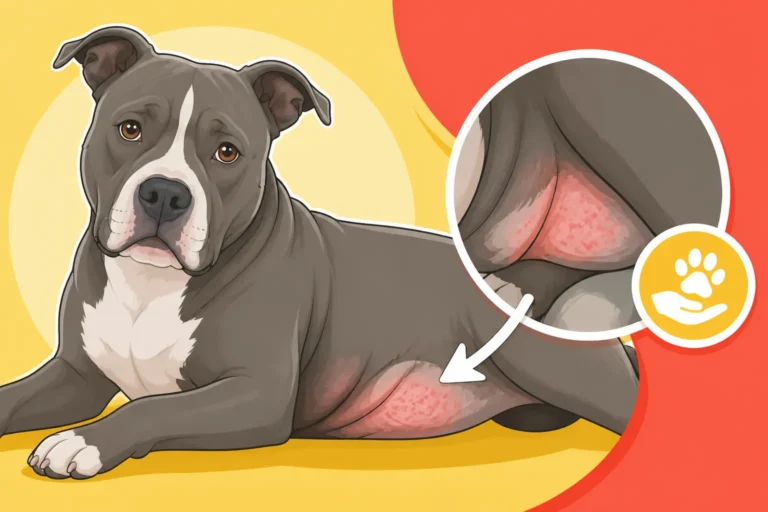
Environmental allergies, or atopic dermatitis, are by far the most common type of allergy in Pit Bulls and are generally considered a lifelong condition. These allergies are triggered by airborne allergens, similar to human hay fever, but manifest primarily as skin irritation, itching, and sometimes ear infections. You'll often see your Pit Bull frantically licking their paws, rubbing their face on the carpet, or scratching relentlessly at their sides.
Because these allergens are so pervasive in the environment, it’s exceedingly rare for a Pit Bull with atopy to simply "grow out of it" or for the allergy to spontaneously disappear. The goal with atopic dermatitis is not a cure, but rather effective management that reduces symptoms to a tolerable level and improves the dog's quality of life. This often involves a multi-modal approach combining medications, special shampoos, and environmental controls. Treatments might include antihistamines, steroids, or newer, more targeted therapies like Apoquel or Cytopoint, which can be highly effective in controlling the itch but don't cure the underlying condition.
Food Allergies
Food allergies in Pit Bulls are less common than environmental allergies, accounting for roughly 10-20% of all canine allergies. Unlike environmental allergies, which often involve a genetic predisposition to pollen or dust, food allergies are an adverse immune response to a specific protein source in their diet. Common culprits include beef, chicken, dairy, and wheat.
The good news here is that if a true food allergy is identified and the offending ingredient is completely removed from the diet, the symptoms can effectively "go away." This is the one scenario where an allergy can seem to disappear, but it's crucial to understand that the dog still has the allergy; they are just no longer exposed to the trigger. This often requires a strict An Eight Week Food Trial on an Itchy Pit Bull using a novel protein or hydrolyzed diet. If the symptoms resolve and then return when the old food is reintroduced, you've likely found your culprit. Then, consistent adherence to a hypoallergenic diet is key. Any deviation, even a single treat with the allergen, can bring symptoms roaring back, proving the allergy hasn't vanished but is simply being managed. We often explore Food Allergies Behind Pit Bull Itching in much greater detail due to their distinct management approach.
Flea Allergy Dermatitis
Flea allergy dermatitis (FAD) is another type of allergy where symptoms can effectively "go away" – with diligent preventative care. In dogs with FAD, it's not the fleas themselves that are the problem, but rather an allergic reaction to flea saliva. Just one or two flea bites can trigger intense itching, redness, and irritation that can last for weeks.
For Pit Bulls suffering from FAD, maintaining strict, year-round flea control is paramount. If you eliminate fleas entirely from your dog and their environment, the symptoms of FAD will disappear. The allergy itself doesn't vanish; your Pit Bull will always be allergic to flea saliva. However, by preventing any bites, you effectively prevent any allergic reaction. Modern flea preventatives like Bravecto, NexGard, or Credelio are highly effective and can make a massive difference for dogs with FAD. Consistent parasite control is critical to preventing flare-ups and keeping your Pit Bull comfortable.
Long-Term Management and Setting Realistic Expectations
Since most Pit Bull allergies, especially environmental ones, are chronic, the focus shifts from hoping for a cure to mastering long-term management. This is where patience, consistency, and a strong partnership with your veterinarian become incredibly important. It's about finding a routine that minimizes discomfort and keeps your Pit Bull happy and healthy, even if the underlying allergy never truly leaves.
Building a Comprehensive Treatment Plan
Successful allergy management for a Pit Bull usually involves a multi-pronged approach, tailored specifically to your dog's needs. This plan might include:
- Medication: Depending on the severity and type of allergy, your vet might prescribe anything from antihistamines and corticosteroids to more advanced immunomodulators like ciclosporine or JAK inhibitors (like Apoquel). Injectable biologics (like Cytopoint) are also very popular for managing environmental allergies, offering long-lasting itch relief.
- Topical Treatments: Regular bathing with medicated shampoos can be incredibly soothing and help remove allergens from the coat, reduce yeast or bacterial overgrowth, and calm inflamed skin. Many owners find Medicated Baths for a Pit Bull With Atopy to be a cornerstone of their routine.
- Dietary Management: For food allergies, this means strict adherence to a prescription hypoallergenic or novel protein diet. For environmental allergies, while diet isn't a cure, a high-quality, balanced diet rich in omega fatty acids can support skin barrier health.
- Environmental Controls: Minimizing exposure to known allergens can help. This might mean frequent vacuuming, washing bedding weekly, using air purifiers, and wiping down your Pit Bull's paws after walks, especially if they are prone to Pit Bull Paw Licking and Chewing due to grass pollen.
- Immunotherapy (Allergy Shots/Drops): This is the closest thing to a "cure" for environmental allergies. After allergy testing (blood test or intradermal skin test) identifies specific allergens, a custom vaccine is created. Over time, giving regular injections or oral drops of these allergens can desensitize the immune system, reducing its reactivity. It doesn't work for every dog, and it takes time (6-12 months to see full effect), but for some, it can significantly reduce reliance on other medications. It's worth exploring What Allergy Shots Cost a Pit Bull Owner if your vet recommends this path.
Working closely with your veterinarian is crucial to navigate these options and adjust the plan as needed. What works well one season might need tweaking the next.
The Role of Consistent Care and Support
Living with an allergic Pit Bull demands consistency. Missing doses of medication, skipping baths, or deviating from a special diet can quickly lead to flare-ups, which can be disheartening for both you and your dog. It's a marathon, not a sprint. Consider pet insurance like Healthy Paws, which often covers diagnostics and treatments for chronic conditions like allergies, provided your dog was enrolled before symptoms began. This kind of financial support can make adhering to complex, long-term treatment plans much more feasible. In fact, many owners consider Enrolling a Pit Bull Before Its First Allergy Flare a smart move precisely for this reason.
Beyond the medical aspects, providing emotional support for your itchy Pit Bull is also important. Constant itching can be stressful and uncomfortable, leading to behavioral changes or even secondary infections. Gentle grooming, regular ear cleanings (which are often linked to allergies, as discussed in Pit Bull Ear Infections and Allergy Links), and plenty of affection can help ease their discomfort and strengthen your bond. Remember that while the allergy might never truly disappear, your consistent care can make an enormous difference in their daily comfort and overall happiness.
Financial Considerations and Budgeting
It’s no secret that managing chronic allergies can be expensive. From regular vet visits and prescription medications to specialized diets and medicated shampoos, the costs add up quickly. It's a reality that can catch many owners off guard. Having a realistic understanding of these ongoing expenses is vital for providing consistent care.
Here’s a snapshot of potential costs:
| Item | Frequency | Estimated Monthly Cost (USD) | Notes |
|---|---|---|---|
| Vet Visits | 2-4 times/year | $20 – $70 | For check-ups, medication refills, flare-ups |
| Allergy Medications | Daily/Monthly | $50 – $200+ | Apoquel, Cytopoint, cyclosporine, etc. |
| Medicated Shampoos | Weekly/Bi-weekly | $10 – $20 | Varies by product and frequency |
| Prescription/Novel Diet | Daily | $60 – $150+ | Specialized kibble, wet food, or hydrolyzed protein options |
| Flea/Tick Preventatives | Monthly | $20 – $40 | Essential for FAD and general health |
| Immunotherapy | Monthly | $40 – $100 (after initial setup) | Initial testing and vaccine creation are separate, higher costs |
| Supplements | Daily | $10 – $30 | Omega fatty acids, probiotics to support skin and gut health |
These figures are estimates and can vary significantly based on location, vet pricing, specific medications, and the severity of your Pit Bull's allergies. Many owners find it helpful to look into pet insurance plans, like those offered by Healthy Paws, to help offset these recurring costs. Planning for Budgeting for a Pit Bull With Chronic Allergies from the outset can prevent financial stress and ensure your dog gets the continuous care they need.
Ultimately, while the dream of a Pit Bull allergy completely vanishing might remain just that – a dream – effective management means your beloved companion can still live a full, joyful, and comfortable life. It’s about accepting the challenge and committing to being their advocate, ensuring their discomfort is minimized, and their zest for life remains undimmed.
Disclaimer
The information provided in this guide is for general informational purposes only and is not a substitute for professional veterinary advice. Always consult with a qualified veterinarian regarding any health concerns or before making any decisions about your Pit Bull's medical care.