Pit Bull Broken Teeth From Hard Chewing
It's an incredibly common scenario: you walk into the living room, heart sinking as you spot fragments of what was supposed to be an "indestructible" chew toy, or worse, you notice a strange way your beloved Pit Bull is eating. These powerful, muscular dogs are renowned for their incredible jaw strength and their passion for chewing, which, while natural, can unfortunately lead to a painful and expensive problem: broken teeth. This comprehensive guide will walk you through understanding why Pit Bulls are prone to this, how to spot the signs of a cracked tooth, what to expect at the vet, and most importantly, how to prevent these painful incidents from happening in the first place.
The Reality of a Pit Bull's Powerful Jaws and Chewing Habits
Anyone who shares their life with a Pit Bull knows just how formidable their jaws can be. These aren't dainty chewers nibbling at toys; they're canine powerhouses that can make short work of items many other breeds would leave untouched. This strength, while impressive, puts their teeth at a higher risk, especially when presented with chews that are simply too hard for their dental health.
Why Pit Bulls Are Such Intense Chewers
The intense chewing drive in Pit Bulls isn't just a quirk; it's deeply rooted in their breed history and physical makeup. Pit Bulls, like many bully breeds, were historically bred for strength, resilience, and tenacity. Their powerful neck and jaw muscles are a testament to this lineage. This isn't about aggression, but about pure, unadulterated physical capability. When they get a chew toy, they engage with it with an intensity that few other dogs can match. It's their way of exploring, de-stressing, and satisfying a natural instinct.
For owners, this can be incredibly frustrating. You spend good money on a toy advertised as "tough" or "long-lasting," only to find it in pieces within minutes or hours. You might feel like you're constantly replacing toys, or worse, cleaning up fragments of toys that could be ingested. This constant battle to find something that can stand up to their chewing power often leads well-meaning owners to purchase chews that are, unknowingly, far too hard. It's a tricky balance: you want to satisfy their need to chew, but you also want to protect their teeth.
The Hidden Dangers of "Indestructible" Chews
The market is flooded with products claiming to be "indestructible" or "power chewer approved." While these labels sound promising to a Pit Bull owner, the reality can be quite different. Many of these chews are made from materials like hard nylon, antlers, hooves, or even natural bones (like femurs) that are simply too hard. If you can't make an indentation with your thumbnail on a chew, it's likely too hard for your dog's teeth.
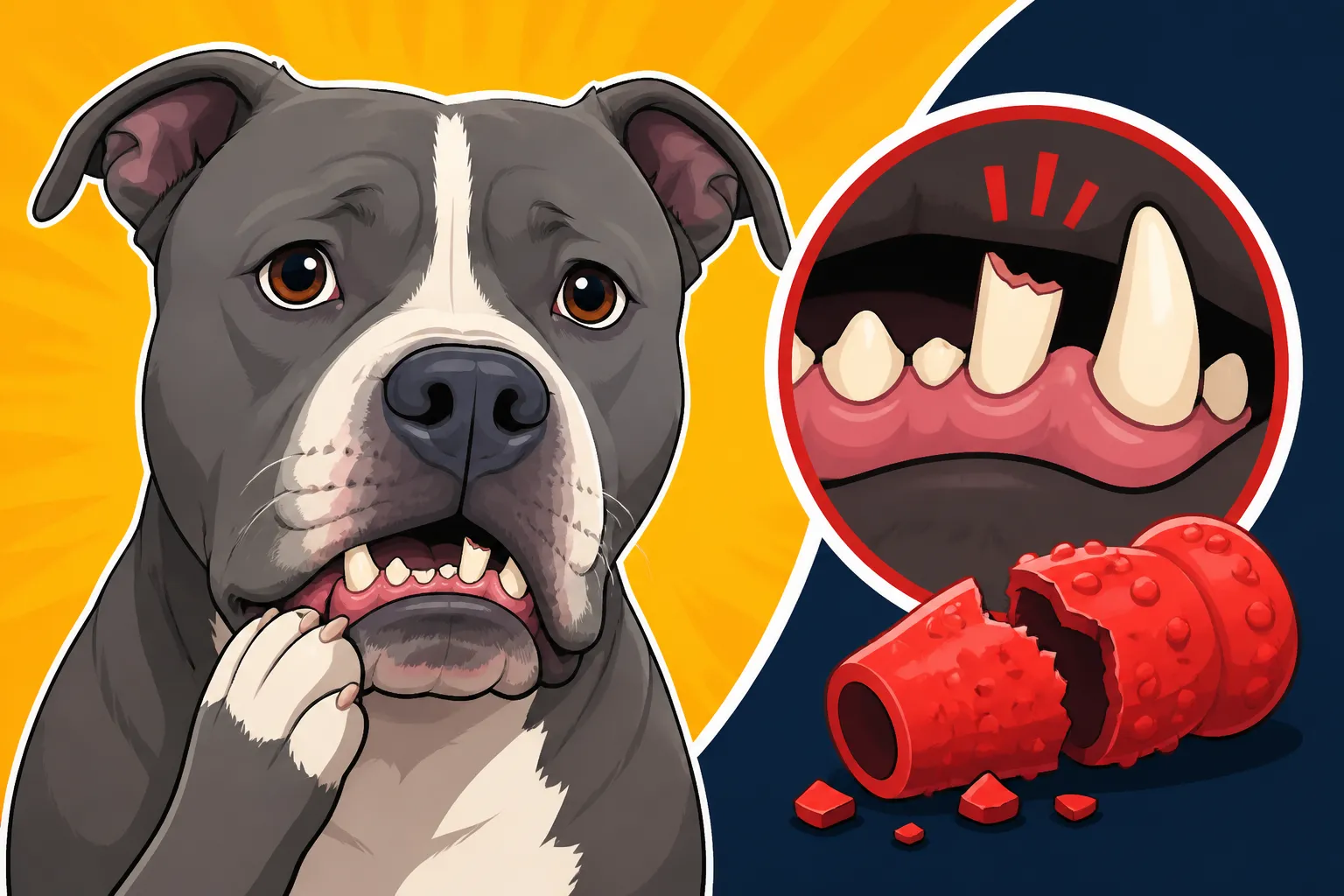
The problem with these ultra-hard chews is that they don't give. When a Pit Bull applies their immense bite force to something unyielding, it's often the tooth that gives way, not the chew. This can result in slab fractures, where a portion of the tooth, often a molar or premolar, breaks off, exposing the sensitive pulp cavity. It's like biting down on a pebble with your own teeth – something has to crack, and it's usually the tooth. Many owners purchase these thinking they are doing the right thing, prolonging the life of a chew, but they are inadvertently putting their dog's dental health at serious risk. We've talked before about Chews That Crack a Pit Bull Molar, and it's a topic that bears repeating because the consequences can be so severe.
Recognizing the Signs of a Broken Tooth in Your Pit Bull
Pit Bulls are incredibly stoic animals. They were bred to push through discomfort and pain, which means they often won't cry out or show obvious signs of a broken tooth, at least not initially. This makes it challenging for owners to identify a problem until it's become quite advanced or infected. However, knowing what to look for can make all the difference.
Subtle Clues and Obvious Symptoms
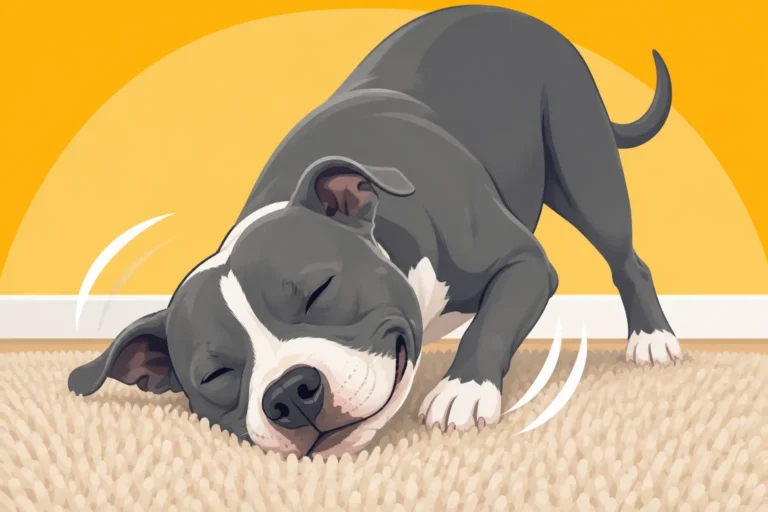
One of the first, yet often overlooked, signs of a broken tooth might be a change in your Pit Bull's eating habits. Perhaps they start chewing more on one side of their mouth, or they might drop food more often. They might show a decreased interest in their favorite hard treats or kibble, preferring softer foods. You might notice them rubbing their face against the carpet or furniture more frequently, an attempt to alleviate discomfort. Increased drooling or bad breath, especially if it's a sudden onset, can also indicate an underlying dental issue, potentially an infection stemming from an exposed tooth pulp. Sometimes, they might just seem a little "off," perhaps more withdrawn or less enthusiastic than usual, without any other clear symptoms. This subtle shift in behavior can be an early warning sign that something is amiss. Owners who are closely attuned to their dog's routine are often the first to pick up on these changes. If you notice A Pit Bull That Refuses Food for a Day, a dental issue is certainly one of the possibilities to explore with your vet.
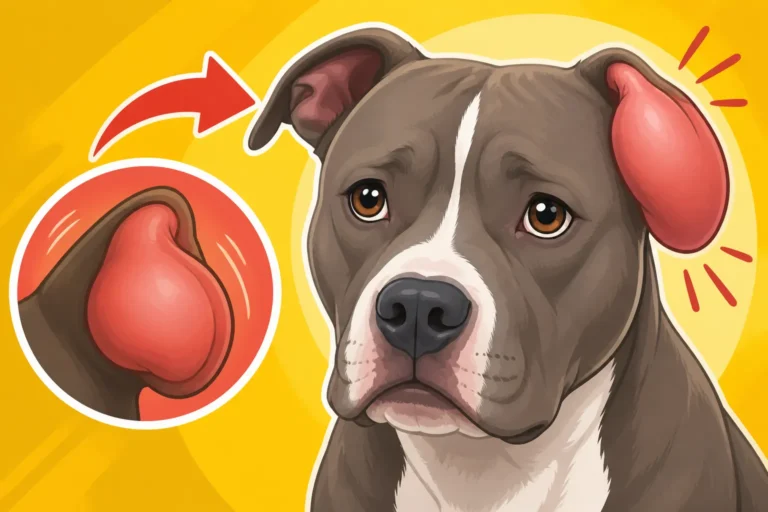
On the more obvious side, you might actually see the broken tooth. This often presents as a dark spot on the tooth (the exposed pulp), a missing piece, or a distinct crack. Sometimes the tooth might appear discolored or unusually red near the gum line due to inflammation. Swelling on one side of the face, especially under the eye or jaw, is a strong indicator of a severe infection or abscess originating from a broken tooth. Your Pit Bull might also become head-shy, flinching or protesting if you try to touch their mouth or face. Any visible blood on their toys or in their water bowl should also raise immediate red flags.
What to Do When You Suspect a Broken Tooth
If you suspect your Pit Bull has a broken tooth, the most crucial first step is to contact your veterinarian immediately. Even if your dog isn't showing overt signs of pain, an exposed pulp cavity is a direct pathway for bacteria into the bloodstream, leading to painful infections that can impact their overall health.
While waiting for your vet appointment, try to prevent your Pit Bull from chewing on anything hard. This means temporarily removing all hard bones, antlers, nylon chews, and even hard kibble if they are in discomfort. Offer softer foods if necessary, or soak their kibble in water to soften it. Do not attempt to clean or treat the broken tooth yourself. Poking around in a painful mouth can cause further distress or even injury to you. Your vet will need to perform a thorough examination, which often requires sedation to get a good look and take necessary X-rays. Ignoring a broken tooth will not make it go away; it will only lead to more pain, potential infection, and more complicated (and expensive) treatment down the line. Catching it early can sometimes mean a less invasive procedure.
The Veterinary Process for Diagnosing and Treating Broken Teeth
When you bring your Pit Bull in for a suspected broken tooth, your vet will perform a thorough examination. However, for a complete and accurate diagnosis, and certainly for treatment, sedation or general anesthesia is almost always required. This allows the vet to examine the tooth properly without causing your dog stress or pain.
Diagnosis: Beyond the Visible Surface
Once your Pit Bull is sedated, your vet can conduct a much more detailed oral exam. They'll use dental probes to check for cracks, pockets, and exposed pulp. However, the true extent of dental trauma, especially a broken tooth, is rarely visible on the surface. This is where dental X-rays become absolutely critical. Just like with humans, X-rays allow the vet to see what's happening below the gum line. They can reveal root fractures, abscesses, bone loss, or other issues that aren't apparent to the naked eye. Without X-rays, a vet might only be treating the visible portion of the problem, leaving underlying pain and infection to fester.
Think of it this way: a broken tooth can be like an iceberg. The visible crack or missing piece is just the tip. The real damage, the infection, the root involvement, is often hidden beneath the gums. This is why a simple visual check isn't enough, and why many vets will recommend a comprehensive oral exam under anesthesia, complete with full-mouth dental X-rays, to get the full picture of your dog's dental health. This diagnostic step, while an added cost, is invaluable in ensuring the correct treatment plan is formulated.
Treatment Options: From Bonding to Extraction
Once the full extent of the damage is assessed, your vet will discuss the available treatment options. These generally fall into a few categories:
- Vital Pulpotomy/Bonding: If the tooth fracture is relatively new (typically within 48 hours) and the pulp is only minimally exposed, a vital pulpotomy might be an option. This procedure involves removing a small portion of the exposed pulp, covering it with a protective material, and then bonding the tooth to seal it. It's often used for younger dogs where saving the tooth is a priority, but it requires swift action after the injury.
- Root Canal Therapy: For more established fractures with exposed pulp, but where the tooth's structural integrity is still good, a root canal can save the tooth. Similar to human root canals, the infected or damaged pulp tissue is removed from the root canal system, the canal is cleaned and disinfected, and then filled and sealed. The crown is often restored with a filling or a dental crown. This is a specialized procedure, often performed by a veterinary dental specialist.
- Extraction: This is the most common solution for broken teeth, especially if the fracture is severe, the tooth is extensively damaged, or an infection is present and a root canal isn't feasible or desired. Extracting the tooth eliminates the source of pain and infection entirely. While it sounds drastic, removing a painful, infected tooth dramatically improves a dog's quality of life. The site is then closed, and your Pit Bull will typically recover very quickly. You might be surprised to learn that Extracting a Pit Bull Tooth Cracked on a Chew is a frequent procedure.
The cost of these procedures can vary significantly. A simple extraction might cost a few hundred dollars, while a root canal or complex extraction can run well over a thousand, sometimes several thousand, especially if referred to a specialist. This is where pet insurance, like a plan from Healthy Paws, can be a real lifesaver, helping to offset these unexpected veterinary bills. It’s always worth investigating if you have pet insurance and what it covers, as Pit Bull Pet Insurance and Breed Exclusions can sometimes be tricky.
Post-Treatment Care and Recovery
After dental surgery, whether it's an extraction or a root canal, your Pit Bull will need some specific care to ensure a smooth recovery. Your vet will provide detailed instructions, which usually include:
- Pain Management: Your dog will likely be sent home with pain medication and possibly antibiotics. Administer these exactly as prescribed to keep them comfortable and prevent infection.
- Soft Food Diet: For a period, usually a week or two, your Pit Bull will need to eat only soft food. This means no hard kibble, no crunchy treats, and absolutely no hard chews or bones. Soaking their regular kibble or feeding canned food is usually recommended.
- Activity Restriction: Limit strenuous activity, especially anything that involves chewing or vigorous play, to allow the surgical site to heal.
- Monitoring: Keep a close eye on the surgical site for any signs of swelling, redness, discharge, or excessive bleeding. Report any concerns to your vet immediately.
- Follow-Up: A follow-up appointment will likely be scheduled to ensure the healing process is progressing as it should.
The recovery period is generally straightforward, and most Pit Bulls bounce back quickly once the source of their pain is removed. It's truly amazing how much happier and more energetic a dog can be once chronic dental pain is no longer an issue.
Preventing Future Dental Injuries: Choosing Safe Chews and Practicing Good Habits
The best treatment for a broken tooth is prevention. Given their powerful jaws, Pit Bull owners need to be extra vigilant about what their dogs chew on. This isn't just about saving money on vet bills; it's about safeguarding your dog's comfort and long-term health.
Safe Chew Alternatives for Power Chewers
Finding appropriate chews for a Pit Bull can feel like a quest, but it's a critical aspect of responsible ownership. The golden rule is simple: if it's too hard for you to make an indentation with your thumbnail, it's too hard for your dog's teeth. Avoid natural bones, antlers, hooves, and extremely hard nylon chews. Here are some safer alternatives:
- Rubber Chew Toys: Brands like Kong offer a variety of durable rubber toys that can withstand strong chewing. They're pliable enough not to damage teeth but sturdy enough to provide satisfaction. Filling them with peanut butter or wet food and freezing them extends the chewing enjoyment.
- Dental Chews: Some dental chews are designed to be tough enough to last but still have some give. Look for options approved by the Veterinary Oral Health Council (VOHC) for proven plaque and tartar reduction. Always supervise your Pit Bull with new chews to ensure they don't break off large pieces.
- Rawhide Alternatives: If you use rawhide, choose high-quality, digestible options, and always supervise. However, many vets recommend avoiding rawhide due to choking and digestive obstruction risks. Better options include digestible chews made from safe, food-grade materials that soften with chewing.
- Interactive Puzzle Toys: These toys dispense treats as your dog plays with them, engaging their mind without relying on brute chewing force. This can satisfy their drive in a safer way.
- Bully Sticks/Esophagus Chews: These are generally safer than harder bones because they soften and break down as the dog chews. Again, supervision is key, especially as they get smaller.
Remember, even with "safe" chews, nothing is truly indestructible. Regularly inspect all chews for wear and tear, and discard them when they become small enough to swallow or pose a choking hazard. For more specific guidance, check out our guide on Chews That Do Not Crack Pit Bull Teeth.
| Chew Type | Safety for Pit Bulls | Why |
|---|---|---|
| Hard Bones (e.g., Femur, Antlers) | High Risk | No give, leads to slab fractures, can cause internal damage. |
| Hard Nylon Chews | Moderate to High Risk | Can be too rigid, may not pass thumbnail test, potential for chips. |
| Hooves | High Risk | Extremely hard, sharp edges if broken, choking hazard. |
| Rawhide (low quality) | Moderate Risk | Choking and digestive obstruction risk, can be very hard. |
| Kongs (Rubber) | Low Risk | Pliable, durable, satisfies chewing, can be stuffed. |
| VOHC-Approved Dental Chews | Low Risk | Designed to be safe for teeth, aids in plaque reduction. |
| Bully Sticks / Esophagus Chews | Low to Moderate Risk | Soften with chewing, digestible, supervise for choking. |
| Puzzle Toys (Rubber/Plastic) | Low Risk | Mental stimulation, less emphasis on destructive chewing. |
The Importance of Regular Dental Checkups and Home Care
Beyond choosing the right chews, consistent dental hygiene plays a massive role in your Pit Bull's overall oral health. Even if your dog has never broken a tooth, regular check-ups are vital. Your vet can spot early signs of wear, gum disease, or other issues before they escalate into painful problems. Professional dental cleanings under anesthesia, typically recommended annually, remove tartar buildup that home brushing can't tackle, preventing gum disease and cavities. For deeper insights into this, you might find our article on Pit Bull Dental Cleaning Schedule helpful.
But dental care isn't just for the vet's office. You, as the owner, are the first line of defense. Establishing a routine of home dental care is incredibly beneficial. This includes:
- Daily Brushing: Yes, it sounds daunting with a Pit Bull, but with patience and positive reinforcement, many dogs tolerate, and even enjoy, having their teeth brushed. Use a dog-specific toothbrush and toothpaste (never human toothpaste). This helps remove plaque before it hardens into tartar. Our guide on A Weekly Toothbrushing Routine for a Pit Bull offers practical tips.
- Dental Wipes/Gels: If brushing isn't feasible, dental wipes or gels can offer some benefit by reducing bacteria and plaque.
- Regular Mouth Checks: Get into the habit of gently lifting your Pit Bull's lips and visually inspecting their teeth and gums regularly. Look for any discoloration, redness, swelling, or unusual odors. This helps you catch problems early.
By combining safe chew choices, regular veterinary dental care, and consistent home hygiene, you can dramatically reduce the risk of your Pit Bull suffering from broken teeth and ensure their powerful jaws remain healthy and strong for years to come. Investing in preventive care is often far less costly, both emotionally and financially, than dealing with an emergency like Pit Bull Emergency Vet Visit Costs for a broken tooth.
Disclaimer
The information provided in this guide is for general educational purposes only and should not be considered a substitute for professional veterinary advice. Always consult with a qualified veterinarian regarding any health concerns or before making any decisions about your Pit Bull's diet, health, or treatment plan.