Ichthyosis in a Pit Bull Type Cross
Seeing your beloved Pit Bull cross develop dry, flaky, and thick skin can be incredibly worrying, often feeling like you're watching them age prematurely or suffering from a persistent, uncomfortable rash that just won't clear up. It’s disheartening when you’ve tried all the usual remedies without success, and you’re left wondering what exactly is going on and how to make your loyal companion comfortable again. This guide is here to walk you through understanding ichthyosis in Pit Bull type dogs, helping you identify its signs, navigate diagnosis, and most importantly, manage this challenging genetic skin condition with confidence and compassion.
Understanding Ichthyosis in Pit Bull Type Dogs
Ichthyosis is one of those words that sounds intimidating, and frankly, seeing its effects on your dog’s skin can be just as unsettling. It’s a chronic genetic skin disorder that impacts a dog's ability to shed skin cells normally, leading to a buildup of dry, scaly patches. For many Pit Bull owners, it's a condition that might not be immediately obvious or easily recognized, often mistaken for severe dry skin or an allergic reaction, especially in Pit Bull type crosses where genetic traits can be varied.
What is Ichthyosis Really?
At its core, ichthyosis is a defect in the keratinization process, which is how skin cells mature and are shed. Think of it like a conveyor belt for skin cells that gets stuck. Instead of new cells pushing old, dead cells off smoothly, the old cells just cling on, accumulating and forming thick, crusty scales. This isn't just a cosmetic issue; this abnormal skin barrier can lead to discomfort, itching, and a higher risk of secondary infections. It's a lifelong condition that requires dedicated care, but with the right approach, your Pit Bull cross can still live a happy, full life. It’s not contagious, so you don’t need to worry about it spreading to other pets or humans in your home, which is often a common concern for owners dealing with mysterious skin issues.
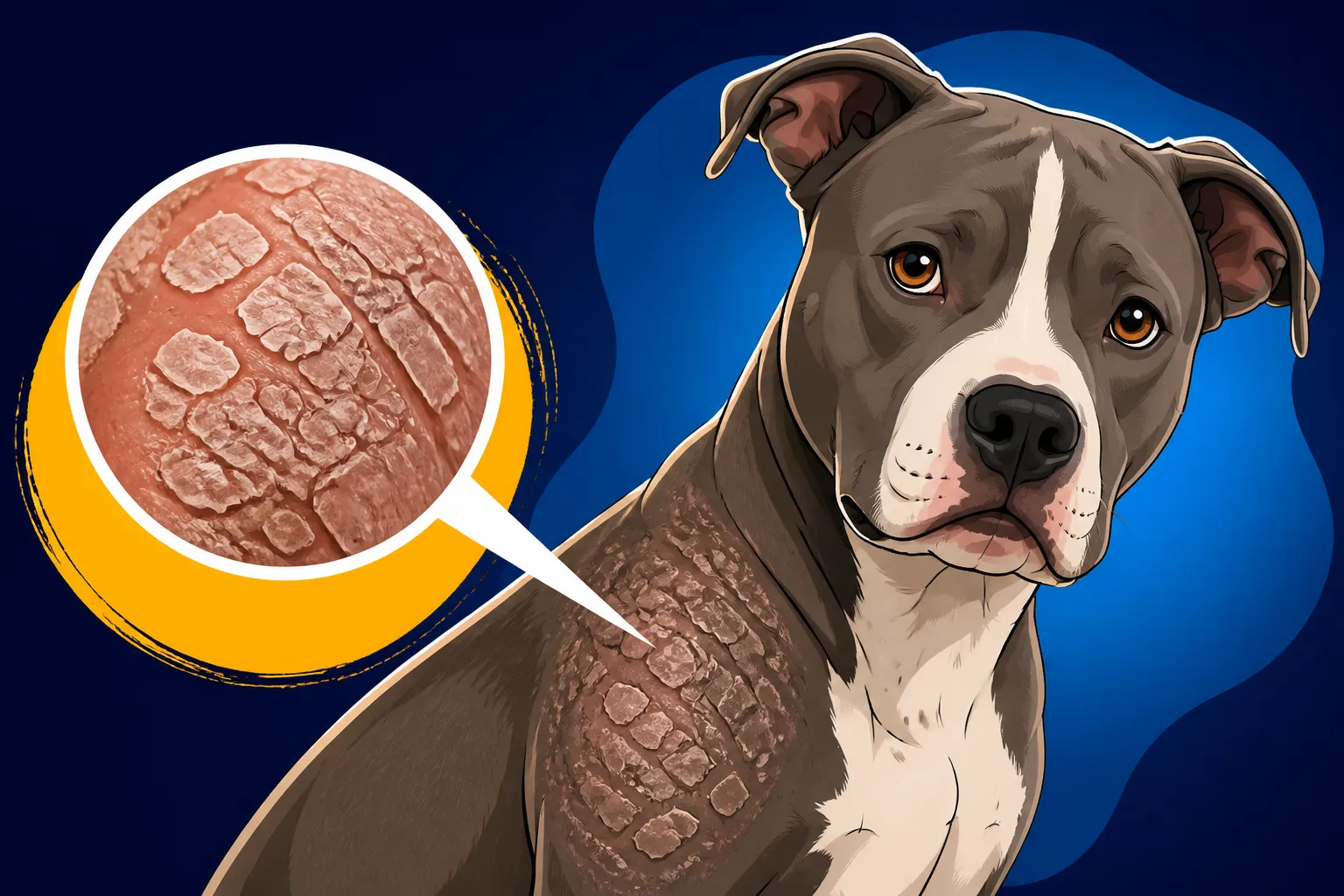
The severity of ichthyosis can vary widely. Some dogs might have mild, localized scaling, while others develop widespread, thick plaques and fissures, particularly around joints, paw pads, and the belly. The skin can become very dry, prone to cracking, and sometimes even hyperpigmented, turning dark and leathery over time. This constant irritation and dryness can lead to incessant itching, which further complicates things, as the dog may scratch or chew themselves, causing additional trauma to an already compromised skin barrier.
Genetic Roots and Pit Bull Predisposition
Ichthyosis is a genetic condition, meaning it's inherited from a dog's parents. In certain breeds, specific genetic mutations have been identified that cause this disorder. For Pit Bull type dogs, which encompass a range of breeds like American Pit Bull Terriers, American Staffordshire Terriers, and Staffordshire Bull Terriers, as well as their many crosses, the genetic picture can be a bit more complex. While not as widely recognized in the public eye as some other skin conditions, genetic screening can confirm the presence of the specific mutation. It's often passed down in an autosomal recessive pattern, meaning a dog must inherit a copy of the defective gene from both parents to develop the condition. If they only inherit one copy, they are considered a carrier but typically won't show symptoms themselves.
This genetic component highlights the importance of responsible breeding practices. If you adopted your Pit Bull cross from a shelter, it's unlikely you'll have access to their full genetic history, but understanding that this is a genetic issue, rather than something you caused, can alleviate a lot of owner guilt. For those considering purchasing a puppy, asking a breeder about genetic testing for conditions common to their lines, including skin disorders, is crucial. A reputable breeder should be transparent about the health history of their breeding dogs and be able to show you results from genetic panels.
Recognising the Early Signs and Symptoms
Catching ichthyosis early can make a big difference in managing the condition and your dog's comfort. Often, the first signs might appear when your Pit Bull cross is just a puppy, or they might develop more gradually into adulthood. You might notice unusual scaling, particularly on the paw pads, around the muzzle, inside the ears, or on the belly and groin area. These aren't just a little bit of dry skin; they are often adherent, greasy, or silvery scales that don't easily brush off.
Common early symptoms include:
- Dry, flaky skin: This can range from fine dandruff-like flakes to large, thick scales.
- Thickening of paw pads: The pads might become extremely hard, cracked, and prone to splitting, making walking painful.
- Darkening and thickening of the skin (hyperpigmentation and lichenification): Over time, affected areas can become leathery and take on a dark, almost black appearance, especially in skin folds. You can read more about Pit Bull Skin Fold and Belly Irritation.
- Excessive itching: While not all dogs with ichthyosis itch intensely, many do due to the dryness and inflammation. This can lead to your dog rubbing its face on the carpet or constantly licking and chewing its paws. For more insights, check out our guide on A Pit Bull Rubbing Its Face on the Carpet and Pit Bull Paw Licking and Chewing.
- Recurrent secondary infections: The compromised skin barrier makes it easier for bacteria and yeast to take hold, leading to infections that manifest as redness, pustules, odor, and increased itching. You might encounter issues like Yeast Infections in Pit Bull Skin Folds or bacterial Pit Bull Pyoderma and Antibiotic Courses.
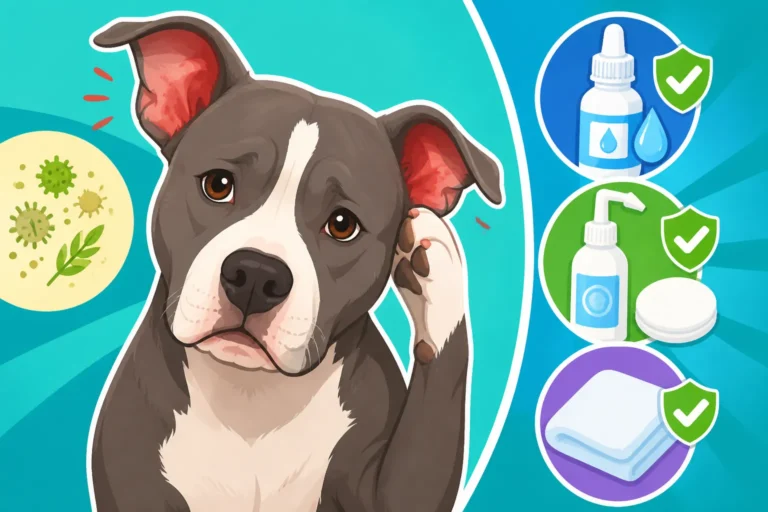
- Ear problems: The skin inside the ears can also be affected, leading to chronic ear infections. Our article on Pit Bull Ear Infections and What Drives Them offers more detail on this common struggle.
Because many of these symptoms can overlap with other common Pit Bull skin issues, like allergies or demodex mange, getting a definitive diagnosis is incredibly important. Don't assume it's "just dry skin" if the problem persists or worsens.
Diagnosing and Differentiating Ichthyosis
When you bring your Pit Bull cross to the vet with persistent skin issues, the diagnostic process can feel a bit like detective work. It's not always a straightforward path, especially since ichthyosis shares symptoms with many other common canine dermatological conditions. However, a thorough diagnostic approach is essential to ensure your dog receives the correct treatment and management plan.
The Diagnostic Journey
Your veterinarian will start with a comprehensive physical examination and take a detailed history of your dog's symptoms. They'll want to know when the signs first appeared, how they’ve progressed, what treatments you’ve tried, and if there are any seasonal patterns. It’s helpful to come prepared with notes on all these details, as well as information about your dog’s diet, environment, and any other health issues they might have.
After the initial assessment, your vet will likely recommend several diagnostic tests. These can include skin scrapings to check for parasites like mites that cause conditions such as Demodex Mange in a Pit Bull, fungal cultures to rule out ringworm, and cytology to look for yeast or bacterial overgrowth. These initial tests help rule out common culprits that can mimic ichthyosis. Even if an infection is present, it's often secondary to the underlying skin barrier defect, so identifying the primary cause is key.
Ruling Out Other Skin Conditions
This is where the detective work truly comes in. Many Pit Bull type dogs are prone to allergies, which can cause intense itching, redness, and secondary infections, much like ichthyosis. It's easy to confuse the two. Pit Bull Skin Allergies and the Atopy Pattern is a common diagnosis, and food allergies are another significant consideration for itchy dogs. You might find yourself trying an Eight Week Food Trial on an Itchy Pit Bull to see if diet plays a role. The key difference is that allergies are typically inflammatory responses, while ichthyosis is a defect in skin cell production.
Here’s a simplified comparison of symptoms to help understand the differentiation:
| Symptom Feature | Ichthyosis | Allergic Dermatitis (Atopy/Food) | Sarcoptic Mange | Demodectic Mange |
|---|---|---|---|---|
| Primary Skin Lesion | Dry, adherent scales, thickened skin, fissures | Redness, intense itching, papules, pustules | Intense itching, redness, crusts, hair loss | Hair loss, redness, scaling, pustules (localized/generalized) |
| Common Locations | Paw pads, muzzle, ears, belly, joints, trunk | Paws, ears, armpits, groin, face | Ear edges, elbows, hocks, abdomen, chest | Face, forelegs, trunk (often patchy) |
| Itching Level | Moderate to severe (due to dryness/infection) | Severe, persistent | Extremely severe, often nocturnal | Variable, can be mild to moderate |
| Appearance at Birth | Can appear early (puppyhood) | Typically appears after 3-6 months, often seasonal | Any age (contagious) | Puppyhood, adolescent (not contagious) |
| Response to Steroids | Little to no improvement | Significant temporary improvement | Little to no improvement | Little to no improvement |
| Characteristic Feature | Thick, greasy/silvery scales, hyperkeratosis | Intense pruritus, often chronic recurrent infections | Self-mutilation, highly contagious, intense itch | Non-contagious, immune system link (generalized) |
Ultimately, definitive diagnosis of ichthyosis often requires a skin biopsy. A veterinary dermatologist will take a small sample of affected skin, which is then examined under a microscope by a pathologist. The pathologist looks for specific cellular changes and patterns consistent with ichthyosis, such as hyperkeratosis (excessive thickening of the outermost layer of skin) and retention of keratinocytes. This biopsy can distinguish ichthyosis from other conditions like severe allergies, autoimmune diseases, or even some forms of skin cancer.
Specific Testing for Ichthyosis
Beyond a skin biopsy, genetic testing offers a precise way to diagnose ichthyosis, especially when a specific gene mutation has been identified for the type of dog in question. For Pit Bull type crosses, commercial genetic tests are available from companies like Embark or Wisdom Panel that can screen for known ichthyosis mutations. These tests are usually done via a simple cheek swab, which you can often perform at home and send directly to the lab.
The benefit of genetic testing is its accuracy; it can confirm the presence of the gene mutation responsible for the condition, even if symptoms are mild or not yet apparent. This is particularly valuable for breeders who want to avoid passing the gene down to future generations. For pet owners, it provides a definitive answer and eliminates the guesswork, allowing you to focus on effective management rather than continually chasing different diagnoses. Knowing your dog's genetic predisposition also helps you understand the long-term nature of the condition and prepare for the necessary ongoing care, which might include considering pet insurance providers like Healthy Paws for chronic conditions.
Managing Life with an Ichthyosis Diagnosis
Receiving an ichthyosis diagnosis for your Pit Bull cross can feel overwhelming, but it's important to remember that while there's no cure, the condition is manageable. The goal of treatment is to alleviate discomfort, reduce scaling, prevent secondary infections, and improve your dog's overall quality of life. This requires a consistent, multi-pronged approach that combines topical treatments, potentially systemic medications, and careful nutritional support.
Topical Treatments and Skincare Regimens
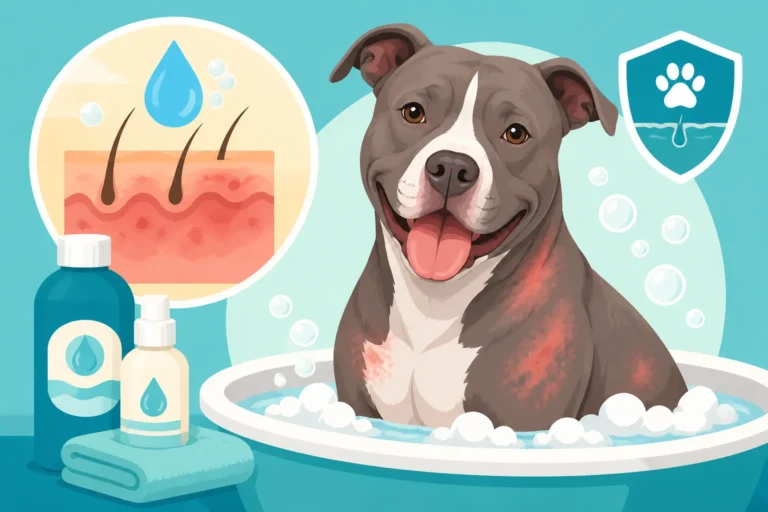
Topical care is the cornerstone of ichthyosis management. Regular bathing with specialized medicated shampoos is crucial to remove excess scales, hydrate the skin, and address any secondary bacterial or yeast infections. Your vet or veterinary dermatologist will likely prescribe specific shampoos containing ingredients like sulfur, salicylic acid, coal tar, or benzoyl peroxide. These ingredients work to break down the keratin buildup and promote healthier skin cell turnover. For more on this, our guide on Medicated Baths for a Pit Bull With Atopy has useful information that also applies here.
The frequency of bathing will depend on the severity of your dog's condition, but often it can be as frequent as every few days initially, gradually reducing to once or twice a week for maintenance. It's vital to follow your vet's instructions precisely regarding contact time for the shampoo, as this allows the active ingredients to work effectively. After bathing, gently towel dry your dog and apply leave-on conditioners or moisturizing sprays to help further hydrate the skin barrier. Emollients containing ceramides or essential fatty acids can be particularly beneficial for softening the skin and reducing dryness. Consistent Pit Bull Coat and Skin Care Week to Week is absolutely essential.
Systemic Medications and Nutritional Support
While topical treatments are primary, some dogs with severe ichthyosis or recurrent infections may benefit from systemic medications. Oral retinoids, which are derivatives of Vitamin A, can be very effective in regulating skin cell growth and reducing scaling. However, these medications often come with potential side effects and require careful monitoring by your veterinarian, including regular blood tests. They are typically reserved for cases that don't respond adequately to topical management alone.
Antibiotics or antifungals may be prescribed orally to clear up secondary bacterial or yeast infections that commonly plague compromised skin. It's crucial to complete the full course of these medications, even if your dog's skin appears to improve quickly, to prevent resistance and ensure the infection is fully eradicated.
Nutritional support also plays a significant role in skin health. Diets rich in omega-3 and omega-6 fatty acids can help improve the skin barrier function and reduce inflammation. Your vet might recommend a specific therapeutic diet or supplements like fish oil. Our article on Omega Oils for Pit Bull Skin and Coat can give you more details. Ensuring your Pit Bull cross is on a high-quality, balanced diet is always important, but even more so when dealing with a chronic skin condition that demands optimal nutrition for healing and maintenance.
Long-Term Outlook and Quality of Life
Living with ichthyosis is a lifelong commitment, but with diligent care, most Pit Bull crosses can maintain a good quality of life. The condition itself is not typically life-threatening, but the discomfort and potential for secondary infections can significantly impact your dog's well-being if left unmanaged. Consistency is key; skipping baths or treatments can quickly lead to flare-ups and worsening symptoms.
Regular veterinary check-ups are essential to monitor your dog's skin, adjust treatment plans as needed, and catch any potential complications early. You and your vet will work together to find the most effective regimen that balances symptom control with minimal stress for your dog and practicality for you. Don't be afraid to discuss the financial aspects of ongoing care; medications and specialized shampoos can add up. This is where having pet insurance, such as a plan from Healthy Paws, can be incredibly helpful for managing the recurring costs of a chronic condition. Many owners find that once they establish a routine, managing ichthyosis becomes a normal part of their daily care.
Living with a Pit Bull Cross with Ichthyosis: Daily Care and Support
Beyond the direct medical treatments, successfully managing ichthyosis in your Pit Bull cross involves creating a supportive home environment, understanding the emotional toll on both you and your pet, and fostering a strong partnership with your veterinary team. It’s a journey that requires patience, consistency, and a lot of love.
Environmental Management and Comfort
Creating an optimal environment for a Pit Bull cross with ichthyosis is crucial for their comfort and skin health. Humidity levels can significantly impact dry skin, so consider using a humidifier in your home, especially during dry winter months. This can help keep your dog's skin from becoming excessively parched and cracked.
Pay close attention to bedding and flooring. Soft, breathable bedding made from natural fibers can reduce friction and irritation. Avoid harsh cleaning chemicals on floors or surfaces where your dog rests, as these can be irritants for sensitive skin. If your dog spends time outdoors, try to minimize exposure to extreme temperatures or very dry, dusty conditions. Protecting their paw pads, which are often severely affected by ichthyosis, is also important. Special paw balms and even dog boots can offer protection during walks on rough or hot surfaces. Think about what can trigger or exacerbate A Pit Bull Chewing Its Feet Through the Night, and take steps to reduce those irritants.
Emotional Support for You and Your Dog
Living with a chronic condition like ichthyosis can be tough on your dog. Persistent itching, discomfort, and frequent treatments can make them feel anxious or irritable. It's important to approach their care with patience and positive reinforcement. Make bath times as calm and stress-free as possible, perhaps with treats and gentle praise. After treatments, spend extra time cuddling and reassuring them. Their emotional well-being is just as important as their physical health.
It's also okay to acknowledge that managing ichthyosis is challenging for you as an owner. The time commitment, the financial strain, and the emotional toll of seeing your dog suffer can be significant. Don't hesitate to reach out to your veterinary team for support or even connect with other owners in online communities who are managing similar conditions. Sharing experiences and tips can be incredibly validating and helpful. Remember, you're doing your best for your loyal companion, and that's what truly matters. For information on costs, our article on Pit Bull Pet Insurance and Breed Exclusions can help you budget and understand options.
Finding the Right Veterinary Partnership
Having a strong, trusting relationship with your veterinarian is paramount when managing a condition like ichthyosis. Ideally, you might even work with a board-certified veterinary dermatologist who has specialized knowledge and experience with complex skin conditions. These specialists often have access to the latest treatments and diagnostic tools.
Your vet or dermatologist will be your primary guide in developing and adjusting the treatment plan. Don't be afraid to ask questions, voice concerns, or seek clarification on any aspect of your dog's care. Discussing your dog's progress, any new symptoms, or side effects from medications openly and honestly will help your veterinary team provide the best possible support. A good veterinary partner will empower you with knowledge and practical advice, ensuring your Pit Bull cross receives comprehensive and compassionate care throughout their life. Many pet parents find that companies like Healthy Paws are invaluable partners when managing chronic, expensive conditions like ichthyosis, allowing them to focus on care rather than cost.
Disclaimer
This article is intended for informational purposes only and does not constitute professional veterinary advice. Always consult with a qualified veterinarian for any health concerns or before making any decisions about your pet's medical care.