A Pit Bull Rubbing Its Face on the Carpet
It’s a sight that tugs at every Pit Bull owner’s heartstrings: your powerful, affectionate companion relentlessly rubbing their face against the carpet, the couch, or even your leg. This isn't just a quirky habit; it’s a clear sign that something is irritating your beloved dog, often causing discomfort or even pain. This comprehensive guide will delve into the most common reasons behind this frantic face-rubbing behavior, helping you understand the signals your Pit Bull is sending and what steps you can take to bring them relief.
Why Your Pit Bull Is Rubbing Its Face on the Carpet So Much
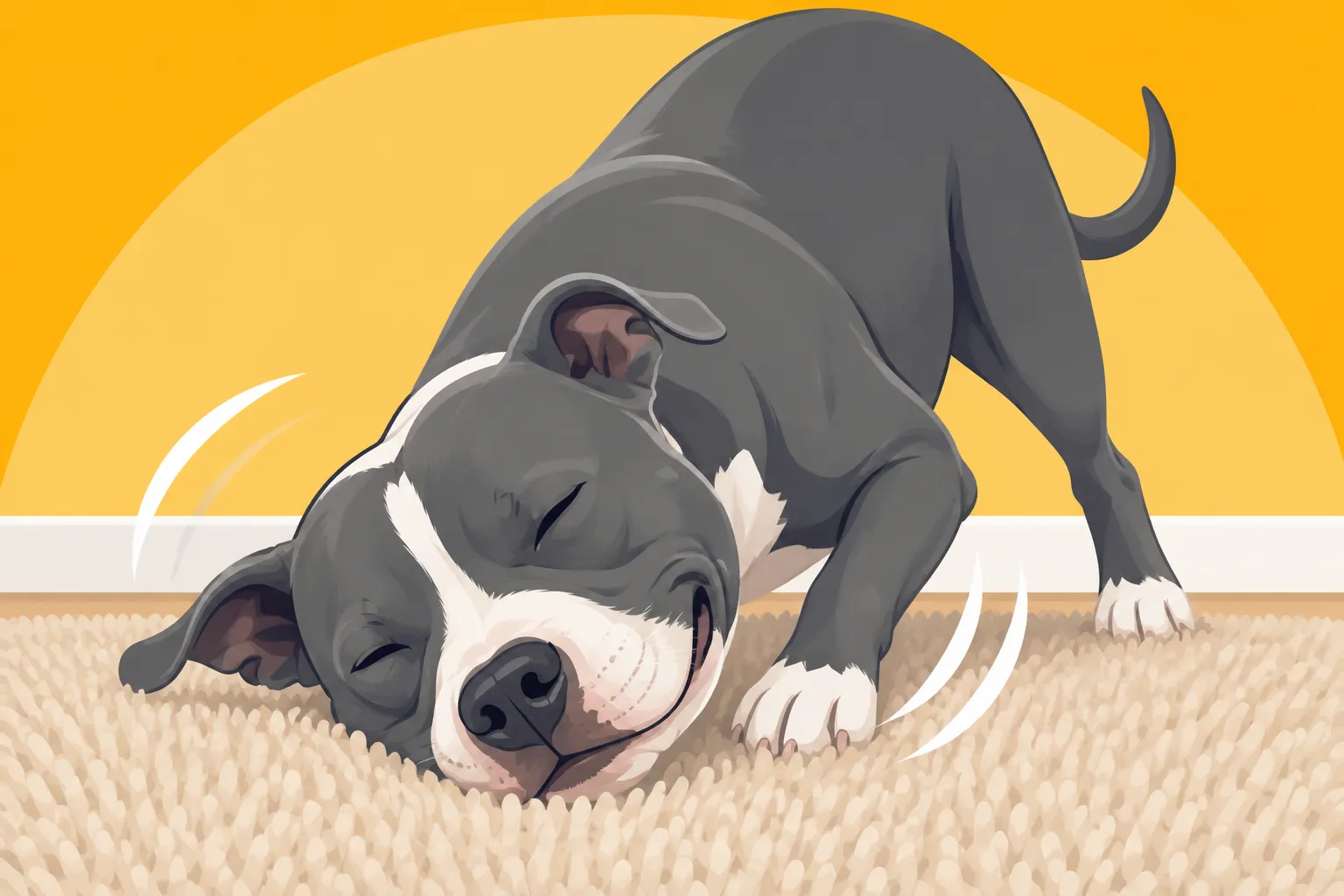
Seeing your Pit Bull dragging their face across the floor can be alarming. It’s their way of telling you, in no uncertain terms, "I'm itchy!" or "Something hurts!" Unlike us, they can't simply scratch an itch with their hands or tell us about a toothache. Instead, they resort to rubbing, pawing, and sometimes even aggressive scratching at their muzzle, ears, and eyes. This isn't just about finding relief in the moment; prolonged or intense face rubbing can lead to secondary issues like skin abrasions, infections, or worsening of underlying conditions. It's a behavior that needs our attention, and often, intervention.
This compulsive rubbing might start subtly, a quick drag after a walk, but can escalate into a constant, frustrating cycle. You might notice it most after they've been outside, after meals, or even just randomly throughout the day and night. The key is to pay close attention to when it happens, how intensely, and if there are any other accompanying symptoms. This detailed observation will be invaluable in figuring out the root cause and getting your Pit Bull back to their happy, comfortable self.
Deciphering the Signs: More Than Just an Itch
When your Pit Bull rubs their face, they're not always just trying to scratch an itch. Sometimes it's a desperate attempt to dislodge something, soothe a pain, or even manage anxiety. Imagine having a persistent itch you can’t reach, or a dull ache that just won't go away—you'd try anything to make it better! Our Pit Bulls are no different. Their robust build and stoic nature can sometimes mask discomfort, making it even more crucial for us to be observant and proactive.
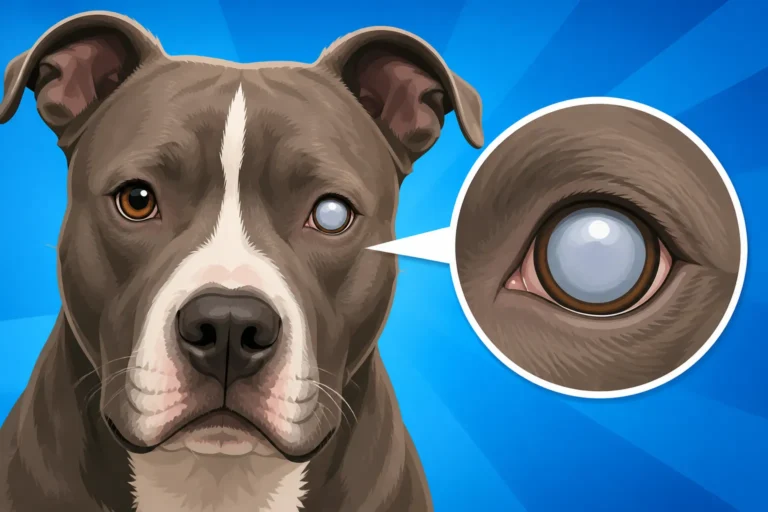
Beyond the rubbing itself, keep an eye out for other clues. Are their eyes watery or red? Is there any discharge from their nose or eyes? Do their ears smell funky or look red and inflamed inside? Are they licking their paws more than usual? These associated symptoms can point us directly toward the culprit, whether it's an allergy, an infection, or something else entirely. Taking a moment to really look at their face, especially in the areas they are rubbing, can reveal a lot before you even consider heading to the vet.
Common Culprits Behind Face Rubbing in Pit Bulls
Pit Bulls, with their unique skin and genetic predispositions, are unfortunately prone to several conditions that can manifest as intense facial itching and rubbing. It’s rarely a simple issue, and often requires a bit of detective work to uncover what’s truly bothering them. Let’s break down the most frequent reasons you might see your Pit Bull doing the carpet dance.
Allergies: The Usual Suspect
Ah, allergies. If you own a Pit Bull, you’re likely already familiar with this common frustration. Allergies are perhaps the most frequent reason behind chronic itching and face rubbing in Pit Bulls. These dogs often have sensitive skin, and their immune systems can be quick to overreact to environmental triggers or certain foods.
There are primarily two types of allergies that cause this kind of distress:
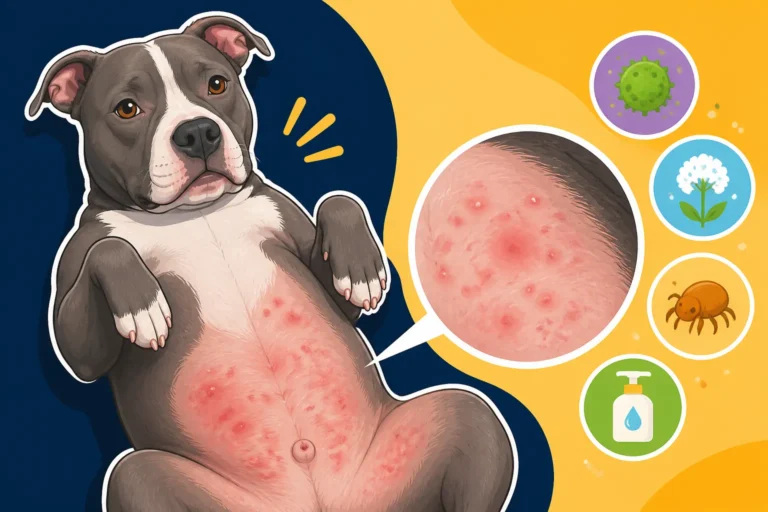
- Environmental Allergies (Atopy): Just like people get hay fever, Pit Bulls can suffer from atopy, a hypersensitivity to airborne allergens like pollen, dust mites, and mold spores. When these invisible irritants land on their skin, especially in less-haired areas like the face, paws, and belly, their immune system goes into overdrive. This results in intense itching, redness, and inflammation. You might notice your Pit Bull rubbing its face more during certain seasons if pollen is the trigger, or year-round if dust mites are the problem. For more details, you might want to read our article on Pit Bull Skin Allergies and the Atopy Pattern. Management often involves a multi-pronged approach, including medicated baths to soothe the skin and reduce allergens, and sometimes even prescription medications like Apoquel or Cytopoint. Many owners find that rinsing their Pit Bull’s face and paws after outdoor adventures can significantly reduce exposure.
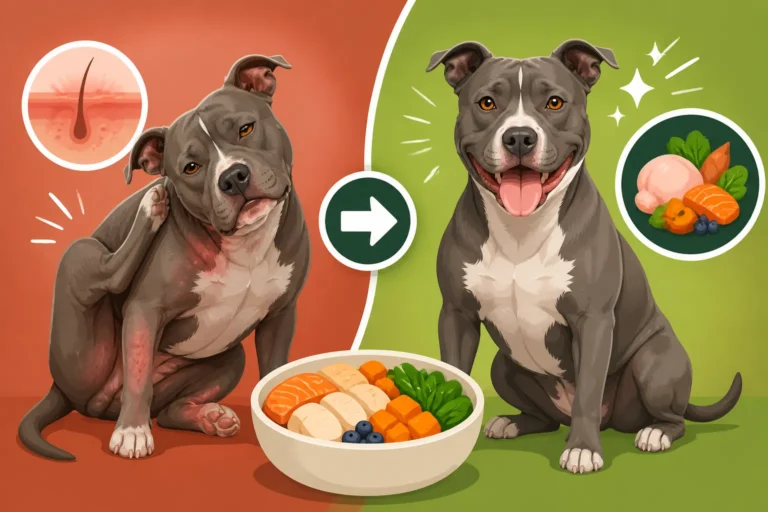
- Food Allergies: This is another big one for Pit Bulls, although less common than environmental allergies. When a Pit Bull is allergic to an ingredient in their food, typically a protein source like chicken or beef, their body reacts with inflammation. While food allergies can cause gastrointestinal upset, they often manifest as skin issues, including incessant itching around the face, ears, and paws. An Eight Week Food Trial on an Itchy Pit Bull is often the only way to definitively diagnose a food allergy, which involves feeding a novel protein or hydrolyzed diet strictly for an extended period. During this time, every treat and chew must be carefully monitored. You'll find more information in our guide on Food Allergies Behind Pit Bull Itching.
- Contact Dermatitis: While less common for facial rubbing, contact dermatitis occurs when your Pit Bull's skin directly touches something irritating. Think about a new cleaning product on the carpet, certain plants in the yard, or even the material of their food bowl if it's plastic and causing a reaction around their muzzle. The itching will be localized to the area of contact.
Pesky Parasites
Before jumping to allergies, it’s always wise to rule out parasites. These tiny creatures can cause monumental discomfort, leading to vigorous face rubbing and scratching.
- Fleas: Even if you don't see them jumping, a single flea bite can trigger an intense allergic reaction in a flea-sensitive Pit Bull. This is known as Flea Allergy Dermatitis in a Pit Bull, and the itching can be generalized, but often affects the face, ears, and base of the tail. Regular, year-round flea prevention is crucial.
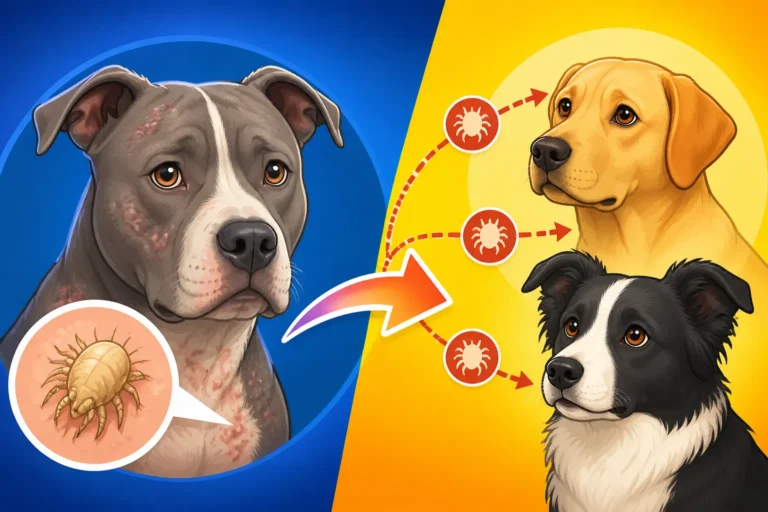
- Mites (Mange): Sarcoptic mange (scabies) and Demodex mites can cause severe itching. Sarcoptic mange is incredibly itchy and contagious, often starting on the ears, elbows, and hocks, but can spread to the face. Demodectic mange, while usually not itchy, can become so if secondary infections develop. Your vet will perform a skin scraping to look for these microscopic invaders.
Ear Infections: A Hidden Agony
Many people don't immediately link face rubbing to ear infections, but it's incredibly common, especially in breeds like Pit Bulls that are prone to allergies. When your Pit Bull's ears are inflamed and itchy, they'll try to relieve that discomfort by rubbing their head, often across the carpet or furniture. This is why you might see them shaking their head vigorously or pawing at their ears along with the face rubbing.
Pit Bulls can be particularly susceptible to ear infections due to allergies causing inflammation and yeast/bacteria overgrowth. The external ear canal can become a hot, humid, and irritated environment, perfect for infections. Check your Pit Bull’s ears regularly for redness, swelling, discharge (yellow, brown, or black), or a foul odor. If you suspect an ear infection, a vet visit is essential for diagnosis and treatment. You can learn more about this in our guide on Pit Bull Ear Infections and What Drives Them. Regular cleaning, as detailed in Cleaning a Pit Bull Ear Properly, can help prevent recurrence once an infection is cleared.
Dental Pain and Oral Issues
Imagine a persistent toothache or gum irritation. You'd likely be rubbing your face too! Dogs can't tell us when their teeth hurt, so they often resort to subtle behaviors like reluctance to eat hard food, bad breath, or yes, face rubbing.
- Dental Disease: Plaque and tartar buildup can lead to gingivitis and periodontal disease, which are painful. A fractured tooth, an abscess, or even a foreign object stuck between teeth or in the gums can also cause significant discomfort, leading your Pit Bull to rub their face trying to alleviate the pain. Many Pit Bulls are enthusiastic chewers, which can lead to Pit Bull Dental Disease and Hard Chewing if not managed with appropriate chews and regular dental care.
- Oral Masses or Injuries: Less commonly, a growth in the mouth or an injury from chewing on something sharp could be the cause. It's always a good idea to try and peek into your Pit Bull's mouth if they'll allow it, looking for anything out of the ordinary.
Dry Skin or Environmental Irritants
Sometimes, the cause isn't a full-blown allergy but simpler skin irritation.
- Dry Skin: Especially in colder, drier climates or during winter months, a Pit Bull's skin can become dry, flaky, and itchy. This can be exacerbated by harsh shampoos or infrequent brushing. Using a hydrating shampoo and perhaps an omega-3 fatty acid supplement can help.
- Environmental Irritants: Exposure to harsh chemicals, certain plant materials (like irritant grasses or weeds), or even very dusty environments can irritate a Pit Bull's sensitive facial skin. A good rinse after outdoor activities can sometimes be enough to prevent this.
When to Seek Veterinary Help for Face Rubbing
While some mild, occasional face rubbing might be harmless, persistent, intense, or accompanied by other symptoms, it’s a clear sign it’s time to call your veterinarian. Don't try to guess or self-diagnose for too long, especially with Pit Bulls, who can suffer significantly from skin and ear issues.
Red Flags That Warrant an Immediate Vet Visit
There are certain signs that should send you straight to the vet without delay:
- Skin Lesions or Open Sores: If the rubbing has broken the skin, leading to raw patches, scabs, or bleeding, there's a high risk of secondary bacterial or yeast infections, often called hot spots. These can be very painful and spread rapidly.
- Swelling: Any swelling around the face, muzzle, or eyes needs immediate attention, as it could indicate an allergic reaction, an infection, or even a foreign body.
- Discharge: Pus, excessive weeping, or foul-smelling discharge from the eyes, nose, or ears are all signs of infection.
- Lethargy or Loss of Appetite: If your Pit Bull is also acting unwell, lethargic, or refusing to eat, it suggests a more serious underlying issue.
- Pain Response: If your Pit Bull cries out, flinches, or becomes aggressive when you try to examine their face or ears, they are in pain and need professional help.
- Persistent Rubbing: If the face rubbing is constant, keeping your dog from sleeping, eating, or playing normally, it's causing significant distress.
Remember, your vet is your best resource. They can conduct a thorough physical examination, perform diagnostic tests like skin scrapings, ear swabs, or blood tests, and recommend the most effective course of treatment. Sometimes, they might recommend working with a veterinary dermatologist for complex allergy cases. While a good pet insurance plan like one from Healthy Paws can help cover unexpected vet costs for diagnostics and treatment, it’s always best to address issues promptly.
Diagnostic Tools Your Vet Might Use
When you bring your Pit Bull in for face rubbing, your vet will likely start with a comprehensive physical exam, paying close attention to their head, ears, and mouth. Here’s what else they might do:
- Skin Scrapes: This quick, painless test involves gently scraping a small sample of skin and examining it under a microscope to look for mites (like Demodex or Sarcoptes).
- Ear Swabs: A swab of discharge from the ear can be examined under a microscope to identify yeast, bacteria, or mites, guiding the appropriate treatment.
- Cytology: This involves taking impressions or gentle scrapes from irritated skin patches to look for yeast, bacteria, or inflammatory cells.
- Blood Tests: For generalized itching, blood tests might be run to check for underlying systemic issues or to assess overall health before prescribing certain medications.
- Allergy Testing: If allergies are strongly suspected, your vet might recommend intradermal skin testing (done by a dermatologist) or blood tests to identify specific environmental allergens. This can be a significant investment, but pet insurance from providers like Healthy Paws can sometimes help manage these costs if the condition isn't pre-existing.
- Dental Exam/X-rays: If dental pain is a possibility, a thorough oral exam (sometimes requiring sedation) and dental X-rays can reveal hidden problems beneath the gum line.
Table: Common Causes of Pit Bull Face Rubbing & Associated Signs
| Cause | Common Associated Signs |
|---|---|
| Environmental Allergies | Seasonal itching, Pit Bull Paw Licking and Chewing, redness in armpits/groin, recurrent ear infections, runny eyes/nose, sneezing. |
| Food Allergies | Non-seasonal itching, GI upset (vomiting, diarrhea), paw licking, chronic ear infections, skin rashes, anal gland issues. Often indistinguishable from environmental allergies by symptoms alone. |
| Parasites | Intense, sudden itching (fleas), visible fleas/flea dirt, hair loss, scabs (sarcoptic mange), small bald patches (Demodex). |
| Ear Infections | Head shaking, pawing at ears, foul odor from ears, discharge (waxy, brown, yellow), redness/swelling of ear flap, pain when ear is touched, hearing loss. |
| Dental Pain/Oral Issues | Bad breath, difficulty eating, dropping food, bleeding gums, pawing at mouth, visible tartar/broken teeth, swelling of face under an eye. |
| Dry Skin | Flaky skin, dull coat, mild itching, usually generalized rather than localized solely to the face. More common in dry climates or during winter. |
| Foreign Object | Sudden onset of rubbing, pawing at a specific spot, visible object (e.g., grass awn in ear or gum), sneezing if in nasal passage. |
| Anxiety/Behavioral | Other signs of stress (pacing, panting, destructive behavior), rubbing often cyclical or self-soothing, no underlying physical cause found after vet exam. Less common as a primary cause without accompanying physical discomfort. |
Strategies for Preventing and Managing Face Rubbing
Once you and your vet have identified the cause of your Pit Bull's face rubbing, the real work of management and prevention begins. This is often a long-term commitment, especially with chronic conditions like allergies, but seeing your Pit Bull comfortable and happy is absolutely worth it.
At-Home Care and Environmental Control
For allergies and general skin irritation, proactive home care is incredibly important.
- Regular Bathing with Medicated Shampoos: If your Pit Bull has environmental allergies or secondary skin infections (pyoderma or yeast), your vet might recommend a specific medicated shampoo. Follow their instructions regarding contact time and frequency precisely. For soothing relief, look into Medicated Baths for a Pit Bull With Atopy. Regular bathing helps remove allergens from their coat and reduce bacterial/yeast populations.
- Wiping Down After Walks: A quick wipe down of your Pit Bull’s face, paws, and belly with a damp cloth or hypoallergenic wipe after outdoor excursions can help remove pollen and other environmental allergens before they have a chance to settle and cause irritation.
- Air Filters and Cleaning: For dust mite allergies, investing in a good quality HEPA air purifier for your home and frequently washing your dog's bedding in hot water can make a difference. Vacuuming regularly with a HEPA filter vacuum can also help.
- Dietary Management: If a food allergy is diagnosed, strict adherence to the prescribed hypoallergenic or novel protein diet is paramount. This means no cheating, no table scraps, and carefully chosen treats.
- Parasite Prevention: Ensure your Pit Bull is on a high-quality, vet-recommended year-round flea and tick preventative. This is non-negotiable for preventing flea allergy dermatitis.
- Regular Ear Cleaning: For Pit Bulls prone to ear infections, regular prophylactic ear cleaning with a vet-approved solution can help maintain a healthy ear environment. Your vet can show you how to do this correctly without causing further irritation.
Medications and Supplements
Your veterinarian will guide you on the best medical approach, which might include:
- Antihistamines: For mild environmental allergies, over-the-counter antihistamines like diphenhydramine (Benadryl) or cetirizine (Zyrtec) might be recommended by your vet. Always consult your vet for appropriate dosing, as too much can cause sedation.
- Steroids: For severe allergic flare-ups, your vet might prescribe corticosteroids (like prednisone) to quickly reduce inflammation and itching. These are typically used for short periods due to potential side effects with long-term use.
- Immunomodulatory Drugs: Medications like Apoquel or Cytopoint are specifically designed to target the itch pathway in dogs with atopic dermatitis. They can provide significant relief with fewer side effects than long-term steroids. Our article on Apoquel and Cytopoint for an Itchy Pit Bull delves deeper into these options.
- Antibiotics/Antifungals: If secondary bacterial (pyoderma) or yeast infections are present, your vet will prescribe appropriate oral or topical medications to clear them up.
- Allergy Immunotherapy: For dogs with diagnosed environmental allergies, immunotherapy (allergy shots or oral drops) is a long-term solution that works by gradually desensitizing the immune system to specific allergens. It requires commitment but can offer lasting relief.
- Omega-3 Fatty Acids: Supplements like fish oil can help improve skin barrier function and reduce inflammation, often used as an adjunctive therapy for dogs with skin issues.
Behavioral Considerations and Training
Sometimes, face rubbing can become a habit, even after the initial cause is resolved. Or, in some cases, anxiety can play a role.
- Redirection and Enrichment: If your Pit Bull is rubbing out of habit or boredom, provide plenty of mental and physical enrichment to redirect their energy. Puzzle toys, training sessions, and interactive games can help keep their minds engaged.
- Muzzle Training: While not a solution for the underlying cause, if your Pit Bull is severely self-mutilating their face due to intense itching, a basket muzzle can be used temporarily to prevent further injury until medication takes effect. This should always be done under veterinary guidance.
- Anxiety Management: If anxiety is suspected to contribute to face rubbing, your vet might discuss behavior modification strategies, calming supplements, or in some cases, anti-anxiety medication.
Successfully managing a Pit Bull's chronic face rubbing often requires patience, consistency, and a close working relationship with your veterinarian. It’s about finding a routine that keeps your companion comfortable and healthy, ensuring they can enjoy their lives without constant irritation.
Disclaimer
This article is intended for informational purposes only and does not constitute medical advice. Always consult with a qualified veterinarian for any health concerns or before making any decisions about your Pit Bull's care or treatment.