Pit Bull Pet Insurance and Breed Exclusions
Finding reliable pet insurance for your beloved Pit Bull can feel like navigating a minefield, with many owners facing frustrating breed exclusions or sky-high premiums just for owning a dog with a specific physical type. It's a real shame that these wonderful companions often get unfairly categorized, making it harder to ensure they receive the best veterinary care without breaking the bank. This comprehensive guide is here to shed light on the complexities of pet insurance for Pit Bulls, help you understand breed exclusions, and equip you with the knowledge to find a policy that truly protects your furry family member.
Understanding the Landscape of Pit Bull Insurance
The world of pet insurance can be baffling enough, but when you add a Pit Bull to the mix, it often feels like an entirely different ballgame. Many owners express a deep sense of frustration, wondering why their sweet-natured, well-trained dog is being singled out by insurance companies. It's a sentiment I hear all the time, and it highlights a significant challenge in responsible Pit Bull ownership. The reality is, the term "Pit Bull" itself is a broad classification, encompassing several breeds and mixed breeds that share similar physical characteristics, and this ambiguity often works against owners in the insurance market.
This complex situation stems from a combination of historical perceptions, breed-specific legislation, and actuarial data that some insurers claim points to higher risks associated with certain breeds. It’s not about your individual dog’s temperament or training, which can be incredibly disheartening when you know your dog is nothing but a loving member of your family. Understanding the underlying reasons for these insurance practices is the first step toward successfully navigating them and securing the coverage your Pit Bull deserves.
Why Insurers Flag Pit Bull Type Dogs
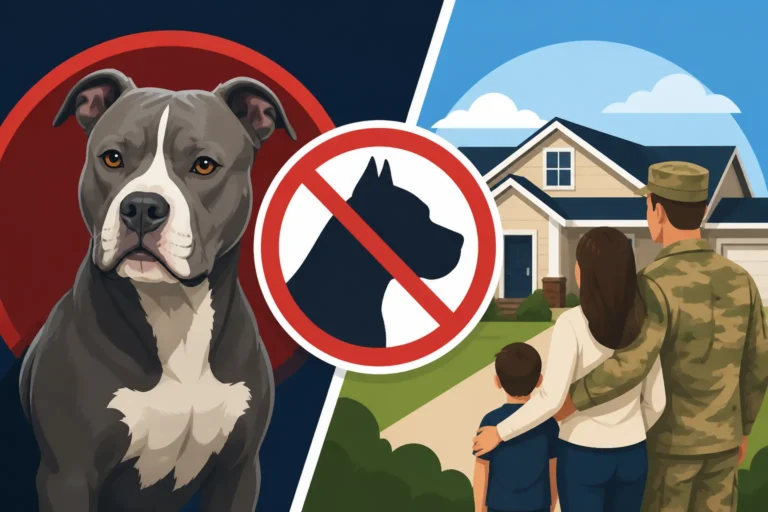
Let’s be honest, the negative stereotypes surrounding Pit Bulls are pervasive, and unfortunately, these often extend to the insurance industry. Many insurers categorize Pit Bull-type dogs, which can include American Pit Bull Terriers, American Staffordshire Terriers, Staffordshire Bull Terriers, and even mixes that resemble them, as "high-risk." This designation isn't typically based on individual temperament or training, but rather on generalizations about perceived bite statistics and potential for severe injuries. The data used by these insurers often comes from reports that categorize dogs based on visual identification, which, as any Pit Bull owner knows, is notoriously unreliable.
The reasoning often cited is a higher potential for liability claims. For homeowners' insurance, this translates to concerns about potential bite incidents, leading to higher premiums or outright refusal of coverage. For pet health insurance, it’s less about liability and more about breed-specific health conditions that some insurers perceive to be more common or severe in Pit Bulls, even if scientific evidence doesn't always support these broad claims for the entire "type." This unfair blanket assessment means that responsible owners are often penalized, facing unnecessary obstacles simply because of their dog's appearance. It's a frustrating hurdle to overcome, especially when you are doing everything right for your dog.
The Difference Between Breed-Specific and Breed-Neutral Policies
When you're shopping for pet insurance, you'll quickly encounter two main approaches from providers: breed-specific and breed-neutral policies. Breed-specific policies, as the name suggests, take your dog's breed into direct consideration when determining eligibility, premiums, and even what conditions they'll cover. For Pit Bull owners, this often means running into brick walls, with some companies flat-out refusing to insure your dog or imposing significant surcharges. They might even have a list of specific breeds that are either uninsurable or come with strict conditions.
On the other hand, breed-neutral policies are a beacon of hope for many Pit Bull families. These providers focus on the individual dog’s health history, age, and location, rather than making assumptions based solely on breed. They understand that a dog's predisposition to certain health issues or behavioral traits is not exclusively tied to its breed label. Many forward-thinking insurers are moving towards this model, recognizing that every dog, regardless of its appearance, deserves access to quality care. When looking for coverage, always prioritize companies that explicitly state they are breed-neutral, as this dramatically increases your chances of finding a suitable and fair policy for your Pit Bull. Remember, the goal is to find a policy that sees your dog as an individual, not just a label.
Common Breed Exclusions and Limitations
It's a tough pill to swallow when you're excitedly looking into pet insurance only to be met with a cold shoulder because of your dog's breed. For Pit Bull owners, this isn't an uncommon scenario. These exclusions aren't always about your dog’s specific temperament or health, but rather about generalized risk assessments made by insurance companies. It's truly disheartening to feel your dog is being discriminated against before you even have a chance to show what a wonderful companion they are.
The impact of these exclusions can be profound, leaving owners feeling vulnerable to unexpected veterinary bills. Imagine your beloved companion suddenly needing emergency surgery, and realizing your insurance options are limited or nonexistent simply because of their breed type. This adds an unnecessary layer of stress to what is already a difficult situation. Understanding these common exclusions is vital, not to discourage you, but to empower you with the knowledge to proactively seek out insurers who don't penalize your dog based on outdated stereotypes.
Outright Refusals and Higher Premiums
One of the most immediate and frustrating challenges Pit Bull owners face when seeking pet insurance is the potential for outright refusal. Some insurance providers maintain strict "restricted breed" lists, and Pit Bull-type dogs are frequently on them. This means that, no matter how healthy, well-behaved, or well-trained your dog is, that particular company simply will not offer you a policy. It feels incredibly unfair, almost like a personal slight against your dog, and it can send you down a rabbit hole of endless applications.
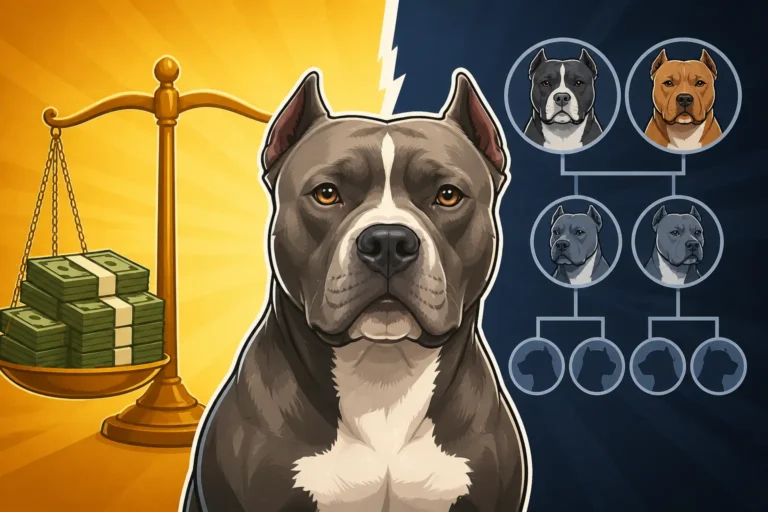
Even if a company doesn't outright refuse, you might find yourself staring at significantly higher premiums compared to owners of other breeds. Insurers might justify this by citing perceived higher risks, whether it’s for certain health conditions often linked (sometimes inaccurately) to the breed, or for potential liability claims. This means you could be paying substantially more for the same level of coverage than someone with a different dog, which can make pet insurance feel prohibitively expensive. It's crucial to shop around diligently and compare quotes, as premium rates can vary wildly from one provider to another, even among those willing to cover Pit Bulls.
Limitations on Coverage for Certain Conditions
Beyond outright refusals and elevated premiums, some pet insurance policies may impose specific limitations or exclusions on coverage for certain conditions that are thought to be prevalent in Pit Bull type dogs. For example, some insurers might be hesitant to fully cover conditions like Pit Bull Hip Dysplasia Showing at One to Two Years or Pit Bull Skin Allergies and the Atopy Pattern if they consider these to be "pre-existing" or "breed-specific" vulnerabilities. While many reputable insurers are moving away from blanket exclusions for breed-specific conditions, it’s still something to be extremely vigilant about when reviewing policy documents.
It’s not just genetic conditions; sometimes, the robust and active nature of many Pit Bulls can lead to injuries, and you want to ensure these are covered. Pit Bull Joint and Ligament Injuries can be significant, and surgical repair can be incredibly costly. You might find a policy that covers general accidents, but it's essential to scrutinize the fine print for any caveats related to conditions like cruciate ligament tears or other orthopedic issues. Always ask pointed questions about specific health concerns you anticipate or know your Pit Bull might be prone to, ensuring you get clear answers in writing before committing to a plan. A thorough understanding of what isn't covered is just as important as knowing what is.
Finding Pet Insurance Without Breed Restrictions
The search for pet insurance that treats your Pit Bull fairly can feel like a quest, but thankfully, more and more companies are adopting a breed-neutral stance. This shift is fantastic news for owners who have felt marginalized by the industry. It means you don't have to settle for inadequate coverage or face constant denials. The key is knowing where to look and what questions to ask to ensure you find a policy that truly values your dog as an individual.
It’s all about finding a provider who understands that a dog’s breed doesn't dictate its worthiness for coverage, nor its potential for a healthy life. Many Pit Bull owners have found success by focusing on companies known for their progressive policies, or by understanding the legal landscape in their state. The effort you put into researching will pay off by providing peace of mind and financial security for your beloved companion, allowing you to focus on Caring for a Pit Bull in Its Second Decade without undue financial stress.
Researching Breed-Neutral Insurance Providers
The first and most important step is to actively seek out pet insurance companies that boast breed-neutral policies. These providers assess each dog based on its unique health profile, age, and individual risk factors, rather than relying on broad, often discriminatory, breed stereotypes. A simple online search for "breed-neutral pet insurance" or "pet insurance without breed restrictions" can yield a good starting point. Many comparison websites now also allow you to filter results based on whether they cover "restricted breeds."
When you find potential providers, dive deep into their policy details. Look for explicit statements regarding breed non-discrimination. Some well-known companies, like Healthy Paws and Embrace Pet Insurance, are often cited by Pit Bull owners as being more inclusive. It's not enough for them to simply not mention breed restrictions; you want to see language that confirms they do not factor breed into their eligibility or pricing models for health coverage. Don't be afraid to call their customer service lines and directly ask, "Do you have any breed exclusions for Pit Bulls or Pit Bull mixes?" Their answer should be clear and unequivocal.
Leveraging Training and Certification Records
Believe it or not, your Pit Bull's good behavior and impressive training can actually work in your favor when it comes to pet insurance, especially with homeowners' liability policies, but sometimes even for health insurance perceived risk. While most health insurance providers focus primarily on health history, demonstrating your dog's excellent temperament through certifications like the Canine Good Citizen (CGC) program can occasionally help build a stronger case for your individual dog, especially with certain insurers. Many owners find value in pursuing Canine Good Citizen and Why It Matters for a Pit Bull not just for their dog's manners, but also for the practical benefits it might bring in terms of insurance and housing.
While a CGC certificate won't magically eliminate all breed-related biases, it certainly doesn't hurt. It shows you are a responsible owner who has invested time and effort into your dog's socialization and training. When speaking with insurance agents, especially for homeowners' or liability coverage, politely inquire if providing such documentation could influence their assessment or offer any discount. Even if it doesn't directly reduce your pet health insurance premium, it might improve your chances with a more flexible provider, or even make a difference if you ever need to appeal a claim related to behavioral issues (though this is rare for health insurance). Every little bit helps when you're working to counteract unfair generalizations.
Understanding State-Level Regulations
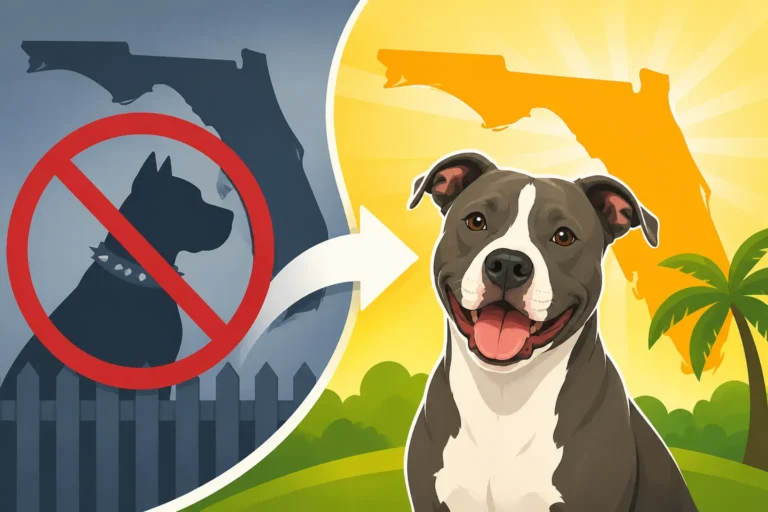
The legal landscape surrounding pet insurance, and particularly breed discrimination, can vary significantly from state to state. While there aren't many states that explicitly ban breed-specific pet health insurance exclusions, some states do have laws preventing homeowners' insurance companies from denying coverage or charging higher premiums solely based on a dog's breed. For instance, states like Michigan, New York, and Nevada have passed legislation restricting breed-based discrimination in homeowners' insurance. This indicates a growing awareness and advocacy against breed-specific legislation in general, which can indirectly benefit pet health insurance seekers.
It's always a good idea to research your specific state's laws regarding breed discrimination in insurance. While these laws are more commonly targeted at property and liability insurance, they signal a broader legislative trend that might eventually extend to pet health insurance. Knowing your rights and the legal protections available to you can give you leverage when dealing with insurance companies. If you encounter an insurer who seems to be discriminating, being informed about your state's stance can help you advocate for your Pit Bull and potentially find a more compliant provider. This knowledge is particularly useful if you are considering Traveling and Moving With a Pit Bull to a new state.
Navigating the Application Process for a Pit Bull
Once you've done your research and identified a few breed-neutral insurance providers, the next step is diving into the application process. This part can feel a bit daunting, especially if you've already faced rejections or confusing policy language. But armed with the right information and a proactive approach, you can navigate this smoothly and secure a great policy for your Pit Bull. Remember, transparency and thoroughness are your best friends here.
The application isn't just a formality; it's your opportunity to present your Pit Bull as the healthy, well-cared-for individual they are. Don't rush through it, and make sure you have all your ducks in a row. It can be a bit of a paperwork marathon, but it's worth it for the peace of mind that comes with knowing your furry friend is protected against unexpected medical costs.
Gathering Essential Documentation
When applying for pet insurance, especially for a Pit Bull, having all your dog's documentation in order is absolutely critical. This includes comprehensive veterinary records detailing your dog's full medical history from puppyhood, including vaccination records, annual check-ups, any illnesses or injuries, and results from any diagnostic tests. The more complete and organized these records are, the smoother the application process will be, and the less likely you are to run into issues or delays. You want to present a clear picture of your dog's health journey.
Beyond medical records, consider compiling any other relevant documents. This might include proof of spay/neuter, microchip information, and as mentioned earlier, any training certifications like the Canine Good Citizen (CGC). Some insurers might appreciate knowing that your dog has a solid foundation of training and responsible ownership. Having What a Pit Bull Health History Should Cover readily available will not only speed up your application but also demonstrate to the insurer that you are a diligent pet parent. This proactive approach shows commitment and helps to mitigate any lingering biases an insurer might subconsciously hold.
Being Transparent About Your Dog's History
Honesty is always the best policy, especially when it comes to pet insurance. While it might be tempting to downplay certain aspects of your dog's history, particularly if they've had a minor health scare in the past, being fully transparent is crucial. Any pre-existing conditions that are not disclosed could lead to claims being denied down the line, which would defeat the entire purpose of having insurance. If your Pit Bull had a Pit Bull Hot Spots and Secondary Infection two years ago, make sure that’s on record.
It's also important to accurately represent your dog's breed type. Even if your Pit Bull is a mix, be honest about its predominant breed characteristics. Trying to obscure or misrepresent your dog's breed can lead to policy cancellation or refusal to pay claims if the truth comes out later. Instead of hiding information, focus on finding an insurer who is genuinely breed-neutral and will evaluate your dog on its individual merits. Many pet insurance companies, like Healthy Paws, pride themselves on their transparency and want owners to be just as open with them, ensuring fair assessments for all.
Comparing Plans and Deductibles
Once you have quotes from several breed-neutral providers, it's time for a detailed comparison. Don't just look at the monthly premium; that's only one piece of the puzzle. You need to consider the deductible, the reimbursement percentage, and the annual payout limit. A higher deductible will mean lower monthly premiums, but you'll pay more out-of-pocket before your insurance kicks in. A 90% reimbursement rate sounds great, but if your deductible is high and your annual limit is low, it might not provide the coverage you truly need.
Create a table to compare key features across different plans. For example, if you're looking at Healthy Paws, Embrace, or Lemonade, compare their deductibles (e.g., $100, $250, $500), reimbursement percentages (e.g., 70%, 80%, 90%), and annual limits (e.g., $5,000, $10,000, unlimited). Also, pay attention to any waiting periods for accidents or illnesses, as these can vary. Consider hypothetical scenarios: if your Pit Bull needed a $5,000 surgery, how much would each plan actually save you? This deep dive will help you choose the plan that offers the best financial protection for your Pit Bull's specific needs and your budget.
| Insurance Provider | Monthly Premium (Est.) | Deductible | Reimbursement % | Annual Limit | Waiting Period (Accident) | Waiting Period (Illness) | Notes on Pit Bull Coverage |
|---|---|---|---|---|---|---|---|
| Healthy Paws | Varies by age/location | $100 – $1,000 | 70% – 90% | Unlimited | 15 days | 15 days | Breed-neutral, often recommended for Pit Bulls. |
| Embrace Pet Ins | Varies by age/location | $200 – $1,000 | 70% – 90% | $5k – Unlimited | Up to 14 days | Up to 14 days | Known for robust accident/illness, breed-neutral approach. |
| Figo Pet Insurance | Varies by age/location | $100 – $500 | 70% – 100% | $5k – Unlimited | 1 day | 14 days | Offers flexible plans, typically breed-neutral. |
| Lemonade Pet | Varies by age/location | $100 – $500 | 70% – 90% | $20k – $100k | 2 days | 14 days | Fast claims process, generally breed-neutral policies. |
Disclaimer: Premiums are estimates and vary significantly based on your dog's age, location, and specific plan choices. Always get a direct quote.
What Pet Insurance Typically Covers for Pit Bulls
Once you've secured a pet insurance policy for your Pit Bull, it's essential to understand exactly what kind of coverage you've invested in. Not all policies are created equal, and knowing the specifics will help you maximize your benefits and avoid any unpleasant surprises down the road. This is where the real value of pet insurance shines through, offering a safety net for those unexpected moments that can be financially devastating otherwise.
For a robust and active dog like a Pit Bull, comprehensive coverage is especially important. They can be prone to certain health issues, and their playful nature might sometimes lead to accidents. Being clear on what your policy covers will give you immense peace of mind, allowing you to focus on your dog's well-being rather than worrying about mounting vet bills.
Accident and Illness Coverage Explained
The most common and arguably most important type of pet insurance is accident and illness coverage. This is the core of most policies and is designed to protect you from the high costs associated with unexpected medical emergencies or developing health conditions. For your Pit Bull, this means if they suddenly get hit by a car, break a bone, or swallow something they shouldn't (accidents), the policy can cover things like emergency vet visits, diagnostic tests (X-rays, ultrasounds), surgery, hospitalization, and even medication.
Similarly, if your Pit Bull develops an illness, whether it’s a common ailment like an ear infection or something more serious like Pit Bull Heart and Thyroid Conditions or cancer, accident and illness coverage will typically kick in. This includes diagnosis, treatment, specialist consultations, and ongoing care. However, remember the "pre-existing conditions" clause: any illness or injury that occurred before your policy started (or during the waiting period) will generally not be covered. This is why securing a policy when your Pit Bull is young and healthy is always the best strategy.
Wellness Plans and Preventative Care
While accident and illness coverage handles the unexpected, wellness plans are designed to help with the predictable costs of routine preventative care. These are often offered as an add-on to a standard policy and can be incredibly beneficial for maintaining your Pit Bull's overall health and catching potential issues early. Think of it as a way to budget for the regular vet visits that all dogs need.
A typical wellness plan might cover annual check-ups, routine vaccinations (like those crucial for Pit Bull Puppy Vaccination and Parvovirus), parasite prevention (such as Year-Round Parasite Cover for a Pit Bull), and even dental cleanings. Some more robust plans might also contribute to spay/neuter costs or microchipping. While these aren't always massive, unexpected expenses, they add up. Having a wellness plan can encourage consistent preventative care, which is vital for a long and healthy life for your Pit Bull, and can help prevent minor issues from escalating into major, more expensive problems down the line.
Understanding Pre-Existing Conditions for Pit Bulls
The term "pre-existing condition" is perhaps one of the most important, and often misunderstood, aspects of pet insurance. For your Pit Bull, a pre-existing condition is essentially any illness or injury that occurred or showed symptoms before your pet insurance policy officially started or during its waiting period. This is regardless of whether it was diagnosed by a vet. If your Pit Bull had a documented case of Pit Bull Ear Infections and What Drives Them before you enrolled in a policy, subsequent treatments for that same condition would likely be excluded.
It’s crucial to understand that even if a condition wasn't formally diagnosed but symptoms were present, it could still be considered pre-existing. For instance, if your Pit Bull was showing signs of limping due to hip pain before your policy began, treatment for hip dysplasia might be denied, even if the official diagnosis came after enrollment. This is why it’s so important to get pet insurance early in your Pit Bull’s life, ideally when they are a healthy puppy. While some temporary conditions, like an ear infection that fully resolves, might eventually be covered after a certain period free of symptoms, chronic or incurable conditions will almost always be excluded if they are pre-existing. Read your policy’s definition of pre-existing conditions carefully.
The True Cost of Insuring a Pit Bull
When you consider pet insurance for your Pit Bull, it's easy to just look at the monthly premium and decide if it fits your budget. But the true cost of insurance is much more nuanced, encompassing various factors that can significantly impact what you actually pay out of pocket over the lifetime of your policy. It's not just about that recurring bill; it's about the financial strategy you put in place to ensure your Pit Bull always has access to the best care.
Many owners get sticker shock, but when you weigh the potential for a single emergency surgery costing thousands against a reasonable monthly premium, the value often becomes clear. Understanding how these costs are calculated and how you can manage them is key to making an informed decision that benefits both your Pit Bull and your wallet. It's about budgeting for the long haul, especially when you're looking at The Twelve to Sixteen Years a Pit Bull Gets.
Factors Influencing Your Premium
Several key factors will influence the monthly premium you pay for your Pit Bull's pet insurance. First and foremost is your dog's age. Younger Pit Bulls typically have lower premiums because they are generally healthier and less likely to have developed chronic conditions. As your Pit Bull ages, the premium will likely increase annually to reflect the higher risk of age-related illnesses. Location also plays a significant role; veterinary costs vary widely across different states and even within different cities, and insurance premiums will reflect these regional differences. For example, insuring a Pit Bull in an urban area like Los Angeles with higher vet fees will likely cost more than in a rural town.
The specific plan you choose is another major determinant. A policy with higher reimbursement percentages, lower deductibles, or higher annual limits will naturally come with a higher monthly premium. Additionally, adding wellness coverage will increase the cost, as it covers routine care in addition to accidents and illnesses. The perceived health risks often associated with Pit Bulls, though sometimes unfair, can also factor into an insurer's actuarial calculations, contributing to varied rates between different providers. Companies like Ollie, while known for fresh dog food, also emphasize proactive health, which aligns with the benefits of a good insurance plan helping to manage overall wellness costs.
Deductibles, Reimbursement Levels, and Annual Limits
Beyond the monthly premium, three crucial elements define the true financial impact of your pet insurance: the deductible, the reimbursement level, and the annual limit. The deductible is the amount of money you need to pay out-of-pocket for eligible veterinary expenses before your insurance company starts reimbursing you. Common deductibles range from $100 to $1,000. Choosing a higher deductible will lower your monthly premium but means you'll pay more upfront if your Pit Bull needs veterinary care.
The reimbursement level dictates the percentage of the covered veterinary bill that the insurance company will pay after your deductible has been met. Most policies offer 70%, 80%, or 90% reimbursement. For example, if you have an 80% reimbursement rate on a $1,000 bill (after a $250 deductible), the insurer would pay 80% of $750 ($600), and you would pay the remaining $150 plus your $250 deductible. Finally, the annual limit is the maximum amount your insurance company will pay out in covered expenses during a policy year. This can range from a few thousand dollars to unlimited. For a breed like a Pit Bull, which can incur significant costs for conditions like Pit Bull Hip Dysplasia Showing at One to Two Years, an unlimited or high annual limit offers the best peace of mind.
Long-Term Financial Planning
Insuring a Pit Bull is not just about managing immediate costs; it’s a commitment to long-term financial planning for their health. Over the lifespan of your dog, which for a Pit Bull can easily extend to twelve to sixteen years, veterinary expenses can accumulate significantly. A single major illness or accident could cost thousands, potentially tens of thousands, of dollars. Without insurance, these unexpected bills could force heartbreaking decisions or plunge you into debt. Pet insurance acts as a financial safeguard, ensuring you can always prioritize your Pit Bull's health without financial stress.
When you factor in the rising costs of veterinary care, regular check-ups, preventative medications, and the potential for chronic conditions as your Pit Bull ages, the value of insurance becomes clear. Many owners use a combination of insurance and a dedicated pet emergency fund. While insurance handles the big, unexpected bills, a separate fund can cover smaller, non-covered expenses or your deductible. This balanced approach, including considering platforms like Chewy for regular prescription refills and food, can make managing your Pit Bull’s health expenses much more predictable and less stressful over their entire lifetime, ultimately contributing to a richer and longer life together.
Alternatives to Traditional Pet Insurance
While pet insurance is a fantastic tool for managing unexpected veterinary costs, it's not the only option available to Pit Bull owners. For various reasons—perhaps breed restrictions persist despite your best efforts, or maybe you prefer a more self-directed approach to saving—exploring alternatives can provide a viable safety net for your dog's health needs. It's about finding what works best for your financial situation and your Pit Bull’s specific needs.
No matter which path you choose, the goal remains the same: ensuring that when your beloved companion needs medical attention, the financial means are there. It's all about proactive planning, because let's face it, emergencies never happen at a convenient time, and having a plan in place eliminates a huge source of stress during what is already a difficult period.
Self-Insurance and Emergency Funds
One popular alternative to traditional pet insurance is to "self-insure" by creating a dedicated pet emergency fund. This involves regularly setting aside money into a separate savings account specifically for your Pit Bull's medical needs. The advantage here is that you maintain complete control over the funds, and if your dog remains healthy, the money is still yours. You avoid monthly premiums and deductibles, and there are no breed exclusions or pre-existing condition clauses.
The key to successful self-insurance is discipline and foresight. You need to consistently contribute a substantial amount to truly build up a sufficient cushion. Many veterinarians suggest aiming for at least $3,000 to $5,000 for a significant emergency, with some experts recommending even more, especially for a dog like a Pit Bull that could have costly orthopedic issues or chronic allergies. If you start when your Pit Bull is a puppy, even $50-$100 a month can quickly grow into a respectable safety net. However, the risk is that a major, expensive emergency could strike before you've accumulated enough funds, leaving you vulnerable.
Vet Payment Plans and Credit Options
When unexpected vet bills arise and you don't have pet insurance or a sufficient emergency fund, several options can help bridge the financial gap. Many veterinary clinics understand these situations and offer their own in-house payment plans. These plans typically allow you to pay off a large bill over several months, often with little to no interest, which can significantly ease the immediate financial burden. It’s always worth asking your vet if this is an option for any significant medical procedure your Pit Bull might need.
Beyond in-house plans, specialized veterinary credit cards, such as CareCredit or Scratchpay, are widely accepted at many veterinary practices. These operate like traditional credit cards but are specifically designed for healthcare expenses, often offering promotional periods with deferred interest if the balance is paid within a certain timeframe. While these can be excellent tools in a pinch, it’s crucial to understand the terms and conditions, as high-interest rates can kick in if balances aren’t paid on time. Always consider these options carefully, as they can provide immediate relief but require responsible management to avoid long-term debt.
Disclaimer
This article is for general informational purposes only and does not constitute professional advice. Laws, prices and regulations vary by location and change over time. Consult a qualified professional for guidance on your specific situation.