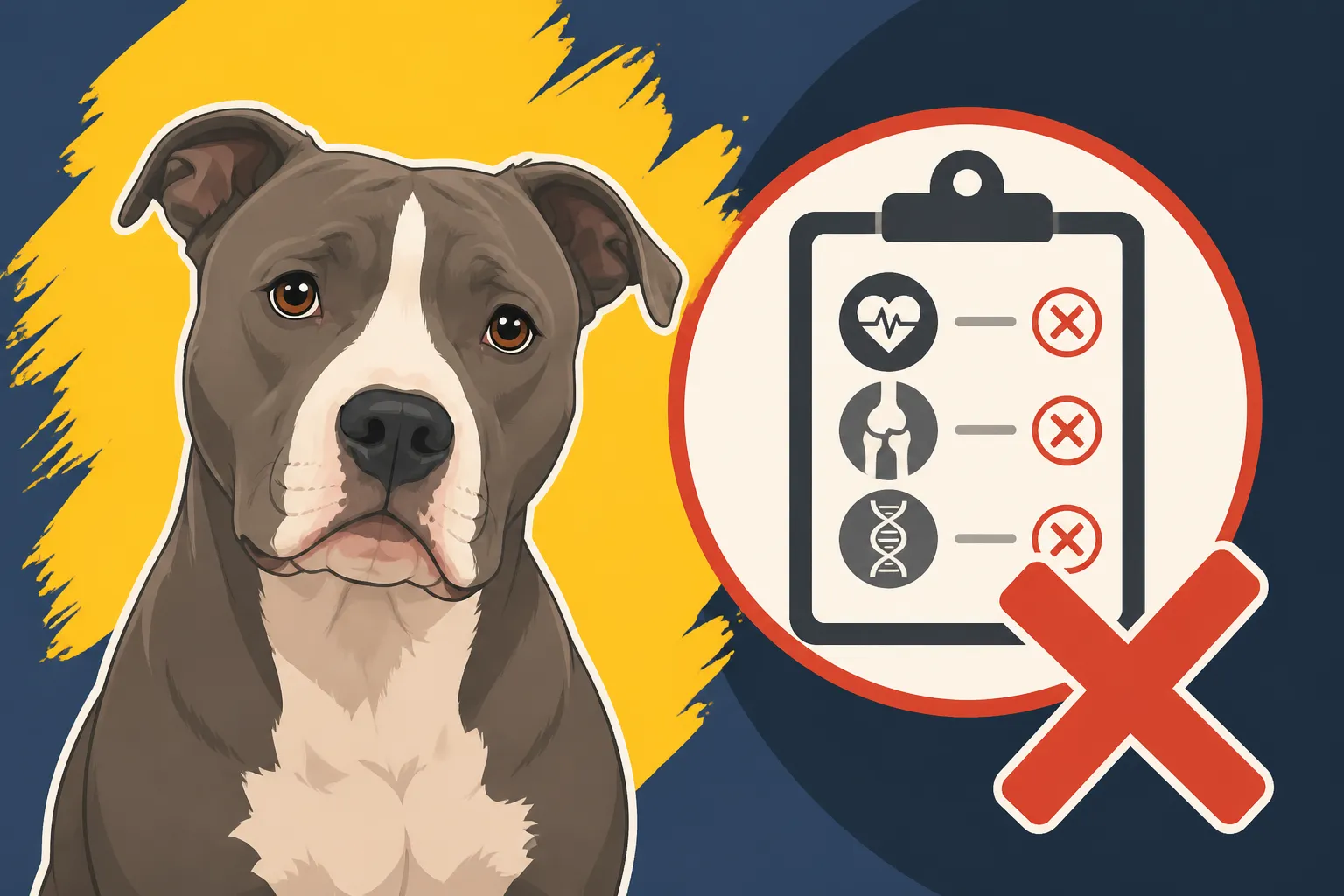
A Pit Bull Listing With No Health Testing
It’s a scenario many hopeful Pit Bull owners encounter: you’re scrolling through online listings, eager to find that perfect companion, and you see a beautiful puppy or young adult. The pictures are adorable, the description is glowing, but there’s a glaring omission—absolutely no mention of health testing for the parents. This silence isn't just an oversight; it's a huge red flag that can lead to significant heartbreak and financial strain down the road. This guide will walk you through why robust health testing is non-negotiable for Pit Bulls and what risks you take on when it's absent from a listing.
The Alarming Silence: When Health Testing is Absent from a Pit Bull Listing
Finding a Pit Bull listing without any mention of health testing feels like walking into a dark room without knowing where the furniture is. It’s unsettling because you just don’t know what you’re getting into. Many first-time owners, or even seasoned ones, might not realize the gravity of this omission, especially when faced with an adorable puppy. But that lack of transparency can be incredibly costly, both emotionally and financially. It’s not just about avoiding "sick" dogs; it's about making informed decisions to ensure your future companion has the best possible start to a long, healthy life.
What "Health Testing" Truly Means for Pit Bulls
When we talk about health testing for Pit Bulls, we're not just referring to a quick vet check-up or basic vaccinations. Those are important, of course, but true health testing goes much deeper. It involves specific screenings designed to identify genetic predispositions to certain inherited diseases that are common within the Pit Bull type breeds, such as the American Pit Bull Terrier or American Staffordshire Terrier. These tests are usually performed on the parent dogs before they are ever bred, ensuring that responsible breeders are working to reduce the incidence of these conditions in future generations. It's a commitment to the long-term health of the breed, not just a snapshot of a puppy's immediate well-being.
These comprehensive tests often require evaluations from specialist veterinarians or laboratories, and the results are typically registered with reputable organizations like the Orthopedic Foundation for Animals (OFA) or PennHIP for hip and elbow evaluations, or genetic testing labs for DNA-specific conditions. A breeder who proudly displays these certifications is demonstrating a significant investment in the health of their lines. Without these, you're essentially buying a lottery ticket, hoping for the best but with no real indication of the genetic hand you've been dealt.
The Hidden Dangers of Unscreened Parent Dogs
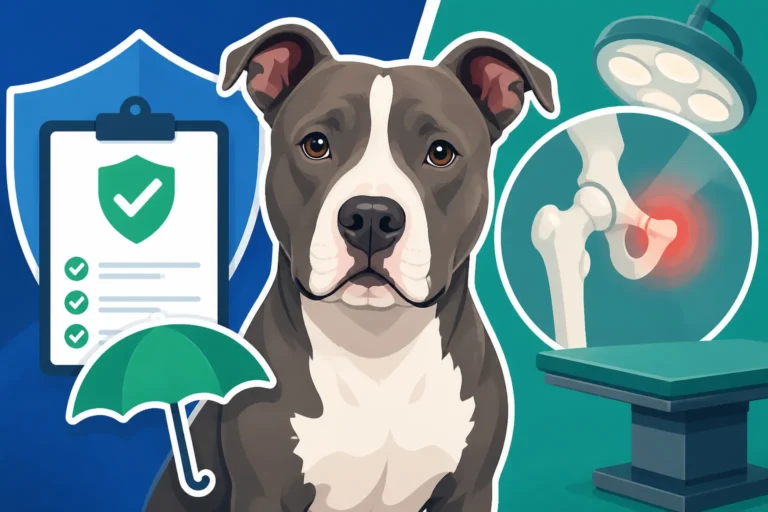
Choosing a Pit Bull from parents who haven't undergone proper health testing is a gamble with incredibly high stakes. The hidden dangers lie in the genetic baggage that can be passed down. Imagine bringing home a vibrant, playful puppy, only to find by the time it's one or two years old that it's already developing a painful condition like Pit Bull Hip Dysplasia Showing at One to Two Years. This isn't just a minor inconvenience; it's a debilitating disease that can severely impact your dog's mobility and quality of life, often requiring extensive medical intervention, physical therapy, or even costly surgeries.
Beyond orthopedic issues, other serious conditions can lurk in unscreened lineages. Inherited heart defects, thyroid imbalances, or even neurological disorders like cerebellar ataxia, common in certain Pit Bull lines, can manifest later in life, often with devastating consequences. These conditions are not always obvious in a young puppy, making health testing of the parents absolutely vital. When breeders skip these tests, they might be unknowingly perpetuating these health problems, and you, the unsuspecting owner, become the one to bear the emotional and financial burden of managing them.
Why a Lack of Information is a Major Red Flag
When a listing for a Pit Bull conspicuously lacks any mention of health testing, it's not just an oversight; it's a massive red flag waving frantically. A truly responsible breeder will be eager to share health clearances, often providing OFA numbers, PennHIP scores, or DNA test results for both parents. They understand that this transparency is crucial for potential buyers to make an informed decision and demonstrates their dedication to producing healthy puppies. If a breeder is vague, dismissive, or claims "my vet checked them out and they're fine," that's simply not good enough. A general vet check-up doesn't replace the specific, detailed screenings required for inherited conditions.
Furthermore, a lack of information often indicates that the breeder is either unaware of the importance of health testing, unwilling to invest the time and money into it, or worse, knows their dogs have issues they don't want to disclose. None of these scenarios bode well for the health of the puppies they produce. You should be asking about What Testing a Pit Bull Breeder Should Have Done and expect clear, verifiable answers. If you’re not getting them, it’s best to walk away, no matter how cute the puppies are.
Common Health Concerns Responsible Breeders Screen For
Responsible breeders understand that Pit Bulls, like any breed, have certain genetic predispositions. Their goal isn't just to produce a pretty dog, but a healthy one that will be a beloved family member for years to come. This means actively screening for these conditions in their breeding stock. It’s an investment that protects their dogs, their reputation, and ultimately, you as the future owner.
Orthopedic Issues: Hips, Elbows, and Knees
Orthopedic health is paramount for a strong, athletic dog like a Pit Bull. The most commonly recognized issues are hip and elbow dysplasia, debilitating conditions where the joints don't form correctly, leading to pain, arthritis, and lameness. For hips, certifications from organizations like OFA or PennHIP are standard. OFA evaluates X-rays and assigns a grade (Excellent, Good, Fair, Borderline, Mild, Moderate, Severe), with good or excellent being desirable for breeding. PennHIP offers a quantitative measurement of hip laxity, providing a distraction index (DI) that breeders use to select dogs with tighter hips.
Elbow dysplasia is another significant concern, involving multiple conditions that can cause lameness in the front legs. OFA also provides elbow evaluations, grading them as normal or various stages of dysplasia. Beyond these, patellar luxation (slipping kneecaps) can also be an issue. Responsible breeders will ensure their breeding dogs have passed these screenings, providing concrete proof that they are trying to minimize the risk of passing these painful conditions to their offspring. This proactive approach can save you a lifetime of worry and expensive vet bills down the line.
Cardiac and Thyroid Health: Beyond the Visible
Beyond the skeletal system, responsible breeders also look at internal health. Heart conditions can be subtle but serious. Aortic stenosis, for example, is a genetic heart defect sometimes seen in Pit Bull types, where the aortic valve narrows, restricting blood flow. Breeders typically get cardiac clearances from a veterinary cardiologist, often involving auscultation (listening with a stethoscope) and sometimes an echocardiogram, to rule out such issues. These results are also often submitted to the OFA for public record.
Thyroid health is another area that might not seem obvious but can have a profound impact on a dog's overall well-being and behavior. Hypothyroidism, an underactive thyroid, can lead to weight gain, skin problems, lethargy, and even aggression or anxiety in severe cases. Blood tests can screen for this, and breeders committed to health will ensure their breeding stock has normal thyroid function. Catching these issues early in the breeding line prevents future owners from grappling with a dog that A Pit Bull Gaining Weight on the Same Food or dealing with chronic skin issues linked to thyroid imbalance.
Neurological Conditions and Genetic Markers
Some Pit Bull lines can be predisposed to specific neurological conditions. One of the most talked-about is cerebellar ataxia, a progressive neurological disorder that affects coordination, balance, and gait. It’s a devastating condition, and thankfully, a DNA test is available to identify affected dogs and carriers. A responsible breeder will have proof of testing for Pit Bull Cerebellar Ataxia and the DNA Test to ensure they are not producing affected puppies. Knowing the genetic status of parent dogs is critical for preventing such heartache.
Breeders might also test for other genetic markers relevant to overall health. This could include screening for certain eye conditions, although they are less common in Pit Bulls compared to some other breeds. The key is that a breeder actively seeks to understand the genetic makeup of their dogs to make the most informed breeding decisions. If you're looking at a listing, inquire about these DNA tests. A breeder who can confidently provide clear results is showing a level of dedication that is simply not present in listings that omit health information entirely.
The Financial and Emotional Toll of Undisclosed Health Problems
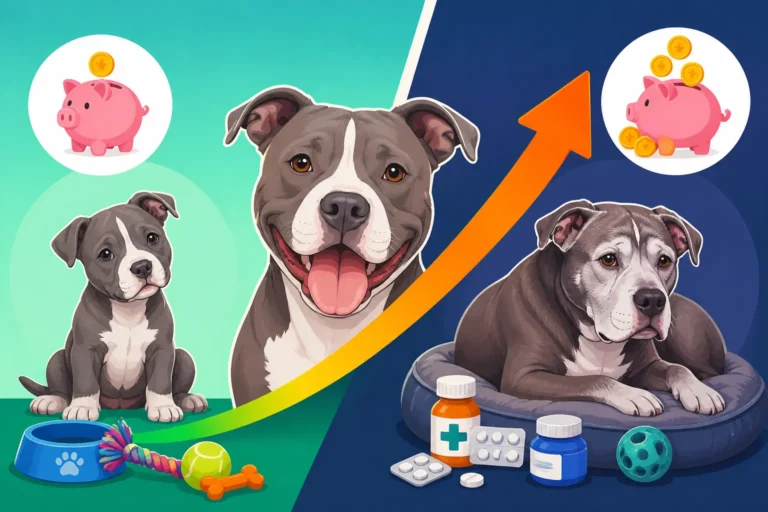
Let's be brutally honest: nobody anticipates a future filled with vet bills and constant worry when they bring a new puppy home. But the reality is that skipping health-tested parents significantly increases the odds of exactly that. The initial saving you might make on a cheaper puppy from an unscreened litter can quickly be dwarfed by the expenses of managing a dog with inherited health issues. It's not just money; it's the emotional toll of watching your beloved companion suffer and trying to provide them with the best quality of life possible under challenging circumstances.
Unexpected Vet Bills and Ongoing Care
Imagine your Pit Bull developing severe hip dysplasia by its second birthday. Suddenly, you're looking at expensive diagnostics—X-rays, consultations with specialists—and potentially life-altering surgery, which can easily run into thousands of dollars per hip. Even without surgery, ongoing management for conditions like hip dysplasia or severe allergies can involve regular pain medication, joint supplements, special diets (like those offered by brands such as Ollie for specific dietary needs), physical therapy, and frequent vet visits. These aren't one-off costs; they're recurring expenses that can quickly add up. A single year of managing Pit Bull Allergy Treatment as a Recurring Bill can often cost more than the initial price difference between a health-tested puppy and one without clearances.
This table illustrates a hypothetical cost comparison of owning a Pit Bull from health-tested vs. unscreened parents. Note that these are estimates and can vary widely based on location and severity.
| Condition Area | Health-Tested Parents (Lower Risk) | Unscreened Parents (Higher Risk) | Potential Annual Costs (USD, Est.) |
|---|---|---|---|
| Orthopedic | Routine check-ups, preventative supplements | Diagnostic imaging, pain meds, surgery, rehab | $100 – $300 (preventative) |
| $3,000 – $15,000+ (treatment) | |||
| Allergies/Skin | Quality food, occasional medicated bath | Vet visits, specialized food, allergy meds, immunotherapy | $200 – $500 (basic) |
| $1,000 – $4,000+ (chronic) | |||
| Cardiac | Routine check-ups | Specialist consults, medication, regular monitoring | $50 – $150 |
| $800 – $3,000+ | |||
| Neurological | Low risk if cleared by DNA test | Diagnostics, medication, quality of life care | Minimal |
| $1,500 – $5,000+ | |||
| TOTAL (Yearly) | $400 – $1,000 (General Wellness) | Potentially $5,000 – $20,000+ (for severe issues) |
These numbers aren't meant to scare you, but to provide a realistic picture. Investing in pet insurance from providers like Healthy Paws can certainly help mitigate some of these costs, but even then, there are deductibles and reimbursement percentages to consider, and pre-existing conditions are rarely covered.
The Heartbreak of Managing Preventable Illnesses
Beyond the financial strain, there's the profound emotional toll. Watching your vibrant Pit Bull struggle with pain, discomfort, or declining health due to a preventable genetic condition is heartbreaking. You form an unbreakable bond with your dog, and their suffering becomes your suffering. The guilt that can arise from realizing you might have unknowingly contributed to their plight by not thoroughly vetting the breeder can be immense.
Imagine your Pit Bull constantly itching and scratching due to severe skin allergies, a common issue often exacerbated by poor breeding practices. You spend countless hours trying to soothe them, apply creams, give medicated baths, and navigate complex dietary restrictions. This isn't just about the dog; it impacts your daily life, your routine, and your emotional well-being. The joy of pet ownership can be overshadowed by constant worry and the feeling of helplessness. This heartbreak is a far greater cost than any initial purchase price.
Long-term Impact on Your Pit Bull's Quality of Life
Ultimately, the lack of health testing impacts your Pit Bull's entire life. Conditions like severe hip dysplasia can mean a life of restricted activity, inability to run and play as a Pit Bull should, and chronic pain. Neurological conditions like ataxia can lead to a severely compromised quality of life and a much shorter lifespan. Even chronic allergies can make every day a struggle with discomfort and secondary infections, leading to frequent vet visits for issues like Pit Bull Ear Infections and What Drives Them.
When you bring a dog into your home, you envision a lifetime of happy memories, long walks, and joyful companionship. Undisclosed health issues can severely diminish these dreams, replacing them with a reality of managing illness. A healthy start from health-tested parents dramatically increases the likelihood of your Pit Bull living a full, active, and comfortable life, which is truly priceless.
Navigating Breeder Listings: What to Look For and What to Ask
So, how do you avoid falling into the trap of an unscreened Pit Bull? It starts with diligence, asking the right questions, and knowing what legitimate proof looks like. Don't be swayed by charming photos or low prices alone. Your due diligence now will save you countless headaches and heartaches later.
Verifying Health Clearances and Pedigree Information
A reputable breeder won't just tell you their dogs are health tested; they'll prove it. They should be able to provide you with OFA numbers, PennHIP certificates, or direct links to public databases where you can verify the results for both the sire (father) and dam (mother) of the litter. For genetic conditions like cerebellar ataxia, they should provide copies of the DNA test results from a recognized lab, showing the dogs are clear or, if they are carriers, that they've been bred responsibly to a clear dog. Don't accept vague answers or excuses.
Beyond health, responsible breeders will also be transparent about their dogs' pedigrees. While "Pit Bull" is a type rather than a single breed recognized by all major kennel clubs, organizations like the United Kennel Club (UKC) register American Pit Bull Terriers. A breeder should be able to provide UKC registration papers and discuss the lineage of their dogs. This pedigree isn't just about bragging rights; it's a record that can sometimes shed light on common health issues that might run in certain lines, giving you an even clearer picture of your potential puppy's genetic background.
Beyond Paperwork: Observing the Parents and Environment
While paperwork is vital, it's also crucial to see beyond the documents. If possible, visit the breeder's facility. Observe the parent dogs. Are they healthy, well-socialized, and in good condition? Do they have good temperaments? A dog that is aggressive, fearful, or overly shy might not make the best parent, regardless of its health clearances. The environment should be clean, safe, and stimulating for the puppies. Pay attention to how the puppies are raised – are they handled regularly? Are they clean and playful?
A reputable breeder will usually have a waiting list, be selective about who they sell to, and ask you as many questions as you ask them. They’re invested in finding good homes for their puppies. They should be knowledgeable about their specific lines, the breed standard, and common issues. Take the time to interact with the puppies and observe their behavior. A shy or sickly puppy could be a sign of underlying issues, either genetic or environmental. And don't forget to look for signs of general health, like bright eyes, clean ears, and a healthy coat.
Red Flags Beyond Missing Health Testing
While missing health testing is a primary red flag, there are other signs that can indicate an irresponsible breeder or a puppy mill. Be wary of any breeder who:
- Has multiple litters available at once, especially of different breeds. This often points to a volume operation rather than a focus on quality breeding.
- Cannot allow you to meet the puppy's mother (and ideally, the father). The mother's temperament is a huge indicator of what the puppies will be like, and if she's not present, it's a huge cause for concern.
- Pushes you to make a quick decision or offers to meet you in a public place. A responsible breeder wants you to be sure and will prefer you visit their home where the puppies are raised.
- Doesn't have a clear contract or health guarantee. A good contract will outline responsibilities, health guarantees (usually for a limited time for genetic issues), and what happens if a puppy develops a serious problem.
- Sells puppies under 8 weeks old. Puppies need that crucial time with their mother and littermates for proper development and socialization.
- Focuses heavily on "rare" colors like "blue nose" or "red nose" Pit Bulls without any mention of health. While these colors are certainly striking, they are coat variations, not distinct breeds, and some can be associated with higher instances of certain health issues, making health testing even more critical.
Remember, buying a Pit Bull is a long-term commitment. Taking your time and being discerning in your search will pay dividends in the happiness and health of your future companion. Consider places like Chewy for a wide range of quality dog supplies, but always prioritize the health background of the puppy itself.
Considering Rescue Pit Bulls: A Different Kind of Health History
It's important to acknowledge that not every Pit Bull comes from a breeder. A huge number of fantastic Pit Bulls are waiting in shelters and rescues, and their health histories are often a different story. While you won't get health clearances for their parents, adopting a rescue Pit Bull can be incredibly rewarding. It just requires a slightly different approach to understanding their health.
Assessing Health in a Shelter Environment
When you adopt from a shelter or rescue, you usually won't have access to the full genetic history or parental health clearances. However, reputable rescues and shelters do their best to assess the health of the dogs in their care. They'll typically perform a thorough veterinary examination, vaccinate, deworm, spay or neuter, and microchip the dog. They'll also treat any immediate medical issues, like skin infections (which are common in Pit Bulls, especially conditions like Pit Bull Skin Allergies and the Atopy Pattern), or ear infections before adoption.
Ask to see their veterinary records. Discuss any known health issues the dog might have. Many shelters will be transparent about ongoing conditions and even offer support or guidance. While you might not know the deep genetic history, you will at least know the dog's current health status and any existing medical needs, allowing you to prepare for them financially and emotionally. Some rescues even have foster programs where dogs live in homes, giving you a better idea of their temperament and any health quirks in a home environment.
Proactive Steps for a Rescue Pit Bull's Wellness
Bringing home a rescue Pit Bull, especially one with an unknown past, means being proactive about their long-term wellness. Schedule a vet visit shortly after adoption, even if the shelter provided a recent check-up. This establishes a baseline with your chosen veterinarian and allows for any follow-up questions or concerns. Discuss age-appropriate preventative care, including regular parasite control and vaccinations.
Consider investing in pet insurance right away, from a provider like Healthy Paws or similar. The sooner you enroll, the less likely any future conditions will be considered "pre-existing" and therefore excluded from coverage. Focus on a high-quality diet (brands like Ollie can be excellent for tailored nutrition), regular exercise tailored to their age and condition, and consistent mental stimulation. Be vigilant about observing any changes in their behavior or physical health, and don't hesitate to contact your vet with concerns. Early detection is key to managing any health issues that may arise.
The Unique Rewards and Challenges of Rescue
Adopting a rescue Pit Bull comes with its own set of unique rewards and challenges. The reward is immense: you are giving a deserving dog a second chance at a loving home, and the gratitude and bond you form can be incredibly powerful. Many rescue Pit Bulls are sweet, resilient, and eager to please, despite their pasts.
The challenges, however, can include dealing with unknown behavioral quirks or the potential for undiagnosed health conditions to emerge. You might not have the same certainty about genetic health as you would from a meticulously health-tested breeder. However, for many, the immense satisfaction of saving a life and providing a stable, loving environment far outweighs these potential difficulties. It simply requires an open heart, patience, and a commitment to providing the best care possible, whatever their health journey may entail.
Understanding the Investment: Why Health Testing Pays Off
At the end of the day, making an informed decision about where your Pit Bull comes from is one of the most significant investments you'll make as a pet owner. It's not just about the upfront cost of the puppy; it's about safeguarding their future, your peace of mind, and your financial stability.
Comparing Initial Costs to Lifelong Expenses
It's true that puppies from health-tested parents often come with a higher price tag. This isn't breeders trying to get rich; it reflects the substantial investment they've made in their breeding program: the cost of health clearances, quality food, veterinary care for the parents, stud fees, puppy raising expenses, and their time and expertise. This initial higher cost might seem daunting.
However, when you compare that to the potential lifelong expenses of managing a dog with a severe, preventable genetic condition, the picture changes dramatically. As shown in our table, treating severe hip dysplasia, managing chronic allergies, or dealing with a debilitating cardiac condition can cost thousands, even tens of thousands, of dollars over a Pit Bull's lifespan. These costs can easily eclipse the initial savings from purchasing an unscreened puppy. When you factor in the time, stress, and emotional toll, the initial investment in a health-tested puppy starts to look like a bargain.
The Peace of Mind a Healthy Start Provides
Ultimately, choosing a Pit Bull from health-tested parents offers invaluable peace of mind. It doesn't guarantee your dog will never have a health issue—no living creature is immune to illness or injury—but it significantly reduces the risk of inherited genetic diseases. This allows you to focus on the joys of companionship, training, and making memories, rather than being constantly worried about the next vet bill or health crisis.
Knowing that a breeder has done their utmost to produce healthy puppies, selecting parents free of common genetic faults, provides a solid foundation for your Pit Bull's life. It's about giving your beloved companion the best possible chance at a long, healthy, and happy existence. That peace of mind, knowing you've made the most responsible choice for your dog's future, is truly priceless.
Disclaimer
The information provided in this article is for general informational purposes only and is not a substitute for professional veterinary advice. Always consult with a qualified veterinarian regarding your Pit Bull's health, diet, and any medical conditions.