A Pit Bull Gaining Weight on the Same Food
It’s incredibly frustrating, isn't it? You’re doing everything the same – feeding your Pit Bull the same food, the same amount, with the same exercise routine – yet suddenly, you notice them putting on weight. It feels like a mystery, and it can leave you worried about their health and wondering what on earth has changed. This guide is here to unravel that mystery, explore the common culprits behind unexpected weight gain in Pit Bulls, and walk you through actionable steps to get your beloved companion back to a healthy, lean weight.
Understanding Your Pit Bull's Metabolism and Body Condition
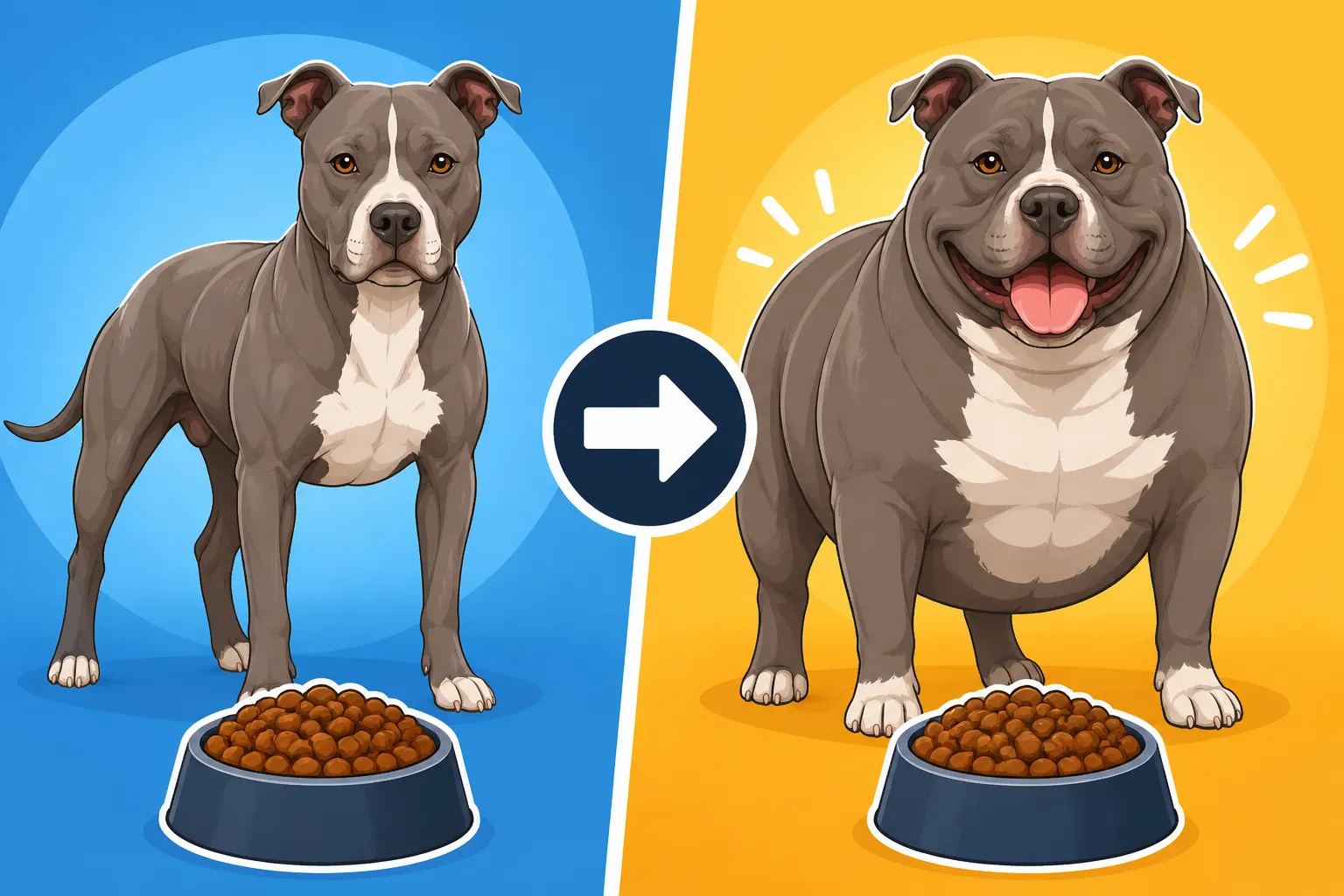
Pit Bulls are naturally muscular and powerful dogs, and this very trait can sometimes make it tricky to spot weight gain until it's already a problem. Their compact, athletic build means that a few extra pounds can be easily hidden or mistaken for more muscle.
Why Muscle Makes Weight Hard to Judge
You look at your Pit Bull, and you see a robust, strong dog. It’s easy to think that any extra bulk is just their powerful musculature. But here's the kicker: beneath that impressive muscle, fat can accumulate stealthily. A Pit Bull's dense build and broad chest can mask the subtle rounding of their body that might be more obvious in a lankier breed. You might not see a hanging belly or overly prominent fat pads until they’ve gained quite a bit more than you realize. This can be especially deceptive if you’re used to seeing them in prime condition. Their impressive shoulders and hindquarters can make even a slightly overweight dog appear "big-boned" rather than "overweight." It's a common trap many Pit Bull owners fall into, and it's certainly not your fault if you've been caught off guard.
Beyond the Scale: Assessing Body Condition Score (BCS)
Because the scale alone doesn't tell the whole story for a muscular dog, learning to assess your Pit Bull's Body Condition Score (BCS) is absolutely vital. This isn't just about looking; it’s about feeling your dog.
Here’s how to do it:
- Ribs: Gently run your hands along your Pit Bull's sides. You should be able to easily feel their ribs without pressing hard, like feeling the back of your hand. If you have to dig your fingers in to locate them, your dog is likely overweight. If you can see their ribs without much effort, they might be too thin.
- Waist: Stand directly over your Pit Bull and look down. You should see a noticeable "tuck" or hourglass shape behind their ribs, where their waist narrows. If they have a straight, barrel-like appearance or their sides bulge out, they are carrying too much weight.
- Abdominal Tuck: From the side, look at their belly. It should tuck up slightly from their chest to their hind legs, not hang low or be parallel to the ground. An absence of this tuck indicates excess abdominal fat.
Learning how to consistently check these areas will give you a much more accurate picture of their physical condition than just their weight in pounds or kilograms. It’s a skill that empowers you to keep a close eye on their health. For more detailed guidance on how to distinguish between healthy muscle and excess fat, you might find our article on "Telling Muscle From Fat on a Pit Bull" incredibly useful. It can be a real eye-opener, helping you understand where that extra weight might be hiding.
Common Reasons for Unexpected Weight Gain (Even on the Same Food)
It feels like a paradox, doesn't it? The food hasn't changed, the routine seems the same, yet the pounds are creeping on. This is where we need to dig a little deeper, as several factors, often subtle, can contribute to a Pit Bull gaining weight even when their diet seems consistent.
Hormonal Imbalances and Thyroid Issues
One of the most common, yet frequently overlooked, reasons for weight gain in Pit Bulls is an underlying medical condition, particularly hormonal imbalances. Hypothyroidism is a prime example. This condition occurs when your dog's thyroid gland doesn't produce enough thyroid hormone. This hormone is crucial for regulating metabolism. When it's low, the body's metabolic rate slows down, leading to weight gain even if the caloric intake remains constant.
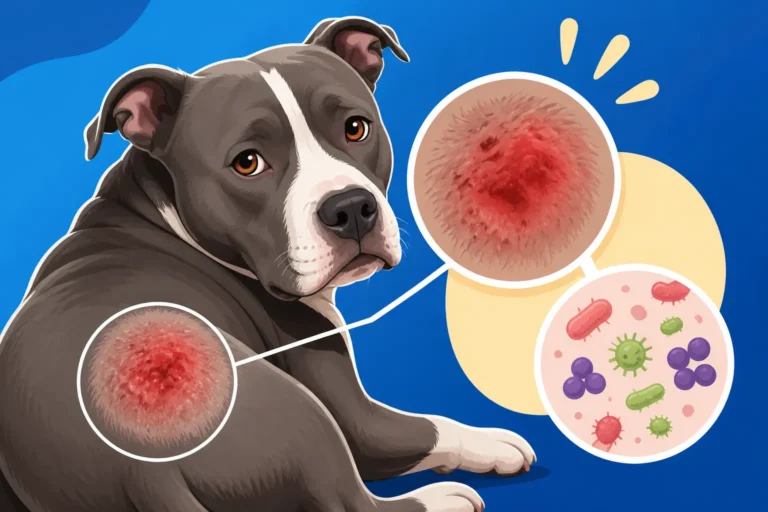
Beyond just packing on pounds, you might notice other tell-tale signs of hypothyroidism. These can include a dull, dry, or thinning coat, particularly on their flanks and tail, often accompanied by increased shedding. Your normally energetic Pit Bull might seem more lethargic, sleeping more, and showing less enthusiasm for walks or play. They might also appear colder than usual or develop recurrent skin issues. Diagnosing hypothyroidism usually involves a comprehensive blood test, specifically a full thyroid panel, which measures various thyroid hormone levels. If diagnosed, treatment typically involves daily thyroid hormone supplementation, which is often lifelong but very effective in managing the condition. Getting timely veterinary care is essential, and having a pet insurance plan from providers like Healthy Paws can certainly help manage the costs of such diagnostic testing and ongoing medication, alleviating some of that financial worry during an already stressful time. If you're observing these symptoms, our post on "When a Pit Bull Thyroid Panel Is Worth Running" offers more insights.
Age-Related Metabolic Slowdown
Just like with people, a Pit Bull's metabolism naturally changes as they age. What was once the perfect amount of food for a high-energy, growing or adult dog might become too much for a senior Pit Bull. As they mature, their metabolic rate slows down, meaning they don't burn calories as efficiently. Even if the food portion size remains precisely the same, the energy expenditure of their body has decreased, leading to an excess of calories that are then stored as fat.
This metabolic shift often coincides with a gradual decrease in activity levels. While your Pit Bull might still enjoy their walks, the intensity, duration, or frequency might have subtly dropped without you even realizing it. Perhaps they're not zooming around the yard quite as much, or their play sessions are shorter. These small, cumulative changes mean the "same food" is no longer the "right food" for their current life stage and activity level. This is a tough pill to swallow because you want them to enjoy their golden years, but carrying extra weight can put unnecessary strain on their joints and internal organs. You can learn more about this transition in our article "When a Pit Bull Starts Slowing Down", which discusses the natural progression of aging in this powerful breed.
Subtle Changes in Activity Levels or Environmental Factors
Sometimes, the "same exercise routine" isn't quite the same as it once was. Life happens, right? Maybe your work schedule shifted slightly, leading to walks being a little shorter or less frequent. Perhaps the weather has been consistently bad, forcing more indoor time. Or maybe a new health issue (even a minor one you haven't yet noticed) means your Pit Bull isn't moving with the same gusto.
Even if you think nothing has changed, take a really honest look at their daily movement. Are they playing as vigorously? Are they taking the stairs less often? Is there a new dog in the neighborhood that makes your walks more stressful and less about active movement? These seemingly minor shifts can reduce their calorie expenditure over weeks and months, contributing to weight gain. Think about seasonal changes too; during colder months, many dogs naturally become less active outdoors, burning fewer calories. An unseasonably hot summer can also limit outdoor exercise, leading to the same outcome. Each small reduction in activity means the "same food" contributes more calories than your dog is expending.
Medications and Their Side Effects
It's a double-edged sword when your Pit Bull needs medication for an existing condition. While these drugs are vital for managing health issues, some, unfortunately, come with side effects that can include weight gain. Corticosteroids, commonly prescribed for allergies, inflammatory conditions, or autoimmune diseases, are a classic example. These medications can increase appetite and cause fluid retention, leading to weight gain. Dogs on steroids might also experience muscle wasting, which makes them appear larger and less toned, further masking true weight gain.
Other medications, such as certain anti-seizure drugs, or even some medications used to treat anxiety, can also impact metabolism or increase appetite. If your Pit Bull is on any long-term medication, it’s worth having a candid conversation with your veterinarian about potential side effects related to weight. It can be incredibly frustrating to manage one health issue only to have another crop up as a side effect. Your vet might be able to suggest alternative medications or strategies to counteract the weight gain. This is another area where pet insurance, like a plan from Healthy Paws, can be invaluable, as it can help cover the ongoing costs of these essential medications and any associated monitoring. Understanding how long-term medication can affect your dog's weight is crucial, especially for conditions like skin allergies which are common in Pit Bulls, a topic covered in more detail in our article on "Feeding a Pit Bull on Long-Term Allergy Medication".
What to Do When Your Pit Bull Gains Weight
Discovering your Pit Bull has put on weight can feel overwhelming, but the good news is there are clear, actionable steps you can take. The most important thing is not to panic, but to approach the situation systematically.
Thorough Veterinary Check-Up and Diagnostics
Your first and most crucial step is to schedule a comprehensive veterinary check-up. Please, don't try to guess or self-diagnose! As we discussed, unexpected weight gain can be a red flag for underlying medical conditions like hypothyroidism. Your veterinarian will perform a thorough physical examination, which includes assessing your dog's body condition, palpating their abdomen, and listening to their heart and lungs. They'll also ask you detailed questions about your Pit Bull's diet, exercise routine, any recent changes, and other symptoms you might have observed.
To rule out medical causes, your vet will likely recommend diagnostic tests. This usually includes a complete blood count (CBC) and a biochemistry panel, which can give them insights into organ function and metabolic health. As mentioned earlier, a full thyroid panel is often a key test to assess for hypothyroidism. Depending on their findings, they might suggest further tests. Catching an underlying health issue early is paramount, as many conditions, when properly diagnosed and treated, can be well-managed, allowing your Pit Bull to return to a healthy weight. The cost of these diagnostics can sometimes be a concern, but comprehensive pet insurance from a reputable provider like Healthy Paws can often alleviate this burden significantly, covering a percentage of eligible vet bills. Taking proactive steps for your Pit Bull's health, including regular check-ups, is an investment in their long and happy life, a sentiment we echo in our piece about "The Bloodwork an Old Pit Bull Should Have".
Re-evaluating Diet and Portion Control
Once any medical conditions have been ruled out or are being managed, the next big focus is diet. It’s easy to get complacent with feeding, especially if your Pit Bull has always been lean. But even if you think you’re giving them the "same food" and "same amount," there might be room for improvement or adjustment.
- Measure Precisely: Eyeballing food portions is a recipe for disaster. Invest in a proper measuring cup or, even better, a kitchen scale to weigh out your Pit Bull’s food. Small variations day after day can add up significantly over weeks and months. A quarter-cup "extra" per meal, for example, can translate to hundreds of excess calories over a week.
- Reassess Caloric Needs: Work with your vet to determine your Pit Bull's ideal weight and then calculate their daily caloric needs based on that ideal weight, their age, and their actual activity level. There are many online calculators, but your vet can offer the most accurate guidance. Remember, an older, less active Pit Bull needs significantly fewer calories than a young, working one.
- Consider a "Light" or "Senior" Formula: Many reputable dog food brands offer formulas specifically designed for weight management or senior dogs. These often have fewer calories per serving, along with appropriate protein levels and added joint support. Slowly transition your Pit Bull to a new food over 7-10 days to avoid stomach upset.
- Treats Count! Those little treats add up! Be honest with yourself about how many treats your Pit Bull is getting each day, from training rewards to "just because" snacks. Factor these calories into their daily intake. Consider switching to low-calorie options like plain green beans, baby carrots, or small pieces of cooked lean chicken.
Precise measurement of food isn't just a recommendation; it's a fundamental step in managing your Pit Bull's weight effectively. You might find our article "Why a Pit Bull Ration Should Be Weighed" helpful for practical tips on accurate portion control.
Increasing Activity and Mental Stimulation Safely
Once you've addressed diet and any medical concerns, increasing activity is the other half of the equation. For a muscular breed like a Pit Bull, this doesn’t necessarily mean becoming a marathon runner overnight. It means finding safe, consistent ways to burn more calories and build lean muscle.
- Consistent Walks: Aim for longer, more brisk walks if possible. Instead of one long walk, perhaps break it into two or three shorter, active sessions throughout the day. Explore new routes to keep things interesting. Even an extra 10-15 minutes of walking per day can make a difference over time.
- Incorporate Play: Tug-of-war (with rules!), fetch, or flirt pole sessions are excellent ways to get your Pit Bull moving and burning energy in a concentrated burst. Just be mindful of their joints, especially if they are older or significantly overweight.
- Swimming: If you have access to a safe swimming area (and your Pit Bull enjoys it!), swimming is a fantastic, low-impact exercise that burns a lot of calories and builds muscle without stressing joints. A life jacket is always a good idea for water safety.
- Mental Engagement: Sometimes, physical activity is limited (due to weather, age, or temporary injury). In these cases, mental stimulation becomes even more important. Puzzle feeders, scent work, or learning new tricks can burn mental energy, which indirectly contributes to calorie expenditure and reduces boredom-driven behaviors that might lead to seeking food.
- Joint Support: If your Pit Bull is already carrying extra weight, their joints will be under more strain. Talk to your vet about appropriate joint supplements (like glucosamine and chondroitin) or even anti-inflammatory medications to keep them comfortable and encourage movement. This is another scenario where pet insurance from providers like Healthy Paws can be extremely beneficial, helping to cover unexpected injuries or ongoing care related to joint health. Getting your Pit Bull back into peak physical condition requires a thoughtful approach, and our guide on "Getting a Pit Bull Back Into Condition" offers comprehensive strategies to do just that.
| Factor Contributing to Weight Gain | Explanation | Potential Solutions |
|---|---|---|
| Metabolic Slowdown (Age) | As Pit Bulls age, their metabolism naturally slows, and they burn fewer calories at rest. | Adjust calorie intake, consider senior-specific food, increase gentle exercise. |
| Hypothyroidism | Underactive thyroid gland leading to reduced metabolism. | Veterinary diagnosis (blood test) and daily thyroid hormone medication. |
| Reduced Activity Levels | Subtle, unnoticed decreases in daily exercise, play, or walks. | Increase walk duration/frequency, incorporate structured play, consider swimming or mental games. |
| Overfeeding / Inaccurate Portions | Guessing food amounts, too many high-calorie treats, large portions for current activity. | Weigh food precisely, reduce treats (or switch to low-calorie options), re-evaluate caloric needs with vet. |
| Medication Side Effects | Certain drugs (e.g., steroids) can increase appetite or cause fluid retention. | Discuss alternative medications with vet, manage appetite, increased controlled exercise. |
| Neutering/Spaying | Hormonal changes can lead to a slight decrease in metabolic rate post-surgery. | Slightly reduce food intake immediately after surgery, monitor weight closely, adjust as needed. |
Long-Term Management and Prevention
The journey to a healthy weight for your Pit Bull isn't a sprint; it's a lifelong commitment. The key to success lies in consistent monitoring and a proactive partnership with your veterinary team.
Consistent Monitoring and Regular Weigh-Ins
Once you've started making changes, consistent monitoring is absolutely essential. Don't wait until you see the weight gain again. Regularly perform the Body Condition Score check we discussed earlier – feel those ribs, check that waist, and observe the abdominal tuck. Make it a weekly or bi-weekly habit. For very accurate tracking, try to weigh your Pit Bull at the vet's office on the same scale, or use a reliable home pet scale if feasible. Keep a journal or use a simple app to log their weight and BCS, noting any changes in appetite or activity. This early detection allows for minor adjustments before a few extra pounds turn into a significant health concern. It's much easier to shed two pounds than twenty! This diligence ensures you can respond swiftly to any minor fluctuations, keeping your Pit Bull in prime condition.
Working with Your Vet for a Tailored Plan
Think of your veterinarian as your primary partner in your Pit Bull's long-term weight management. They are your best resource for creating a tailored plan that considers your dog’s individual needs, breed predispositions, age, and any existing health conditions. Don’t hesitate to schedule regular follow-up appointments specifically to discuss weight. Your vet can provide:
- Nutritional Consultations: They can help you fine-tune your Pit Bull's diet, recommend specific food brands or formulas, and adjust caloric intake as needed.
- Exercise Guidance: Especially if your Pit Bull has joint issues or is older, your vet can advise on safe and effective exercise routines that won't cause injury but will still help them burn calories. They can suggest appropriate activities and help you understand the safe limits for your dog.
- Medical Management: If an underlying condition is contributing to weight, your vet will manage that condition, which in turn will support healthy weight.
Remember, carrying extra weight, even a few pounds, significantly increases the load on your Pit Bull's joints, accelerating the onset and severity of conditions like arthritis. This is particularly relevant for a powerful breed prone to joint issues. Our article "How Weight Multiplies the Load on Pit Bull Joints" delves into this critical aspect, highlighting why maintaining a healthy weight is crucial for their mobility and overall quality of life. By collaborating closely with your vet, you ensure that your Pit Bull receives the most appropriate and effective care to maintain a healthy weight and live their best life.
Disclaimer
The information provided in this article is for general informational purposes only and is not a substitute for professional veterinary advice. Always consult with a qualified veterinarian for any health concerns or before making any decisions related to your Pit Bull's diet, exercise, or medical care.