Pit Bull Hip Dysplasia Showing at One to Two Years
It’s truly disheartening when you see your vibrant, energetic Pit Bull, still so young and full of life, start to show signs of discomfort or pain. Often, as owners, we dismiss early limping or stiffness as a minor tweak from enthusiastic play, only to discover it’s something far more serious: hip dysplasia. This guide is here to walk you through understanding hip dysplasia in Pit Bulls, especially when it manifests between one and two years of age, helping you recognize the signs, navigate diagnosis, and explore effective management and treatment options to ensure your beloved companion can live their best life.
Understanding Pit Bull Hip Dysplasia
Hip dysplasia is a condition that, frankly, can feel like a punch to the gut for any dog owner, but particularly when it impacts a breed as active and powerful as a Pit Bull. It’s not just a passing ache; it’s a fundamental issue with their skeletal development. Knowing what it is, why Pit Bulls are often prone to it, and the factors that contribute to its development can help you better understand and manage your dog's health.
What Exactly Is Hip Dysplasia
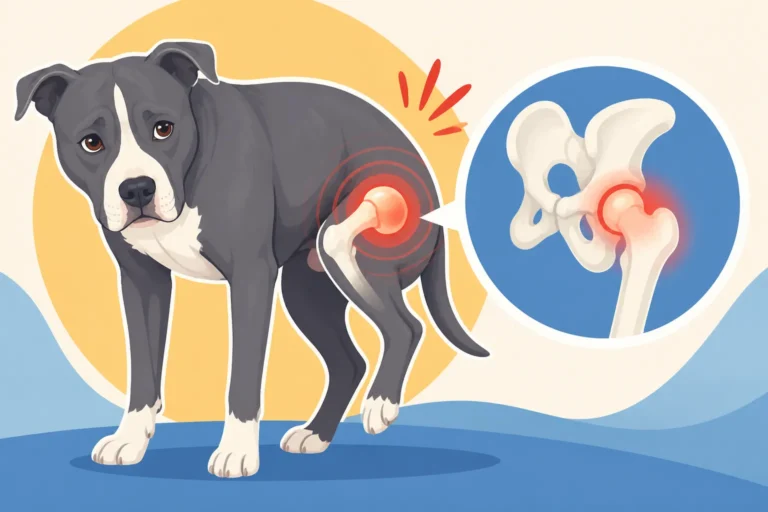
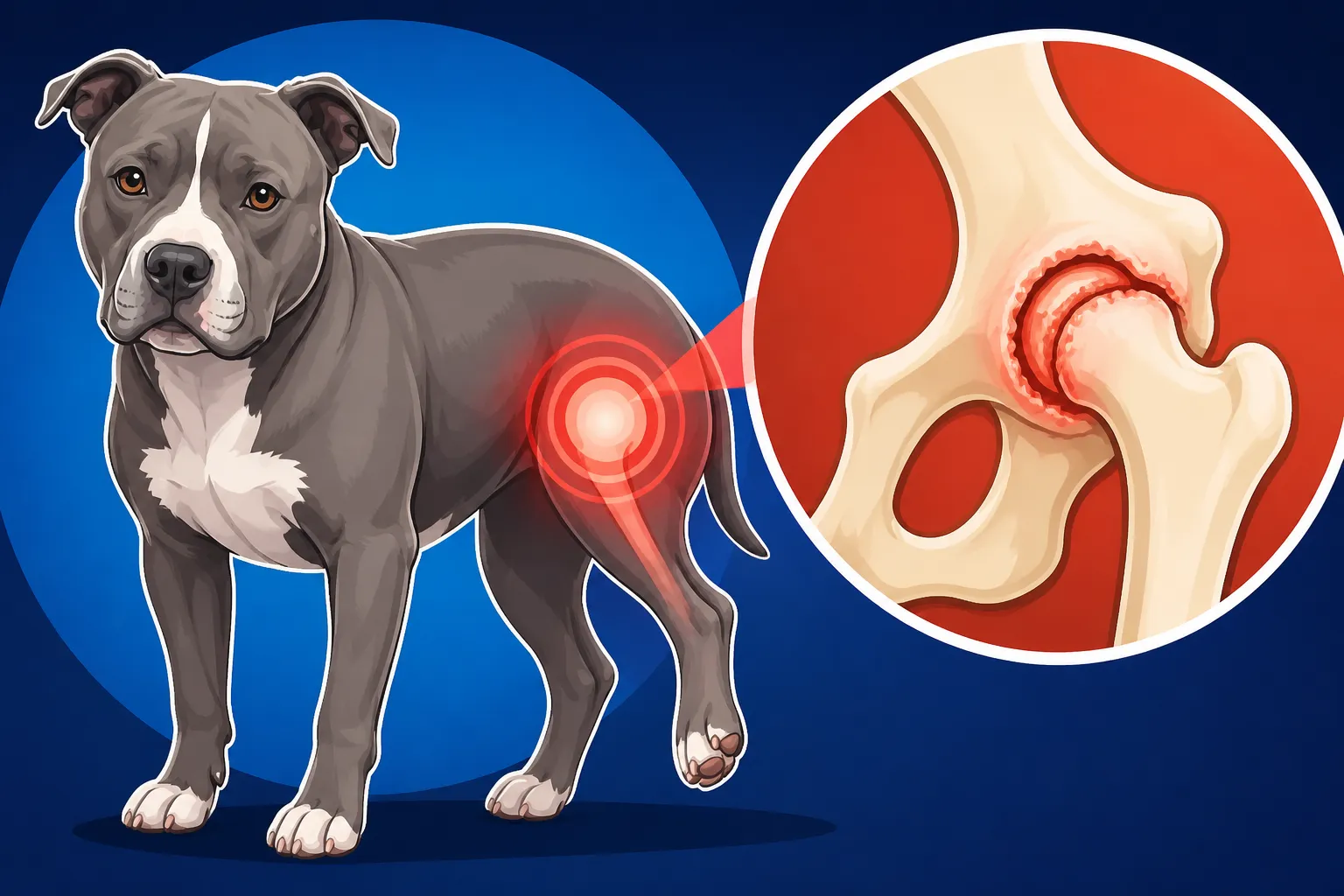
In simple terms, hip dysplasia occurs when the ball and socket joint of the hip doesn't form correctly. Instead of fitting snugly, the femoral head (the "ball") and the acetabulum (the "socket") become loose or malformed. Imagine trying to make two mismatched puzzle pieces fit – they just don't create a smooth connection. This incongruity leads to instability in the joint, causing abnormal wear and tear over time. For a young Pit Bull, this means that every jump, run, or even just a simple stand can contribute to the gradual degeneration of the joint cartilage, often leading to pain, inflammation, and eventually, debilitating osteoarthritis.
It’s important to understand that this isn’t an injury from one specific event. It’s a developmental orthopedic disease, meaning it starts as they grow. The looseness in the joint allows the bones to rub against each other, grinding down the smooth cartilage that normally provides a frictionless surface. As this cartilage erodes, the body tries to compensate by laying down new bone, leading to bone spurs and further inflammation, which only exacerbates the pain and limits mobility. This process is relentless, and without intervention, it inevitably progresses to chronic pain and reduced quality of life.
Why Pit Bulls Are Prone to It
While hip dysplasia can affect any dog breed, larger, rapidly growing breeds, and those with a muscular build like Pit Bulls, are statistically more susceptible. This isn't to say every Pit Bull will develop it, but their genetic predisposition, combined with their powerful physiques, makes them a common candidate for this condition. The breed's history of being bred for strength and agility might inadvertently contribute to issues in their joint structure if careful breeding practices aren't followed. Breeders who prioritize mass and muscle without equal attention to skeletal integrity can inadvertently perpetuate the problem.
For a young Pit Bull, their sheer strength and enthusiasm can also mask the early signs of hip trouble. They often push through discomfort, relying on their powerful leg muscles to compensate for unstable joints, making it harder for owners to notice symptoms until the condition is quite advanced. It's a cruel irony that their very robustness can hide an underlying weakness. This is why vigilance, especially as your Pit Bull is nearing their full growth at one to two years, is absolutely crucial. Owners often share stories of their dogs seemingly fine one day, then showing clear issues the next, but in reality, the underlying problem had been brewing for months, if not longer.
Genetic and Environmental Factors at Play
Hip dysplasia is considered a polygenic disease, meaning multiple genes contribute to its inheritance, but environmental factors also play a significant role. If a Pit Bull puppy has parents with poor hip conformation, their chances of developing the condition are significantly higher. This is why reputable breeders go to great lengths to ensure their breeding dogs have excellent hip scores. However, even puppies from perfectly screened parents can sometimes develop hip dysplasia if other factors come into play.
Environmental factors during a Pit Bull’s critical growth phase, usually from puppyhood up to about 18 months, can either exacerbate or mitigate the genetic predisposition. Over-nutrition, leading to rapid weight gain, is a major culprit. Too much food, especially high-calorie puppy food, can cause a puppy to grow too quickly, putting excessive stress on developing joints. Similarly, inappropriate or excessive exercise – like forced running, jumping from high places, or intense agility work too early – can damage the still-soft cartilage and bones. Think of a young Pit Bull’s joints like fresh concrete; they’re still hardening, and too much pressure can cause cracks that will be permanent. Conversely, maintaining a lean body condition and providing appropriate, controlled exercise can help support proper joint development, even in a genetically predisposed dog. It's a delicate balance, and mistakes made during these crucial early months can have lifelong consequences.
Recognizing the Early Signs
Catching hip dysplasia early in your Pit Bull can make a world of difference in managing the condition and improving their long-term comfort. However, identifying these signs when your dog is just one to two years old can be tricky, as they’re often subtle and easily mistaken for normal puppy antics or minor sprains. It’s all about tuning into your dog’s unique behavior and noticing deviations from their norm. Many owners recount how they initially dismissed a slight change, only to later realize it was a significant indicator.
Subtle Changes in Gait and Activity
One of the first things you might notice, if you're observant, is a subtle alteration in how your Pit Bull moves. They might develop a "bunny hop" gait, where they move both hind legs together when running, rather than independently. This is a classic sign of trying to minimize weight bearing on one or both painful hips. You might also observe a general stiffness, especially after resting or waking up from a nap. This stiffness may work itself out after a few minutes of movement, making it easy to overlook.
Beyond their gait, pay close attention to their willingness to engage in activities they once loved. A Pit Bull that used to bound into the car might hesitate, or require help getting in. They might be slower to get up, or seem less eager for long walks or games of fetch. This isn't about laziness; it's about pain. My friend's Pit Bull, Thor, stopped jumping onto the couch around 18 months. We thought he was just being polite, but it turned out his hips were screaming at him with every jump. These small, seemingly insignificant changes in activity level or enthusiasm are often your dog's way of communicating discomfort before the more obvious signs appear. You might also notice a slight swaying in their hindquarters when they walk, or an unevenness in their stride, even if they're not overtly limping.
Pain Responses and Stiffness
As hip dysplasia progresses, or as the wear and tear accumulates in a young, active Pit Bull, more overt signs of pain and stiffness will emerge. Your dog might cry out or yelp if you touch their hip area, or if they twist awkwardly. They might become reluctant to let you groom their hindquarters or even lift a back leg. Many owners describe their dogs being "grumpy" or "snappy" when approached in a certain way, which can often be misconstrued as behavioral issues rather than a pain response. Always consider pain as a potential cause for sudden changes in temperament.
Stiffness is another key indicator. It’s not just a post-nap stretch; it’s a lingering rigidity, particularly in the mornings or after periods of inactivity. They might struggle to stand up from a lying position, or seem to take longer to get their footing. You may also notice a decrease in their range of motion in the hips – they might not stretch their back legs as far behind them, or they might seem less flexible. Observing these signs, particularly if they persist or worsen over a few days, warrants a call to your veterinarian. Early intervention can significantly impact the progression and management of the condition. Don't let your Pit Bull's tough exterior fool you; they can be excellent at hiding pain, so you need to be their advocate. For more insights on the initial signs, you might find information on When Pit Bull Hip Symptoms First Appear helpful.
Behavioral Shifts and Reluctance
Beyond physical signs, hip dysplasia can manifest in noticeable behavioral changes. A previously outgoing Pit Bull might become more withdrawn or irritable. They might avoid interactions with other dogs or even family members, especially if those interactions involve rough play that puts stress on their hips. A dog in chronic pain isn't a happy dog, and their personality can shift. They might seek out softer places to lie down, or try to spend more time alone.
Another common behavioral sign is a reluctance to perform certain actions that were once routine. Think about stairs, jumping on furniture, or even getting into the car. What was once effortless becomes a noticeable struggle. They might refuse a favorite game of fetch, not because they don't want to play, but because running and turning sharply causes significant pain. These aren't minor preferences; they're direct indicators of physical limitations. If your typically joyful and active Pit Bull suddenly seems subdued, less engaged, or shows signs of anxiety or frustration during movement, it's a huge red flag that something deeper than a bad mood is going on. This is especially true for an athletic breed like a Pit Bull, whose identity is often tied to their physical prowess.
The Diagnosis Process
Once you’ve noticed those troubling signs in your young Pit Bull, the next crucial step is to get a professional diagnosis. This isn't just about confirming your suspicions; it's about understanding the severity of the condition and outlining the best course of action. It can be an anxious time, but having a clear process helps alleviate some of that worry.
Initial Vet Examination and History
Your first visit to the veterinarian will typically involve a thorough physical examination and a detailed discussion about your Pit Bull's symptoms and health history. Your vet will ask you when you first noticed the signs, what activities seem to aggravate or alleviate the discomfort, and whether there have been any changes in appetite, weight, or overall demeanor. This is where those subtle observations you've been making become incredibly important, so don't hold back any details, no matter how small they seem.
During the physical exam, your vet will perform orthopedic manipulations. They’ll gently extend and flex your Pit Bull’s hip joints, listening for grinding sounds (crepitus), feeling for joint laxity (looseness), and observing your dog’s pain response. They might perform specific tests like the Ortolani sign or Bardens test, which are designed to detect hip laxity. These can sometimes be tricky in a muscled Pit Bull, as their strong leg muscles can stabilize an otherwise loose joint. Depending on the level of muscle tension and pain, your vet might even recommend sedation for a more accurate manual assessment. This initial evaluation helps your vet decide if imaging is necessary and what types might be most beneficial.
Radiographs and Specialized Imaging
The definitive diagnosis of hip dysplasia usually comes from radiographs, commonly known as X-rays. For these to be most effective, your Pit Bull will likely need to be sedated. This isn't just for comfort; it's crucial for obtaining accurate, symmetrical positioning of the hips. An improperly positioned X-ray can either hide existing dysplasia or make a normal hip appear dysplastic. Your vet will take images of both hips in specific positions, typically a ventrodorsal extended view (lying on their back with legs extended straight) and sometimes other views like a "frog-leg" position to get a comprehensive look at the joint structure.
These X-rays allow the veterinarian to assess several key indicators: the depth of the acetabulum (socket), the shape and coverage of the femoral head (ball), the presence of any degenerative changes like bone spurs (osteophytes), and the degree of subluxation (partial dislocation) or laxity in the joint. They'll be looking for signs that the joint isn't fitting together as it should. In some cases, especially if the X-rays are inconclusive or if a more detailed assessment is needed for surgical planning, your vet might recommend advanced imaging techniques like CT scans or MRI, though these are less common for an initial diagnosis. It's an investment, but a necessary one to get a clear picture of what's happening inside those joints.
Interpreting Hip Scores and Grades
Once the radiographs are taken, your vet will interpret them, often sending them to a board-certified veterinary radiologist for an expert opinion. For breeding purposes or a more standardized assessment, these X-rays can be submitted to organizations like the Orthopedic Foundation for Animals (OFA) or PennHIP. OFA will evaluate the films and assign a hip conformation grade (Excellent, Good, Fair, Borderline, Mild, Moderate, or Severe Dysplasia) based on a panel of three radiologists. This grading is typically performed after a dog is 24 months old, but preliminary readings can be done earlier.
PennHIP offers a different kind of assessment, focusing on hip laxity, which is a key predictor of hip dysplasia. This method measures the passive hip laxity by taking specific X-rays under compression and distraction. PennHIP can be performed as early as 16 weeks of age, providing an earlier indicator of risk. Understanding your Pit Bull’s hip score or grade is vital because it not only confirms the diagnosis but also helps determine the best treatment strategy. A dog with mild dysplasia might respond well to conservative management, while a dog with severe laxity and degenerative changes might be a better candidate for surgical intervention. For a deeper dive into these evaluations, you can learn more about Pit Bull Hips and How They Are Scored or even specific information on PennHIP Testing for a Pit Bull. Each method offers valuable, albeit slightly different, information.
| Hip Grading System | Minimum Age for Evaluation | Key Measurement | What it Indicates |
|---|---|---|---|
| OFA | 24 months (preliminary at 4 months) | Conformation (shape, fit, signs of DJD) | Degree of osteoarthritis and fit |
| PennHIP | 16 weeks | Joint Laxity (looseness) | Predisposition to dysplasia |
Managing Hip Dysplasia in Young Pit Bulls
Discovering your young Pit Bull has hip dysplasia can feel overwhelming, but the good news is there are many ways to manage the condition and improve their quality of life. For dogs diagnosed between one and two years old, a multi-faceted approach, often starting with conservative management, is typically recommended.
Conservative Management Strategies
Conservative management focuses on alleviating pain, reducing inflammation, and slowing the progression of joint degeneration without surgery. One of the cornerstones of this approach is medication. Non-steroidal anti-inflammatory drugs (NSAIDs) like carprofen (Rimadyl), meloxicam (Metacam), or firocoxib (Previcox) are commonly prescribed to control pain and inflammation. Your vet will work with you to find the right dosage and monitor for any side effects. It’s important to never give human pain relievers to your dog, as they can be toxic.
Beyond NSAIDs, many vets recommend joint supplements. These often contain ingredients like glucosamine, chondroitin sulfate, and MSM, which are believed to support cartilage health and reduce inflammation. Brands like Dasuquin, Cosequin, or Glycoflex are popular choices. Omega-3 fatty acids, found in fish oil, are also excellent natural anti-inflammatories and can be a great addition. While these supplements might not "cure" hip dysplasia, they can significantly improve comfort and mobility over the long term. Remember, supplements take time to build up in the system, so consistency is key. Additionally, newer injectable therapies like polysulfated glycosaminoglycans (Adequan) can also be highly beneficial in lubricating the joints and promoting cartilage repair. These treatments can be a significant part of their long-term care plan, something that pet insurance providers like Healthy Paws often help cover, ensuring you can afford the best ongoing care.
Physical Therapy and Controlled Exercise
Physical therapy is incredibly beneficial for Pit Bulls with hip dysplasia. A certified canine rehabilitation therapist can develop a tailored exercise program designed to strengthen the muscles supporting the hip joint, improve range of motion, and reduce pain. This often involves a combination of controlled exercises like leash walking, gentle swimming, and specific therapeutic movements. Hydrotherapy (exercising in water) is particularly effective because it allows for movement without putting undue stress on the joints, helping to build muscle strength around the hips without impact.
Controlled exercise is paramount. Gone are the days of unrestricted, high-impact play for a dysplastic Pit Bull. Instead, focus on short, frequent walks on soft surfaces, avoiding abrupt stops, starts, and jumps. Activities like slow swimming or walking on an underwater treadmill are ideal. The goal is to keep the muscles strong and flexible without causing further damage to the compromised joints. Consistency is key here; a little bit of appropriate exercise every day is far better than sporadic intense sessions followed by long periods of inactivity. This careful balance of activity helps maintain muscle mass, which is vital for providing natural support to unstable hips. Learning about Joint Support for a Heavily Muscled Pit Bull can provide further guidance here.
Weight Management and Nutrition
Perhaps one of the most critical aspects of conservative management for a young Pit Bull with hip dysplasia is strict weight management. Every extra pound your dog carries places additional stress on already compromised hip joints. Imagine carrying a heavy backpack all day – it’s exhausting and hard on your joints. It's the same for your dog. Keeping your Pit Bull at a lean, healthy weight is arguably the single most impactful thing you can do to manage their pain and slow the progression of osteoarthritis. For a deep dive into this topic, refer to How Weight Multiplies the Load on Pit Bull Joints.
Work with your vet to determine the ideal body condition score and daily calorie intake for your dog. This might mean adjusting their food, measuring meals precisely, and being very mindful of treats. Many vets recommend diets specifically formulated for joint health, which often contain higher levels of omega-3 fatty acids, glucosamine, and chondroitin. These specialized diets can be a significant help, working in conjunction with supplements and medications. Remember, it's easier to prevent weight gain than to take it off a painful dog, so proactive management of their diet from the moment of diagnosis is crucial. A lean Pit Bull will have noticeably less pain and significantly better mobility than an overweight one, even with the same degree of dysplasia. Maintaining a healthy weight helps to keep the pressure off their delicate hip joints.
Surgical Interventions and Their Realities
When conservative management isn't enough to keep a young Pit Bull comfortable, or if the dysplasia is severe from the outset, surgical intervention may be the best path forward. This can be a daunting prospect for any owner, but understanding the options available can help you make an informed decision for your furry friend.
Femoral Head Ostectomy FHO
A Femoral Head Ostectomy (FHO) is a salvage procedure, meaning it's typically considered when other options are not viable, often due to cost or the severity of the condition. In an FHO, the surgeon removes the head and neck of the femur (the "ball" part of the hip joint). The idea is that without the bone-on-bone friction of the malformed joint, the pain will be eliminated. The body then forms a "false joint" (fibrous tissue) where the femoral head once was. The surrounding muscles eventually strengthen to support this new, pain-free connection.
FHO is usually recommended for smaller dogs or those with low body weight, as their muscles can more easily compensate for the missing bone. However, it can be an option for a muscular Pit Bull, especially if only one hip is severely affected, or if the dog cannot undergo a more complex surgery like a total hip replacement. Recovery involves significant physical therapy to build muscle mass and ensure a good outcome. While it doesn't restore a "normal" hip, it can dramatically reduce pain and improve mobility, allowing your Pit Bull to lead a much more comfortable life. The key to success with FHO in a Pit Bull is dedicated post-operative rehabilitation.
Triple Pelvic Osteotomy TPO
Triple Pelvic Osteotomy (TPO) is a corrective surgery primarily performed on young dogs (typically under 10-12 months of age, before significant degenerative changes have occurred) with hip laxity but without severe osteoarthritis. The window for this surgery is quite narrow, as it relies on the hips still being relatively healthy but misaligned. In a TPO, the surgeon makes three cuts in the pelvic bone, rotates the acetabulum (socket) to create better coverage for the femoral head, and then re-secures the bones with plates and screws.
The goal of TPO is to prevent future osteoarthritis by improving the joint's stability and contact. It essentially reshapes the socket to cup the ball more snugly, reducing the laxity that causes the grinding and degeneration. Because it's a more involved procedure, recovery is significant, requiring strict confinement and controlled activity for several weeks. It's often performed on one hip at a time, with a recovery period between surgeries if both hips are affected. If your Pit Bull is between one and two years old and has significant laxity without severe arthritis, a modified version (DPO or Double Pelvic Osteotomy) might still be considered, but the younger the better for this type of corrective procedure.
Total Hip Replacement THR
For Pit Bulls suffering from severe hip dysplasia and significant pain, particularly those between one and two years who are already showing advanced degenerative changes, a Total Hip Replacement (THR) is considered the gold standard surgical solution. This procedure involves replacing both the ball and socket components of the hip joint with artificial implants, similar to human hip replacements. The femoral head and neck are removed and replaced with a metal ball and stem, and the acetabulum is reshaped and lined with a plastic or metal cup.
THR offers the best chance for complete restoration of normal hip function and pain-free mobility. It's a complex and expensive surgery, typically performed by a board-certified veterinary orthopedic surgeon. Success rates are very high (around 90-95%) in experienced hands, leading to excellent long-term outcomes. Recovery involves a strict, gradual rehabilitation program to prevent complications and ensure the implants integrate properly. While the upfront cost is significant, the long-term benefits in terms of quality of life for your Pit Bull can be immeasurable. For more detailed information on this procedure, check out Hip Replacement in a Muscular Pit Bull. Pet insurance, like that offered by Healthy Paws, can be incredibly helpful in making such a high-cost, life-changing surgery more affordable for owners.
Living with Hip Dysplasia
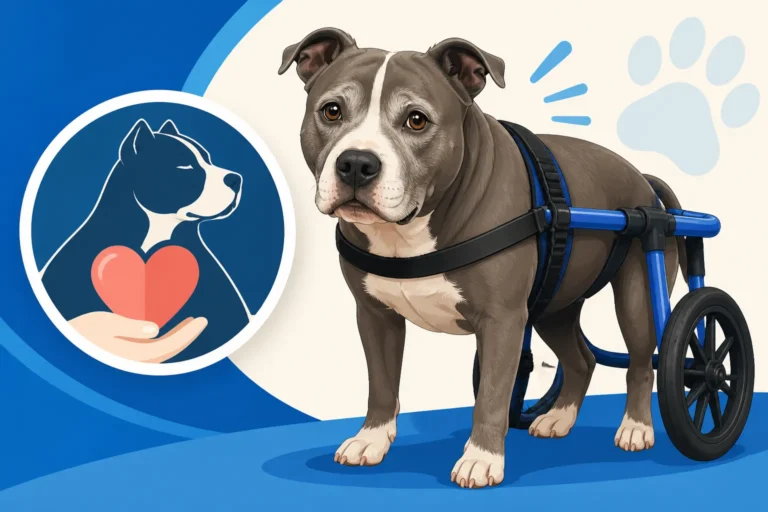
A diagnosis of hip dysplasia at a young age can feel like a life sentence, but it doesn't have to be. With careful management, modifications to their lifestyle, and a deep commitment from you, your Pit Bull can still live a full and happy life. It’s about adapting and focusing on their comfort and well-being.
Creating a Supportive Home Environment
Making your home comfortable and safe for a Pit Bull with hip dysplasia is paramount. Think about small changes that can have a big impact. Non-slip rugs or runners on hardwood or tile floors can prevent slips and falls, which can cause painful jolts to already sensitive joints. Providing orthopedic dog beds with good support can alleviate pressure points and offer a softer, more comfortable resting place. Many dogs with hip issues struggle to get up from flat, thin beds.
Consider ramps or steps to help your Pit Bull access furniture, such as the couch or bed, or to get into and out of the car. This eliminates the need for painful jumping. If your Pit Bull frequently uses stairs, consider carrying them if they're small enough, or installing a dog ramp. Even something as simple as raising their food and water bowls can make a difference, as it reduces the need to bend and put strain on their hips while eating or drinking. These proactive measures can significantly reduce daily strain and improve their comfort, showing them that you understand their needs.
Maintaining Quality of Life
The goal of managing hip dysplasia is always to maintain your Pit Bull's quality of life. This means finding a balance between activity and rest that suits their individual needs. While high-impact activities might be off the table, engagement and mental stimulation are still incredibly important. Puzzle toys, scent work, and short, controlled walks in interesting environments can keep their minds active and prevent boredom, which can lead to destructive behaviors if they're not getting enough mental outlet.
Regular, gentle exercise, such as swimming or slow leash walks, helps maintain muscle mass and joint flexibility without exacerbating pain. It’s about listening to your dog – if they seem more stiff or tired after an activity, scale it back. If they’re thriving, you might be able to gradually increase it. Regularly scheduled veterinary check-ups are also crucial to monitor their condition, adjust medications, and ensure they're receiving the best possible care. This proactive approach helps catch any worsening symptoms or new issues early, allowing for timely adjustments to their management plan. For insights into long-term care, exploring Arthritis in a Pit Bull at Seven might provide perspective on what managing joint issues looks like as they age.
Ongoing Monitoring and Adjustments
Living with hip dysplasia is a journey, not a destination. Your Pit Bull's needs will change over time, and regular monitoring and adjustments to their care plan will be necessary. This includes routine vet visits, usually every 6-12 months, or more frequently if their condition changes. During these visits, your vet will assess their pain levels, mobility, and overall comfort, making adjustments to medication or supplements as needed. They might also recommend repeat X-rays to monitor the progression of osteoarthritis.
It’s also important to observe your Pit Bull daily for any subtle changes. Are they more stiff today? Are they limping more than usual? Have they gained or lost weight? Keep a journal of their good days and bad days, as this information can be invaluable for your vet. Don’t be afraid to advocate for your dog and ask questions. You are their primary caregiver, and your observations are critical. Sometimes, adding a new supplement, changing a medication dosage, or even incorporating a new physical therapy exercise can make a significant difference. The continuous, watchful eye of a devoted owner, combined with expert veterinary care, is the best recipe for ensuring a good quality of life for a Pit Bull with hip dysplasia.
Prevention and Responsible Breeding
While hip dysplasia can be a tough hand to be dealt, especially when your Pit Bull is still young, there are definitely things we can do on the preventative side, particularly concerning responsible breeding practices and careful management during puppyhood. It’s about stacking the deck in their favor from the very beginning.
The Importance of Health Testing for Breeders
This is perhaps the most critical step in preventing hip dysplasia. Responsible breeders of Pit Bulls – specifically American Pit Bull Terriers or American Staffordshire Terriers – are deeply committed to health testing their breeding stock. They won't just tell you their dogs are healthy; they'll show you the official certifications. This means submitting hip radiographs of both parents (and sometimes grandparents) to organizations like the Orthopedic Foundation for Animals (OFA) or conducting PennHIP evaluations. Dogs with hip dysplasia, even mild forms, should not be bred, as they can pass on the genetic predisposition to their offspring.
A reputable breeder will be transparent about their dogs’ health clearances and should be able to explain What an OFA Hip Grade Says About a Pit Bull or a PennHIP score means. They will also be willing to share these results with prospective puppy buyers. If a breeder makes excuses or claims testing isn't necessary, that's a huge red flag. Investing in a puppy from health-tested parents significantly reduces the risk of your Pit Bull developing severe hip dysplasia. It’s not a guarantee, but it’s the best preventative measure an owner can take when choosing a puppy. Always ask to see the official paperwork, not just a verbal assurance. For comprehensive information on what to expect, refer to What Testing a Pit Bull Breeder Should Have Done.
Early Spay/Neuter Considerations
The timing of spaying or neutering has become a topic of increasing discussion in canine health, particularly concerning joint development in larger breeds like Pit Bulls. Some studies suggest that early spay/neuter (before 12-18 months of age) may slightly increase the risk of certain orthopedic issues, including hip dysplasia and cruciate ligament tears, due to the removal of hormones that play a role in bone plate closure and growth. The theory is that when these hormones are removed too early, growth plates may remain open longer, leading to disproportionate bone growth and potentially affecting joint integrity.
For a Pit Bull, whose muscular frame already puts demands on their joints, delaying spay/neuter until they are closer to full maturity (e.g., 18-24 months for males, or after their first heat cycle for females) might be a consideration. This allows their bones and joints to fully develop under the influence of natural hormones. However, delaying also comes with other considerations, such as the risk of unplanned pregnancies, certain cancers, and behavioral issues. It's a complex decision that should be made in consultation with your veterinarian, weighing the potential orthopedic benefits against other health and behavioral factors for your individual dog. The discussion around Whether Early Neutering Harms Pit Bull Joints delves deeper into this topic.
Optimizing Puppy Growth
Beyond genetics, how a Pit Bull puppy grows during their first year to eighteen months plays a massive role in hip development. The goal is steady, healthy growth, not rapid bulk. Over-feeding a puppy, especially with high-calorie "all life stages" or adult formulas, can lead to accelerated growth and excess weight, which puts tremendous strain on developing joints. This is a common pitfall, as many owners want their Pit Bull to be big and strong, often equating more food with better growth.
Instead, feed a high-quality, large-breed puppy food that is specifically formulated for controlled growth. These diets typically have a balanced calcium-to-phosphorus ratio and moderate calorie content to prevent too-rapid growth. Monitor your puppy's weight and body condition closely. They should always look lean, with easily palpable ribs and a visible waist, not chunky. Additionally, restrict strenuous, high-impact exercise during puppyhood. Avoid long runs, intense jumping, or repetitive activities on hard surfaces. Encourage controlled play, short walks, and mental stimulation. Allowing a puppy to self-regulate play is usually best. This careful management of nutrition and exercise, combined with responsible breeding, gives your Pit Bull the best possible chance at healthy hips, laying the groundwork for a robust adult Pit Bull Weight and Muscle on a Working Frame.
Financial Considerations and Insurance
Let's be real: dealing with a chronic condition like hip dysplasia in your Pit Bull, especially one diagnosed so young, comes with significant financial implications. The costs can add up quickly, from diagnosis to ongoing management or potential surgery. Understanding these costs and how pet insurance can help is crucial for planning and peace of mind.
Estimated Costs for Diagnosis and Treatment
The initial diagnosis itself can run a few hundred dollars. This typically includes the vet consultation, sedation for X-rays, and the cost of the radiographs themselves. If specialized imaging like a PennHIP evaluation is done, that will add to the bill. Once diagnosed, conservative management can cost anywhere from a few hundred to over a thousand dollars annually. This includes regular vet check-ups, ongoing NSAIDs, joint supplements, and potential physical therapy sessions (which can be $50-$100+ per session, and often require multiple sessions weekly initially).
Should surgery be necessary, the costs can skyrocket. A Femoral Head Ostectomy (FHO) can range from $1,200 to $3,000 per hip. A Triple Pelvic Osteotomy (TPO) or a related procedure could be $3,000 to $5,000 per hip, and often requires two separate surgeries if both hips are affected. The most comprehensive option, a Total Hip Replacement (THR), is also the most expensive, often ranging from $6,000 to $9,000 or more per hip, depending on your location and the veterinary specialist. These surgical costs don't even include the extensive post-operative care, medications, and physical rehabilitation, which can add thousands more. The reality is that hip dysplasia can quickly become a five-figure expense over the lifetime of your Pit Bull.
Pet Insurance Coverage for Hip Dysplasia
This is where pet insurance can be an absolute lifesaver. Many owners regret not having insurance when faced with a diagnosis like hip dysplasia. However, there's a critical caveat: pet insurance typically considers hip dysplasia a "pre-existing condition" if your Pit Bull shows any symptoms or receives a diagnosis before you enroll them or before the waiting period for orthopedic conditions is over. This means if you enroll your Pit Bull after they've already started showing signs at one or two years old, the condition likely won't be covered.
Therefore, the best time to get pet insurance is when your Pit Bull is a young puppy, ideally before any health issues arise. Plans from providers like Healthy Paws often cover a wide range of conditions, including accidents, illnesses, and genetic or hereditary conditions like hip dysplasia, provided it's not pre-existing. It's essential to read the policy carefully to understand what's covered, what the deductibles are, and the reimbursement percentages. Having a good pet insurance policy can mean the difference between being able to afford the best possible care, including expensive surgeries like a THR, and having to make difficult financial decisions. Don't wait until symptoms appear; proactive enrollment can save you immense stress and cost in the long run.
Budgeting for Long-Term Care
Even with insurance, or if your Pit Bull's condition is managed conservatively, budgeting for long-term care is essential. Hip dysplasia is not a one-time fix; it's a lifelong condition that requires ongoing management. This means setting aside funds for regular vet visits, continuous medication refills, joint supplements, and potentially periodic physical therapy. Consider creating a dedicated savings account for your Pit Bull's health needs. Many owners find it helpful to calculate the estimated monthly cost of their dog's care and factor that into their regular household budget.
This long-term budgeting also needs to account for potential flare-ups or new issues that may arise as your Pit Bull ages, such as Arthritis in a Pit Bull at Seven. While conservative management can be very effective for many years, the joints will continue to degenerate slowly. As they get older, they may require more frequent vet visits, higher doses of medication, or additional pain management strategies. Planning ahead financially ensures you won't be caught off guard and can consistently provide the level of care your beloved Pit Bull deserves throughout their life, allowing them to remain as comfortable and active as possible despite their condition.
Disclaimer
The information provided in this article is for educational purposes only and is not intended as a substitute for professional veterinary advice. Always consult with a qualified veterinarian for any health concerns or before making any decisions about your Pit Bull's medical care.