Whether Pit Bull Insurance Covers Hip Surgery
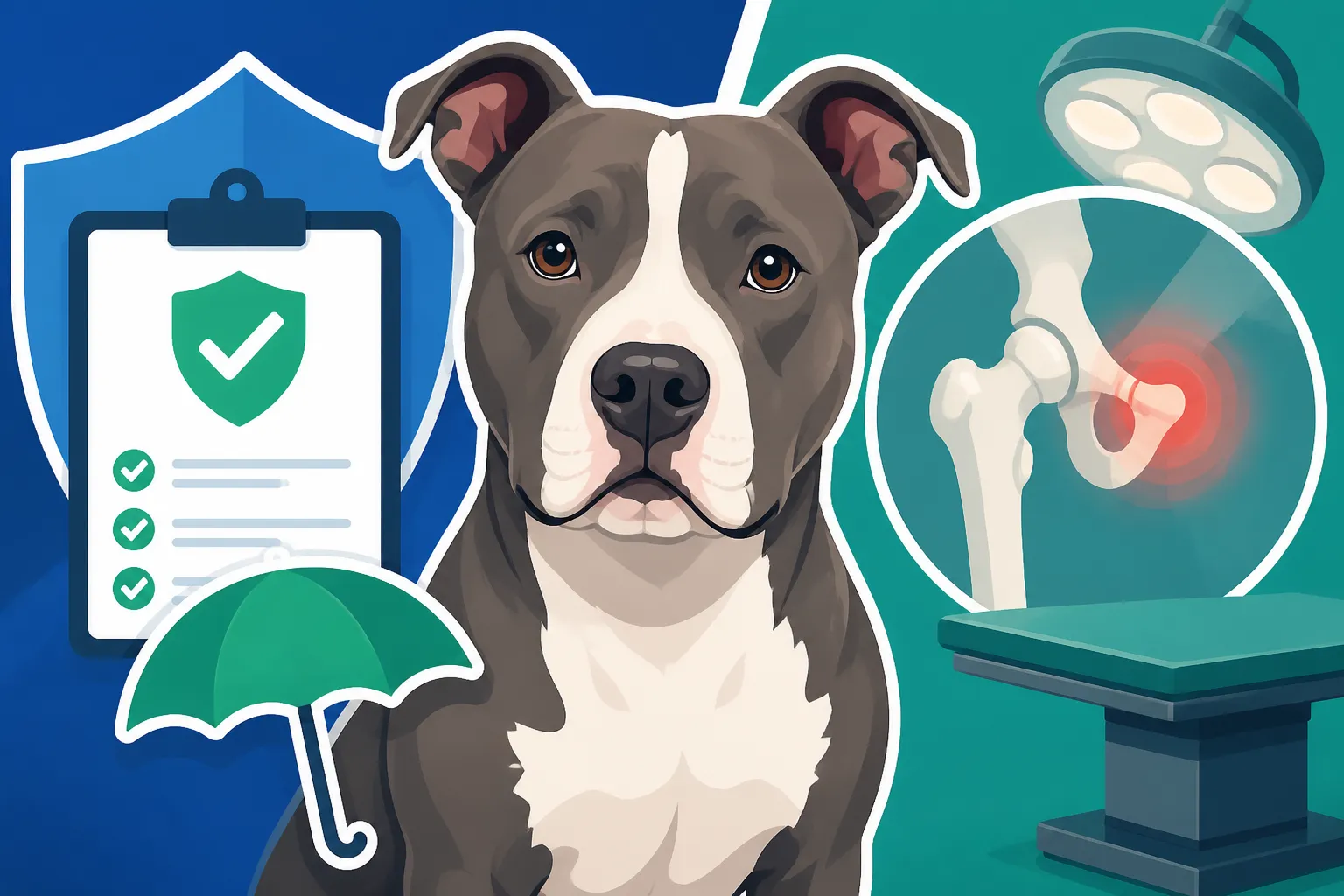
The moment your beloved Pit Bull starts showing signs of discomfort, a slight limp, or difficulty getting up, a wave of panic can set in. You immediately think about what it could be and, almost simultaneously, about the potential veterinary bills. If hip issues are suspected, a common concern among Pit Bull owners, a huge question looms: will your pet insurance actually cover the often expensive diagnostic tests and surgery? This guide will break down the complexities of pet insurance and hip surgery for Pit Bulls, helping you understand what to look for in a policy and how to navigate claims.
The Pit Bull Predicament and Pet Insurance Challenges
Owning a Pit Bull, as many of us know firsthand, comes with its own unique set of challenges, and pet insurance can sometimes feel like another hurdle. The breed's powerful build, combined with certain predispositions, means we often face higher veterinary costs for specific conditions. Finding a policy that truly understands and accommodates these needs, especially for something as significant as hip surgery, requires careful navigation.
Why Pit Bulls Face Insurance Scrutiny
It's an unfortunate truth that Pit Bulls, or rather, dogs identified as "Pit Bull type," can sometimes be lumped into categories that lead to higher insurance premiums or specific exclusions, not just in homeowners' policies but occasionally in pet insurance too. While breed-specific exclusions are less common in health insurance than in liability, the perception of higher risk can still subtly influence policy terms. The reality is that many Pit Bulls are robust, healthy dogs, but certain genetic predispositions, like those to joint issues, are genuine concerns that insurance companies factor in. Understanding these underlying risks is crucial when shopping for a plan that will actually be there when you need it most.
When you're researching pet insurance, it's vital to confirm that the provider doesn't have blanket exclusions based solely on breed. Most reputable pet insurance companies, such as Healthy Paws, focus more on an individual pet's health history rather than just their breed. However, they will always scrutinize a pet's medical records for any pre-existing conditions, which is where careful planning and early enrollment become incredibly important for breeds prone to specific issues like hip dysplasia.
Understanding Common Policy Exclusions
Every pet insurance policy comes with exclusions, and these are where the devil truly lies in the details when it comes to covering expensive procedures like hip surgery. The most significant exclusion for hip problems is almost universally the "pre-existing condition" clause. If your Pit Bull showed any signs of lameness, discomfort, or had a diagnosis of hip dysplasia or related conditions before your policy started or during its waiting period, that condition will almost certainly be excluded from coverage. This is a tough pill to swallow for many owners who only consider insurance after a problem arises.
Beyond pre-existing conditions, some policies might have specific exclusions for bilateral conditions (conditions that can affect both sides of the body, like hip dysplasia) if one side showed symptoms before coverage. Certain wellness plans or basic accident-only plans might also not cover major orthopedic surgeries at all, regardless of pre-existing status. Always read the fine print, pay close attention to the terms and conditions, and ask direct questions about how they handle hereditary conditions and orthopedic issues in particular.
Unpacking Hip Surgery Coverage Specifics
Hip dysplasia is a condition that many Pit Bull owners unfortunately become familiar with. It's a genetic condition where the ball and socket joint of the hip doesn't form correctly, leading to looseness, pain, and eventually arthritis. Addressing this can involve significant veterinary intervention, and understanding how insurance covers it is paramount. Learning more about Pit Bull Hip Dysplasia Showing at One to Two Years can help you understand the typical onset.
The Crucial Role of Pre-Existing Conditions
As mentioned, pre-existing conditions are the biggest hurdle for hip surgery coverage. For hip dysplasia, this means if your vet notes any signs of hip laxity, stiffness, limping, or even a suspicion of hip dysplasia in your Pit Bull's medical records before your insurance policy's start date or during its initial waiting period, the condition will be deemed pre-existing. This is true even if a formal diagnosis or X-rays haven't been performed yet. It's not uncommon for When Pit Bull Hip Symptoms First Appear to be subtle, making early detection a challenge for owners but a potential flag for insurers.
Imagine this scenario: you adopt an 8-month-old Pit Bull puppy, get him insured a month later, and then at his 12-month check-up, the vet notices a slight bunny hop in his gait and suggests X-rays, which confirm hip dysplasia. If there was any mention of a gait abnormality or stiffness in his initial vet records before the policy or waiting period, even if not directly stating "hip dysplasia," the insurer could classify it as pre-existing. This is why enrolling your Pit Bull when they are a healthy puppy, ideally before any symptoms appear, offers the best chance for coverage if a condition like hip dysplasia develops later in life.
Waiting Periods and Policy Timelines
Beyond pre-existing conditions, waiting periods are another critical factor. Every pet insurance policy has them: a specific amount of time, usually 14 to 30 days for illnesses and sometimes longer for orthopedic conditions, that must pass from your enrollment date before coverage for new conditions kicks in. For orthopedic issues like hip dysplasia, some insurers have extended waiting periods, sometimes up to six months or even a year, specifically for cruciate ligament issues or hip dysplasia. It's crucial to know these timelines.
For instance, if your policy has a 6-month orthopedic waiting period, and your Pit Bull starts showing clear signs of hip pain five months after your policy began, that condition might still not be covered. You'd have to wait until the 6-month mark after your enrollment date for coverage to potentially apply, assuming no pre-existing issues were documented. Always verify the specific waiting periods for orthopedic conditions with any insurance provider you consider. This is non-negotiable for breeds with a predisposition to such issues.
Types of Hip Surgery and Associated Costs
If your Pit Bull is diagnosed with hip dysplasia, several surgical options might be on the table, depending on the severity and your dog's age and size. Common procedures include:
- Femoral Head Ostectomy (FHO): This involves removing the ball portion of the femur, allowing the body to create a "false joint." It's often recommended for smaller dogs or when other options are too costly, but can be effective for some larger, muscular dogs too.
- Triple Pelvic Ostectomy (TPO) or Double Pelvic Ostectomy (DPO): These procedures involve cutting and rotating the pelvic bones to improve the hip joint's congruence. They are typically performed on younger dogs with less severe arthritis.
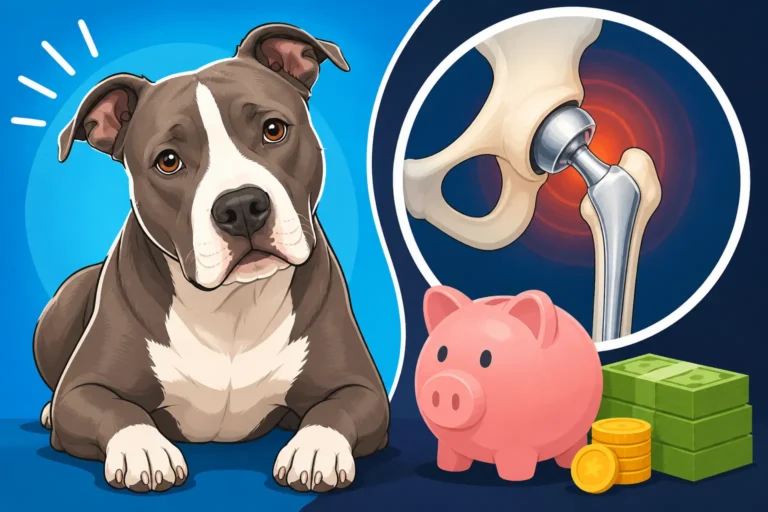
- Total Hip Replacement (THR): This is the most extensive and expensive option, involving replacing the entire hip joint with prosthetic components. It offers the best chance for a pain-free, fully functional hip. This is a major surgery, and understanding Hip Replacement in a Muscular Pit Bull involves significant investment and recovery.
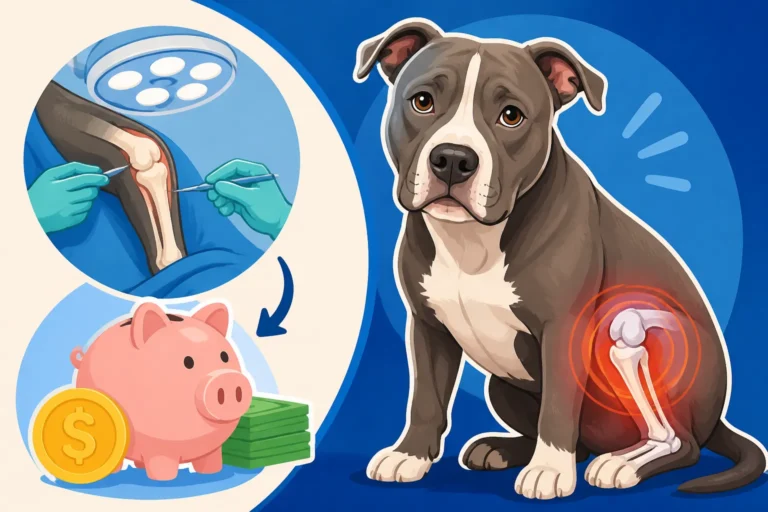
The cost of these surgeries can vary widely based on your location, the veterinary specialist, and the specific procedure. An FHO might range from $1,200 to $4,000 per hip, while a TPO could be $3,000 to $6,000 per hip. A total hip replacement is often the most expensive, running anywhere from $4,000 to $10,000 or more per hip. These figures often don't include the extensive post-operative physical therapy and medication, which can add hundreds to thousands more to the total bill. This is why having insurance that covers What a Pit Bull Hip Costs to Replace can be a financial lifeline.
Maximizing Your Pit Bull's Coverage Potential
Given the high costs associated with hip surgery, choosing the right pet insurance plan and understanding how to make the most of it is vital. It's about being proactive and informed, rather than reactive.
Choosing the Right Plan and Provider
When selecting a pet insurance plan for your Pit Bull, especially with an eye on potential hip issues, focus on comprehensive "accident and illness" policies. These plans generally cover diagnostics, surgeries, hospitalization, and medication for a wide range of conditions, including orthopedic problems. Look for policies that specifically mention coverage for hereditary and congenital conditions, provided they are not pre-existing. It's also worth researching providers that have a good reputation for handling large breed orthopedic claims.
Some companies are known for their strong coverage in this area. For example, Healthy Paws is frequently mentioned by pet owners for their comprehensive accident and illness plans, which are often praised for quick reimbursement and strong coverage of conditions like hip dysplasia, assuming it’s not pre-existing. When comparing plans, pay close attention to:
- Deductibles: How much you pay out-of-pocket before coverage begins (e.g., $100, $250, $500).
- Reimbursement Percentage: What percentage of the vet bill the insurance company will pay (e.g., 70%, 80%, 90%).
- Annual Limit: The maximum amount the policy will pay out in a year (some plans have unlimited annual limits, which is ideal for costly surgeries).
- Waiting Periods: As discussed, ensure you know the specific waiting periods for orthopedic conditions.
Consider a plan with a higher reimbursement percentage and an unlimited annual limit if your budget allows, as this provides the most protection against catastrophic costs.
Understanding Deductibles and Reimbursement
Once you have a policy, it's essential to understand how deductibles and reimbursement work. Your deductible is the amount you pay first, typically once per policy year or once per incident, before your insurance company starts contributing. If you have a $500 deductible and a $7,000 hip surgery bill, you'll pay the first $500.
After the deductible is met, your reimbursement percentage kicks in. If your plan offers 80% reimbursement, the insurance company will cover 80% of the remaining $6,500 ($5,200), and you'll be responsible for the other 20% ($1,300). So, for that $7,000 bill, you'd pay $500 (deductible) + $1,300 (20% co-pay) = $1,800 out of pocket. This still leaves a significant portion covered by insurance, which is much better than facing the full $7,000 yourself. Many plans also have an annual deductible, meaning once you meet it, all subsequent claims for that policy year are subject only to your reimbursement percentage.
Here’s a quick overview of how different elements might impact your coverage for a $7,000 hip surgery bill:
| Policy Feature | Example Value | Your Out-of-Pocket | Insurer Payout | Notes |
|---|---|---|---|---|
| Deductible | $250 (Annual) | $250 | $0 | Amount you pay before reimbursement starts |
| Reimbursement Rate | 80% | $1,350 | $5,400 | 20% of remaining $6,750 after deductible |
| Total Bill | $7,000 | $1,600 | $5,400 | Assuming no annual limits met and condition is covered |
| Annual Limit | $10,000 | (N/A) | (N/A) | This example fits within a typical limit |
| Pre-existing Clause | Crucial factor | No Coverage | $0 | If pre-existing, expect to pay 100% |
| Orthopedic Waiting Period | 6 Months | No Coverage | $0 | If surgery falls within this period, expect to pay 100% |
Proactive Health Management and Financial Planning
Beyond insurance, proactive health management is crucial for your Pit Bull. Maintaining a healthy weight significantly reduces strain on joints, mitigating the risk of aggravating conditions like hip dysplasia. Resources on Pit Bull Obesity and Joint Strain can provide guidance on this. Regular, appropriate exercise, not overdoing it, especially in a growing puppy, also plays a role. If you got your Pit Bull from a breeder, ensuring they performed What Testing a Pit Bull Breeder Should Have Done for hip health, like OFA or PennHIP evaluations, can indicate a lower risk, though it’s never a guarantee.
Even with insurance, it's smart to have an emergency fund. No policy covers 100% of costs, and some conditions might fall outside coverage. Consider setting up a separate savings account specifically for your pet's unexpected medical needs. When it comes to nutrition, especially if your Pit Bull needs special joint support or a therapeutic diet post-surgery, you might find specific prescription foods or joint supplements through online retailers like Chewy, which offers a wide range of veterinary-approved products. Some owners even explore fresh food options like Ollie, which can be customized to dietary needs, although these are typically not covered by standard pet insurance unless prescribed by a vet for a specific, covered condition. Planning ahead financially, whether through insurance, savings, or a combination of both, offers invaluable peace of mind when unexpected health challenges arise.
Disclaimer
The information provided in this guide is for general informational purposes only and does not constitute veterinary, financial, or legal advice. Pet insurance policies vary widely, and it is crucial to read your specific policy documents, understand their terms and conditions, including waiting periods and exclusions, and consult directly with your chosen pet insurance provider and your veterinarian regarding your Pit Bull's health and coverage needs.