What a Bite Claim Does to a Pit Bull Policy
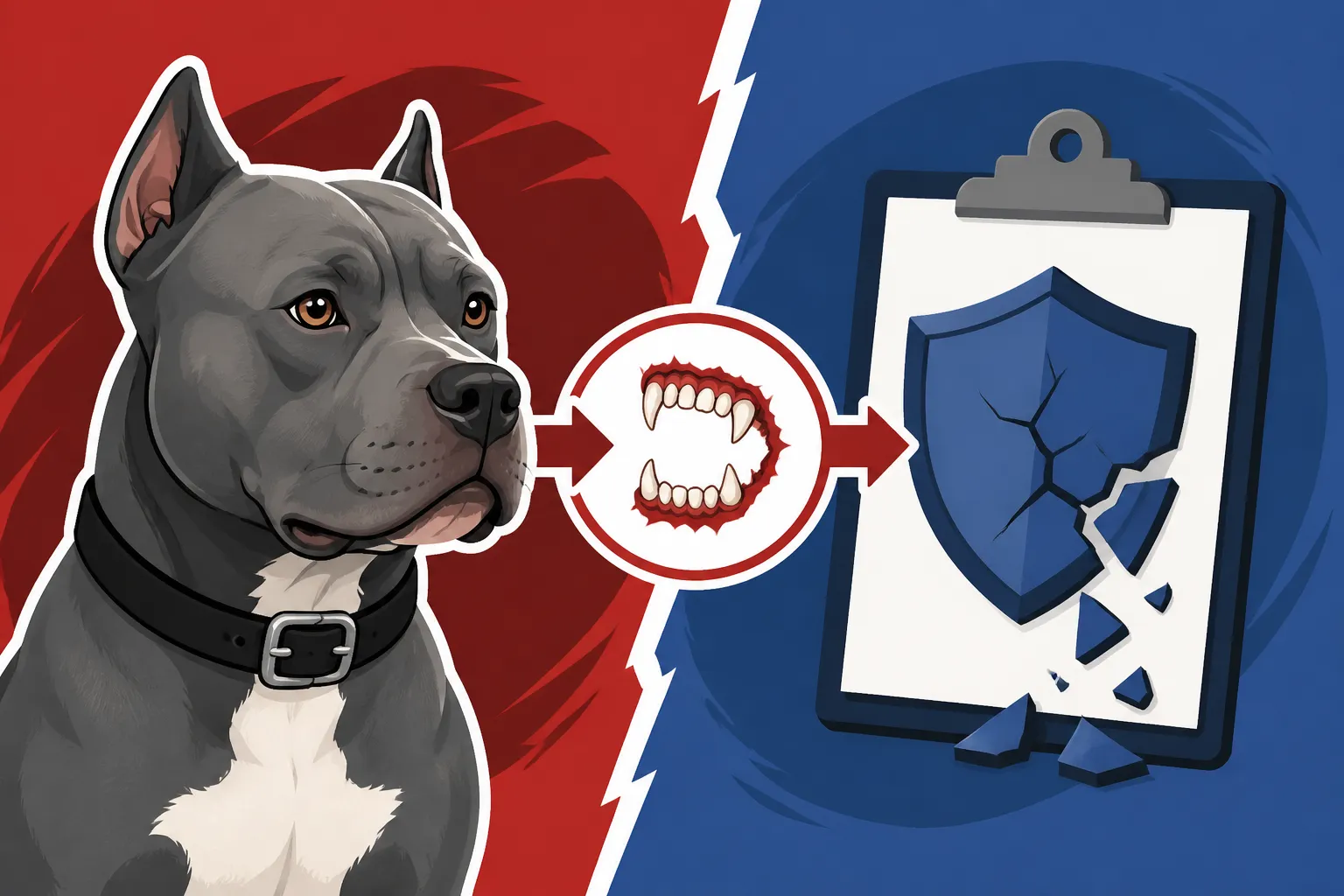
The reality of owning a Pit Bull comes with its own unique set of challenges, and few are as daunting as a bite incident. When your beloved companion is involved in a bite claim, the repercussions extend far beyond the immediate concern for the injured party. It can send shockwaves through your insurance coverage, potentially leading to policy cancellations, skyrocketing premiums, or even leaving you in the difficult position of being uninsured. This guide delves into the tough truths of what a bite claim means for your Pit Bull insurance policy and offers a realistic roadmap for navigating these turbulent waters.
Immediate Fallout for Your Current Insurance Policy
When a bite incident occurs and a claim is filed, your insurance company's primary concern shifts rapidly from standard coverage to risk assessment. For Pit Bull owners, this assessment can be particularly unforgiving due to widespread breed-specific policies. It’s a frustrating reality that many carriers view certain breeds through a lens of increased liability, regardless of your dog’s individual temperament or training.
Policy Cancellation and Non-Renewal
One of the most immediate and devastating consequences of a bite claim is the risk of your current homeowners or renters insurance policy being canceled or non-renewed. Insurers operate on actuarial data, and a dog bite claim, especially one involving a breed often perceived as higher risk, significantly alters your profile. Your insurance company might send you a notice of cancellation, effective almost immediately, or they might simply inform you that they will not renew your policy when its term ends. This isn't just an inconvenience; it can be a serious blow, leaving you scrambling to find new coverage. Many owners feel a deep sense of betrayal, having faithfully paid their premiums only to be dropped at their most vulnerable.
It’s a tough pill to swallow because it feels like a judgment against your dog and you, the responsible owner. Even if the incident was minor, or a fluke, the insurance company sees only the increased statistical risk. Some policies have specific clauses that allow for immediate cancellation following a dog bite claim, especially if it resulted in significant injury or required medical attention. This creates an urgent need to understand the specifics of your current policy and to act quickly if you receive such a notice.
Premium Increases and Breed-Specific Surcharges
If your current insurer decides not to cancel your policy outright, you can almost certainly expect a substantial increase in your premiums. The logic is simple from their perspective: you are now a higher-risk client. These increases can be steep, sometimes making your insurance payments feel prohibitive. Furthermore, some companies, even those that don't enforce outright breed bans, may impose breed-specific surcharges following an incident. This means that merely owning a Pit Bull could already place you in a higher premium bracket, and a bite claim will only exacerbate that.
It's not uncommon for owners to find their premiums jump by hundreds, or even thousands, of dollars annually. This isn't just about covering the cost of the recent claim; it's about anticipating future incidents, even if you are diligently working to prevent them. This financial burden can be incredibly frustrating, especially when you've invested heavily in training and responsible ownership. Many owners end up exploring options like What a Pit Bull Adds to a Homeowners Premium or seeking out insurers who are more understanding of specific breeds.
The Uphill Battle for Future Coverage
Once a bite claim is on your record, securing new insurance coverage can become a truly daunting task. The information about your claim is shared across insurance databases, effectively "flagging" you as a high-risk applicant for future insurers. It's a system that feels designed to punish rather than support.
The "Blacklist" Effect and Exclusion Lists
The term "blacklist" might sound dramatic, but for many Pit Bull owners, it accurately describes the situation after a bite claim. Insurance companies often share data through industry databases, meaning a claim filed with one company is accessible to others. When you apply for new insurance, your claim history, including the dog bite incident, will likely appear. Many insurers have strict underwriting guidelines, and a dog bite claim, particularly one involving a Pit Bull, can lead to automatic denial. These are known as breed exclusion lists, which explicitly state that they will not provide coverage to households with certain breeds.
You might find yourself repeatedly denied by mainstream insurance providers. This isn't just about your specific incident; it’s about the general perception and actuarial data associated with the breed. The frustrating part is that this "blacklist" doesn't differentiate between a minor nip and a severe injury; often, any bite claim is enough to trigger a denial. Owners are often left to explore alternative, sometimes more expensive, options or search for smaller, specialty carriers who might take a more nuanced approach. Trying to figure out Which Insurers Decline a Pit Bull Outright becomes a primary concern.
The Role of Umbrella Policies
Even if you manage to secure a primary homeowners or renters insurance policy, an umbrella policy might become an essential, albeit more expensive, layer of protection after a bite claim. An umbrella policy provides additional liability coverage beyond the limits of your standard policies. If a future incident leads to damages exceeding your homeowners policy's liability limits, the umbrella policy kicks in to cover the difference, up to its own much higher limits.
While an umbrella policy offers crucial peace of mind, getting one after a dog bite claim can be challenging. Some insurers might still be hesitant to offer coverage, or they might exclude dog-related incidents from the umbrella policy altogether. Others may require you to fulfill specific conditions, like completing advanced obedience training or implementing strict containment measures for your dog. It's vital to discuss the specifics with potential carriers and understand exactly what kind of protection you're getting. Considering How Much Umbrella Cover a Pit Bull Owner Buys is a serious discussion for any Pit Bull owner, especially after an incident.
Beyond Insurance: Financial and Legal Ramifications
The impact of a bite claim extends far beyond your insurance premiums. There are significant financial and legal consequences that can arise, even with insurance coverage, and certainly without it. These costs can be substantial, putting a serious strain on your finances and your peace of mind.
Out-of-Pocket Expenses and Settlements
Even with a comprehensive insurance policy, you will almost certainly face out-of-pocket expenses. Your deductible, for starters, will need to be paid. Beyond that, if the settlement amount exceeds your policy's liability limits, you become personally responsible for the difference. Dog bite cases, especially those resulting in severe injuries, can involve significant medical bills, lost wages for the injured party, and even pain and suffering damages. These can easily reach tens or hundreds of thousands of dollars.
Imagine a scenario where your Pit Bull, in an unexpected moment, nips a child who startled them, leading to stitches. While your insurance might cover the bulk of the medical bills, you might still face your deductible and any portion not covered. If the injury is more severe, leading to reconstructive surgery or psychological trauma, the costs can escalate dramatically. This is where an umbrella policy becomes so vital, but even then, there's always a risk of exceeding total coverage. These financial realities underscore the importance of understanding your policy limits and the potential for personal liability.
Legal Defense and Breed-Specific Legislation
Beyond direct settlement costs, you might incur significant legal defense fees. If the injured party decides to sue, you'll need legal representation, even if your insurance company provides it. Depending on the specifics of the case, you might need your own attorney to advise you on aspects not covered by the insurer's counsel. These fees can quickly add up, becoming another substantial out-of-pocket expense.
Furthermore, a bite incident can trigger local breed-specific legislation (BSL), even in areas where it wasn't previously enforced against your particular dog. Many municipalities have "one bite" rules or dangerous dog ordinances. After an incident, your dog could be declared "dangerous" or "vicious," leading to mandatory muzzling in public, secure containment requirements, special licensing fees, or in extreme cases, even euthanasia orders. Navigating these local laws can be complex and emotionally draining. It can also involve further legal costs, adding to the financial burden after a Pit Bull complaint. You might even need to consult with legal experts who understand How a City Decides a Dog Is a Pit Bull to argue your case.
| Aspect of Coverage | Before a Bite Claim | After a Bite Claim |
|---|---|---|
| Current Policy Status | Active, standard terms | Risk of cancellation or non-renewal |
| Premiums | Standard rates, potentially higher for Pit Bulls | Significant increase, surcharges likely |
| Future Insurability | Generally accessible to many carriers | Limited options, frequent denials, "blacklist" effect |
| Deductibles | Applied per claim | Still applies, but now a real, immediate cost |
| Liability Limits | Provides coverage up to stated limits | May be insufficient; risk of personal liability for excess |
| Umbrella Policy | Recommended for extra protection | Becomes critical, but harder to obtain/may have exclusions |
| Breed Exclusions | May exist with some carriers | Greatly increased likelihood of encountering |
Strategies for Recovery and Responsible Ownership
While the aftermath of a bite claim is undeniably difficult, it's not the end of the road. There are proactive steps you can take to mitigate the damage, secure future coverage, and, most importantly, reinforce your commitment to responsible Pit Bull ownership.
Proactive Steps to Minimize Risk
Prevention is always the best strategy. Even after an incident, doubling down on safety measures can demonstrate your commitment to preventing future occurrences, which can sometimes influence insurance decisions or legal outcomes. This includes reviewing your dog’s training. Perhaps a brush-up on Pit Bull Leash Manners and Physical Strength is in order, or revisiting impulse control exercises. If your dog showed any signs of discomfort or stress leading up to the incident, working with a certified professional dog trainer, particularly one experienced with Pit Bulls, can be invaluable. Consider investing in muzzle training, not as a punishment, but as a responsible safety tool. Muzzle Training Every Pit Bull Should Have is an excellent preventative measure that can protect both your dog and the public.
Beyond training, ensure your home and yard are secure. Check fences for weak spots, and always supervise your Pit Bull, especially around children or unfamiliar people. Having a reliable, sturdy leash and harness for walks is non-negotiable. Many owners find products from Chewy helpful for securing durable leashes, harnesses, and enrichment toys that can help manage energy levels safely. Documenting all these efforts – vet visits, training certificates, securely fenced yard – creates a record of responsible ownership that can be crucial later.
Building a Documented History of Responsibility
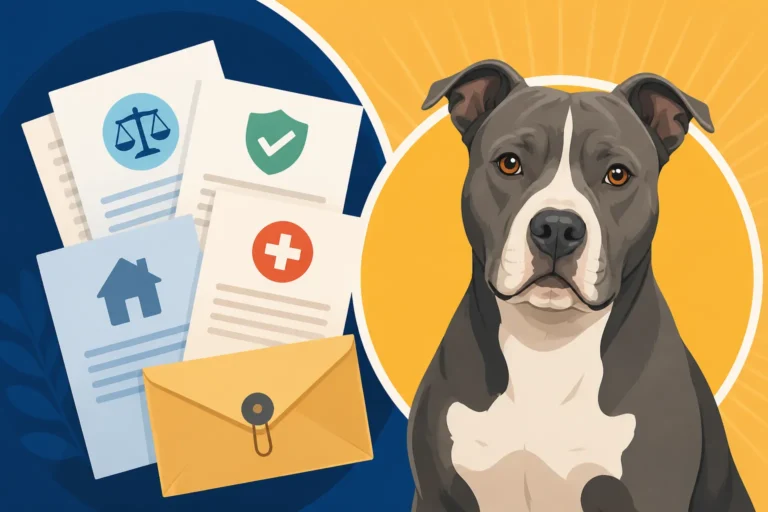
After a bite claim, your reputation as a responsible dog owner becomes paramount. You need to proactively build a strong, undeniable documented history. This means keeping meticulous records of everything:
- Training Certifications: Any classes your dog attends, especially those like Canine Good Citizen (CGC), are important. These show a commitment to manners and public safety. Consider Showing an Insurer a Pit Bull's Training Record.
- Veterinary Records: Regular check-ups, vaccinations, and any treatments, particularly for underlying health issues that might contribute to behavioral changes (like pain from Pit Bull Hip Dysplasia Showing at One to Two Years or allergies), demonstrate you're attentive to your dog's well-being. Services like Healthy Paws can help cover unexpected vet bills, allowing you to prioritize your dog's health without financial strain, which indirectly supports responsible ownership.
- Behavioral Consultations: If you've worked with a behaviorist or trainer, keep their reports and recommendations. This shows you're actively addressing any potential issues.
- Secure Containment: Photos and descriptions of your secure fencing, dog runs, or crates can prove you've taken steps to prevent escapes or unsupervised interactions.
- Community Involvement: Participating in breed advocacy groups or local dog clubs can also help paint a picture of a dedicated, responsible owner.
When seeking new insurance, having this portfolio ready can sometimes make a difference. While it's not a guaranteed solution, it provides tangible evidence that you are not negligent and are serious about safety. Many insurance companies, particularly smaller, regional ones, might be more willing to consider your application if you can present a compelling case of responsible ownership. Finding a vet who is also supportive and understands the breed can be invaluable, offering both health care and potentially character references if needed.
Disclaimer
This article is for general informational purposes only and does not constitute professional advice. Laws, prices and regulations vary by location and change over time. Consult a qualified professional for guidance on your specific situation.