Denver’s Microchip Rules for a Pit Bull
Oh, Denver. What a rollercoaster it's been for Pit Bull owners in the Mile High City, hasn't it? For years, the shadow of breed-specific legislation hung heavy, creating a maze of rules that felt unfair and frankly, exhausting to navigate. Many of us worried about our beloved companions, not just for their safety and well-being, but for simply being allowed to live peacefully in our homes. Today, we're going to dive deep into Denver's microchip rules for Pit Bulls, exploring the history, the changes, and what you absolutely need to know to keep your furry family member safe and compliant now.
Understanding the Shift: Denver's Pit Bull History and Microchip Rules
It's hard to talk about microchip rules for Pit Bulls in Denver without first acknowledging the massive shift that happened just a few years ago. For decades, Denver was one of those cities where owning a "Pit Bull type" dog came with a heavy asterisk—a breed-specific ban that forced owners into difficult decisions and often, heartbreaking situations. If you were a Pit Bull owner living in Denver, you were living under a different set of rules, and sometimes, intense scrutiny.
The Era of the Pit Bull Permit
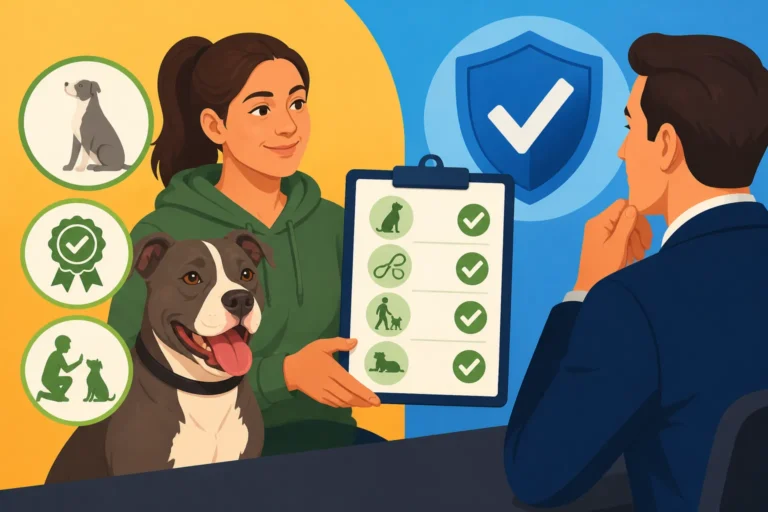
Before the big change, if you owned a Pit Bull in Denver, you essentially had to apply for a special "Pit Bull Restricted Breed Permit." This wasn't just a simple license; it was a comprehensive set of requirements designed to track and, some might argue, control Pit Bull ownership. This permit system was a direct consequence of the ban. It required owners to jump through several hoops, and honestly, it felt like proving your dog's worth just to exist. You had to show proof of spay/neuter, provide up-to-date rabies vaccination records, and yes, your Pit Bull had to be microchipped. The microchip was a non-negotiable part of this permit, serving as a permanent identification method should your dog ever get lost or involved in an incident. The city wanted a clear way to link dogs to their owners, especially given the breed's status at the time.
The intent behind the permit, from the city's perspective, was to ensure responsible ownership and public safety. But for us, the owners, it felt like an added burden, a constant reminder that our dogs were seen differently. This system created a lot of stress and confusion, and honestly, a feeling of being unwelcome in our own community. For more on this challenging period, you might want to read about Denver's Pit Bull Permit After the 2020 Repeal.
The Repeal of the Breed Ban
Then, something wonderful happened. After years of tireless advocacy from local residents, animal welfare groups, and even city council members who listened to the community, Denver voted to repeal its long-standing breed-specific legislation in 2020. This was huge! It meant that, starting January 1, 2021, Pit Bulls and Pit Bull type dogs were no longer considered "restricted breeds" in the same way. The sigh of relief from Pit Bull families across the city was almost palpable.
This repeal transformed the landscape for dog owners. No longer did you need a special, breed-specific permit. Your Pit Bull was, at least in the eyes of the law, simply a dog. This meant that the microchip requirement, which was previously tied directly to the Pit Bull permit, transitioned into being part of the general animal welfare ordinances that apply to all dogs in Denver. It's a subtle but crucial distinction. The requirement for a microchip didn't disappear; it just stopped being a "Pit Bull specific" rule and became a "responsible pet owner" rule, applicable to everyone. If you're curious about the journey to this change, check out How Denver's Pit Bull Ban Was Repealed in 2020.
The Current Landscape: Microchip Requirements for All Denver Dogs
So, with the breed-specific ban and permit system a thing of the past, what are the microchip rules for your Pit Bull in Denver now? The good news is, they're the same as for any other dog breed in the city. Denver Animal Protection (DAP) requires all dogs to be licensed, and a microchip is a key component of that licensing process.
General Licensing and Microchip Mandates
In Denver, if your dog is four months of age or older, they need to be licensed annually. To get that license, you'll need to provide:
- Proof of current rabies vaccination: This is non-negotiable for public health and safety.
- Proof of spay or neuter: While not strictly required for licensing, unaltered dogs often incur higher licensing fees, and Denver encourages responsible breeding practices.
- Proof of microchip implantation: This is where our discussion comes full circle. The microchip is now a standard requirement for all dogs in Denver, regardless of their breed.
What does this mean for Pit Bull owners? It means your beautiful, loyal Pit Bull is finally treated equally under Denver's licensing laws. The microchip isn't a punitive measure against a specific breed anymore; it's a foundational piece of responsible pet ownership for all dogs. The city wants every pet to have the best chance of being reunited with their family if they ever go missing.
Why Microchipping Matters for Licensing
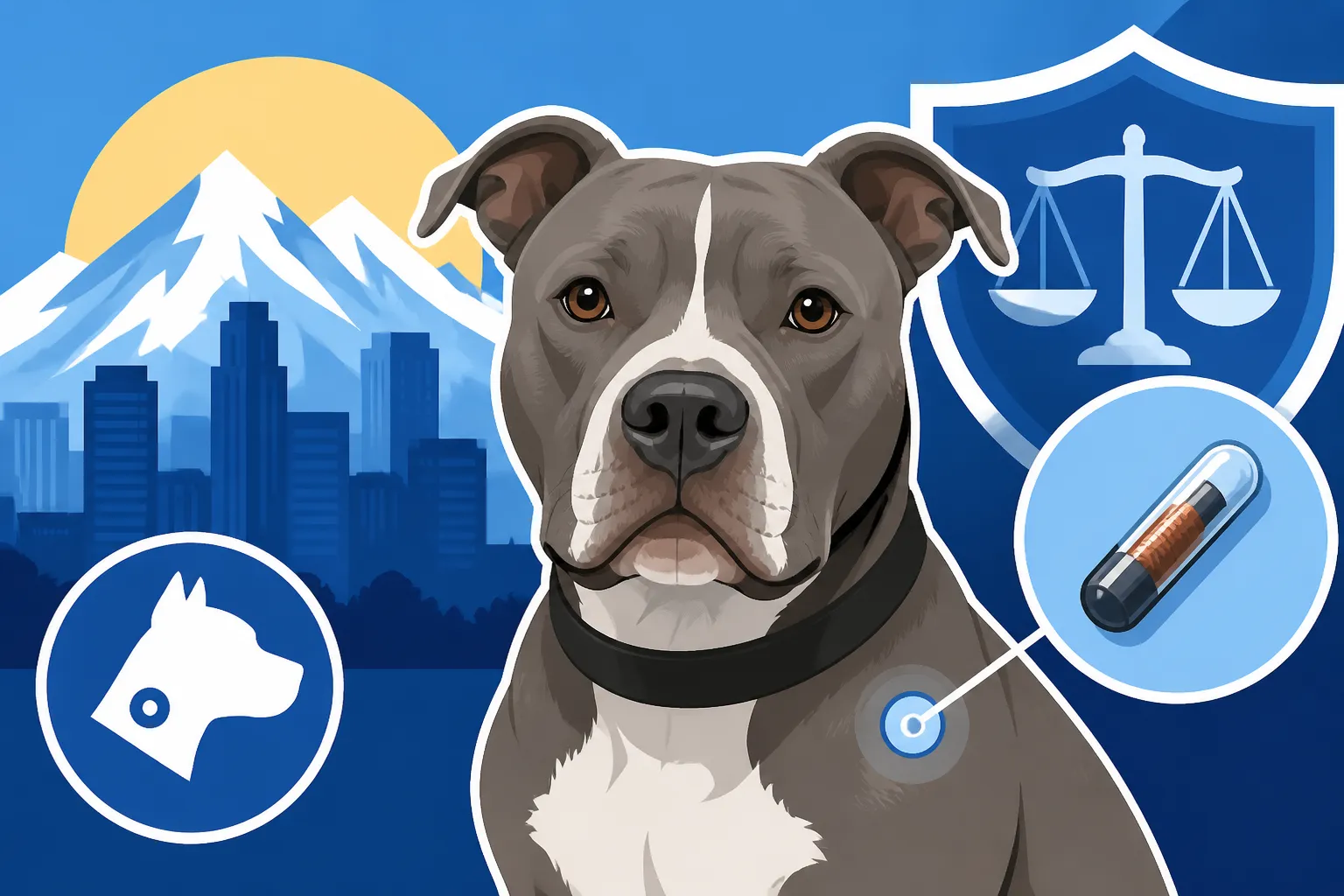
Think of the microchip as your dog's permanent ID card, implanted safely under their skin. When you go to license your dog with Denver Animal Protection, they'll ask for the microchip number. This number is then linked to your contact information in a national database. This linkage is vital. If your dog gets lost and is picked up by animal control or a kind Samaritan who takes them to a vet or shelter, a quick scan will reveal their microchip number, and from there, your contact details. This greatly increases the chances of a happy reunion.
Some folks wonder, "Do I really need a microchip if my dog always wears tags?" And while tags are absolutely important and should always be on your dog, they can fall off, become illegible, or be removed. A microchip is permanent. It's truly a secondary layer of protection that every responsible owner should provide. The cost of a microchip is relatively low, often between $25-$50, and many shelters or low-cost clinics offer microchipping services at even more affordable rates. This small investment can save you immense heartache down the road.
| Requirement | Applies to All Dogs in Denver | Why It Matters |
|---|---|---|
| Rabies Vaccination | Yes | Public health, legal mandate, prevents disease. |
| Annual License | Yes | Funds animal services, shows compliance. |
| Microchip | Yes | Permanent ID, dramatically increases lost pet return. |
| Spay/Neuter | Encouraged (lower fees for altered pets) | Population control, health benefits, fewer behavioral issues. |
Beyond Compliance: Why Microchipping Is Vital for Every Pit Bull Owner
While meeting Denver's microchip requirements is a legal obligation, the benefits of microchipping your Pit Bull extend far beyond just ticking a box for a license. For dogs like Pit Bulls, who sometimes face unfair stereotypes, having ironclad identification is even more critical.
The Ultimate Reunion Tool
Imagine this nightmare scenario: your Pit Bull, usually a perfect angel, somehow slips their collar during a walk or, worse, gets startled by a loud noise and bolts from the yard. Panic sets in. You search, you call, you post on social media. But without a reliable form of identification, your chances of getting them back dwindle rapidly.
This is where the microchip becomes your best friend. A dog found by a good samaritan, taken to a vet's office, or picked up by Denver Animal Protection will almost always be scanned for a microchip. That tiny chip, no bigger than a grain of rice, holds a unique ID number. That number, when registered correctly, leads straight to you. We've all heard heartwarming stories of pets reunited with their families years after going missing, all thanks to a microchip. It's not just a feel-good story; it's a reality for thousands of pets every year. For a dog that might not always get the benefit of the doubt, like a Pit Bull, this unambiguous link to a loving home is invaluable. You can get more proactive about your dog's health and wellness in general, but the microchip is really about identification.
Safety in Emergencies and Disasters
Life throws curveballs, and sometimes those curveballs come in the form of emergencies or natural disasters. Floods, fires, or even just a major car accident can separate you from your pet in an instant. In such chaotic situations, where collars and tags might be lost, a microchip remains. Emergency shelters and rescue organizations are equipped with scanners, allowing them to quickly identify and contact owners.
Consider a hypothetical: a house fire forces you to evacuate quickly, and in the chaos, your dog runs off. Later, amidst the rubble, a rescue worker finds your disoriented Pit Bull. With a quick scan, they identify the microchip, access your contact information, and help bring your dog back to you when you're already dealing with so much. This peace of mind alone is worth the small cost and effort of microchipping. When you consider the bigger picture of your Pit Bull's overall health and safety, including things like Emergency Signs That Cannot Wait in a Pit Bull, a microchip is a crucial preventative measure.
Reinforcing Responsible Ownership
Microchipping your Pit Bull also sends a powerful message: you are a responsible owner. It shows that you've taken the steps to permanently identify your pet and that you're committed to their well-being and to adhering to local ordinances. This, in turn, helps to chip away at some of the negative perceptions that have historically plagued Pit Bulls. Every responsible Pit Bull owner contributes to a more positive public image for the breed as a whole.
And speaking of being a responsible owner, don't forget the importance of staying current with other vital care, like ensuring Year-Round Parasite Cover for a Pit Bull and keeping up with regular vet check-ups. These things, combined with proper identification, paint a picture of a devoted pet parent.
Ensuring Your Pit Bull's Microchip Works for You
Having a microchip is only half the battle. For it to truly be effective, it needs to be properly registered and its information kept up to date. This is a step many owners overlook, and it can render the microchip useless if your dog ever gets lost.
The Registration Process: Don't Skip This Step!
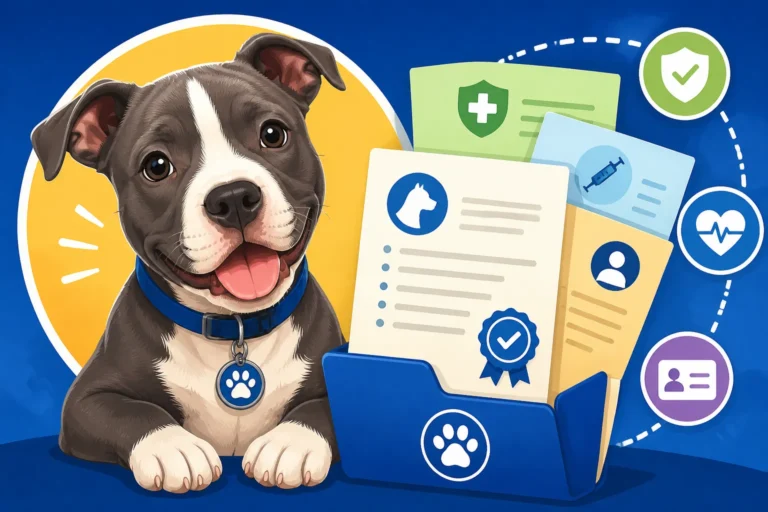
When your Pit Bull is microchipped, whether at your vet's office, a shelter, or a mobile clinic, you'll receive a unique microchip number and instructions on how to register it. This registration is crucial. The microchip itself doesn't contain your information; it only contains that unique ID number. You are responsible for linking that number to your name, address, phone number, and alternate contact information in a national database.
Most microchip companies offer an online registration portal. Some common microchip registries include PetLink, HomeAgain, and AVID. You'll create an account, enter your dog's microchip number, and fill in all your details. Many vets will help you with this initial registration, but it's ultimately your responsibility to ensure it's done.
Pro Tip: Choose a microchip company that offers lifetime registration or a low one-time fee. While some companies might try to upsell you on annual memberships for additional services, the core function of registration should ideally be free or a single payment. For example, registering with a common database like the American Animal Hospital Association's Universal Pet Microchip Lookup Tool can often help track down which company holds the registration.
Keeping Your Information Current
Life happens. You move, you change phone numbers, you switch email addresses. Every time your contact information changes, you must update your microchip registration. This is incredibly important. If your Pit Bull gets lost and scanned, but the phone number linked to their chip is outdated, they won't be able to reach you. It's like having a driver's license with an old address – it's still technically identification, but it won't help officials find you.
Make it a habit to check your microchip registration once a year, perhaps around the time of your dog's annual vet check-up or when you renew their Denver dog license. Log into your account with the microchip registry and confirm all your details are accurate. It takes just a few minutes, but it could make all the difference. While you're at it, review your pet insurance policy from providers like Healthy Paws to ensure your contact details are also current with them.
What to Do If Your Dog is Found (and Has a Microchip)
If your lost Pit Bull is found and scanned, the person scanning the chip will get the microchip number. They'll then use a universal microchip lookup tool (like the one provided by the AAHA) to find out which registry your dog's chip is registered with. Once they know the registry, they can contact that company, which will then use your up-to-date contact information to notify you that your dog has been found!
This chain of events highlights precisely why accurate registration is paramount. Without it, the microchip is just a piece of inert technology under your dog's skin. With it, it's a direct lifeline back to you. Companies like Chewy even offer services to remind you about updating pet records, which can be a helpful nudge for busy pet parents. Consider adding a tag to your Pit Bull's collar that says "Microchipped" along with your phone number. This isn't a replacement for registration but adds another layer of quick identification. If you're using a fresh food service like Ollie, ensure your contact details are current with them as well, as they often maintain pet profiles.
Disclaimer
This article is intended for informational purposes only and does not constitute legal advice. While efforts have been made to provide accurate and up-to-date information regarding Denver's microchip and licensing requirements, regulations can change. Always consult directly with Denver Animal Protection or a qualified legal professional for the most current and specific information pertaining to your situation.